
Choosing the right diaper for your baby in the Philippines involves balancing performance, skin health, and household expenses. With the tropical climate bringing high heat and humidity, diaper performance becomes critical to prevent discomfort and skin issues. Parents often find themselves comparing budget-friendly options like Champ with established premium brands like Pampers and Huggies to see where their money is best spent.
The decision between these brands typically comes down to your baby’s unique skin sensitivity, your daily changing routine, and your monthly budget. Champ diapers generally offer a reliable baseline of absorbency and comfort at an accessible price point, making them an excellent choice for frequent daytime changes. On the other hand, premium brands like Pampers and Huggies invest heavily in advanced core technologies, specialized leak barriers, and ultra-soft materials designed to handle extended overnight wear or protect highly sensitive skin.
Ultimately, paying a premium is justified if your baby requires long-lasting leak protection during sleep or has skin that reacts quickly to trapped moisture. However, for standard daytime use where you monitor and change your baby frequently, a budget-friendly option can be highly practical and cost-effective. Understanding how these diapers differ in construction, fit, and value will help you build a diapering strategy that keeps your baby dry and your budget intact.
Products mentioned in this guide
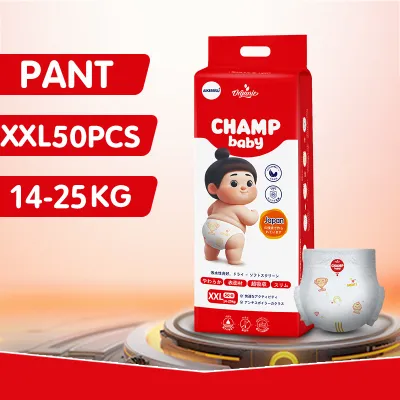
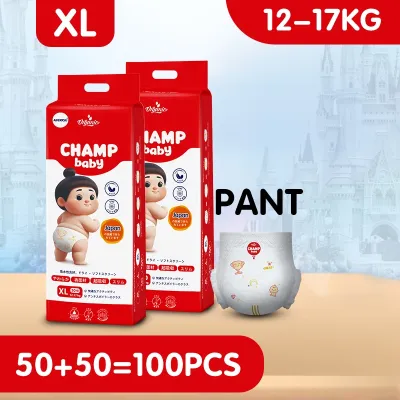
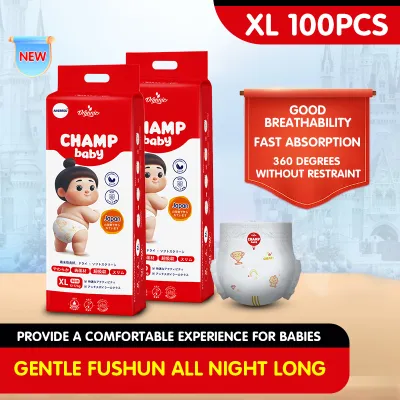
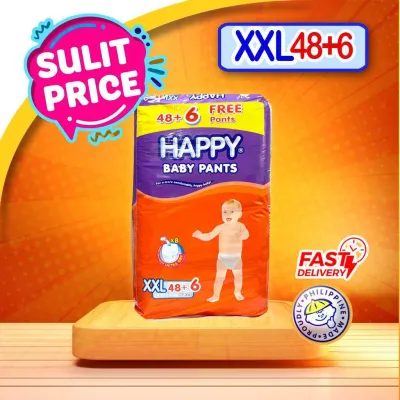
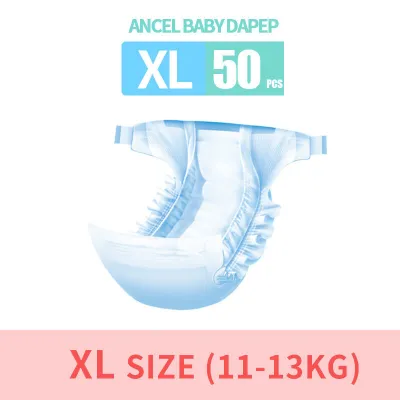
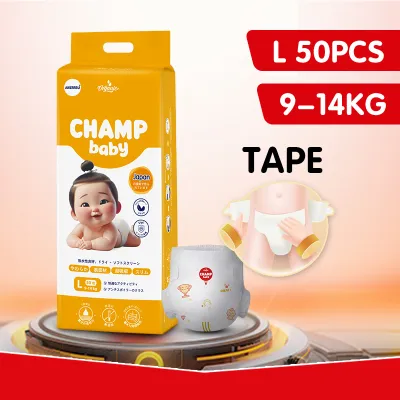
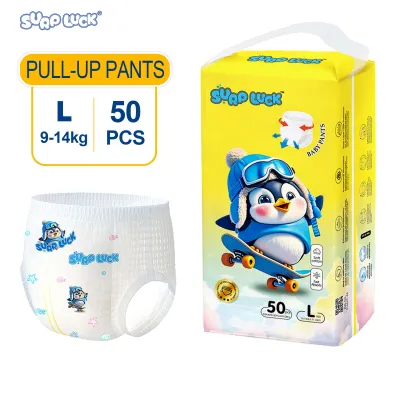
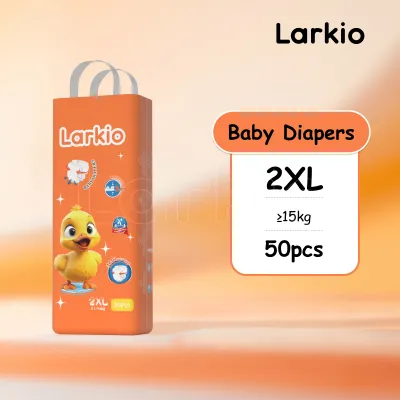
Prices are valid at publication and may change. Please refer to the product page for the latest price.
Core Differences in Absorbency and Leak Protection
To evaluate how Champ, Pampers, and Huggies manage moisture, you must look closely at their structural design and how they perform under different conditions. Premium brands like Pampers and Huggies typically feature advanced absorbent cores utilizing superabsorbent polymers distributed along specialized channels. These channels are designed to draw liquid away from the surface quickly and distribute it evenly, preventing the diaper from sagging or clumping. When inspecting Champ diapers, you may notice a more traditional core structure that absorbs liquid reliably but might distribute it less dynamically, making frequent changes necessary to prevent surface dampness.
Another critical element to compare is the physical height, thickness, and elasticity of the leg cuffs and waistband barriers. Huggies is widely recognized for its pocketed waistbands designed to trap runny messes, while Pampers often utilizes highly flexible, double-layered leg gathers to prevent side leaks during active movement. When examining Champ, check the elasticity of the leg cuffs to ensure they provide a snug fit without gaps. In a humid tropical environment, a secure but breathable barrier is essential to prevent leaks without trapping excessive sweat around the thighs.
To assess real-world performance, monitor your baby’s diaper for observable signs of saturation, sagging, or dampness after a few hours of active play or during a nap. If you notice that a diaper feels heavy, sags significantly, or leaves the skin feeling slightly damp to the touch, it indicates that the core has reached its optimal capacity. High-volume output, such as overnight wetting, requires a diaper with a high-capacity core that locks moisture away deeply. Conversely, frequent, low-volume daytime changes do not require such heavy-duty technology, making simpler core designs perfectly adequate.
By matching the diaper’s structural capabilities to your baby’s daily routine, you can avoid paying for advanced overnight technology during the hours when you change your baby every two to three hours anyway. Carefully check the manufacturer’s packaging for details on their specific core structures and dry-touch layers to understand what level of protection you are purchasing.
Comfort, Fit, and Skin Sensitivity
A diaper’s comfort is directly tied to how its materials interact with your baby’s skin, especially in warm and humid weather. When comparing these brands, start by feeling the inner top sheet texture with your hand to assess its softness. Premium options like Pampers and Huggies often feature embossed, cotton-like top sheets designed to minimize friction and cushion delicate skin. When evaluating Champ, feel for any synthetic roughness or stiffness along the edges and seams, as these areas are prone to rubbing against your baby’s skin during movement.

The stretch, recovery, and flexibility of the waistbands and leg gathers play a massive role in preventing chafing and red marks. A high-quality waistband should stretch easily to accommodate a full belly after feeding and recover its shape to prevent gaps when the baby crawls or walks. Huggies and Pampers typically offer highly elasticized, soft-grip tabs and stretchy waistbands that conform to various baby body types. When testing Champ, observe how much force is required to stretch the side panels and whether they return to their original shape without losing their grip.
Skin sensitivity is a major concern for parents in tropical climates, where trapped sweat and urine can quickly lead to diaper rash. Regularly observe your baby’s skin for redness, irritation, or moisture buildup, particularly around the waistline and thigh creases. Premium diapers often incorporate breathable outer covers that allow air to circulate while keeping liquid contained, which helps keep the skin cool and dry. If your baby is prone to rashes, review the manufacturer’s guidelines on hypoallergenic materials, fragrance-free construction, or lotion-infused liners that provide an extra barrier of protection.
Keep in mind that every baby’s body shape and skin sensitivity are unique. A diaper that fits one baby perfectly might cause chafing on another due to differences in thigh circumference or waist height. Taking the time to physically inspect the softness, stretch, and breathability of each brand will help you identify which diaper keeps your baby comfortable and rash-free.
Price per Diaper and Overall Value
Determining the true value of a diaper brand requires looking beyond the initial price tag on the shelf and calculating the actual cost per piece (₱). To do this, divide the total price of the pack by the number of diapers inside. You can find standard packs and bulk packaging at official brand stores, local supermarkets, or online marketplaces. Generally, Champ diapers present a significantly lower cost per piece compared to Pampers and Huggies, making them highly attractive for families looking to manage their weekly household expenses.
However, a lower price per diaper does not automatically translate to better overall value if you end up using twice as many diapers. To evaluate the true cost-benefit ratio, you must match the diaper’s absorbency capacity to your changing frequency. If a budget-friendly diaper requires changing every two hours to prevent leaks, while a premium diaper can comfortably last for four hours during the day or twelve hours overnight, the premium option may actually reduce your total daily diaper consumption.
To optimize your monthly budget, consider implementing a hybrid diapering strategy. This involves using budget-friendly diapers like Champ for daytime wear, when you are home and can easily perform frequent, routine changes. Then, transition to a premium brand like Pampers or Huggies for overnight sleep, long outings, or car travel, where maximum absorbency and leak protection are required. This approach allows you to stretch your premium diaper supply while keeping your baby dry and comfortable when it matters most.
Additionally, factor in the potential hidden costs associated with frequent leaks or skin irritation. If a cheaper diaper consistently leaks, you may face increased costs from extra laundry, ruined clothing, and a higher consumption of diaper rash creams or medical treatments for skin infections. Balancing the upfront cost per piece with the practical performance of each brand ensures you make a financially sound decision that does not compromise your baby’s comfort.
Which Diaper Brand Should You Choose?
Your final choice among Champ, Pampers, and Huggies should be guided by your baby’s specific needs, your daily routine, and your financial priorities. There is no single option that suits every household, but matching your circumstances to the strengths of each brand will lead you to the right decision.
Choose Champ if budget optimization is your primary concern, your baby has resilient skin that does not easily rash, and your daily routine allows for frequent, closely monitored diaper changes. Champ provides a highly practical, cost-effective solution for daytime wear, ensuring your baby stays clean without putting unnecessary strain on your household budget.
Choose Pampers or Huggies if your baby requires extended overnight leak protection to sleep through the night, has highly sensitive skin prone to diaper rash, or is highly active and needs a specialized, ergonomic fit that moves with them. These premium brands offer the advanced materials and structural engineering necessary to handle high-volume wetness and minimize skin friction during long periods of wear.
Before making a final decision or purchasing in bulk, always verify your baby’s current weight and cross-reference it with the manufacturer’s specific sizing chart on the packaging. Sizing can vary significantly between brands, and a poor fit is the most common cause of leaks and blowout issues. If your baby has a history of severe allergic reactions or skin conditions, consult a pediatrician to determine if specific hypoallergenic or medical-grade diaper features are required.
Frequently Asked Questions (FAQ)
Can I mix Champ diapers with Pampers or Huggies?
Yes, mixing diaper brands is a highly practical and cost-effective strategy used by many parents. You can use budget-friendly Champ diapers during the day when frequent changes are easy to manage, and switch to premium Pampers or Huggies diapers for overnight sleep or long outings. When adopting this strategy, closely monitor your baby’s skin for any signs of redness or irritation when transitioning between different materials. It is also important to ensure that both brands fit your baby correctly, as sizing and cut can differ slightly even if they are labeled for the same weight range.
How do I know if I need to size up in Champ compared to premium brands?
You may need to size up if you observe red marks or deep indentations on your baby’s thighs or waist, experience frequent side leaks, or find the waistband difficult to fasten securely. Because Champ and premium brands like Pampers and Huggies use different materials, elastic bands, and cuts, their physical fit can vary even within the same weight category. Always check the manufacturer’s specific weight guidelines on the packaging, and if your baby is near the upper limit of the current size range, transitioning to the next size up can often resolve leak and comfort issues.

Community discussion
Share your experience or ask a question. Comments are reviewed before publication.