
Selecting the right moisturizer for your baby is a crucial decision that directly impacts their comfort and skin health. In the Philippines, where the tropical climate presents a unique mix of intense outdoor humidity and drying indoor air conditioning, finding a balance is key. While Cetaphil Baby Lotion is a highly popular choice among parents for its gentle, hypoallergenic daily hydration, it is not the only option on the market. The ideal choice depends entirely on your baby’s unique skin profile, daily environment, and your personal ingredient preferences. By understanding how different formulations interact with infant skin, you can confidently choose between Cetaphil and other market alternatives to keep your little one’s skin soft, smooth, and well-protected.
Identifying Your Baby's Skin Type and Moisture Needs
Before comparing specific brands, it is essential to assess your baby’s current skin condition. Infant skin is significantly thinner and more delicate than adult skin, making it highly susceptible to moisture loss and environmental irritants. To determine the level of hydration your baby needs, start by observing their skin throughout the day. Normal infant skin appears smooth, even-toned, and soft to the touch, requiring only a light daily moisturizer to maintain its natural barrier. Dry skin may present as rough patches, fine flaking, or mild scaling, particularly on the arms, legs, and cheeks. Sensitive skin often reacts quickly to environmental changes, showing temporary redness or mild irritation after exposure to certain fabrics, soaps, or weather shifts. Eczema-prone skin is characterized by persistent dry, red, itchy patches that may become inflamed or rough if left untreated.
The local environment plays a massive role in how your baby’s skin behaves. In the Philippines, the high outdoor humidity can cause babies to sweat frequently, which sometimes leads to heat rashes or clogged pores if heavy, occlusive creams are used unnecessarily. Conversely, many families rely on air conditioning to keep nurseries cool. Continuous exposure to air conditioning strips moisture from the air and, consequently, from your baby’s skin, leading to unexpected dryness even in a tropical climate. Therefore, a baby’s skincare routine must adapt to these shifting conditions, balancing lightweight hydration for humid daytime hours with deeper moisture protection during cool, air-conditioned nights.
Products mentioned in this guide
Prices are valid at publication and may change. Please refer to the product page for the latest price.
While daily moisturizing is a standard part of infant care, certain skin conditions require professional medical guidance. If you observe active rashes, broken skin, oozing, severe redness, or if your baby shows signs of discomfort such as constant scratching or fussiness, do not attempt to treat these issues with over-the-counter daily lotions. These symptoms may indicate eczema flare-ups, allergic contact dermatitis, or localized skin infections. In such cases, always consult a pediatrician or a pediatric dermatologist before introducing any new skincare product to ensure you do not inadvertently worsen the irritation.
Evaluating Cetaphil Baby Lotion for Daily Use
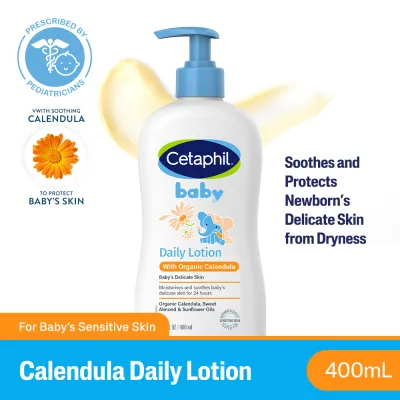
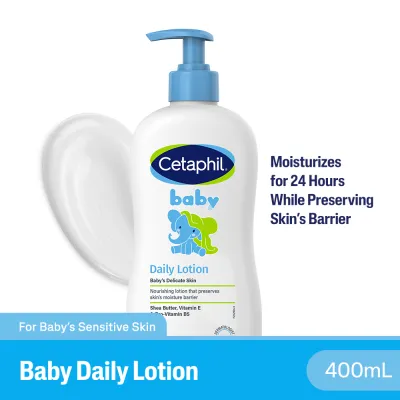
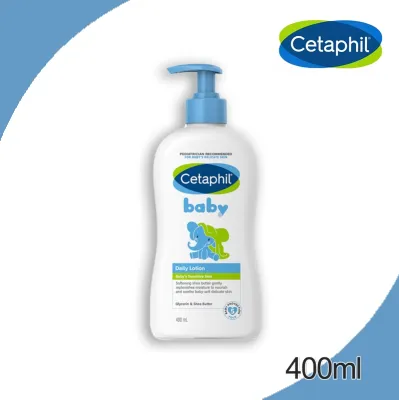
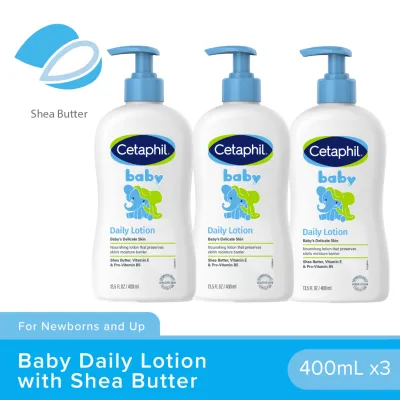
Cetaphil Baby Lotion is widely recognized as a staple in daily infant skincare, formulated specifically to support the delicate nature of a baby’s developing skin barrier. According to standard manufacturer guidelines, this lotion is designed to be hypoallergenic and free from common skin irritants, making it a reliable option for daily maintenance. The formulation typically emphasizes gentle hydration, often incorporating soothing ingredients like organic calendula extract, sunflower seed oil, and sweet almond oil to nourish the skin without causing irritation.

One of the most notable characteristics of Cetaphil Baby Lotion is its texture and absorption rate. It is formulated as a lightweight, fluid lotion that spreads easily across the skin. This quick-absorbing nature is particularly beneficial for parents living in warm, humid climates, as it delivers necessary hydration without leaving a greasy, heavy, or sticky residue. The user experience is generally straightforward: the lotion glides on smoothly, absorbs within minutes, and leaves the skin feeling soft and supple, allowing you to dress your baby shortly after application without worrying about the fabric sticking to their skin.
For optimal results, manufacturers generally recommend applying the lotion daily to the baby’s entire body, including the face, torso, arms, and legs. It is best applied immediately after bath time when the skin is still slightly damp, as this helps lock in moisture. While Cetaphil Baby Lotion is formulated to be gentle enough for newborns, parents should always check the specific product packaging for age guidelines, usage instructions, and any manufacturer warnings. Always perform a patch test on a small area of your baby’s arm or leg before full-body application to verify that their skin tolerates the formula well.
Comparing Cetaphil Baby Lotion with Other Market Alternatives
When deciding between Cetaphil Baby Lotion and other popular alternatives available in the Philippines, it helps to compare them across three primary decision-making dimensions: ingredient focus, texture, and packaging.
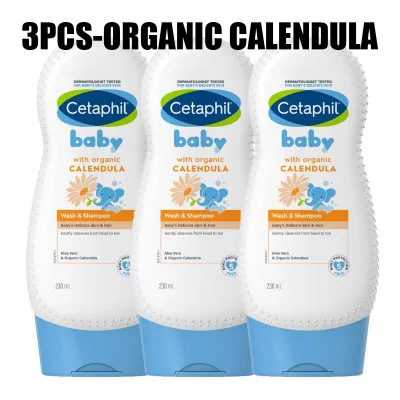
The first dimension is the ingredient focus. Cetaphil and similar dermatologically tested brands typically focus on hypoallergenic, clinically evaluated formulas that minimize the risk of allergic reactions. These products often combine mild, synthetic moisturizing agents with selected botanical extracts to achieve a stable, long-lasting hydrating effect. On the other hand, many parents prefer purely plant-based or organic alternatives. These natural options often highlight ingredients like virgin coconut oil, aloe vera, or shea butter, avoiding synthetic preservatives entirely. While plant-based lotions can be highly nourishing, they may contain natural essential oils or botanical extracts that can occasionally trigger reactions in highly sensitive or allergy-prone infants.
The second dimension is texture and consistency. Cetaphil Baby Lotion offers a lightweight, fluid consistency that is ideal for daily, full-body hydration in warm weather. However, if your baby suffers from localized, severe dryness or eczema, a lightweight lotion may not provide sufficient protection. In these scenarios, thick creams, balms, or ointments are often more effective. These heavier alternatives contain a higher oil-to-water ratio, creating a physical barrier on the skin that prevents transepidermal water loss. While too heavy for full-body use in hot, humid weather, these thick ointments are excellent for targeted application on dry elbows, knees, or cheeks, especially before bedtime in an air-conditioned room.
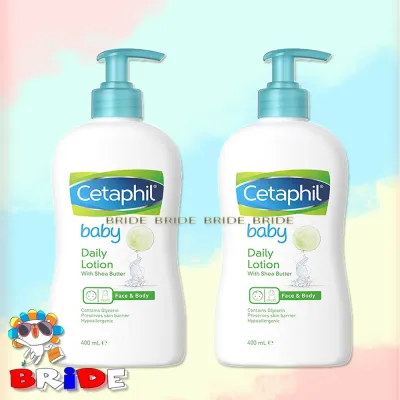
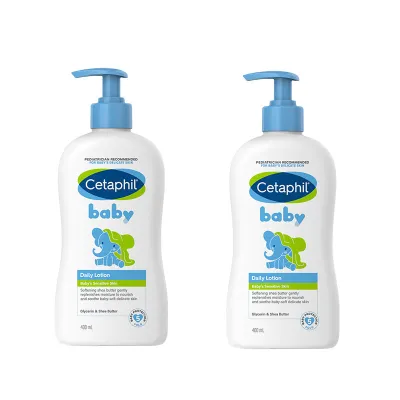
The third dimension is packaging and dispensing. Cetaphil Baby Lotion is commonly available in convenient pump bottles, which are highly favored by parents for their hygienic and practical design. A pump dispenser allows you to easily access the product with one hand while keeping your other hand safely on your baby during diaper changes or after baths. In contrast, many alternative lotions come in squeeze tubes or jars. Squeeze tubes are highly portable and convenient for travel or diaper bags, as they are less likely to leak under pressure. Jars are typically reserved for thicker creams and ointments, allowing you to scoop out the exact amount needed, though they require careful handling to maintain hygiene.
What to Check on Baby Lotion Labels Before Buying
With a vast array of baby products available both in physical retail stores and on online marketplaces, parents must become diligent label readers. Verifying the safety, authenticity, and suitability of a lotion before purchase is the best way to protect your baby’s skin and ensure you are getting a genuine product.
First, carefully examine the ingredient list for potential irritants. Even products labeled “gentle” or “natural” can contain ingredients that may not suit sensitive infant skin. Look out for added synthetic fragrances, which are among the most common triggers for contact allergies and skin irritation in babies. Other ingredients to watch for include parabens, phthalates, formaldehyde-releasing preservatives, and high concentrations of essential oils like lavender or tea tree oil, which can be sensitizing for very young infants. If your baby has highly reactive skin, prioritizing fragrance-free formulas over scented ones is a safer approach.
Second, when shopping on e-commerce platforms or local retail shops, always verify product authenticity and quality. Check for clear expiration dates, intact safety seals, and batch codes printed on the packaging. Counterfeit skincare products are a real concern on online marketplaces; to avoid them, purchase exclusively from official brand flagship stores or authorized distributors. Read customer reviews, pay close attention to the seller’s rating, and inspect the packaging photos provided by other buyers to ensure the product matches the official manufacturer’s design.
Third, compare current prices in ₱ across official channels to ensure you are paying a fair price without compromising on quality. While it may be tempting to purchase heavily discounted bottles from unauthorized third-party sellers, the risk of receiving expired, diluted, or counterfeit lotion is high. Genuine Cetaphil Baby Lotion and reputable alternatives maintain consistent pricing across official pharmacies and supermarket chains. Investing in authentic products from trusted sources guarantees that the formulation matches the manufacturer’s safety standards.
Decision Framework: Choosing the Right Lotion for Your Baby
To finalize your choice, consider this practical decision framework based on your baby’s specific skin profile, your lifestyle, and your formulation preferences:
- Choose Cetaphil Baby Lotion if: Your baby has normal to mildly sensitive skin, and you are looking for a lightweight, quick-absorbing daily moisturizer. It is an excellent choice for full-body application after daily baths, especially in the warm, humid climate of the Philippines, where heavy creams might feel uncomfortable or cause sweat-related rashes.
- Choose alternative thick creams or ointments if: Your baby has localized patches of extreme dryness, rough skin, or mild eczema. These thicker formulations provide a robust moisture barrier that locks in hydration for longer periods, making them ideal for overnight use in air-conditioned bedrooms or for targeted application on dry joints.
- Choose plant-based alternatives if: You prioritize naturally derived, organic ingredients and your baby has no history of botanical allergies. These options are great for families seeking minimal synthetic additives, provided you perform a patch test first to rule out any sensitivity to natural plant extracts.
- Verify with a pediatrician first if: Your baby has active rashes, broken skin, oozing, severe redness, or suspected contact allergies. Never apply a new lotion over compromised skin without professional medical advice, as this can trap bacteria or exacerbate the underlying condition.
Frequently Asked Questions (FAQ)
Can I use adult lotion on my baby in an emergency?
It is highly discouraged to use adult lotions on infant skin, even in an emergency. Adult formulations frequently contain active ingredients such as retinoids, exfoliating acids (like salicylic or glycolic acid), strong synthetic fragrances, and heavy preservatives that are entirely unsuitable for a baby’s thin, delicate skin barrier. These ingredients can easily penetrate infant skin, leading to severe chemical irritation, redness, or allergic reactions. If baby lotion is temporarily unavailable, a safe and effective alternative is to apply a thin layer of plain, 100% pure white petroleum jelly. This simple, single-ingredient ointment is highly tolerable, fragrance-free, and effectively locks in moisture without introducing harmful chemicals to your baby’s skin.
How often should I apply lotion to my baby's skin?
As a general rule, you should apply lotion to your baby’s skin at least once a day, ideally immediately after their daily bath. Applying moisturizer within three minutes of patting your baby dry helps trap the residual moisture on the skin’s surface, maximizing hydration. However, you should adjust this frequency based on observable skin dryness and environmental factors. If your baby spends significant time in air-conditioned rooms, or if you notice rough, dry patches developing on their limbs, you may need to apply a lightweight lotion or a targeted cream two to three times a day. Always monitor how your baby’s skin responds and adjust the routine to keep their skin comfortably hydrated.

Community discussion
Share your experience or ask a question. Comments are reviewed before publication.