
Quick Answer: Is CeraVe Lotion Safe for Babies?
Certain CeraVe lotions can be safe for babies, but safety is highly conditional. Parents must distinguish between the brand’s standard adult formulations and its dedicated baby-specific product line. Infant skin is significantly thinner, more delicate, and more susceptible to absorbing topical ingredients than adult skin.
Therefore, parents must carefully read the manufacturer’s packaging for specific age recommendations, usage warnings, and directions. Before introducing any new skincare product to a newborn or an infant with pre-existing skin conditions, always consult a qualified pediatrician to ensure it is appropriate for your child’s unique skin needs.
Identifying the Right CeraVe Product Line for Your Baby
To keep your baby’s skin safe, you must be able to distinguish between the brand’s adult products and those specifically designed for infants. The adult skincare aisle contains many lotions and creams that, while excellent for mature skin, are not appropriate for babies. Adult formulations often contain higher concentrations of active ingredients, specific preservatives, or texture enhancers that can easily penetrate and irritate a baby’s developing skin barrier.
Products mentioned in this guide
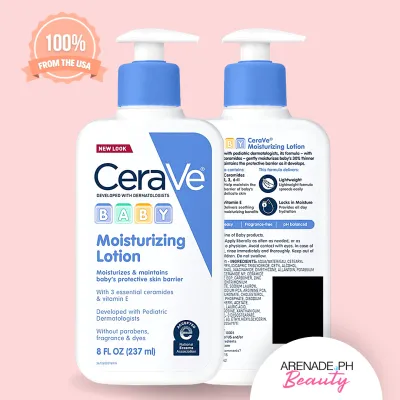
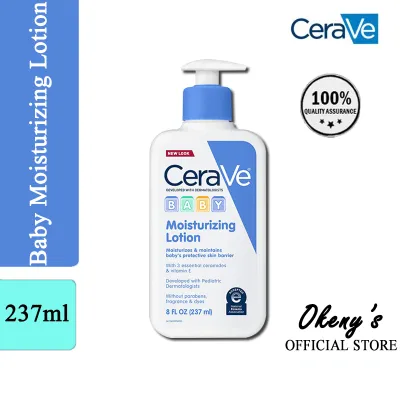
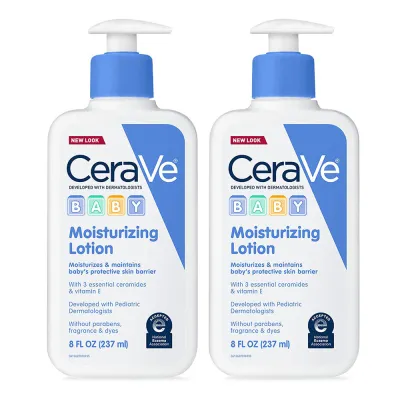
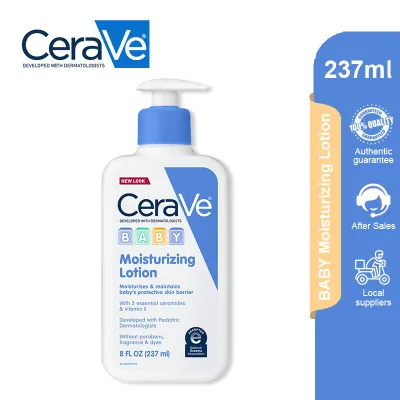
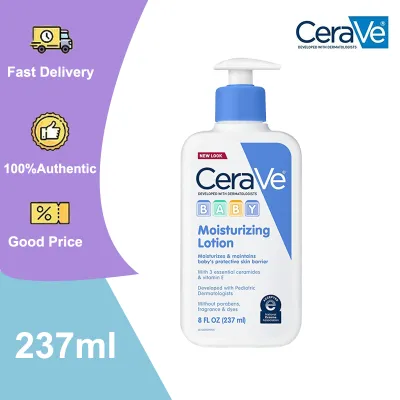
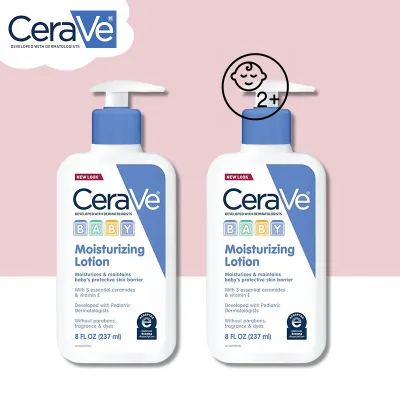
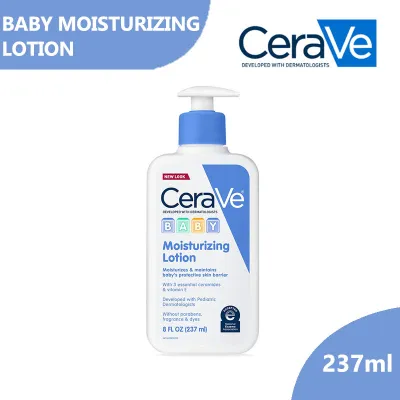
Prices are valid at publication and may change. Please refer to the product page for the latest price.

When shopping, look closely at the product packaging. The dedicated baby line is clearly distinguished by its labeling, which prominently features the word “Baby” on the front of the bottle or box. The packaging design also typically uses distinct pastel color schemes, such as light blue, pink, or purple accents, to set it apart from the standard blue and white adult bottles.
In tropical climates like the Philippines, choosing the right formulation is especially critical. The combination of high heat and humidity means babies sweat frequently, making them prone to heat rash and clogged pores. Heavy, occlusive adult creams can trap sweat and bacteria against the skin. In contrast, baby-specific lotions are formulated to provide lightweight, breathable hydration that supports the skin barrier without causing congestion.
Before making a purchase, always locate and verify the specific age suitability printed on the product label. Some baby lotions are formulated for use from birth, while others may carry warnings indicating they are intended for infants over a certain age, such as three months or older. Never assume a product is safe for a newborn simply because it is in the baby section; always let the manufacturer’s official age guidelines dictate your choice.
Checking the Ingredient List: What Parents Should Look For
Relying on brand reputation alone is not enough when it comes to infant skincare. Parents should develop the habit of reading the ingredient list on every product before it touches their baby’s skin. This practice allows you to make informed decisions based on concrete facts rather than marketing claims.
When evaluating a lotion, look for a clean, minimalist ingredient list. Infant skin does not require complex formulations. Here is a checklist of common ingredients and additives that parents should generally avoid in baby skincare products:
- Synthetic Fragrances: Added perfumes are among the leading causes of skin sensitization and allergic contact dermatitis in infants.
- Essential Oils: While natural, essential oils can be highly potent and irritating to delicate baby skin.
- Harsh Preservatives: Certain preservatives used to extend shelf life in adult products can be too harsh for a baby's sensitive system.
- Drying Alcohols: Simple alcohols can strip away natural lipids, leaving the baby's skin dry and vulnerable to environmental irritants.
To find the ingredient list, look at the back of the physical bottle or the outer cardboard packaging. If you are purchasing the product from an online marketplace or authorized retailer, cross-reference the ingredients listed on the seller’s page with the brand’s official website. Online product descriptions can sometimes be outdated or contain errors, so verifying with official manufacturer channels is always the safest approach.
It is also important to understand that general marketing terms like “hypoallergenic,” “gentle,” or “dermatologist-tested” are not absolute guarantees of safety. These terms indicate that the product has been formulated to minimize the risk of allergic reactions, but they do not account for your baby’s individual sensitivities. If your baby has a known allergy or highly sensitive skin, you must manually check the ingredient list to ensure those specific triggers are completely absent.
How to Safely Introduce CeraVe Lotion to Your Baby's Skin
Even when you have selected a baby-specific lotion with a clean ingredient list, you should never apply it to your baby’s entire body right away. Introducing any new skincare product requires a cautious, step-by-step approach to ensure your baby does not experience an adverse reaction.
The most reliable way to test a new lotion is by performing a simple patch test. This controlled application helps you identify potential sensitivities before they cause widespread discomfort. Follow these steps to conduct a safe patch test:
- Select a Test Area: Choose a small, clean, and discreet area of your baby's skin, such as the inside of the forearm or the upper thigh.
- Apply a Small Amount: Gently pat a tiny, pea-sized amount of the lotion onto the selected spot. Do not rub it in aggressively.
- Observe Closely: Leave the lotion on the skin and monitor the area for a full 24 hours. During this observation period, do not apply any other soaps, oils, or creams to this specific spot.
- Check for Reactions: Inspect the test area under good lighting. Look for any signs of redness, swelling, tiny bumps, dry patches, or warmth to the touch.
If the skin remains completely clear and normal after 24 hours, you can begin applying the lotion more broadly. For the best results, apply the lotion immediately after your baby’s bath. Gently pat the baby’s skin with a soft cotton towel, leaving it slightly damp. Applying lotion to damp skin helps lock in moisture, which is particularly beneficial in air-conditioned rooms that can quickly strip moisture from infant skin. Use gentle, sweeping downward motions to apply the lotion, avoiding vigorous rubbing that can cause friction and irritation.
Warning Signs: When to Stop Use and Seek Medical Advice
As a parent, being able to recognize the early signs of a skin reaction is crucial for keeping your baby comfortable and safe. Infant skin can react quickly to unsuitable products, and prompt action can prevent a minor irritation from turning into a severe issue.
Monitor your baby’s skin closely after applying any lotion. Stop using the product immediately if you observe any of the following warning signs:
- Localized Redness: Sudden red patches or flushing in the areas where the lotion was applied.
- Hives or Bumps: Raised, itchy red welts or clusters of tiny bumps on the skin.
- Excessive Dryness or Flaking: Skin that suddenly becomes rough, scaly, or starts peeling.
- Physical Discomfort: Your baby scratching at their skin, rubbing their limbs together, or becoming unusually fussy and irritable after application.
If you notice any of these signs, take immediate, low-risk steps to soothe your baby’s skin. Gently wash the product off the affected area using lukewarm water and a clean, soft washcloth. Avoid using any soaps or body washes during this rinse, as they can further irritate the compromised skin barrier. Do not apply other creams, home remedies, or oils to the irritated area, as these can trap heat or introduce new irritants.
If the redness does not fade within a few hours, if the skin develops blisters, oozing, or painful cracks, or if your baby shows any signs of a systemic allergic reaction (such as swelling of the face, lips, or tongue, or difficulty breathing), seek professional medical help immediately. Always consult a pediatrician or a pediatric dermatologist for an accurate diagnosis and a safe, medically supervised treatment plan.
Frequently Asked Questions (FAQ)
Can I use regular CeraVe Daily Moisturizing Lotion on my newborn?
Newborn skin is incredibly delicate, thin, and highly permeable compared to the skin of older infants and adults. Regular adult CeraVe Daily Moisturizing Lotion is formulated for mature skin barriers and may contain ingredients or concentration levels that are not recommended for newborns. Parents should strictly look for products that are explicitly labeled by the manufacturer for newborn use. Always consult your pediatrician before applying any non-baby-specific moisturizers to an infant under one month old to ensure their safety.
Does CeraVe Baby lotion help with eczema?
While some baby lotions are designed to support dry or sensitive skin, parents must look for specific indicators on the packaging to verify suitability for eczema-prone skin. Look for official eczema association seals or explicit statements from the manufacturer on the product label. Because eczema is a medical condition that requires careful management, do not rely solely on over-the-counter moisturizers. Always consult a pediatrician or pediatric dermatologist for a proper diagnosis and a tailored, medically sound treatment plan.

Community discussion
Share your experience or ask a question. Comments are reviewed before publication.