
Quick Answer: Is CeraVe Baby Lotion Safe for Newborns?
CeraVe Baby Lotion is generally formulated to be a gentle, fragrance-free, and non-greasy moisturizer, making it a frequent recommendation by pediatricians for daily infant skincare. However, whether any skincare product is entirely safe for a newborn depends heavily on individual skin sensitivity and the current state of their developing skin barrier. Newborn skin is exceptionally delicate and highly permeable, meaning it can react uniquely to topical formulas.
While the manufacturer designs this lotion to minimize irritation, parents must recognize that no single product is guaranteed to be universally reaction-free. Before applying this or any new moisturizer to a newborn, you should always inspect the physical packaging to verify the current ingredient list, as formulations can change over time. If your baby has active eczema, broken skin, or any pre-existing dermatological condition, consult a pediatrician or pediatric dermatologist before introducing the product into their daily care routine.
Key Ingredients in CeraVe Baby Lotion Explained
Understanding the specific components of your baby’s skincare products allows you to make informed decisions about what goes onto their skin. CeraVe Baby Lotion relies on a combination of barrier-supporting lipids, humectants, and mild protectants to maintain skin hydration. Because manufacturer formulations can vary by region or undergo updates, always verify the exact ingredient list printed on the bottle you purchase.
Products mentioned in this guide
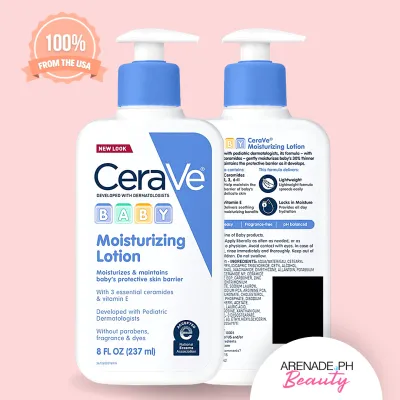
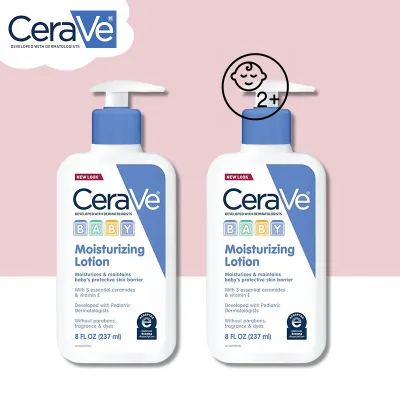
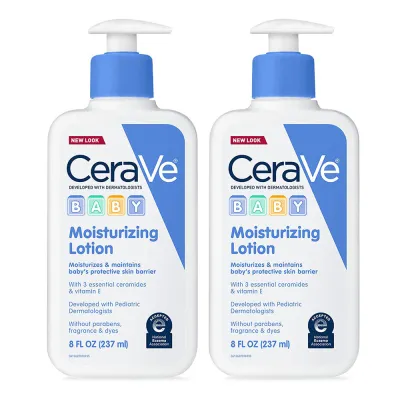
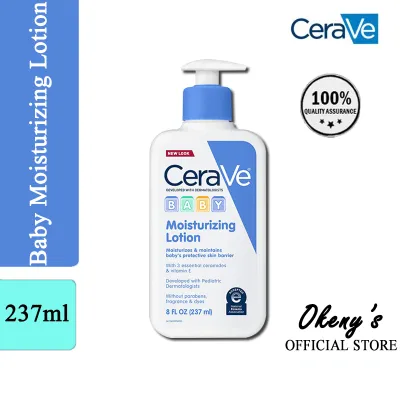
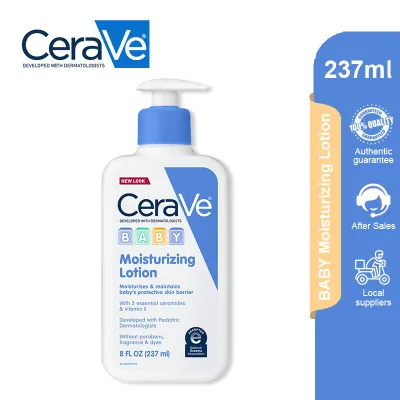
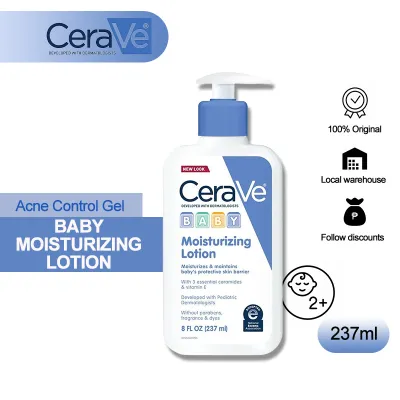
Prices are valid at publication and may change. Please refer to the product page for the latest price.

Ceramides (1, 3, 6-II)
Ceramides are naturally occurring lipids, or fat molecules, that constitute a major portion of the skin’s outermost layer, the stratum corneum. They act essentially as the mortar between cellular bricks, holding skin cells together to form a cohesive, protective barrier. This barrier is responsible for keeping essential moisture locked inside while blocking external irritants, allergens, and environmental pollutants from entering the deeper layers of the skin.
In newborns, the skin barrier is still maturing and does not yet produce or organize lipids as efficiently as adult skin. This developmental gap often leads to rapid moisture loss and a higher susceptibility to dryness and irritation. By topically applying a lotion containing ceramides 1, 3, and 6-II, you help supplement these vital lipids, supporting the natural maturation of the baby’s skin barrier and helping to maintain a smooth, hydrated surface.
Hyaluronic Acid and Glycerin
To keep skin hydrated, a moisturizer needs humectants—ingredients that actively draw water into the outer layers of the skin. Hyaluronic acid is a powerful, naturally occurring substance in the human body known for its exceptional capacity to bind to water molecules. When applied topically, it pulls moisture from the ambient air or from deeper dermal layers into the stratum corneum, helping to keep the skin plump and hydrated.
Glycerin is another time-tested, highly reliable humectant widely utilized in infant skincare due to its excellent tolerability. It works in tandem with hyaluronic acid to establish a continuous reservoir of moisture on the skin’s surface. Because glycerin is exceptionally gentle and rarely triggers sensitivity, it serves as a foundational hydrating ingredient that supports delicate skin without causing warmth or irritation.
Dimethicone and Emollients
While humectants draw water into the skin, emollients and occlusives are necessary to prevent that water from evaporating into the air. Dimethicone is a silicone-based skin protectant that performs this function by forming a thin, breathable, and invisible barrier over the skin surface. This protective layer significantly reduces transepidermal water loss (TEWL) without clogging pores or leaving a heavy, suffocating film.
In tropical, high-humidity environments like the Philippines, heavy, greasy creams can trap sweat and lead to discomfort or heat rash. Dimethicone and lightweight emollients provide a practical solution by offering robust barrier protection while maintaining a light, fast-absorbing texture. This ensures the baby’s skin remains protected against friction and dryness without feeling sticky or weighed down during warm days.
What Is Excluded: Fragrances, Parabens, and Dyes
What a baby lotion leaves out of its formula is often just as important as what it includes. Pediatric dermatologists consistently advise parents to avoid products containing added fragrances, parabens, and synthetic dyes for newborn care. Fragrances, whether synthetic or derived from natural essential oils, are among the most common triggers for allergic contact dermatitis and localized skin sensitization in infants.
Parabens, which are traditional chemical preservatives, and artificial dyes, used solely for aesthetic appeal, carry an unnecessary risk of irritating thin newborn skin. By excluding these potential irritants, the formulation minimizes the chemical load placed on your baby’s developing system. A minimalist, fragrance-free ingredient list significantly lowers the probability of adverse reactions, making it a much safer starting point for daily infant care.
Safety Assessment: Newborn Skin and Potential Risks
To evaluate the safety of any topical product, it is essential to understand the unique physiology of newborn skin. From birth up to approximately three months of age, an infant’s skin is roughly 30% thinner than adult skin. It is highly permeable, meaning topically applied substances are absorbed more rapidly and deeply into the body, and it loses moisture at a significantly higher rate than mature skin.
Because of this high permeability, the term “hypoallergenic” printed on product labels should not be interpreted as a absolute guarantee against allergic reactions. Hypoallergenic simply indicates that the product has been formulated with ingredients that statistically cause fewer allergic responses. Every infant possesses a unique biological makeup, and even highly purified, clinically tested ingredients can occasionally trigger contact dermatitis or mild localized redness in sensitive individuals.
When evaluating a lotion’s safety profile, look for independent, reputable certifications directly on the product packaging, such as a seal of acceptance from recognized eczema associations. Rather than relying solely on broad marketing claims, these physical seals verify that the formulation has undergone independent review for sensitivity. Always check the physical bottle for these marks to confirm the product’s standards before use.
Furthermore, parents must observe strict application boundaries to prevent systemic absorption or localized infections. Never apply baby lotion to broken skin, open wounds, weeping rashes, or the umbilical cord stump area. The umbilical cord stump must remain completely dry and free of any topical creams, oils, or lotions until it has naturally detached and the underlying skin has fully healed. Applying moisturizing products to these areas can trap moisture, delay healing, or introduce unwanted bacteria.
How to Safely Introduce the Lotion to Your Baby
When introducing any new skincare product to a newborn, adopting a cautious, systematic approach helps minimize the risk of widespread skin irritation. By following a structured introduction protocol, you can safely monitor how your baby’s skin reacts before committing to full-body application.
The Patch Test Protocol
Before applying the lotion over large areas of your baby’s body, perform a localized patch test to rule out immediate sensitivities. Select a small, discrete patch of healthy, clear skin, such as the baby’s inner forearm or the area just behind the ear. Apply a tiny, pea-sized amount of the lotion to this spot and gently smooth it in.
Monitor this specific area closely over the next 24 to 48 hours, keeping it clean and dry. Watch carefully for any visible or tactile signs of irritation, which may include:
- Localized redness or pink patches
- Tiny raised bumps or a rough texture
- Swelling or puffiness
- Skin that feels unusually warm to the touch
If you observe any of these reactions, wash the area immediately with lukewarm water, discontinue use of the product, and consult your pediatrician. If the test area remains completely clear, smooth, and normal in appearance after 48 hours, you can proceed with using the lotion on other parts of your baby’s body.
Best Practices for Application
To maximize the hydrating benefits of the lotion while preserving skin health, apply it within three minutes after a lukewarm bath. Bathing temporarily hydrates the outer layers of the skin, and applying a ceramide-rich lotion immediately afterward helps trap that moisture before it can evaporate into the air.
When applying the lotion, use gentle, smooth, sweeping strokes with your palms rather than vigorous rubbing. Vigorous friction can easily abrade and irritate a newborn’s delicate epidermis. Apply only a thin, even layer of the product. In warm, humid climates, applying a thick, heavy coat of lotion is unnecessary and can inadvertently trap sweat against the skin, leading to heat rash or clogged pores.
When to Stop and Consult a Pediatrician
Parents must be able to distinguish between mild, temporary dryness and serious skin issues that require professional medical evaluation. Immediately stop using the lotion and contact your pediatrician or a qualified healthcare provider if you notice any of the following warning signs:
- A rash that worsens rapidly or spreads across the body
- Oozing, blistering, or open sores on the skin
- Severe, persistent redness or skin that feels hot and swollen
- Signs of discomfort, such as constant scratching or extreme fussiness during or after application
- Any systemic symptoms, such as a fever or lethargy
Daily moisturizing lotions are designed strictly for skin maintenance and barrier support. They are not formulated to treat active skin infections, severe allergic reactions, or moderate-to-severe eczema flare-ups, all of which require targeted medical interventions prescribed by a professional.
Comparing CeraVe to Other Common Baby Lotion Bases
Choosing the right baby lotion often comes down to matching the formulation base with your baby’s specific skin needs. Different active bases serve distinct purposes, from daily moisture retention to soothing active itchiness. Below is a comparison of common baby lotion bases to help you decide which is most appropriate:
- Ceramide-Based (e.g., CeraVe): These formulas focus primarily on skin barrier repair and long-term hydration by replenishing the skin's natural lipid structure. They are typically lightweight, fast-absorbing, and leave a non-greasy finish. This makes them highly suitable for daily barrier maintenance and dry skin, especially in warm or humid climates where heavy creams feel uncomfortable.
- Colloidal Oatmeal-Based (e.g., Aveeno): These formulations excel at soothing active skin irritation, minor itching, and localized inflammation. Colloidal oatmeal forms a protective, comforting barrier over compromised skin, making these lotions slightly thicker. They are best suited for babies experiencing mild eczema flare-ups, dry patches, or itchy, irritated skin.
- Plant-Oil or Butter-Based (e.g., Mustela, Shea Moisture): These products utilize rich natural lipids, such as sunflower seed oil, shea butter, or coconut oil, to provide deep occlusion and intense nourishment. They are typically richer, heavier, and can leave a slightly greasy residue. This profile makes them ideal for exceptionally dry skin types or for use during gentle baby massage sessions.
Because manufacturers frequently update their formulations, always read the specific ingredient list on the physical bottle you intend to buy to ensure it aligns with your baby’s skin requirements and avoids any known personal triggers.
Frequently Asked Questions (FAQ)
Can I use CeraVe Baby Lotion on my newborn's face?
Yes, CeraVe Baby Lotion is generally gentle enough for facial application, but you must take specific precautions. Avoid applying the lotion close to the immediate eye area and the mouth to prevent accidental contact or ingestion. Because newborn facial skin is highly sensitive and prone to temporary conditions like milia (tiny white keratin bumps) or baby acne, apply only an extremely thin, light layer. If your baby has highly reactive facial skin, consult your pediatrician or check if the manufacturer offers a specialized, ultra-light facial formulation.
Does CeraVe Baby Lotion help with baby acne or cradle cap?
No, CeraVe Baby Lotion is designed strictly for routine skin hydration and barrier maintenance; it is not a treatment for baby acne or cradle cap. Baby acne is a common, self-limiting condition influenced by maternal hormones, and applying heavy moisturizing lotions can clog pores and potentially worsen the breakouts. Cradle cap (seborrheic dermatitis) is characterized by oily, yellowish scales on the scalp caused by excess sebum and yeast, which typically requires targeted treatments such as gentle brushing, specialized baby oils, or medicated shampoos. If your newborn develops these conditions, consult a pediatrician for a proper diagnosis and an appropriate treatment plan.

Community discussion
Share your experience or ask a question. Comments are reviewed before publication.