
Daily nutritional choices directly impact a child’s growth, development, and long-term well-being. When looking for convenient ways to support their children’s immune systems, parents in the Philippines often consider dietary supplements like ceelin gummies with zinc, especially during seasonal shifts when common coughs and colds are highly prevalent. While daily zinc supplementation can be safe, its safety is strictly conditional. It depends entirely on adhering to recommended, age-specific limits and verifying that your child has a genuine nutritional need that is not already met by their daily diet.
Zinc is an essential trace mineral that plays a vital role in cellular metabolism, immune function, and wound healing, but the human body only requires it in small, precise amounts. There is a clear distinction between obtaining zinc naturally through a balanced diet and administering it via concentrated supplemental gummies. Whole foods rarely lead to mineral toxicity because the body regulates absorption naturally. In contrast, supplemental gummies deliver concentrated doses of elemental zinc directly to the child’s digestive system.
It is critical to understand that the safety of daily supplementation hinges on not exceeding the Tolerable Upper Intake Level (UL) designated for your child’s specific age bracket. The UL represents the maximum daily intake of a nutrient that is highly unlikely to cause adverse health side effects. Consistently exceeding this threshold can lead to chronic toxicity and systemic health complications.
Products mentioned in this guide


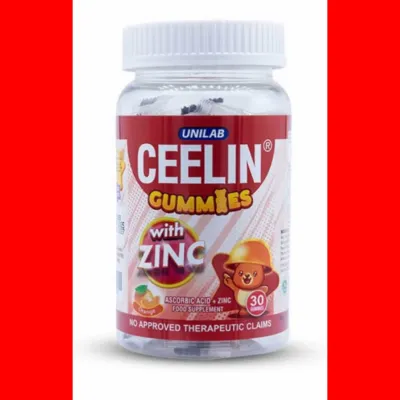

![[Family Ready Pack] Enervon Fizz + Ceelin Gummies with Zinc 30s](https://img.lazcdn.com/g/p/816dbcf8836a52a43b285a616156241d.jpg_400x400q80.jpg_.webp)

Prices are valid at publication and may change. Please refer to the product page for the latest price.
Furthermore, parents must treat gummy supplements as dietary products, not confectionery. Because these supplements are formulated with appealing flavors, bright colors, and chewy textures, children easily mistake them for candy, which significantly increases the risk of accidental overconsumption. Consequently, daily administration requires strict dosage tracking, active caregiver supervision, and secure storage. Always consult a pediatrician before initiating any daily supplement routine to ensure it is medically necessary and safe for your child’s unique health profile.
Daily Zinc Requirements and Safe Dosage Limits for Children
A child’s daily zinc requirement is not a static number; it scales dynamically based on their exact age, weight, and developmental stage. Infants, toddlers, and school-aged children all have distinct nutritional thresholds and safety limits. To navigate this safely, you must learn to read and interpret the supplement facts printed on the packaging of ceelin gummies with zinc.
When examining the product label, identify the exact milligrams (mg) of elemental zinc provided per serving. It is important to note whether a single serving constitutes one gummy or multiple gummies. Calculating the precise amount of zinc per individual piece prevents accidental over-supplementation and ensures you remain within safe daily parameters.
Before introducing a daily supplement, evaluate your child’s current dietary intake to determine if they already receive adequate zinc from their meals. Zinc is naturally abundant in a variety of foods. In typical Filipino households, excellent dietary sources include lean meats, poultry, fish, eggs, dairy products, legumes (such as mung beans or monggo), and fortified cereals. If your child regularly consumes a varied diet containing these foods, they may already meet their daily zinc requirements naturally, making daily supplementation unnecessary.
Parents must actively guard against the “more is better” fallacy. While zinc is crucial for immune health, giving your child more than the recommended daily allowance does not accelerate healing, boost immunity faster, or offer extra protection against infections. Instead, chronic excess intake strains the body’s metabolic pathways and can lead to adverse nutritional imbalances.
To make an informed decision, keep a detailed three-day food diary of everything your child eats and drinks. Present this log, along with the specific packaging of the zinc gummies you intend to use, to your pediatrician. They can calculate your child’s total daily intake, cross-reference it with local nutritional guidelines, and determine if a daily supplement is truly necessary.
Potential Side Effects and Risks of Daily Zinc Supplementation
While zinc is a vital nutrient, administering it daily in concentrated, supplemental forms carries distinct physiological risks. These concerns are divided into zinc-specific metabolic side effects and physical risks inherent to the gummy delivery format itself.

Zinc-Specific Risks
Short-term side effects of zinc supplementation typically manifest within the gastrointestinal tract. When children take zinc supplements on an empty stomach, they frequently experience acute nausea, abdominal cramps, mild diarrhea, or vomiting. Some children may also complain of a persistent, metallic taste in their mouth, which can temporarily suppress their appetite for regular, nutrient-dense meals.
In contrast, the long-term consequences of excessive daily zinc intake are more subtle but highly significant. Zinc shares absorption pathways in the small intestine with other crucial minerals, specifically copper and iron. When a child’s digestive system is flooded with high levels of zinc over weeks or months, it stimulates the production of a protein called metallothionein in the intestinal cells. This protein binds to copper, preventing its absorption and leading to systemic copper deficiency. Because copper is vital for iron metabolism and red blood cell formation, chronic zinc over-supplementation can eventually trigger microcytic anemia, characterized by persistent fatigue, weakness, and compromised immune health.
Gummy-Specific Risks
The physical format of a gummy introduces additional health considerations. Gummy supplements rely on sugars, glucose syrups, or artificial sweeteners to mask the natural, metallic taste of zinc. When children chew these sticky treats daily, the sugary residue adheres tightly to the grooves and crevices of their teeth. In the warm, humid climate of the Philippines, oral bacteria thrive on these residual sugars, significantly increasing the risk of dental caries and plaque buildup. If you choose to give your child gummy vitamins, it is essential to establish a strict brushing routine immediately afterward to protect their dental enamel.
Furthermore, gummies present a real physical choking hazard. Younger children, particularly those under the age of four, often lack the fully developed chewing and swallowing coordination required to break down dense, gelatinous gummies safely. A child who gulps or swallows a gummy whole risks airway obstruction. Caregivers must carefully assess their child’s developmental readiness before offering any gummy-based supplement.
Key Precautions Before Giving Ceelin Zinc Gummies
To ensure your child’s safety, you should follow a systematic checklist before introducing ceelin gummies with zinc into their daily routine. Taking these proactive steps minimizes the risk of accidental misuse or adverse reactions.
Age and Development Verification
Never assume a supplement is suitable for your child based solely on the brand name or attractive packaging. You must check the manufacturer’s packaging to verify the minimum age recommendation. Many gummy supplements are formulated specifically for children aged four and older. Giving these products to infants or toddlers who do not meet the age or weight criteria can lead to accidental overdosing or choking. If the packaging does not clearly state a safe age range, do not administer the product without direct professional guidance.
Storage and Child-Proofing
The appealing taste, bright colors, and candy-like texture of zinc gummies make them highly attractive to children. To prevent accidental overconsumption, store the supplement bottle completely out of your child’s sight and reach, preferably in a locked cabinet or a high shelf. Do not rely solely on child-resistant caps, as determined children can sometimes open them. Additionally, the high humidity in tropical regions can cause gummy supplements to melt, stick together, or degrade if stored improperly. Keep the container tightly sealed and store it in a cool, dry place away from direct sunlight, strictly following the storage temperature guidelines on the label.
Label Cross-Checking
Carefully read the entire ingredient list on the product label. Check for potential allergens, such as soy, gluten, or specific food dyes that might trigger sensitivities in your child. Additionally, note the gelling agent used; some products utilize animal-derived gelatin, while others use plant-based pectin. If your family follows specific dietary, cultural, or religious practices, verifying these ingredients is essential to ensure the product aligns with your household standards.
Routine Integration
To minimize the likelihood of stomach irritation, establish a consistent routine of administering the gummy alongside or immediately after a substantial meal. Giving the supplement on a full stomach buffers the gastric lining and helps prevent the nausea or cramping associated with zinc absorption. Furthermore, never leave a child unattended while they are consuming a gummy. Supervise the entire process to ensure they chew the gummy completely before swallowing.
When to Stop Use and Consult a Pediatrician
Monitoring your child’s physical response to a new daily supplement is a critical responsibility. Parents must be able to recognize the subtle and overt signs that indicate the supplement should be stopped immediately.
Discontinue the use of zinc gummies and seek professional medical advice if your child exhibits persistent signs of digestive distress, such as recurring vomiting, severe abdominal pain, chronic diarrhea, or unexplained loss of appetite. Similarly, if your child develops unusual lethargy, pale skin, or frequent infections, these could be indicators of mineral imbalances or adverse systemic reactions that require a comprehensive medical evaluation.
It is also crucial to stop daily supplementation and consult your pediatrician if your child is prescribed any new medications. Zinc can chemically interact with various pharmaceuticals. For instance, zinc can bind to certain antibiotics (such as tetracyclines and quinolones) in the digestive tract, significantly reducing the absorption and clinical effectiveness of both the antibiotic and the mineral. Informing your doctor of all active supplements prevents these dangerous interactions.
Finally, remember that daily supplementation should not be an indefinite routine. A child’s nutritional requirements shift as they grow and transition through different developmental stages. Schedule periodic reviews with your pediatrician—ideally during routine well-child checkups—to reassess whether your child still requires a daily zinc supplement or if their nutritional needs are now fully met by their standard diet.
Frequently Asked Questions (FAQ)
Can my child take Ceelin zinc gummies with other multivitamins?
You must exercise extreme caution when combining multiple dietary supplements. Many standard children’s multivitamins, syrup supplements, or immune-support formulas already contain zinc as an active ingredient. If you give your child a multivitamin alongside a specialized zinc gummy, you risk accidentally double-dosing them, which can quickly push their total daily intake past the safe Tolerable Upper Intake Level (UL). Always read the supplement facts labels of every product your child consumes, add up the total milligrams of zinc from all sources, and consult your pediatrician or a licensed pharmacist to verify that the combined dosage is safe and appropriate for your child’s age.
What should I do if my child eats too many zinc gummies at once?
If your child accesses the bottle and consumes multiple zinc gummies at once, remain calm but act immediately. Do not attempt to induce vomiting, as this can cause throat irritation or accidental aspiration. Instead, locate the product packaging immediately so you can verify the exact ingredients and the milligram dosage of zinc per gummy. Estimate as accurately as possible how many gummies your child may have eaten and note their current weight. Contact your local poison control center, emergency medical services, or your pediatrician immediately to report the incident. Having the product label on hand allows medical professionals to calculate the level of toxicity and provide precise, life-saving instructions.
Community discussion
Share your experience or ask a question. Comments are reviewed before publication.