
As a parent, ensuring your child receives the right nutrients to support their growing body and immune system is a top priority. When looking for convenient ways to supplement their diet, you might consider ceelin gummies with zinc as a kid-friendly option. While these chewable supplements are designed to be appealing and easy for children to consume, understanding their safety profile, proper usage, and potential risks is essential before introducing them to your household.
Dietary supplements should always be approached with a safety-first mindset. Because children’s bodies are still developing, they process vitamins and minerals differently than adults. This guide outlines the safety considerations, key ingredients, dosage guidelines, and essential precautions to help you make an informed decision for your child’s health.
Is Ceelin Gummies With Zinc Safe for Children?
Vitamin and mineral gummies, including ceelin gummies with zinc, are generally safe for children when they are used exactly as directed on the manufacturer’s product label and under the direct guidance of a pediatrician. These products are formulated specifically to help bridge nutritional gaps in a child’s diet. However, their safety is not an absolute guarantee; it is highly dependent on proper administration, age-appropriateness, and the child’s individual health profile.
Products mentioned in this guide
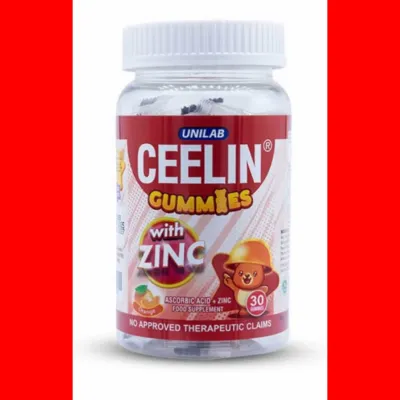




![[Family Ready Pack] Enervon Fizz + Ceelin Gummies with Zinc 30s](https://img.lazcdn.com/g/p/816dbcf8836a52a43b285a616156241d.jpg_400x400q80.jpg_.webp)

Prices are valid at publication and may change. Please refer to the product page for the latest price.
Safety is highly dependent on adhering to the correct dosage, the child’s specific age, and their overall health profile. What is perfectly safe for a school-aged child may be entirely unsuitable for a toddler whose digestive and metabolic systems are still maturing. Parents must recognize that supplements are not one-size-fits-all products and require careful, individualized consideration.
It is crucial to establish a prominent medical disclaimer: always consult a qualified healthcare professional or pediatrician before introducing any new dietary supplement to your child’s routine. A doctor can assess your child’s specific physical development, evaluate their current diet, and determine whether a supplement is genuinely necessary or if their nutritional needs are already being met through whole foods.
To maintain a safe environment, parents must treat these gummies strictly as supplements, not candy. The sweet flavors, bright colors, and chewy textures are designed to make them palatable, but they can easily lead a child to believe they are a regular treat. Allowing a child to view supplements as candy increases the risk of voluntary overconsumption, which can quickly lead to nutrient toxicity.
Key Ingredients and Their Roles in Child Health
Understanding what goes into your child’s body is key to managing their nutritional intake. The primary active ingredients in these gummies are Vitamin C and Zinc, both of which serve vital biological functions in growing children. Vitamin C is a water-soluble antioxidant that supports immune function, aids in collagen production for tissue repair, and enhances the absorption of non-heme iron from plant-based foods.

Zinc is an essential trace mineral that plays a critical role in cellular metabolism, immune response, protein synthesis, and DNA formulation. It is particularly important during periods of rapid growth, as it supports normal physical development, wound healing, and cognitive function. Because the body does not have a specialized system for storing zinc, it must be consumed regularly in small, controlled quantities.
While these micronutrients are essential for health, the body only requires them in specific, limited amounts. Consuming more than the recommended daily allowance does not provide extra health benefits or boost the immune system further. Instead, excess water-soluble vitamins like Vitamin C are excreted in urine, while excess minerals like zinc can accumulate and cause metabolic strain.
Because the body does not store certain vitamins and minerals in large quantities, understanding the concentration of these nutrients in each gummy is vital to avoid unnecessary excess. Parents should carefully check the product packaging to verify the exact milligrams of Vitamin C and Zinc per serving. This knowledge prevents accidental double-dosing if your child is already consuming other fortified foods or pediatric multivitamins.
Nutritional needs change dynamically as a child grows, making age-appropriate formulations highly important. A toddler’s daily requirement for zinc is significantly lower than that of an adolescent. Giving a younger child a dosage formulated for an older age bracket can easily push them past their tolerable upper intake level, highlighting the need for strict adherence to age-specific guidelines.
How to Determine the Right Dosage for Your Child
To determine the correct serving size, parents must carefully read the manufacturer’s label for age-specific serving sizes and daily limits. The instructions on the packaging are carefully calculated to align with pediatric nutritional standards. Never guess the dosage or alter the recommended serving size based on visual estimation or assumptions about your child’s size.
Dosage recommendations vary based on a child’s age, weight, and developmental stage. A child who is smaller or larger than average for their age bracket may require a personalized dosage plan. Discussing these physical parameters with your pediatrician ensures that the supplement supports their growth without overloading their digestive system.
Preventing accidental overconsumption requires practical storage strategies, especially since the sweet taste can tempt children to eat more than the allowed amount. Always store the bottle in a high, locked cabinet entirely out of your child’s reach and sight. Additionally, in hot and humid tropical climates like the Philippines, keeping the container in a cool, dry place prevents the gummies from melting and fusing together, which can make accurate dosing difficult.
Parents must also evaluate the child’s current diet and any other supplements they might be taking to ensure they are not doubling up on the same vitamins or minerals. Many commercial children’s foods, such as breakfast cereals, powdered milk, and juices, are heavily fortified with zinc and Vitamin C. Accidentally combining multiple fortified products with a daily gummy supplement can lead to chronic, low-grade overexposure.
In busy households where multiple caregivers—such as parents, grandparents, or domestic helpers—are involved in daily childcare, coordination is essential to prevent dosing errors. Keep a simple, dedicated log sheet on the refrigerator or use a daily pill organizer to track when the supplement is given. This visual record ensures that everyone is on the same page and eliminates the risk of a child receiving multiple doses in a single day.
Potential Side Effects and Signs of Zinc Overdose
Even when administered within safe guidelines, some children may experience mild side effects from vitamin gummies. These commonly include mild stomach upset, temporary nausea, or slight changes in bowel habits, such as looser stools or mild constipation. These symptoms are often temporary as the child’s digestive system adapts, but they should be monitored closely.
Exceeding the recommended daily limit of zinc can lead to acute or chronic zinc toxicity, which requires immediate attention. If a child consumes a large quantity of zinc-containing gummies, watch for specific, observable symptoms of zinc overdose. These include persistent nausea, severe vomiting, loss of appetite, acute stomach cramps, diarrhea, and headaches.
There are also hidden risks associated with the gummy format itself, particularly regarding dental health and digestion. Many gummies contain added sugars or corn syrups that can stick to a child’s teeth, promoting plaque formation and dental cavities if oral hygiene is neglected. Furthermore, some formulations utilize sugar alcohols (such as sorbitol or maltitol) as sweeteners, which can cause gas, bloating, and mild digestive discomfort in sensitive children.
Over time, chronic over-supplementation of zinc can lead to nutrient competition in the digestive tract. High levels of zinc interfere directly with the absorption of other essential minerals, particularly copper and iron. This interference can gradually lead to secondary deficiencies, potentially manifesting as weakened immunity or iron-deficiency anemia, which compromises the child’s overall developmental health.
Important Precautions and When to Consult a Doctor
Before purchasing any supplement, parents should thoroughly check the full ingredient list for potential allergens. Many gummy products utilize gelatin (often animal-derived), specific food dyes, artificial flavorings, or preservatives that can trigger allergic reactions or sensitivities in susceptible children. If your child has known food allergies or dietary restrictions, verify that the product is certified free of those specific compounds.
It is equally important to check for potential nutrient interactions if your child is taking prescription medications or other over-the-counter health products. For example, zinc can bind with certain antibiotics in the digestive tract, reducing the absorption and effectiveness of both the medication and the mineral. Consult a pharmacist or pediatrician to coordinate safe administration times.
Parents should establish clear “stop use” signals and monitor their child closely after introducing the supplement. Immediately discontinue use and seek medical advice if you observe the appearance of skin rashes, hives, persistent digestive issues, unusual lethargy, or unexplained behavioral changes. Trusting your observations as a caregiver is vital to catching adverse reactions early.
In the event of an accidental overdose—such as a child finding and consuming a large portion of the bottle—prompt action is necessary. Keep the product packaging handy so you can provide healthcare professionals with the exact ingredient concentrations. Immediately contact your pediatrician, visit the nearest emergency department, or call the National Poison Management and Control Center in the Philippines for immediate, professional guidance.
Ultimately, dietary supplements should never replace a balanced diet rich in whole foods. Encouraging your child to eat a diverse range of local fruits, vegetables, lean proteins, and whole grains is the most sustainable way to support their long-term development. A pediatrician can perform targeted assessments to determine if a supplement like ceelin gummies with zinc is genuinely necessary, ensuring your child’s health journey is both safe and effective.
Frequently Asked Questions (FAQ)
Can my child take these gummies if they already eat a balanced diet?
Children who regularly consume a varied, nutrient-dense diet rich in fruits, vegetables, proteins, and whole grains typically obtain all the essential vitamins and minerals they need naturally. In these cases, introducing a daily supplement may be unnecessary and could lead to an excessive intake of certain nutrients. You should consult your pediatrician to evaluate your child’s specific dietary habits and determine if a supplement is actually required to support their health.
What should I do if my child accidentally eats too many gummies?
If your child has consumed more than the recommended dosage, remain calm but act immediately. Secure the remaining gummies out of reach and check the bottle to estimate exactly how many were eaten and the total amount of active ingredients consumed. Do not attempt to induce vomiting unless explicitly instructed by a healthcare professional. Immediately contact your pediatrician or the National Poison Management and Control Center with the product packaging in hand to receive specific, safe instructions.
Are there alternatives if my child is sensitive to the sugar in gummies?
If you are concerned about the sugar content in gummies or if your child has a sensitive stomach, several alternative formats are available. You can discuss liquid drops, chewable tablets, or sugar-free formulations with your pediatrician. When looking at sugar-free alternatives, always check the labels for sugar alcohols like sorbitol, which can sometimes cause mild laxative effects or abdominal discomfort in young children.
Community discussion
Share your experience or ask a question. Comments are reviewed before publication.