
Yes, you can use Drapolene cream for adult skin irritation, mild chafing, and adult diaper rash caused by incontinence. While widely recognized as a nursery staple for infants, this soothing barrier cream is formulated to protect sensitive skin from moisture and friction, making it highly effective for adults facing similar issues. However, because adult skin is thicker and often subjected to different environmental stressors—such as intense tropical heat and prolonged sweat—it is essential to understand when a baby-centric barrier cream is appropriate and when your skin requires a specialized adult formulation or medical intervention.
Using a barrier cream on adult skin requires a clear understanding of your skin’s current condition. While the cream can help soothe minor redness and protect against wetness, it is not a cure for deep tissue damage or underlying infections. By learning how to properly apply and monitor the cream, you can safely manage mild skin irritations at home and maintain healthy, comfortable skin.
Understanding How Drapolene Works on Adult Skin
Barrier creams function by creating a physical shield over the outermost layer of the skin. This protective layer prevents external irritants, such as urine, sweat, and friction from clothing, from directly contacting and aggravating sensitive skin. For adults, especially those living in hot and humid climates, sweat and friction can quickly break down the skin’s natural defenses, leading to painful chafing or heat rashes.
Products mentioned in this guide
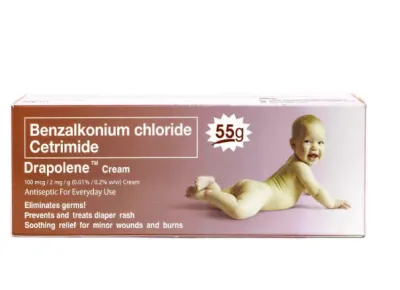
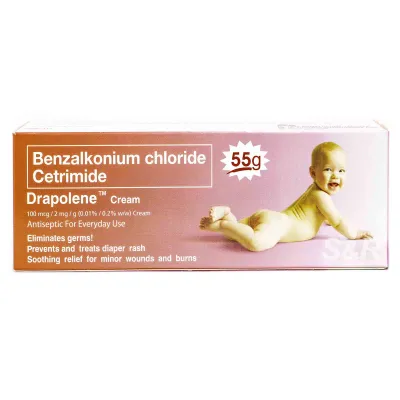
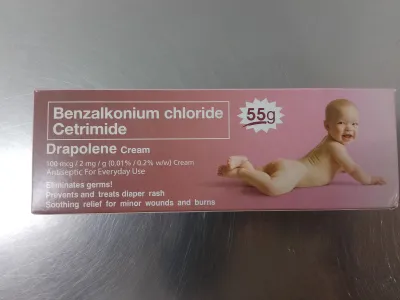

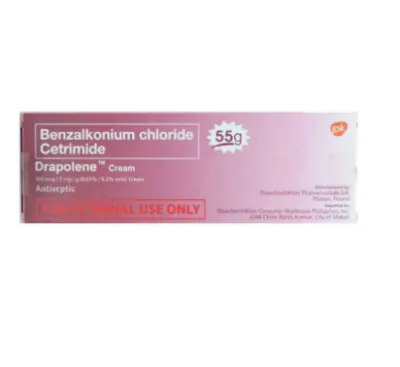
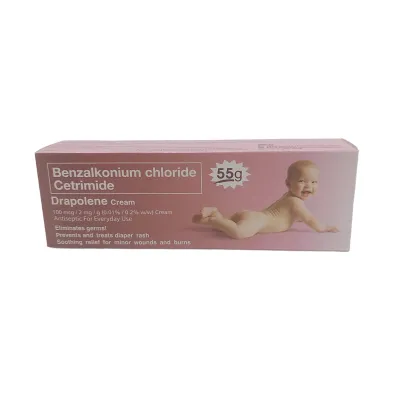
Prices are valid at publication and may change. Please refer to the product page for the latest price.
While the basic mechanism of skin protection remains the same across all ages, adult skin differs significantly from infant skin. Adult skin is thicker and generally less permeable, but it also heals at a slower rate as we age. Furthermore, adults experiencing mobility issues or incontinence often face prolonged exposure to moisture, which can overwhelm a standard barrier cream if the skin is not cleaned and dried frequently.
Before applying any product, you should carefully inspect the specific packaging and product label. Check the manufacturer’s instructions to verify adult suitability, active ingredients, and any specific warnings. Because formulations can vary, confirming that the product is intended for general skin protection on intact skin is a crucial first step.
Signs Your Skin Condition May Benefit from Drapolene
Identifying the early signs of moisture-related irritation can help you address skin issues before they escalate into painful sores. Mild chafing, which often presents as light redness and a stinging sensation where skin rubs against skin or clothing, is highly responsive to barrier creams. This is common along the inner thighs, underarms, or under the breasts, particularly during hot, humid days when sweat accumulates.

Adults who experience incontinence or spend long hours sitting or lying down due to limited mobility can also benefit from a protective barrier. Early-stage moisture irritation typically looks like localized redness, mild swelling, or a warm sensation in areas exposed to bodily fluids. Applying a barrier cream in these early phases helps seal out wetness and allows the skin to recover naturally.
However, you must verify that the skin is completely intact before applying the cream. Check the affected area closely to ensure there are no open wounds, weeping sores, deep cracks, or signs of bleeding. Standard barrier creams are designed solely for superficial, unbroken skin and should never be applied to deep tissue damage.
When to Avoid Drapolene and Seek Medical Advice
While barrier creams are excellent for simple moisture protection, they are not a cure-all and can sometimes trap moisture if applied to the wrong type of skin condition. Fungal and bacterial infections require targeted medical treatments rather than a simple barrier. If you notice a rash with distinct, raised borders, tiny red bumps spreading outward (known as satellite lesions), or an unusual odor, these are classic signs of a fungal infection that a standard cream will not resolve.
Severe pressure injuries, commonly known as bedsores, also require immediate professional medical evaluation. If the skin has broken open, is weeping fluid, or shows deep tissue damage where the lower layers of skin are visible, do not apply Drapolene or any other over-the-counter diaper rash cream. These open wounds require specialized sterile dressings and clinical wound care to prevent deep-seated infections.
Additionally, you should monitor your skin for any signs of an allergic reaction or worsening irritation after application. If you experience increased pain, spreading redness, burning, or swelling after applying the cream, wash it off gently with cool water and stop using it immediately. Always consult a healthcare professional or dermatologist if your skin condition does not improve within a few days or if you suspect an infection.
How to Apply and Monitor the Cream for Adult Use
Proper application is key to ensuring a barrier cream works effectively without trapping unwanted moisture or bacteria against the skin. Begin by gently cleansing the affected area with a mild, fragrance-free soap and lukewarm water. Avoid scrubbing the irritated skin, as this can worsen the inflammation and delay the healing process.
Once clean, pat the skin completely dry with a soft, clean towel, or allow it to air-dry fully. Applying a barrier cream to damp skin can trap moisture underneath, which defeats the purpose of the barrier and can encourage fungal growth. Apply a thin, even layer of the cream to the dry, irritated area, spreading it gently without rubbing aggressively.
Monitor the treated area closely over the next 24 to 48 hours to assess how your skin is responding. You should look for a visible reduction in redness, a decrease in discomfort, and a general smoothing of the skin surface. If the irritation persists, worsens, or if you notice any new symptoms developing, discontinue use and seek professional medical advice.
Alternative Options if Drapolene Is Not the Right Fit
If a standard baby barrier cream does not provide sufficient relief, you may need to explore other categories of adult skin care. Standard moisture barriers are excellent for daily prevention, but they do not contain active ingredients to fight infections. If your skin irritation is caused by a fungus, such as yeast, you will need a targeted antifungal treatment recommended by a pharmacist or doctor.
For severe or persistent inflammation, a healthcare provider may prescribe medicated ointments or topical steroids to reduce swelling and soothe intense itching. It is vital to match the product to the specific underlying cause of your skin irritation rather than repeatedly applying a barrier cream to a condition that requires active medication.
For those managing long-term incontinence, consulting a healthcare professional or a specialized nurse can guide you toward adult-formulated skin protectants, specialized barrier films, or advanced wound dressings. These products are specifically engineered to withstand the higher volume of moisture and friction typical of adult incontinence care, ensuring better comfort and skin integrity.
Frequently Asked Questions (FAQ)
Can Drapolene cure a fungal rash in adults?
No, Drapolene is a protective barrier cream and does not contain active antifungal ingredients. Fungal infections, which often thrive in warm, moist skin folds, require targeted antifungal medications to eliminate the underlying yeast or fungus. If you suspect a fungal rash, consult a healthcare professional for an accurate diagnosis and appropriate treatment plan.
Is it safe to use Drapolene on open bedsores?
No, you should never apply Drapolene or other standard barrier creams to open bedsores or deep wounds. Open wounds require sterile, specialized wound care management to prevent infection and promote proper tissue regeneration. If you or someone in your care develops an open sore or deep tissue damage, contact a healthcare professional immediately for clinical guidance.
Community discussion
Share your experience or ask a question. Comments are reviewed before publication.