
Calming baby bath and skincare products work through two distinct pathways: dermatological calming, which physically soothes skin irritation, redness, and dryness, and sensory calming, which promotes relaxation through aromatic pathways. Parents often seek out these products to help soothe a fussy baby or establish a peaceful bedtime routine. However, the effectiveness of any “calming” product relies entirely on its active ingredients rather than marketing claims on the front of the bottle.
In tropical climates like the Philippines, choosing the right ingredients is especially important. High heat and humidity can lead to sweat rashes and friction irritation, while air-conditioned nurseries can strip moisture from delicate skin. Understanding how to identify proven soothing agents on product labels allows you to select formulations that truly support your baby’s skin barrier and nervous system.
Understanding "Calming": Skin Relief vs. Sensory Relaxation
To make informed choices, it is helpful to distinguish between the two primary ways a skincare product can be calming. Dermatological calming refers to the physical relief of skin discomfort. When a baby’s skin is dry, itchy, or irritated, it sends distress signals to the nervous system, leading to fussiness and disrupted sleep. Products formulated with anti-inflammatory and barrier-repairing ingredients physically soothe this discomfort, directly addressing the root cause of the baby’s unease.
Products mentioned in this guide
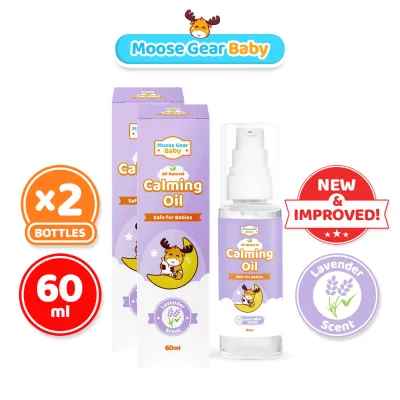
Prices are valid at publication and may change. Please refer to the product page for the latest price.
Sensory calming, on the other hand, operates through the olfactory system. Mild, natural scents can signal to a baby’s brain that it is time to wind down. This sensory association is a powerful tool for establishing a consistent bedtime routine. When combined with a warm bath and a gentle massage, these aromatic products help transition a baby from an active state to a restful one.
While high-quality skincare can relieve the mild physical discomforts that cause fussiness, it is important to remember that cosmetic products cannot replace medical treatments. If your baby has an underlying skin condition such as infant eczema, severe contact dermatitis, or allergies, you should consult a pediatrician or pediatric dermatologist. Your selection of calming products should always align with your primary goal: whether you are looking to heal an irritated skin barrier or simply enhance a relaxing evening routine.
Proven Calming Ingredients to Look for on Product Labels
When evaluating baby skincare, the ingredient list on the back of the packaging—known as the International Nomenclature of Cosmetic Ingredients (INCI) list—is your most reliable guide. Marketing terms on the front of the bottle are unregulated, but the INCI list reveals exactly what is inside. Looking for specific, scientifically backed ingredients ensures you are purchasing a product that delivers real benefits.

Skin-Soothing Botanicals (Chamomile, Calendula, and Oat)
Plant-based ingredients have a long history of use in dermatological care, but only a few have the scientific backing necessary for delicate infant skin.
- Avena Sativa (Oat): Often listed as colloidal oatmeal, oat kernel extract, or oat oil, this ingredient is highly effective for dry, tight, and itchy skin. It contains avenanthramides, which are potent antioxidant compounds that actively reduce itching and inflammation. Colloidal oat also leaves a protective film on the skin, locking in moisture and supporting the skin's natural defense against environmental irritants.
- Chamomilla Recutita (Chamomile): Chamomile extract contains bisabolol and chamazulene, compounds known for their anti-inflammatory and skin-soothing properties. It is particularly useful for reducing mild redness and comforting skin that has been irritated by friction or heat.
- Calendula Officinalis (Marigold): Calendula is traditionally used to support the healing of minor skin disruptions. It contains flavonoids and saponins that help soothe localized irritation, making it a common addition to diaper creams and daily body lotions.
Sensory and Aromatic Calmers (Lavender)
For sensory relaxation, lavender is the most thoroughly researched botanical ingredient used in infant care routines.
- Lavandula Angustifolia (Lavender): Lavender oil or extract is widely used to promote relaxation and improve sleep quality. The scent of lavender has been shown to lower heart rates and reduce stress markers in both infants and parents during bath time.
When using products containing lavender, strict safety boundaries must be followed. Essential oils should never be applied undiluted to a baby’s skin. They must be professionally formulated by a reputable baby brand or properly diluted in a safe carrier oil. Additionally, avoid applying any scented products to broken, raw, or bleeding skin, as this can cause intense stinging and increase the risk of sensitization. Because strong aromatics can overwhelm a developing respiratory system, they are generally not recommended for newborns under three months of age without pediatric guidance.
Barrier-Repairing Emollients (Ceramides and Shea Butter)
Physical comfort is directly tied to the integrity of the skin barrier. When the barrier is compromised, moisture escapes and irritants enter, leading to a cycle of dryness and itching.
- Ceramides: These are naturally occurring lipids that make up a significant portion of the skin's outer layer. Applying products formulated with ceramides helps rebuild the skin barrier, preventing transepidermal water loss (TEWL). By keeping moisture locked in, ceramides help stop the itch-scratch cycle that frequently causes infant fussiness.
- Butyrospermum Parkii (Shea Butter): Shea butter is a rich emollient packed with fatty acids and vitamins. It deeply moisturizes the skin and provides a protective barrier against external irritants.
In highly humid, tropical environments, the texture of these barrier-repairing ingredients matters. Heavy, occlusive ointments can sometimes trap sweat against the skin, leading to heat rash or clogged pores. For daily use in warm weather, lighter lotions or gel-creams formulated with ceramides are often more comfortable and breathable. Richer emollients like shea butter can be reserved for targeted dry patches or for use in air-conditioned rooms where the air is dry.
Red Flags: Hidden Irritants Disguised as Calming Products
Many products marketed as “calming” or “soothing” actually contain ingredients that can trigger skin irritation or allergic reactions. Parents must learn to look past appealing packaging to identify potential red flags on the ingredient label.
Synthetic fragrances are a primary concern. On an INCI list, these are often hidden under generic terms like “Fragrance” or “Parfum.” These terms can represent a mixture of dozens of undisclosed chemicals, many of which are common triggers for contact dermatitis. Even if a product claims to promote sleep through its scent, the presence of synthetic fragrance can irritate a baby’s sensitive skin and respiratory tract.
Harsh surfactants are another common issue in baby bath products. Ingredients like Sodium Lauryl Sulfate (SLS) are used to create a rich lather, but they strip the skin of its natural lipids. This stripping effect leaves the skin tight, dry, and highly susceptible to irritation, completely undermining any calming ingredients in the formula. Look instead for gentle, non-stripping surfactants such as Coco-Glucoside or Decyl Glucoside.
Finally, it is important to recognize that “natural,” “organic,” or “botanical” labels do not automatically guarantee safety. Some natural ingredients, such as citrus essential oils (like lemon or bergamot) or peppermint extract, can be highly sensitizing and irritating to a baby’s thin skin barrier. Always prioritize products with simple, transparent ingredient lists that avoid known sensitizers.
How to Read Labels and Safely Test New Skincare Products
Navigating the baby care aisle requires a systematic approach to reading labels and introducing new products. By adopting a few safety habits, you can protect your baby’s skin from adverse reactions.
When reviewing an INCI list, look for short, transparent ingredient lists. The fewer ingredients a product contains, the lower the likelihood of an allergic reaction. Additionally, verify that the product is specifically formulated and pH-balanced for infants. Healthy baby skin has a slightly acidic pH of around 5.5; using products that match this pH level helps maintain the acid mantle, which protects against harmful bacteria and moisture loss.
Before applying any new calming lotion, oil, or wash to your baby’s entire body, perform a standard patch test:
- Apply a small, pea-sized amount of the product to a clean area of skin on the inside of your baby's arm or leg.
- Leave the product on the skin and monitor the area for 24 hours.
- Observe the spot closely for any signs of redness, swelling, bumps, or dry patches.
- If no reaction occurs, the product is generally safe for full-body use.
Always establish clear stop conditions for any skincare product. Discontinue use immediately if your baby develops a rash, hives, localized redness, or increased fussiness after application. If you notice any signs of respiratory irritation, such as sneezing, coughing, or watery eyes after using a scented product, wash the product off and discontinue use. If any skin reaction or respiratory symptom persists, consult your pediatrician or a pediatric dermatologist for guidance.
Frequently Asked Questions (FAQ)
Can I use adult calming skincare products on my baby?
No, you should avoid using adult calming skincare products on your baby. A baby’s skin is up to 30% thinner and significantly more permeable than adult skin, meaning it absorbs topical substances much more easily. Adult formulations often contain higher concentrations of active ingredients, stronger preservatives, and complex chemical fragrances that can easily penetrate and damage a baby’s delicate skin barrier. Always choose products that are explicitly formulated, tested, and labeled for infant use.
Do calming bath products actually help babies sleep better?
While calming bath products can be a helpful part of a bedtime routine, the ingredients themselves do not chemically induce sleep. The relaxing effect is primarily driven by the sensory routine: the warm water, the gentle physical touch of a massage, and the comforting scent of ingredients like lavender. These elements signal to the baby’s brain that it is time to rest. Additionally, keeping the skin well-hydrated and free from itchy irritation prevents discomfort from waking the baby during the night.

Community discussion
Share your experience or ask a question. Comments are reviewed before publication.