
Stuffy noses are a common and highly stressful challenge for infants, especially in the warm, tropical climate of the Philippines where seasonal weather shifts, high humidity, and air-conditioned rooms can easily trigger nasal congestion. Because babies are obligate nasal breathers for their first few months, a blocked nose makes feeding and sleeping incredibly difficult. Finding an effective method for mucus suction is essential to restore your baby’s comfort and support their daily development.
Choosing the right nasal aspirator can feel overwhelming with so many different designs on the market. The ideal device depends on your baby’s age, the thickness of the congestion, and how frequently you need to clear their nasal passages. Understanding the differences in suction power, ease of cleaning, and safety features will help you make an informed choice that keeps your baby breathing easily.
Quick Decision Guide: Matching Mucus Suction Devices to Your Baby's Needs
When your baby is congested, finding immediate relief is your top priority. Traditional bulb syringes are best suited for mild, occasional use in young newborns who require very gentle care. These classic devices are highly portable and simple, making them a common starting point for many parents.
Products mentioned in this guide


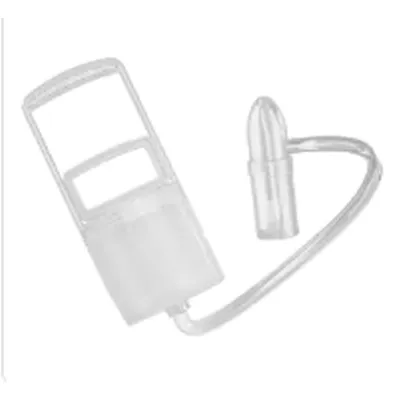
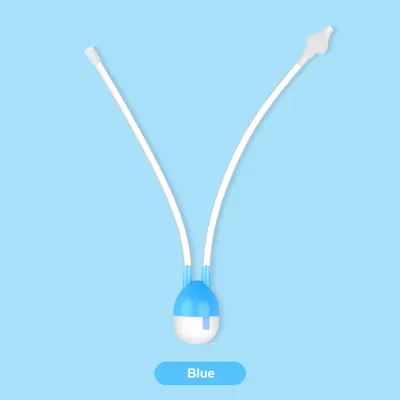
Prices are valid at publication and may change. Please refer to the product page for the latest price.
Mouth-powered (manual) aspirators offer a significant step up by providing controlled, parent-regulated suction. They are highly effective for moderate to thick congestion because you can adjust the pull instantly based on your baby’s comfort and the resistance of the mucus. This type of device is excellent for infants who need a more thorough clearing before feeding or bedtime.
Electric aspirators are ideal for frequent use, severe or persistent congestion, or older babies who actively resist manual clearing methods. They provide consistent, automated suction at the push of a button, which helps complete the process quickly and minimizes parent fatigue. Many electric models also feature built-in distractions like gentle music or lights to help keep your baby calm.
While this framework serves as a general guide, parents must always verify the specific age suitability, weight limits, and manufacturer warnings on the product packaging before use. The right tool not only relieves physical congestion but also significantly reduces the stress of sleepless nights and difficult feeding sessions for both you and your baby.
Bulb, Manual, and Electric: Comparing the Main Aspirator Types
To choose the best nasal aspirator, it is essential to understand how each category operates, along with their distinct advantages and limitations. Each design addresses different parenting scenarios, budgets, and comfort levels.

Traditional Bulb Syringes
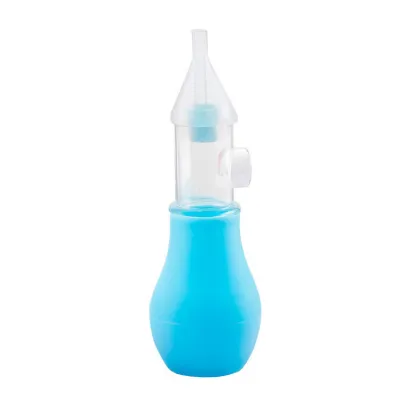
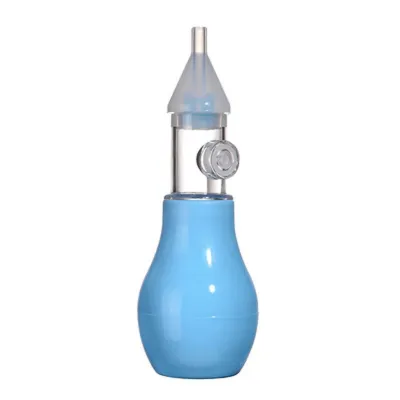
The classic hospital-style bulb syringe is a familiar tool for many parents. To operate it, you squeeze the rubber bulb to expel the air, gently insert the narrow tip into your baby’s nostril, and slowly release your grip to create suction. This manual release pulls the mucus directly into the bulb chamber.
The primary advantage of the bulb syringe is its simplicity. It is highly inexpensive, requires no batteries or external power, and is small enough to fit easily into any diaper bag. For quick, occasional clearing of watery mucus, it remains a reliable and accessible option.
However, traditional bulb syringes have notable drawbacks. Because they are typically made of opaque rubber or plastic, it is virtually impossible to see inside to check if they are clean. Over time, the dark, damp interior can easily harbor mold and bacteria if the device is not dried completely. Additionally, it is difficult to gauge or adjust the exact suction strength, and the blunt tips can sometimes be too wide for very small nostrils.
When purchasing a bulb syringe, always look for models explicitly labeled as BPA-free and made from medical-grade silicone. Some modern designs can be twisted apart in the middle, which solves the cleaning dilemma by allowing you to wash and dry the entire interior surface.
Mouth-Powered (Manual) Aspirators
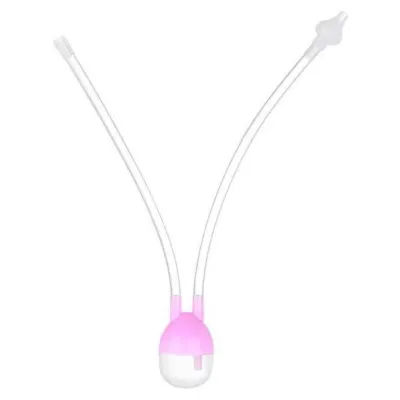
Mouth-powered aspirators utilize a tube-based design where the caregiver provides the suction power. The device consists of a soft silicone nozzle placed at the entrance of the baby’s nostril, a flexible tube, a collection chamber, and a mouthpiece for the parent. A built-in physical filter sits between the collection chamber and the tube to protect the parent.
The standout benefit of this design is the precise control it offers. You can start with a very gentle pull and increase the suction strength as needed to dislodge stubborn, thick mucus. Because the collection chamber is completely transparent, you can easily see the volume and color of the mucus extracted, providing helpful context for monitoring your baby’s health.
On the downside, manual aspirators require active physical effort and coordination. Managing a flexible tube, keeping the nozzle in place, and maintaining suction while comforting a squirming baby can be challenging. There is also a psychological barrier for some parents who worry about the proximity to the mucus, though the internal filters are designed to prevent any direct contact.
To ensure safety and hygiene, it is absolutely necessary to check the product specifications for replaceable, high-quality filters. These filters are critical for preventing germ and bacteria transfer, and you should ensure that replacement filters are readily available for purchase from the manufacturer or reputable local distributors.
Electric and Battery-Operated Aspirators
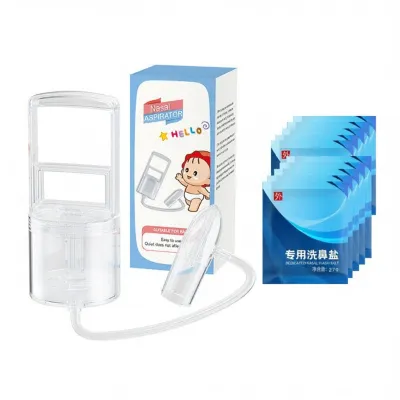
Electric nasal aspirators use a small, motorized pump to create continuous suction. They typically feature simple one-button operation, multiple adjustable suction levels, and a detachable collection cup that houses the silicone nozzle. Many modern electric models are rechargeable via USB, making them highly convenient for daily home use.
The main advantage of an electric model is consistent, effortless suction. Because the motor does the work, you have a free hand to gently hold your baby’s head or comfort them during the process. The automated action also speeds up the clearing process, which is highly beneficial for babies who get easily distressed during nasal cleaning.
However, electric aspirators come with a higher initial cost, often ranging from ₱1,000 to ₱3,500 or more in the Philippines. They also require regular charging or battery replacements to maintain peak performance. Some babies may also be startled by the low humming noise of the motor, though many manufacturers now design quieter motors or include soothing melodies to mask the sound.
Before buying an electric model, verify the motor’s noise levels (usually measured in decibels), the battery life claims, and the availability of replacement silicone tips. Having access to different tip sizes ensures the device can grow with your baby and remain effective over time.
How to Choose Based on Age and Congestion Severity
Matching the right aspirator to your baby’s developmental stage and the type of congestion they are experiencing is key to effective and safe clearing. The table below outlines how different device types align with these factors.
| Device Type | Best Suited Age Group | Ideal Congestion Level | Key Considerations |
|---|---|---|---|
| Bulb Syringe | Newborns (0–3 months) | Mild, watery mucus | Hard to clean; require models that open for thorough drying. |
| Mouth-Powered | Infants (3–12 months) and older | Moderate to thick mucus | Requires high-quality filters; gives parents precise suction control. |
| Electric / Battery | Infants & Toddlers (3–24+ months) | Thick, stubborn, or frequent mucus | Higher initial cost; check motor noise levels and tip sizes before purchasing. |
Newborns (0 to 3 Months)
During the first few months of life, a baby’s nasal passages are incredibly narrow and delicate. The primary goal during this stage is gentle, low-pressure clearing. Traditional bulb syringes or electric aspirators set to their lowest, gentlest suction setting are highly recommended.
Because newborns cannot clear their own airways, even mild congestion can interfere with breastfeeding or bottle-feeding. Always ensure the silicone tip is small enough to rest gently at the entrance of the nostril without being pushed deep inside, which can cause swelling or injury.
Infants (3 to 12 Months)
As infants grow, their nasal passages widen slightly, but they also become much more active. During this stage, mucus can become thicker due to environmental exposure or common colds. Mouth-powered aspirators or electric devices become highly practical because they offer the strength needed to pull out denser congestion.
Infants at this age may begin to resist having their noses cleared. The speed of an electric aspirator or the quick, targeted pull of a mouth-powered device helps you complete the process efficiently before your baby becomes too fussy.
Toddlers (12 Months and Older)
Toddlers are highly mobile and often strongly resist nasal cleaning. For this age group, electric aspirators with adjustable, higher suction settings are excellent for quick, thorough clearing. Mouth-powered devices also work well if you can safely hold your toddler during the process.
Using an electric model with built-in lights or music can help turn a stressful chore into a more cooperative routine. Always select a larger silicone tip designed specifically for toddler-sized nostrils to ensure a proper seal and effective suction.
Matching Power to Mucus Thickness
The consistency of the mucus should dictate which device you use. Mild, watery discharge caused by minor irritants can be easily cleared with a simple bulb syringe. However, thick, sticky, or crusty blockages require the stronger, sustained pull of a mouth-powered device or a high-setting electric aspirator.
Attempting to clear thick mucus with insufficient suction can irritate the nasal passages without actually removing the blockage. Conversely, using excessive suction on thin, watery mucus can cause unnecessary discomfort and swelling. Always match the tool and setting to the specific consistency of the congestion.
Medical Disclaimer
While nasal aspirators are highly effective tools for managing daily congestion, they are not a substitute for professional medical care. Parents must consult a pediatrician immediately if nasal congestion is accompanied by a high fever, persistent coughing, difficulty breathing, poor feeding, extreme lethargy, or if the congestion lasts beyond a few days without improvement.
Critical Safety and Design Features to Check Before Buying
When shopping for a mucus suction device, it is easy to get distracted by marketing claims. To ensure you choose a safe and durable product, focus on verifying these critical design features.
Material Safety
The parts of the aspirator that touch your baby’s nose must be made of soft, safe materials. Look for tips made from food-grade or medical-grade silicone. These tips should be highly flexible and free of sharp edges or rough seams that could scratch the delicate nasal lining.
Avoid products that use hard plastic tips, as these can easily cause minor cuts or bruising if your baby suddenly moves their head during use. Ensuring the materials are BPA-free and phthalate-free is also essential for long-term safety.
Suction Control and Limits
Safe nasal clearing requires controlled pressure. For electric models, ensure the device features multiple suction levels so you can start low and increase the strength gradually. Avoid any electric aspirators that do not specify their suction limits or only offer a single, unadjustable high-power setting.
For mouth-powered devices, the parent naturally controls the suction limit. However, you should still check that the mouthpiece and tubing design allow for smooth, predictable airflow without sudden spikes in pressure.
Ease of Cleaning
A nasal aspirator must be thoroughly cleaned after every use to prevent the growth of mold and bacteria. Look for models where all parts that come into contact with mucus can be fully disassembled. Dishwasher-safe or sterilizable components made of silicone and high-quality plastic make maintenance much easier.
Be highly cautious of designs with hidden, non-detachable internal chambers or long, narrow tubes that cannot be reached with a cleaning brush. If moisture gets trapped inside these areas, it can quickly become a breeding ground for pathogens.
Filter Quality for Mouth-Powered Models
If you choose a mouth-powered manual aspirator, the quality of the inline filter is paramount. The filter must be dense enough to block microscopic moisture droplets and bacteria from traveling up the tube toward your mouth.
Before purchasing, verify how many filters are included in the pack and check if the manufacturer sells replacement filter packs separately. Using a manual aspirator without a clean, functional filter compromises hygiene and increases the risk of cross-contamination.
Age and Weight Guidelines
Do not rely solely on generic product names or broad marketing claims to determine if a device is safe for your baby. Always read the manufacturer’s explicit age, weight, and usage guidelines printed on the packaging or detailed in the official user manual.
Some high-powered electric models may not be suitable for newborns under a certain weight or age. Verifying these specifications ensures you are using the device within its safe, tested operating limits.
Safe Usage Limits and Cleaning Protocols
Using a nasal aspirator correctly is just as important as choosing the right model. Following safe usage limits and maintaining strict cleaning habits will protect your baby’s delicate nasal passages and keep the device hygienic.
Usage Frequency
It is important to avoid over-suctioning your baby’s nose. Limit the use of any nasal aspirator to a few times a day, ideally right before feeds and before bedtime. Excessive suctioning can irritate, dry out, or cause swelling in the sensitive nasal membranes, which can actually make the congestion feel worse.
If your baby’s nose appears red or irritated, stop using the device and allow the nasal passages to rest. Always prioritize gentle, targeted clearing over frequent, aggressive suctioning.
Preparation with Saline Drops
To make the suctioning process more comfortable and highly effective, always use pediatrician-approved saline drops before using the aspirator. Administering one to two drops of saline into each nostril helps loosen thick, sticky, or dry mucus, making it much easier to extract.
After applying the saline drops, wait about one to two minutes to allow the solution to soften the blockage. This simple, low-risk preparatory step reduces the amount of suction force required, protecting your baby’s nasal lining from irritation.
Cleaning Protocol
To maintain hygiene, disassemble the aspirator completely and wash all reusable parts with warm, soapy water immediately after every single use. Use a small cleaning brush to reach into narrow tips and chambers, ensuring no mucus residue remains.
After washing, rinse all components thoroughly with clean water and allow them to air dry completely on a clean towel in a well-ventilated area before reassembling or storing them. Never store a damp aspirator, as trapped moisture promotes rapid mold growth.
Stop Conditions
You must stop using the nasal aspirator immediately and seek professional medical help if you observe any of the following signs:
- Any nasal bleeding or pink-tinged mucus.
- Extreme, prolonged distress or crying from your baby during or after suctioning.
- No visible improvement in your baby's breathing after clearing.
- Signs of respiratory distress, such as rapid breathing, flaring nostrils, grunting, or chest retractions (where the skin pulls in tightly around the ribs and neck).
Do not attempt to treat severe respiratory symptoms or chronic congestion with home suctioning alone. Always consult a qualified healthcare professional for proper diagnosis and guidance.
Frequently Asked Questions (FAQ)
Can I use a nasal aspirator on my baby every day?
Yes, it is safe to use a nasal aspirator daily when your baby is actively sick, congested, or having trouble feeding and sleeping. However, you should not use it as a routine daily cleaning tool when your baby is healthy. Frequent, unnecessary suctioning can dry out and irritate the delicate nasal lining. For chronic or long-term congestion that does not seem to clear up, always consult your pediatrician for guidance.
How do I know if the suction is too strong?
If the suction is too aggressive, your baby may show clear signs of physical discomfort, such as crying out in pain, intense resistance, or immediate redness around the nostrils. You might also notice minor swelling or, in severe cases, small traces of blood in the mucus. To prevent this, always start on the lowest possible suction setting, insert the silicone tip gently without pushing it deep into the nostril, and stop immediately if your baby shows extreme distress.
Community discussion
Share your experience or ask a question. Comments are reviewed before publication.