
When your baby is congested, finding a quick, safe, and effective way to clear their nasal passages is essential for their comfort, feeding, and sleep. Because infants are obligate nasal breathers—meaning they primarily breathe through their noses—even minor blockages can cause significant distress. Choosing the right nasal aspirator for baby care helps you manage these moments with minimal stress for both you and your little one.
The decision between a classic manual bulb syringe and a modern electric nasal aspirator generally depends on your budget, how often your baby gets congested, and your preference for convenience.
Choose a bulb syringe if:
Products mentioned in this guide
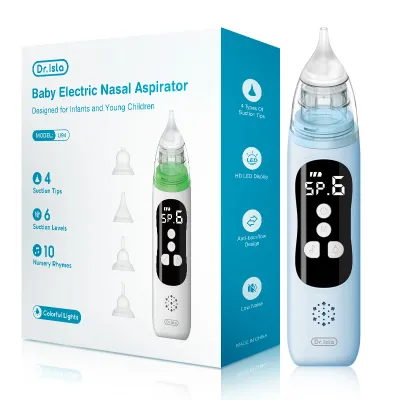
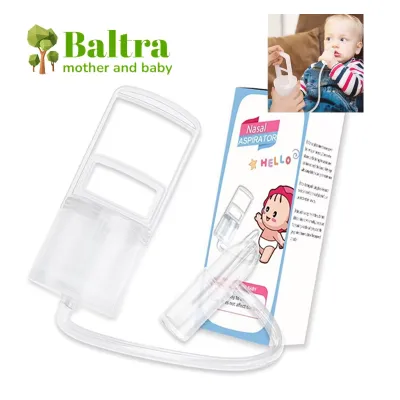
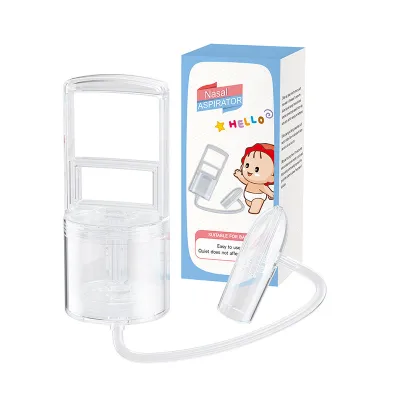

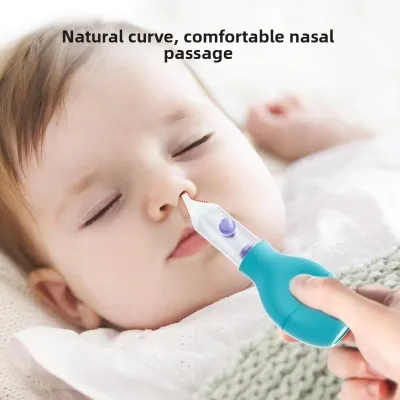
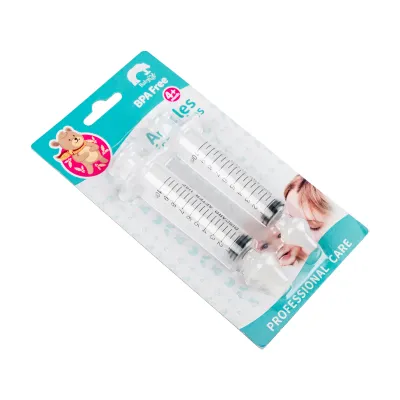
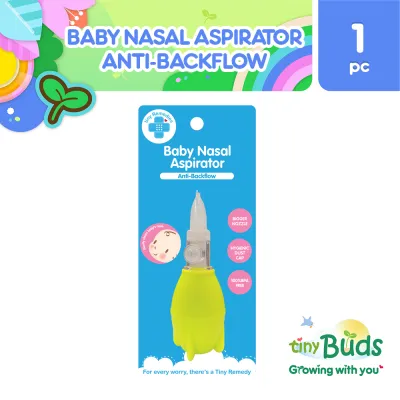
Prices are valid at publication and may change. Please refer to the product page for the latest price.
- You are looking for a highly affordable, budget-friendly tool, typically costing under ₱200.
- You need a lightweight, completely silent, and highly portable backup that fits easily into a diaper bag without requiring batteries or charging cables.
- You prefer a simple, familiar tool that is similar to the models often provided in hospitals.
- Your baby only experiences occasional, mild nasal congestion that is easily cleared with a few gentle manual suctions.
Choose an electric nasal aspirator if:
- Your baby frequently experiences congestion due to seasonal monsoon changes, tropical humidity, or exposure to older siblings and daycare environments.
- You want consistent, steady, and adjustable suction that can handle thick, stubborn mucus without relying on manual squeezing technique.
- You prefer a one-handed operation that allows your other hand to remain free to gently steady your squirming baby.
- You prioritize long-term hygiene and want a device that can be fully disassembled, washed, and sterilized to prevent the growth of hidden mold and bacteria.
Neither tool is universally superior; the ideal choice depends on your daily routine, your baby’s age, and how comfortable you feel operating each device.
How Bulb Syringes and Electric Aspirators Work
Understanding the mechanical differences between these two tools helps clarify how they perform under pressure. A bulb syringe relies entirely on manual air displacement. You compress the rubber or silicone bulb to expel the air inside, gently insert the tip into the baby’s nostril, and slowly release your grip. This release creates a vacuum that draws mucus into the bulb.
An electric nasal aspirator uses a small, motorized pump to generate continuous negative pressure. When you place the soft silicone tip against the baby’s nostril and activate the device, the motor draws mucus directly into a sealed, removable collection chamber. The motor maintains a steady airflow, ensuring the suction level remains constant throughout the process.
Both tools are designed to clear nasal passages mechanically without the use of medication. They serve as drug-free options for managing infant congestion, helping your baby breathe easier during colds or allergy flare-ups.
Head-to-Head Comparison: Bulb Syringe vs. Electric Nasal Aspirator for Baby
To make an informed choice, it is helpful to look past basic marketing claims and evaluate how these two types of aspirators perform across daily parenting scenarios. We compare them below based on suction power, ease of use, hygiene, and your baby’s comfort.

Suction Power and Effectiveness
Bulb syringes rely entirely on user technique and manual grip strength. The suction power is determined by how hard you squeeze the bulb before insertion and how quickly you release your grip. This manual variation means suction can be inconsistent. If the seal between the tip and the nostril is not perfect, or if the bulb is released too slowly, the suction may be too weak to draw out thick mucus. Conversely, a sudden, forceful release can sometimes feel too sharp or intense for a delicate nasal lining.
Electric aspirators offer motorized consistency. They deliver a steady, continuous stream of suction that does not fade mid-use. Many modern electric models feature multiple adjustable suction levels, allowing parents to start on a gentle setting and increase the power if they encounter thicker, more stubborn congestion. This continuous suction is highly effective at drawing out deep-seated mucus that manual bulbs struggle to reach.
Regardless of which tool you choose, physical clearing is only half the battle. Dry or impacted mucus cannot be easily suctioned by either device. It is essential to use pediatric saline drops or spray beforehand to loosen and liquefy the mucus. Attempting to suction dry nasal passages can cause irritation, swelling, or minor bleeding, so always ensure the mucus is adequately softened before beginning.
Ease of Use and Daily Convenience
Using a bulb syringe typically requires a two-handed approach. Parents must use one hand to hold and squeeze the bulb, while the other hand is often needed to guide the tip into the nostril and maintain a proper seal. This can become challenging if you are caring for a squirming baby who resists the process. Additionally, parents must be careful to squeeze the bulb completely before inserting it into the nose; squeezing the bulb while the tip is inside the nostril can blow a sudden gust of air into the baby’s nasal cavity, causing discomfort and pushing mucus deeper.
Electric aspirators are designed for convenient, one-handed operation. Because the motor generates the suction at the press of a button, you do not need to squeeze or pump anything during the process. This leaves your second hand completely free to gently cradle your baby’s head, hold their hands, or provide comfort. This single-handed control is a significant advantage when dealing with older, more active infants who actively try to turn away from the device.
Portability is another key factor. Bulb syringes are incredibly lightweight, compact, and require no power source, making them an easy addition to any diaper bag for emergency use on the go. Electric models, while still portable, require power management. Some run on disposable AA batteries, while others feature built-in rechargeable lithium batteries that use USB cables. While electric models are highly convenient for home use, parents must remember to keep them charged or keep spare batteries on hand, especially in areas prone to seasonal power interruptions or during family travel.
Cleaning, Hygiene, and Maintenance
The primary design flaw of the traditional bulb syringe is its lack of cleanability. Most standard bulb syringes are molded as a single, solid piece of rubber or plastic with a very narrow neck. Because you cannot open the bulb to see inside, it is nearly impossible to scrub the inner walls or ensure that the interior dries completely. In warm, humid environments—such as the tropical climate of the Philippines—this damp, dark, and enclosed space becomes a breeding ground for black mold, yeast, and bacteria. Even if you rinse the bulb with hot soapy water, water droplets can remain trapped inside for days, posing a hidden hygiene risk when the tool is reused.
Electric nasal aspirators are engineered with hygiene in mind. They feature a modular design where the silicone tip and the mucus collection chamber are entirely separate from the motorized handle. After each use, you can detach these components to wash them thoroughly with warm, soapy water. Many models include collection cups and silicone tips that are compatible with steam sterilizers, boiling water, or UV sterilizers. The motor unit itself never comes into contact with mucus, requiring only a quick wipe down with a damp cloth.
Before purchasing any aspirator, always verify the manufacturer’s specific cleaning, sanitizing, and sterilization instructions. Some materials may degrade if exposed to high heat or specific chemical sterilizers. Checking these guidelines beforehand ensures you can maintain the product safely without accidentally damaging the components or compromising your baby’s health.
Baby’s Comfort and Acceptance
A major benefit of the bulb syringe is that it is completely silent. It does not use a motor, so there is no mechanical noise or vibration to startle a sleeping or sensitive baby. This makes it highly useful for quick, quiet clearings in the middle of the night. However, because the suction from a bulb syringe is applied in a single, sudden burst when you release your grip, the physical sensation can feel abrupt and uncomfortable for some infants.
Electric aspirators produce an audible humming or buzzing sound from the internal motor. For some newborns and infants, this noise and the accompanying vibration can be startling or cause mild anxiety. To address this, many modern electric aspirators are designed with built-in distraction features, such as soft, color-changing LED lights or gentle lullabies and white noise. These features help soothe and distract the baby during the process.
Furthermore, because electric models provide a steady, regulated flow of suction, many babies actually tolerate them better than the sharp, sudden pull of a manual bulb. The continuous pressure allows the parent to complete the clearing process much faster, reducing the overall time the baby has to endure the discomfort of having their nose cleared.
What to Verify Before Buying: A Specification Checklist
When shopping for a nasal aspirator, reviewing the detailed specifications on the product packaging or online listings will help you make a safe choice. The table below outlines the core differences you should verify.
| Feature / Specification | Traditional Bulb Syringe | Electric Nasal Aspirator |
|---|---|---|
| Suction Source | Manual hand squeeze | Motorized pump |
| Suction Consistency | Variable (depends on technique) | Steady and continuous |
| Adjustable Levels | No (manual control only) | Yes (typically 2 to 5 levels) |
| Power Requirement | None | Rechargeable USB or AA batteries |
| Cleaning Method | Flush with water (hard to dry) | Detachable parts (sterilizable) |
| Mold Risk | High (due to enclosed design) | Low (fully disassemblable) |
| Operation | Two-handed | One-handed |
| Noise Level | Completely silent | Low hum / vibration |
| Average Price Range | Low (under ₱200) | Mid to High (₱1,000 to ₱4,000+) |
Key Specifications to Verify Before Purchase:
- Medical-Grade Silicone Tips: Ensure all parts that contact your baby's nose are made of soft, flexible, medical-grade silicone that is free from BPA, phthalates, and latex.
- Replacement Filters: For electric models, check if the device uses foam or silicone filters to protect the motor from liquid, and verify if replacement filters are easily available for purchase.
- Noise Level (Decibels): If listed, look for electric models with a noise level below 60 decibels (dB) to ensure a quieter, less intimidating experience for your child.
- Battery Type and Charging: Verify whether the electric model uses disposable AA batteries or a rechargeable USB battery. USB models are often more cost-effective over time but require access to a reliable power source for charging.
- Tip Sizes: Check if the package includes multiple tip sizes (such as a narrow tip for newborns and a wider tip for toddlers) to ensure the device can grow with your baby.
- Disassembly for Bulb Syringes: If you prefer a manual bulb syringe, look for modern designs that allow you to twist the bulb apart in the middle. This feature eliminates the mold risk by allowing you to wash and dry the interior completely.
Matching the Aspirator to Your Baby’s Age and Congestion Level
Your baby’s age and developmental stage play a significant role in determining which nasal aspirator will be most effective. Their physical tolerance for having their nose cleared changes rapidly during their first year.
Newborns (0 to 3 Months) Newborn nasal passages are incredibly narrow and delicate. During these early months, babies are highly sensitive to any nasal obstruction. While hospitals often send parents home with a standard bulb syringe, extreme care must be taken. The tip must never be inserted deeply, and suction must be incredibly gentle to avoid irritating the sensitive mucosal lining. If you choose an electric aspirator for a newborn, ensure it features a dedicated “ultra-gentle” or low-suction setting and comes with a highly flexible, narrow silicone tip specifically sized for newborns. Always verify the age suitability on the product packaging before use.
Older Infants and Toddlers (6 Months and Older) As babies grow older, they become stronger, more active, and significantly more resistant to nasal suctioning. A six-month-old or toddler will often squirm, shake their head, or try to push the device away. In these scenarios, the speed and one-handed operation of an electric nasal aspirator are invaluable. It allows you to complete the process in seconds before the child becomes too distressed. Additionally, older babies produce thicker, more abundant mucus during colds, which requires the stronger, continuous suction of an electric motor to clear effectively.
Frequency of Congestion Consider your household environment and your baby’s exposure risk. If your child is an only child who stays at home and rarely gets sick, a simple, disassemblable bulb syringe may be all you need for the occasional stuffy nose. However, if your baby attends daycare, has older siblings bringing home school germs, or if you live in an urban area with high levels of dust and seasonal humidity changes, congestion will likely be a frequent challenge. In these cases, investing in a high-quality electric nasal aspirator will save you significant time, effort, and worry over the first few years of your child’s life.
Safe Usage Guidelines and When to Seek Medical Advice
While clearing your baby’s nose helps them breathe and feed more comfortably, nasal aspirators must be used with care to prevent injury to the delicate nasal tissues. Following strict safety protocols ensures you manage their symptoms without causing unintended harm.
Limit Suctioning Frequency To protect your baby’s delicate nasal passages, limit suctioning sessions to a few times a day. A good rule of thumb is to suction only before major activities, such as feeding and bedtime, to help your baby swallow and sleep more comfortably. Suctioning too frequently—such as every hour—can irritate, dry out, or cause swelling in the delicate nasal mucosa, which actually worsens nasal congestion and can lead to minor nosebleeds.
Step-by-Step Safe Suctioning Protocol:
- Apply Saline First: Always apply 1 to 2 drops of pediatric saline solution into each nostril before attempting to suction.
- Wait for It to Work: Wait approximately 30 to 60 seconds to allow the saline to soften and liquefy the mucus.
- Position the Baby: Hold your baby in a semi-upright position, ensuring their head is gently supported.
- Insert Gently: Insert the clean aspirator tip into the nostril, ensuring a snug seal but never pushing it deep into the nasal cavity.
- Apply Suction: Apply suction gently. For bulb syringes, release the bulb slowly. For electric models, start on the lowest setting.
- Clean and Repeat: Wipe the tip clean before moving to the other nostril, and wash the device thoroughly after the session.
When to Stop Suctioning Immediately:
- You observe traces of fresh blood in the mucus or inside the nasal cavity.
- Your baby exhibits extreme resistance or panic that makes safe handling impossible.
- The nasal lining or the skin around the nostrils appears red, swollen, or irritated.
When to Seek Medical Professional Advice: Nasal aspirators are symptomatic relief tools; they do not treat or cure underlying viral or bacterial infections. You should consult a pediatrician or seek medical professional advice immediately if:
- The baby's congestion is accompanied by a high fever.
- The baby exhibits signs of breathing difficulty, such as rapid breathing, flared nostrils, or chest retractions (the skin pulling in around the ribs).
- There are signs of dehydration, such as fewer wet diapers, dry lips, or lack of tears when crying.
- The baby refuses to feed or drink liquids.
- The nasal congestion does not improve after several days or worsens progressively.
Frequently Asked Questions (FAQ)
Can I use a nasal aspirator on my baby every day?
While you can use a nasal aspirator daily during an active cold or congestion flare-up, it should not be used as a routine daily cleaning tool when your baby is healthy. Healthy nasal passages produce a normal amount of mucus that does not require mechanical removal. Overusing an aspirator can dry out the delicate nasal lining, strip away natural protective barriers, and cause irritation or minor bleeding. Only use the aspirator when your baby is visibly congested, struggling to breathe, or having difficulty feeding due to mucus buildup.
Do electric nasal aspirators hurt the baby?
When used correctly, electric nasal aspirators do not hurt the baby. The suction levels on quality devices are regulated by the motor and safety valves to ensure they remain within safe limits for infant nasal tissues. To prevent discomfort, always use the correct tip size, avoid pushing the tip too deep into the nostril, and never suction dry nasal passages. Applying pediatric saline drops beforehand is crucial, as it lubricates the nasal cavity and allows the mucus to slide out easily under gentle suction.
How do I know if the bulb syringe has mold inside?
Because the interior of a standard bulb syringe is dark, narrow, and completely enclosed, it is nearly impossible to visually inspect the inside for mold. If you have been using a single-piece bulb syringe for more than a few weeks, or if it was not thoroughly dried after every wash, it is safest to assume that mold or bacteria may have started to grow. To avoid health risks, discard the bulb syringe immediately if it emits a musty odor, if you see dark flecks when flushing it with water, or if it has been stored in a damp environment. Switching to a disassemblable bulb syringe or an electric model with a washable collection chamber is the best way to eliminate this risk.
Community discussion
Share your experience or ask a question. Comments are reviewed before publication.