
When your baby is congested, it affects everything from their feeding patterns to their sleep quality. Because infants are primary nose breathers, a blocked nasal passage can cause immediate distress, making them fussy and restless. In tropical climates like the Philippines, where sudden weather shifts, high humidity, and air-conditioned nurseries can contribute to nasal congestion, having a reliable nose suction tool is a necessity for parents. However, choosing between a traditional manual bulb syringe and a modern electric nasal aspirator can be challenging, as both tools approach the problem of clearing nasal passages differently.
There is no single “best” nose suction tool for every situation; the right choice depends on your baby’s age, the severity of their congestion, and your preference for manual control versus motorized convenience. Bulb syringes offer a simple, low-cost, and silent manual option, while electric nasal aspirators provide consistent suction power and generally easier cleaning. This guide compares the mechanical differences, daily usability, and safety boundaries of both devices to help you decide which nose suction tool best fits your baby’s needs.
How Bulb Syringes and Electric Aspirators Work
To choose the right tool, it helps to understand the underlying mechanics of how these devices generate suction. The traditional manual bulb syringe relies on a simple squeeze-and-release vacuum mechanism. Made of a single piece of flexible rubber or elastomer, the user manually compresses the bulb to expel air, inserts the tip gently into the baby’s nostril, and slowly releases the pressure. This release creates a localized vacuum that draws mucus directly into the bulb. Because the suction is generated entirely by hand, the speed and strength of the vacuum depend on how quickly and firmly you release your grip.
Products mentioned in this guide
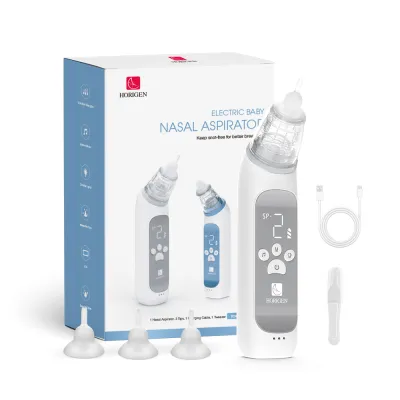
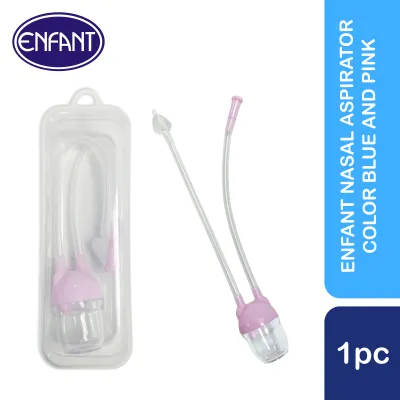
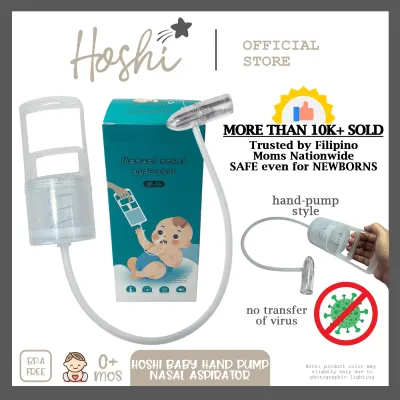
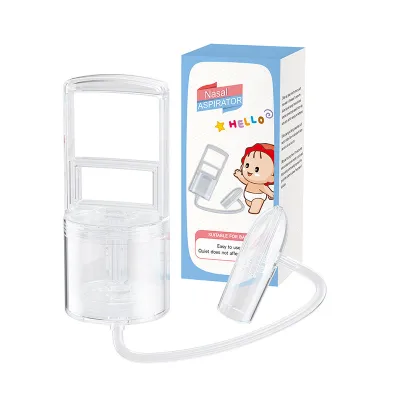
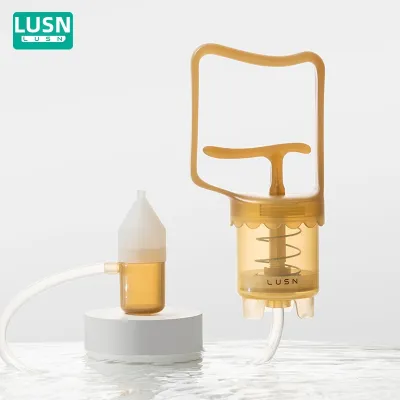
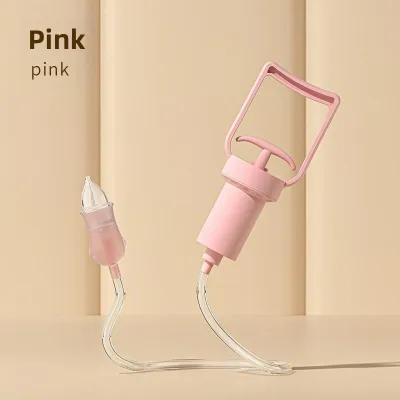
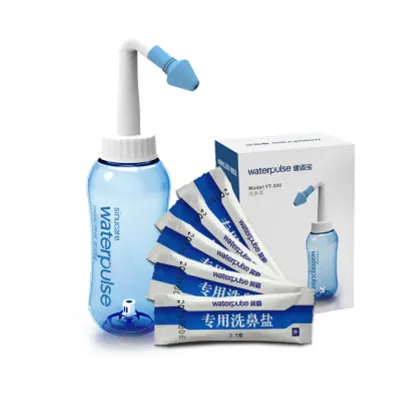
Prices are valid at publication and may change. Please refer to the product page for the latest price.
In contrast, electric nasal aspirators utilize a small, motorized pump to generate continuous suction. When activated, the motor draws air through a nozzle, creating a steady vacuum flow. Most electric models feature internal filter systems or collection cups designed to capture mucus before it can reach the motor housing, preventing contamination of the mechanical parts. These devices are powered either by disposable batteries or built-in rechargeable batteries, requiring you to monitor power levels to ensure the device is ready when needed.
The operational requirements of these two tools create distinct user experiences. A manual bulb syringe requires physical coordination, as you must manage the baby’s movements with one hand while squeezing and positioning the bulb with the other. An electric aspirator, while heavier due to the motor and batteries, often allows for a more stable grip and continuous operation with the press of a button. This eliminates the need for repetitive squeezing, allowing you to focus entirely on maintaining the correct angle and depth inside the nostril.
Comparing Key Features for Daily Use
Evaluating how these devices perform during daily care routines involves looking at three main areas: suction control, cleaning maintenance, and your baby’s overall comfort. Each tool offers distinct advantages depending on the consistency of the mucus and how often you need to use the device.

Suction Control and Effectiveness
Suction control is critical when dealing with delicate infant nasal passages. A manual bulb syringe offers highly variable, user-dependent pressure. You can adjust the suction strength on the fly by altering how much you compress the bulb and how quickly you let it expand. However, this manual control requires practice, and achieving a consistent vacuum can be difficult if your baby is squirming or if the mucus is particularly thick and stubborn.
Electric nasal aspirators, on the other hand, provide consistent and often adjustable suction levels. Many electric models feature multiple speed or power settings, allowing you to start with a gentle draw and increase the strength if necessary. When purchasing an electric model, it is important to check the product packaging or user manual for the maximum suction limits, which are typically measured in kilopascals (kPa). Ensure the settings you use are appropriate for your baby’s age, as newborns require much gentler suction than older infants or toddlers.
Cleaning and Hygiene Maintenance
Keeping a nose suction tool sanitary is vital to prevent the growth of mold and bacteria, especially in warm, humid environments. Traditional solid-color bulb syringes are notoriously difficult to clean and dry thoroughly. Because you cannot see inside the opaque rubber bulb, moisture can easily become trapped, leading to hidden mold buildup over time. To clean these, you must repeatedly flush them with warm, soapy water, rinse them, and prop them upright to drain, which can take hours in high-humidity conditions. Some modern manual aspirators feature a design that pulls apart for easier cleaning, which is a key feature to look for if you prefer a manual option.
Electric nasal aspirators generally offer a more hygienic design with removable, washable parts. The silicone tips, collection cups, and internal barriers can usually be detached and washed separately in warm, soapy water or sterilized according to the manufacturer’s instructions. Many models also utilize replaceable foam or silicone filters that prevent mucus from entering the motor chamber. While the electric base itself cannot be submerged in water, the ability to disassemble and visually inspect the parts that come into contact with mucus makes maintaining hygiene much more straightforward.
Baby's Comfort and Stress Levels
The physical sensation and sound of a nose suction device can heavily influence how your baby reacts to the process. Bulb syringes operate completely silently, which is a significant advantage when trying to clear a baby’s nose without startling them. The lack of noise makes it easier to perform the procedure quickly, though the physical sensation of the sudden vacuum can still cause temporary discomfort.
Electric aspirators generate motor noise and vibration, which can range from a low hum to a louder buzz depending on the quality of the motor. This sound can sometimes startle or frighten sensitive babies, increasing their anxiety before the tip even touches their nose. To mitigate this, look for electric models that feature soft, medical-grade silicone tips rather than rigid plastic ones. Silicone tips conform more comfortably to the nostril shape, reducing the risk of scraping the delicate nasal lining if the baby moves suddenly.
Safety Boundaries and When to Stop
While clearing your baby’s nose can provide immediate relief, it must be done with caution to avoid injuring the delicate tissues inside the nasal passages. Pediatricians generally recommend limiting the use of any nose suction device to no more than three to four times a day, particularly before feedings and bedtime. Overusing these tools can irritate the nasal mucosa, leading to increased swelling, inflammation, and ironically, more congestion.
You must stop the suction procedure immediately if you observe any signs of physical distress or injury. These signs include bleeding from the nose, severe swelling of the nasal tissues, or extreme, inconsolable distress from your baby. If you notice blood in the suctioned mucus, it is a clear indicator that the suction pressure was too high, the tip was inserted too deeply, or the nasal lining has become overly dry and irritated. In such cases, allow the nasal passages to rest and consult a healthcare professional if the congestion persists.
Before using any nose suction device for the first time, always verify the manufacturer’s specific age, weight, and health warnings. Some electric models are not recommended for newborns, while others include specialized tips designed specifically for tiny nostrils. If your baby has any underlying respiratory conditions, was born prematurely, or has a history of nosebleeds, consult your pediatrician before introducing any suction device to your care routine.
Decision Framework: Which Nose Suction Tool Fits Your Needs?
Choosing the right nose suction tool involves balancing your budget, your baby’s specific needs, and your comfort level with device maintenance.
You should choose a manual bulb syringe if you are looking for a highly affordable, silent, and portable option. Bulb syringes are excellent for mild, occasional congestion, such as when a baby has a light cold or dry nasal passages that only require occasional clearing. They are also ideal for travel or keeping in a diaper bag, as they do not require batteries or electrical outlets to function. If you choose this route, consider purchasing a model that can be disassembled for thorough cleaning to avoid mold issues.
You should choose an electric nasal aspirator if you anticipate dealing with frequent or thick congestion, prefer a device that is easy to clean and sterilize, and want consistent, adjustable suction power. Electric models are highly beneficial for parents who find manual squeezing physically tiring or difficult to coordinate while holding a squirming baby. Although they require a larger upfront investment—often ranging from ₱1,000 to over ₱3,000—the ease of maintenance and consistent performance can provide significant peace of mind during cold seasons.
Regardless of which device you choose, safety should always come first. If your baby has underlying respiratory conditions, was born prematurely, or shows signs of severe breathing difficulty—such as rapid breathing, flaring nostrils, or chest retractions—do not rely solely on home suction devices. Seek immediate medical attention from a qualified healthcare professional to ensure your baby receives the appropriate medical care.
Frequently Asked Questions (FAQ)
Can I use a nose suction device while my baby is sleeping?
It is generally not recommended to use a nose suction device while your baby is sleeping. Attempting to clear their nasal passages during sleep carries a high risk of startling them, which can cause sudden movements and lead to accidental injury to the delicate nasal lining. Additionally, the motor noise and physical sensation of an electric aspirator, or even the physical intrusion of a manual bulb syringe, will likely wake the baby, causing unnecessary distress. It is safer and more effective to perform nose suction while the baby is awake, calm, and held securely in an upright position.
How do I know if the suction is too strong?
You can identify if the suction pressure is too strong by observing your baby’s reactions and checking their nasal passages. Signs of excessive suction include immediate crying or intense resistance, redness or swelling around the nostrils, and the appearance of pink-tinged or bloody mucus. If you notice any of these signs, you should immediately lower the setting on your electric aspirator or reduce the force of your squeeze on a manual bulb syringe. Always test the suction strength on your own inner wrist before applying it to your baby’s nose to ensure it feels gentle and safe.
Community discussion
Share your experience or ask a question. Comments are reviewed before publication.