
Selecting the right setup for feeding your baby while away from home requires balancing convenience, hygiene, and temperature control. A practical huppy buppy milk storage system is not a single product, but a carefully coordinated combination of secure containers, high-performance insulation, and compatible feeding accessories. In a tropical climate like the Philippines, where high ambient temperatures and humidity present constant challenges, maintaining the safety of expressed milk demands a reliable on-the-go strategy.
Developing a customized routine ensures your baby receives uncontaminated, properly preserved milk whether you are commuting through Metro Manila, running quick errands, or traveling for the weekend. By selecting components that fit together seamlessly and verifying their specifications against manufacturer guidelines, you can minimize waste and feed your baby with confidence.
Core Needs for On-the-Go Milk Storage
Managing breast milk outside the home involves navigating three distinct scenarios: pumping while away, transporting the stored milk safely, and feeding your baby in public or during transit. Each stage introduces environmental variables that can compromise the nutritional quality and safety of the milk if not managed correctly. For active parents, the transition between these stages must be as seamless as possible to prevent contamination and spills.
Products mentioned in this guide
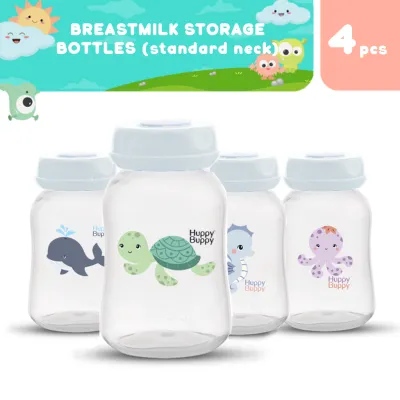
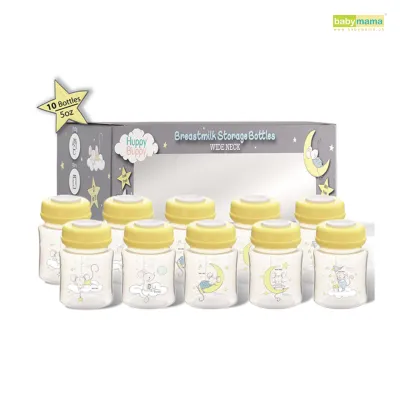
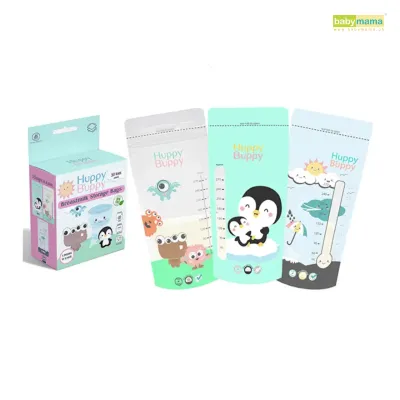
Prices are valid at publication and may change. Please refer to the product page for the latest price.
In the Philippines, the tropical climate is a primary factor to consider. High ambient temperatures and elevated humidity levels create an ideal environment for rapid bacterial growth in organic liquids. Standard insulation that might perform well in cooler climates can quickly fail under the local heat, especially when navigating un-airconditioned transit areas or outdoor spaces. This makes robust temperature control your absolute highest priority when assembling a portable kit.
To withstand these environmental pressures, a reliable on-the-go setup must fulfill several non-negotiable criteria. It must offer strict temperature maintenance to keep milk safely chilled, absolute leak prevention to protect your liquid gold from spills, space efficiency to fit comfortably within a standard diaper bag, and straightforward cleaning requirements. Because public spaces rarely offer ideal sanitizing conditions, your gear must be easy to maintain with minimal tools.
When building this system, Huppy Buppy products provide a versatile foundation of storage bags, bottles, and carrying accessories. However, the most effective setup is not a pre-packaged, one-size-fits-all solution. It requires you to analyze your daily schedule, commute times, and feeding volumes, and then match those needs with specific, verified product dimensions and material capabilities rather than relying on general assumptions.
Essential Components of a Portable Huppy Buppy Setup
Storage Containers: Bottles vs. Bags
Choosing between flexible storage bags and rigid bottles is the first major decision in building your portable setup. Breast milk storage bags are highly space-efficient because they can lay completely flat when filled, allowing you to stack multiple servings inside a compact cooler. They are pre-sterilized and disposable, which eliminates the need to wash containers while you are away from home. However, flexible bags carry a higher risk of puncture or tearing if they rub against sharp items, keys, or rough ice pack edges inside your bag.

Rigid plastic bottles offer superior physical protection, virtually eliminating the risk of accidental punctures or crushing during transit. They are reusable and often connect directly to your breast pump, allowing you to pump, store, and feed from the same vessel. The trade-off is their bulk; empty bottles occupy the same amount of physical space in your bag as full ones, and they require thorough washing and sterilizing after every single use, which can be difficult during long outings.
When evaluating Huppy Buppy storage options, always inspect the product packaging or documentation to verify material safety declarations, ensuring they are certified BPA-free to prevent chemical leaching under warm conditions. Pay close attention to the sealing mechanisms. For storage bags, look for robust double-zipper seals that click closed; for bottles, ensure the screw-caps feature high-quality silicone gaskets that prevent slow leaks when the bottle is tilted or jostled.
Additionally, verify the accuracy of the capacity markings on the side of the container. Compare these measurements with your baby’s typical feeding volume at their current age or developmental stage. Using a container that is too large leaves excess air space, which can accelerate milk spoilage, while using one that is too small may force you to combine multiple batches, increasing handling risks. Choose the container size that closely matches a single feed to minimize milk waste.
Insulated Carriers and Cooling Elements
An insulated cooler bag serves as the protective barrier between the external heat and your stored milk. High-quality insulation works by slowing down the transfer of heat from the outside air into the cooler’s interior. Without a reliable thermal barrier, ice packs will melt rapidly, and the internal temperature of your storage setup will quickly rise into the danger zone where harmful bacteria can multiply.
Before purchasing, measure the physical dimensions of your chosen Huppy Buppy cooler bag and compare them to your storage containers. Overstuffing an insulated bag compresses the internal foam layers, which significantly reduces its thermal resistance and creates structural gaps where warm air can seep in. Conversely, a cooler bag that is too large contains excessive dead air space, which requires more cooling energy to keep cold and causes your ice packs to melt much faster.
Never rely on generic marketing claims such as “keeps cold for 12 hours” without verifying the context. These estimates are typically generated in temperature-controlled laboratories and do not reflect real-world tropical conditions. Instead, look for manufacturer details regarding testing parameters, and always pair your carrier with high-density, fully frozen gel ice packs rather than loose ice cubes, which melt into water and can contaminate container seals.
Feeding and Warming Accessories
Completing the on-the-go loop requires a safe method for warming the milk and delivering it to your baby. Portable warming solutions include USB-powered bottle sleeves, compact thermos flasks filled with hot water, and travel warmers designed to fit specific bottle shapes. Combining these with compatible Huppy Buppy nipples and collar adapters allows you to transition from storage to feeding quickly and with minimal container transfers.
Safety must remain your primary concern when heating milk in transit. Never use boiling water or microwave ovens to heat milk inside plastic storage containers unless the manufacturer’s user manual explicitly states it is safe to do so. Excessive heat can warp plastic components, degrade the vital nutrients in breast milk, and create dangerous localized “hot spots” that can easily burn your baby’s mouth.
Always verify the physical compatibility between your Huppy Buppy storage bottles and your selected portable warmer. A bottle that does not fit snugly against the heating element of a travel warmer will heat unevenly, extending the warming time and potentially causing the plastic to overheat or melt in concentrated spots. Check the manufacturer’s diameter specifications for both the bottle and the warmer before attempting to use them together.
Step-by-Step Guide to Packing and Transporting Milk
To ensure your milk remains safe from the moment it is expressed to the moment it is consumed, follow a structured, hygienic preparation and packing workflow:
- Sanitize Your Hands and Work Surface: Wash your hands thoroughly with soap and clean water for at least 20 seconds. If you are in a public space without running water, use an alcohol-based hand sanitizer before touching any storage bags, bottles, or pump parts.
- Inspect and Prepare Containers: Check your Huppy Buppy bottles or bags for any structural defects, cracks, or compromised seals. Ensure reusable bottles have been washed and sanitized according to the manufacturer's care instructions.
- Portion the Milk: Pour the expressed milk into the container, filling it only to the recommended capacity line. If you intend to freeze the milk later, leave at least one inch of empty space at the top of the container to allow the liquid to expand safely without rupturing the seal.
- Pre-Cool Fresh Milk: Always follow the "cool before you pack" rule. Never place freshly expressed, warm breast milk directly into an insulated bag next to already chilled or frozen milk. The heat from the fresh milk will raise the temperature of the surrounding containers, encouraging bacterial growth. Cool the fresh milk in a refrigerator or against a dedicated cold pack before packing them together.
- Arrange the Cooler Bag: Place your pre-cooled Huppy Buppy containers in the center of the insulated bag. Surround them completely with fully frozen gel packs, placing packs on the sides and top, as cold air naturally sinks. Minimize the empty space inside the bag by filling gaps with clean, dry washcloths if necessary.
- Monitor Storage Limits: Because of the high humidity and intense heat in the Philippines, standard room-temperature storage limits do not apply. Do not rely on international charts; instead, consult the Department of Health (DOH) guidelines or your pediatrician for current, evidence-based recommendations on safe storage durations for unrefrigerated milk in tropical climates.
- Conduct a Quality Check: Before feeding, inspect the container. If a storage bag has leaked, or if the milk has developed an sour odor, off-taste, or an unusual curdled appearance that does not disappear after gentle swirling, discard the milk immediately to protect your baby's health.
Adapting Your Setup for Different Outings
Your portable storage setup should scale dynamically based on the duration and nature of your trip. For short outings, such as a quick pediatrician visit or a brief trip to an air-conditioned local mall, a minimalist setup is highly practical. You do not need to carry a bulky cooler bag; instead, pack a single, pre-filled Huppy Buppy bottle inside a small, single-bottle insulated sleeve containing one compact gel ice pack to keep your load light.
For full-day outings, such as commuting to an office, traveling long distances, or spending the day outdoors, transition to a modular setup. This requires a larger, multi-bottle insulated cooler bag, at least three heavy-duty frozen gel packs, and a mix of pre-filled bottles and empty Huppy Buppy storage bags. The empty bags allow you to store newly expressed milk during the day without taking up valuable physical space on your return trip.
To maximize your investment, select a core set of Huppy Buppy products designed with cross-scenario compatibility in mind. Choosing storage bottles that connect directly to your breast pump and accept standard, interchangeable nipples allows you to adapt to any travel scenario. This integrated approach reduces the total amount of gear you need to purchase, clean, and carry, simplifying your daily routine.
Frequently Asked Questions (FAQ)
Can I use Huppy Buppy storage bags directly in a portable bottle warmer?
Whether you can heat a storage bag directly depends entirely on the design of your portable warmer and the specific heat tolerance of the Huppy Buppy bag material. Many portable warmers utilize direct-contact heating plates that can easily melt thin plastic films or cause localized overheating. Always read the warnings on the storage bag packaging and the instructions in your warmer’s manual; if either source advises against direct heating, transfer the milk to a hard bottle before warming.
How do I clean and dry Huppy Buppy containers while traveling?
To clean your gear on the go, pack a dedicated travel wash kit consisting of a small collapsible basin, a clean bottle brush, and travel-sized baby-safe dishwashing liquid. Wash all components thoroughly inside the basin rather than directly in a public sink to avoid contamination. Rinse with clean, potable water and allow every part to air-dry completely on a clean towel or a portable drying rack. Because high humidity encourages mold and bacterial growth, never seal or pack away damp bottles or bags.
Community discussion
Share your experience or ask a question. Comments are reviewed before publication.