
Finding an effective pelvic floor muscle trainer under ₱1,500 in the Philippines is entirely possible, though it requires shifting focus from high-tech electronic devices to high-quality manual options. At this price point, you will primarily find manual resistance trainers, weighted Kegel balls, and progressive cone systems rather than app-connected biofeedback devices. Postpartum recovery is a deeply personal journey, and budget constraints should not prevent you from accessing safe, effective recovery tools. Emphasizing safety, material integrity, and progressive resistance is far more critical to your recovery than Bluetooth connectivity or automated tracking. While premium electronic trainers often cost several thousand pesos, manual alternatives are highly effective when used consistently and correctly.
What Types of Pelvic Floor Trainers Fit a ₱1,500 Budget?
Navigating the market for pelvic floor muscle trainers on a budget of ₱1,500 requires understanding the distinct categories of devices available. Within this price range, the most common and effective options are weighted silicone Kegel balls and progressive cone systems. These devices work on the principle of active resistance; once inserted, your pelvic floor muscles must naturally contract to keep the weight in place, especially while you stand or move around. These sets often include multiple interchangeable weights, allowing you to gradually increase the difficulty as your muscles regain strength.
Another budget-friendly option is the external manual resistance trainer, often designed as a spring-loaded clamp that you place between your thighs or knees. While these devices primarily target the adductor muscles of the inner thighs, they also encourage co-contraction of the pelvic floor muscles when used with proper form. These are excellent for mothers who prefer not to use internal devices during their early recovery stages or who find internal weights uncomfortable.
Products mentioned in this guide
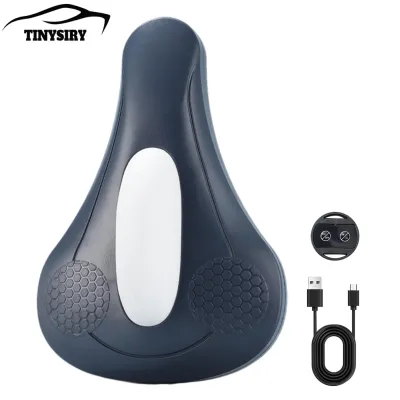
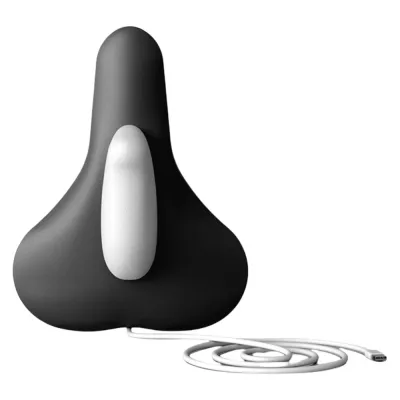
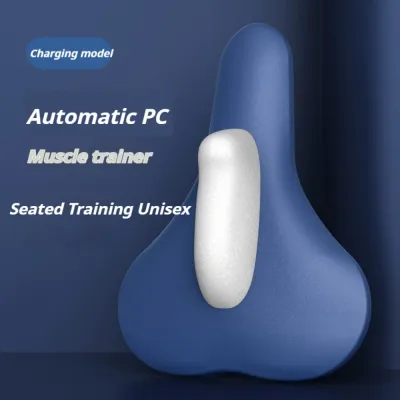
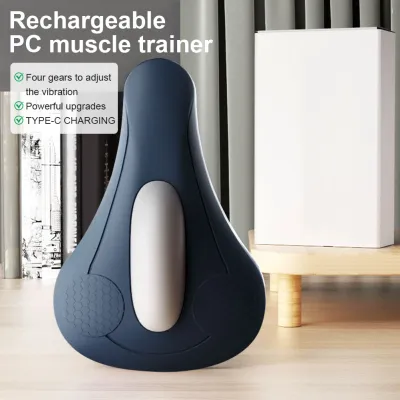
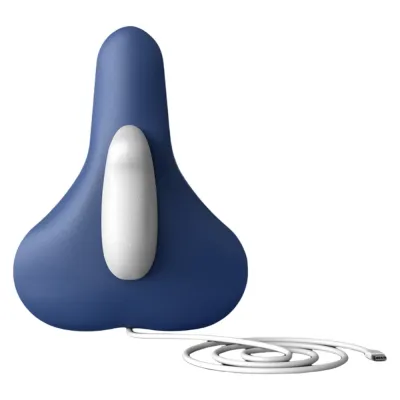
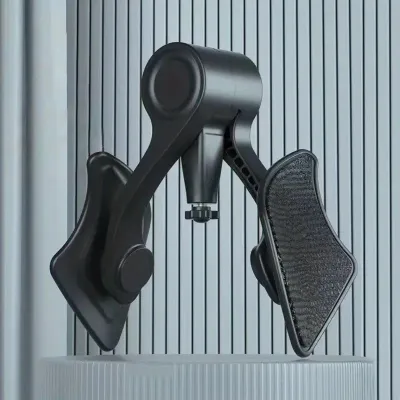
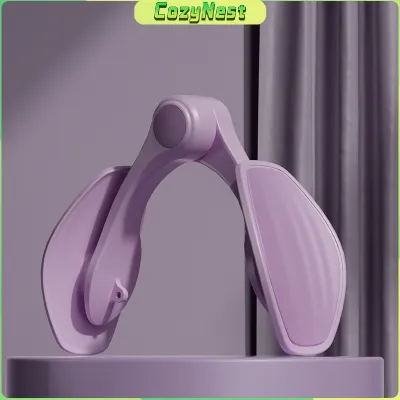
Prices are valid at publication and may change. Please refer to the product page for the latest price.
In contrast, premium pelvic floor trainers that exceed ₱1,500 typically feature electronic biofeedback sensors or electrical muscle stimulation (EMS) technology. These high-end devices connect wirelessly to smartphone applications to guide you through gamified workouts and track your contraction strength in real-time. While these digital features are convenient, they do not inherently make the physical exercise more effective. By choosing a manual trainer, you sacrifice automated tracking and digital convenience, but you do not compromise on the physical benefits of resistance training.
Essential Safety and Material Checks for Postpartum Use
When shopping for any intimate wellness product, especially during the sensitive postpartum period, material safety must be your absolute highest priority. Postpartum tissues are highly sensitive, healing, and exceptionally vulnerable to infections or micro-tears. Therefore, you must carefully verify the materials used in any budget trainer before making a purchase. Look for products explicitly labeled as being made from 100% medical-grade silicone, which is non-porous, hypoallergenic, and easy to sanitize.

Avoid products that use vague terms like “soft-touch plastic,” “body-safe rubber,” or “elastomer” without specifying the exact material. Cheap plastics and low-grade rubbers often contain harmful chemicals such as phthalates, bisphenol A (BPA), or heavy metals, which can leach into the body. Furthermore, porous materials can trap microscopic bodily fluids and bacteria, making them nearly impossible to clean thoroughly, particularly in the warm, humid climate of the Philippines where mold and bacteria thrive.
In addition to material composition, inspect the physical construction of the trainer. Prioritize seamless, single-piece molded designs where the retrieval cord or loop is an extension of the main body rather than a separate attached string. Devices with visible seams, joints, or glued parts present two major risks: they can harbor bacteria in the tiny crevices, and they are more likely to break or separate during use. A sturdy, seamless design ensures both hygienic safety and peace of mind during your recovery sessions.
How to Match the Trainer to Your Recovery Stage
Selecting the right pelvic floor muscle trainer depends heavily on your current stage of postpartum recovery and your baseline muscle strength. Immediately after childbirth, your pelvic floor muscles are stretched and weakened, meaning you must start with very low resistance. Look for progressive training sets that offer a wide range of weights, starting as light as 20 to 30 grams. Starting with a weight that is too heavy will only cause muscle fatigue, frustration, and potential strain on already weakened tissues.
The physical dimensions of the trainer are equally important for comfort and safety. For internal trainers, choose a size that feels comfortable and non-intimidating; many progressive sets offer smaller diameters for beginners or those experiencing postpartum sensitivity. Additionally, ensure the retrieval cord is long enough to be easily located and grasped while you are in a relaxed, reclined position. A cord that is too short can cause unnecessary anxiety and muscle tension during removal, which defeats the purpose of the exercise.
Progressing through your training should always be guided by comfort rather than speed. You should only move to a heavier weight once you can comfortably hold the current weight for several minutes while walking or performing light household chores without any feeling of downward pressure or fatigue. If you experience any discomfort, slipping, or muscle aching, it is a clear sign to step back to a lighter weight or reduce the duration of your sessions.
Navigating Online Marketplaces: Avoiding Budget Traps
E-commerce platforms in the Philippines offer a vast array of budget pelvic floor trainers, but they also require a highly critical eye to avoid low-quality products and misleading listings. One of the most common traps is the presence of fake medical certifications or exaggerated clinical claims. Sellers may display generic, low-resolution certificates or claim their product is “clinically proven” without any verifiable evidence. Always cross-reference the brand name with reputable medical supply distributors or look for clear, high-resolution packaging photos that list actual manufacturing standards.
Another common issue with budget-friendly “smart” trainers is hidden ongoing costs. Some sellers offer app-connected devices at a surprisingly low price, only for buyers to discover that the companion mobile application requires a paid monthly subscription to access basic workouts. Before purchasing any device that advertises app connectivity, search your smartphone’s app store for the companion app, read user reviews, and verify if the essential features are entirely free to use.
To protect your investment and your health, spend time analyzing seller ratings and verified customer reviews. Look for reviews that specifically mention the physical quality of the product, such as the absence of strong chemical odors, the texture of the silicone, and the durability of the retrieval cord. Finally, keep in mind that pelvic floor trainers are classified as personal hygiene items, meaning reputable platforms and sellers will have strict no-return policies once the packaging is opened. This makes it vital to double-check all product specifications and seller credentials before finalizing your purchase.
When to Pause and Consult a Professional
While a budget-friendly pelvic floor muscle trainer is an excellent tool for general postpartum conditioning, it is not a substitute for professional medical care. Your pelvic floor is a complex system of muscles, ligaments, and nerves that requires careful handling during postpartum recovery. You must listen to your body and stop using any internal or external trainer immediately if you experience sharp pain, unusual vaginal discharge, unexpected bleeding, or an increased sensation of pelvic heaviness.
It is also important to understand that pelvic floor issues are not always caused by muscle weakness. Some women experience hypertonic pelvic floor muscles, meaning the muscles are overly tight and unable to relax. If you use a weighted trainer on already hypertonic muscles, you can worsen your symptoms, leading to chronic pelvic pain, painful intercourse, or increased urinary urgency. A qualified pelvic floor physical therapist or your OB-GYN can perform a physical assessment to determine whether your muscles need strengthening or relaxation.
If you have been using a basic trainer consistently and gently for several weeks but see no improvement in symptoms like urinary leakage, or if your symptoms seem to worsen, seek professional guidance. A physical therapist can design a personalized rehabilitation plan that addresses your specific anatomical needs, ensuring you recover safely and effectively without relying solely on a budget device.
Frequently Asked Questions (FAQ)
Can I use a pelvic floor trainer immediately after giving birth?
No, you should not use any internal pelvic floor trainers immediately after giving birth. Your body requires time to heal from the physical trauma of delivery, and introducing internal objects too early can introduce bacteria, leading to serious infections, or disrupt healing tissues. Generally, you must wait until your postpartum bleeding, or lochia, has completely stopped and you have received explicit clearance from your OB-GYN or healthcare provider, which typically occurs at your six-week postpartum checkup.
Do I need a smart app-connected trainer for effective recovery?
No, you do not need an expensive, smart app-connected trainer to achieve an effective postpartum recovery. While companion apps can offer helpful visual guides and keep you motivated through gamification, the physical benefits of pelvic floor training come entirely from the correct contraction and relaxation of your muscles. Manual trainers, weighted silicone cones, or even unweighted pelvic floor exercises are highly effective when performed with proper form, mindful muscle engagement, and consistent daily practice.
How do I properly clean and store a silicone pelvic floor trainer?
To maintain the hygiene and longevity of your silicone trainer, wash it thoroughly before and after every use with warm water and a mild, unscented, antibacterial soap. Avoid using harsh chemicals, alcohol, or dishwashing liquids, as these can degrade the medical-grade silicone and cause severe irritation to your sensitive postpartum tissues. Dry the device completely with a clean, lint-free towel or let it air dry, then store it in a breathable, clean cotton pouch away from direct sunlight and high humidity to prevent mold growth.

Community discussion
Share your experience or ask a question. Comments are reviewed before publication.