
Selecting the right breastmilk freezer tray is a critical decision for working mothers balancing pumping schedules with professional commitments. The ideal tray must offer certified food-grade safety, flexible portion sizes that match your baby’s shifting appetite, a highly secure lid to prevent spills during long commutes, and a space-saving design that fits into compact or shared freezers. By focusing on these core features, you can streamline your daily transition from the office to the home nursery while preserving the nutritional value of your milk.
For a working mother, every minute saved during the morning rush or a midday pumping break is invaluable. Traditional storage bags can be expensive over time, prone to leaks, and difficult to organize in a crowded freezer. A dedicated breastmilk freezer tray solves these issues by molding expressed milk into convenient, pre-portioned blocks or cubes that can be quickly transferred to long-term storage containers. This approach not only minimizes waste but also simplifies the daily preparation of bottles for caregivers.
How the Right Freezer Tray Simplifies a Working Mom's Routine
Returning to work while continuing to breastfeed requires a seamless, highly organized system. A typical day involves pumping multiple times in an office lactation room, storing the milk temporarily in a shared office refrigerator, and transporting it home in a cooler bag packed with ice blocks. In a tropical climate where outdoor temperatures and humidity remain consistently high, maintaining the cold chain is paramount. The right freezer tray acts as the cornerstone of this workflow, ensuring that your liquid gold is handled efficiently from the moment it is expressed to the moment it is frozen solid.
Products mentioned in this guide
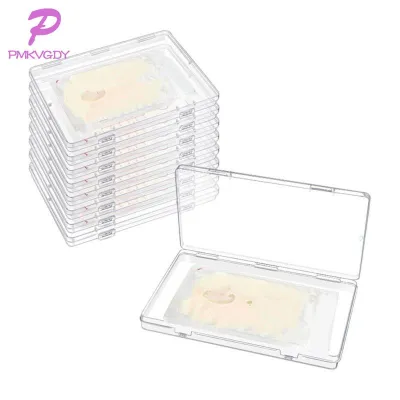
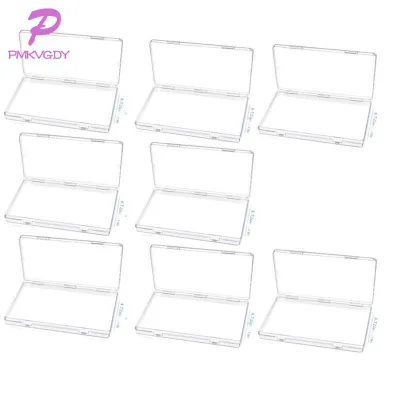
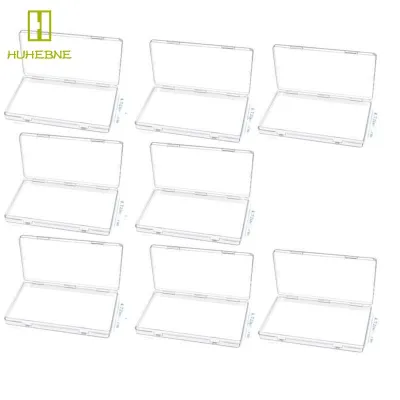
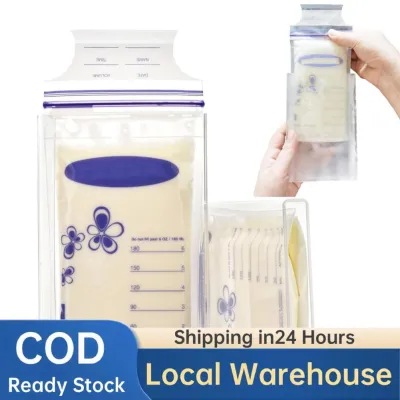
![[LF7L]Flat Breast Milk Freezer Storage Organizer 8 Pcs Clear for Breastfeeding Bag Compatible Space-Saving Breastmilk Freezer Tray](https://img.lazcdn.com/g/p/a4c4a411835fdde5293221a0ff45f851.jpg_400x400q80.jpg_.webp)
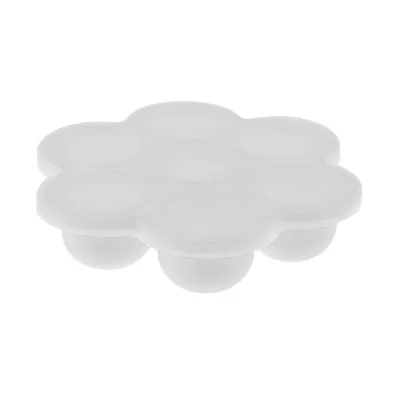
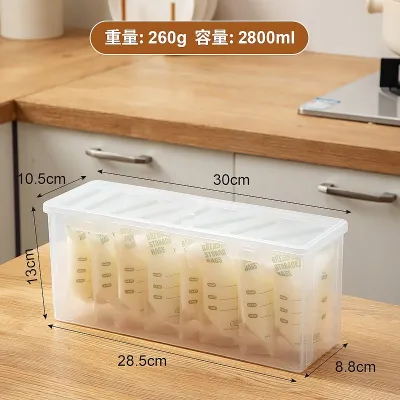
Prices are valid at publication and may change. Please refer to the product page for the latest price.
One of the most common pain points for commuting mothers is the risk of spills and leaks during transport. Carrying liquid milk in flimsy containers or unsealed bags through bumpy commutes—whether in a private vehicle or via public transit—is a recipe for stress and lost milk. A freezer tray with a secure, spill-resistant lid allows you to pour your freshly pumped milk directly into measured compartments, keeping it safe and contained inside your insulated cooler bag until you reach your home freezer.
Once home, the challenge shifts to freezer space management. Shared household refrigerators or compact freezer compartments can quickly become cluttered with bulky bags. A stackable freezer tray allows you to maximize limited vertical space, keeping your freezer organized and preventing other frozen goods from crushing your stored milk. This structured arrangement ensures that your freezer remains tidy and sanitary, reducing the risk of cross-contamination from adjacent food items.
Finally, the morning rush demands a hassle-free preparation routine. When your baby is hungry and the caregiver is waiting, struggling to thaw a large, solid block of milk is incredibly frustrating. Freezer trays create smaller, standardized portions that thaw rapidly and evenly. This quick-thawing capability significantly reduces preparation time, allowing you to hand over ready bottles quickly and head to work with peace of mind.
Essential Features to Prioritize for Efficiency and Safety
Material Safety and Flexibility
The material of your freezer tray directly impacts both its ease of use and its safety. Food-grade silicone has become the industry standard for premium trays due to its exceptional flexibility, which allows you to pop out frozen milk blocks with minimal effort. In contrast, traditional hard plastic trays offer structural rigidity, making them easier to carry when filled with liquid milk, but they often require twisting or physical force to release the frozen cubes, which can lead to accidental breakage or spills.

When selecting a tray, it is vital to physically inspect the packaging and manufacturer labels to verify food-grade certifications and explicit BPA/BPS-free claims. Do not rely solely on online product descriptions, as compliance standards can vary widely. Look for clear stamps or embossed symbols on the bottom of the tray indicating that the material is certified safe for food contact and can withstand extreme freezing temperatures without leaching harmful chemicals.
Over time, all materials undergo wear and tear. You must regularly inspect your trays for any signs of physical degradation, such as deep scratches, persistent cloudiness, or a sticky texture. These imperfections can harbor harmful bacteria that are difficult to eliminate through standard washing. If a tray shows any of these warning signs, it should be discarded immediately and replaced to protect your baby’s developing immune system.
Portion Sizes and Cube Capacity
Breastmilk freezer trays typically feature compartments measured in standardized ounce (oz) or milliliter (ml) increments, commonly ranging from 0.5 oz (approx. 15 ml) to 2 oz (approx. 60 ml) per compartment. Understanding these measurements is crucial for matching your baby’s current feeding volume and your typical pump output. For instance, if you pump an average of 4 ounces per session, a tray with 1-ounce compartments allows you to distribute your milk evenly without leaving half-filled slots.
A baby’s appetite changes rapidly during their first year of life, transitioning from small, frequent feeds to larger volumes. Choosing a tray with smaller, standardized increments—such as 1-ounce blocks—provides maximum flexibility. You can easily combine multiple frozen blocks to create a customized bottle size (for example, combining three 1-ounce blocks for a 3-ounce feed), which prevents the waste associated with thawing a single, large 4-ounce bag when your baby only wants a small snack.
Furthermore, smaller portions offer a distinct physical advantage: they thaw much faster and more uniformly than large volumes. This rapid thawing is a major time-saver for working mothers during busy mornings or when a caregiver needs to prepare an unexpected feed. Evenly thawed milk also ensures that the temperature is consistent throughout the bottle, eliminating the risk of cold pockets that might cause your baby to reject the feed.
Lids, Stackability, and Spill Prevention
The lid mechanism of a freezer tray is just as important as the tray itself, particularly for working mothers who must transport milk. Snap-on hard plastic lids provide a rigid, secure seal that prevents liquid milk from sloshing out during a bumpy commute. On the other hand, flexible silicone covers can be easier to peel off when frozen but may not offer the same level of leak-proof security if the tray is tilted or compressed inside a packed cooler bag.
For a successful commute, look for trays that feature airtight, interlocking, or silicone-rimmed lids that lock firmly into place. These designs ensure that the liquid milk remains entirely contained within its individual compartments, even if your cooler bag shifts during transit. A truly leak-proof lid also prevents the milk from absorbing unwanted odors from other foods in shared office refrigerators or home freezers, preserving its natural taste.
Stackability is another critical factor for optimizing limited freezer real estate. High-quality trays are designed with recessed lids or interlocking grooves that allow multiple trays to be stacked securely on top of one another without sliding. This structural stability prevents the weight of the upper trays from crushing the lids or the milk in the trays below. By utilizing vertical space, you can build a neat, organized milk stash without taking over the entire freezer.
Comparing Common Tray Designs: Which Style Fits Your Workflow?
To help you decide which tray design best fits your daily routine, it is helpful to evaluate the three primary structural styles available on the market. Each design offers a distinct set of trade-offs regarding ease of transport, ease of milk release, and overall durability. The table below outlines these key differences to guide your selection.
| Tray Design Style | Material Composition | Release Mechanism | Stackability Rating | Best Use Case |
|---|---|---|---|---|
| Fully Flexible Silicone | 100% food-grade silicone tray and cover | Push up from the bottom of each flexible cup | Moderate (requires a flat surface to prevent sagging) | Mothers with ample flat freezer space who prioritize effortless cube removal |
| Silicone with Rigid Frame | Flexible silicone cups embedded in a hard plastic frame | Push up from the bottom; frame provides structural support | High (rigid frame prevents sagging or bending) | Commuting mothers who need to carry filled trays safely without spilling |
| Traditional Hard Plastic | Rigid, BPA-free hard plastic tray and snap-on lid | Twist or flex the tray to break the ice seal | High (very sturdy and easy to stack) | High-volume stash building where trays are handled frequently |
Fully flexible silicone trays are highly favored for their effortless release mechanism; you simply press the bottom of each compartment to pop out the frozen milk. However, because they lack structural rigidity, they can sag or twist when filled with liquid milk, making them challenging to carry from the sink or counter to the freezer without spilling. If you choose this style, using a flat cutting board or baking sheet underneath the tray during the initial freezing process can help maintain stability.
Silicone trays with rigid plastic frames offer the best of both worlds. The hard plastic frame provides the necessary structural support to keep the tray perfectly level during transport and stacking, while the individual silicone cups allow for easy, painless milk release. This hybrid design is particularly well-suited for working mothers who need to fill trays quickly at work and transport them home in a cooler bag, as it minimizes the risk of accidental spills and structural collapse.
Traditional hard plastic twist-release trays are highly durable and stack exceptionally well, but releasing the frozen milk can be physically demanding. These trays often require you to twist the entire structure or run warm water over the back to loosen the cubes, which can occasionally result in the milk cracking or flying out unexpectedly. While they are often more budget-friendly, the extra effort required for milk release is an important trade-off to consider if you have limited time.
Safe Storage, Thawing, and Tray Maintenance
Maintaining absolute hygiene and safety when handling breastmilk is vital for your baby’s health. While general guidelines suggest that frozen breastmilk can be stored in a standard home freezer for 3 to 6 months (and up to 12 months in a deep freezer), you should always verify and follow the latest storage timelines recommended by your pediatrician or local health authorities, such as the Department of Health (DOH) in the Philippines. Keeping a clear record of your freezing dates is essential to ensure you use the milk within these safe windows.
When it comes to thawing your frozen breastmilk cubes, the safest method is to transfer the required number of blocks into a clean feeding bottle and let them melt in the refrigerator overnight. If you need to prepare a bottle quickly, you can place the sealed bottle containing the frozen cubes into a warm water bath or under warm running water. Always test the temperature of the milk on the inside of your wrist before feeding your baby to ensure it is comfortably warm and safe.
You must never thaw breastmilk at room temperature, particularly in tropical climates like the Philippines, where high ambient heat and humidity create an environment where harmful bacteria can multiply rapidly. Additionally, avoid using a microwave to thaw or heat breastmilk. Microwaving creates dangerous hot spots that can burn your baby’s mouth, and the intense heat can destroy the delicate proteins, antibodies, and vital nutrients present in your milk.
Proper maintenance of your freezer trays is equally crucial for long-term safety. Before using a new tray, and after every subsequent use, clean it thoroughly according to the manufacturer’s care instructions. Many silicone and high-quality plastic trays are safe for the top rack of the dishwasher, but hand washing with warm, soapy water and a soft sponge is often recommended to prevent scratching. If a tray begins to retain persistent soapy odors, food smells, or stubborn stains that do not fade after a thorough wash, stop using it for breastmilk storage immediately.
Building and Rotating Your Freezer Stash Efficiently
Managing a breastmilk stash while working full-time requires a systematic approach to prevent waste and reduce daily decision fatigue. A highly effective strategy is to batch your pumping sessions. Once your milk is frozen into solid blocks in your freezer trays, pop them out and transfer them into a larger, food-safe silicone bag or airtight container. This frees up your trays for the next day’s pumping sessions and keeps your freezer organized.
Before placing the frozen blocks into long-term storage, use a food-safe marker or pre-printed labels to record the exact date of expression and the total volume of each block. Labeling is a simple yet powerful step that eliminates guesswork when you or a caregiver are preparing bottles. It ensures that everyone involved in feeding your baby knows exactly how much milk is in each container and when it was frozen.
To maintain the nutritional quality of your stash, implement a strict “first in, first out” (FIFO) rotation system. Arrange your stored milk blocks chronologically, placing the oldest milk at the front or top of your freezer storage container so it is used first. This disciplined rotation ensures that no milk sits in the freezer past its safe expiration date, maximizing the value of your hard work and providing your baby with the freshest possible nutrition.
Frequently Asked Questions (FAQ)
Can I stack breastmilk trays before the milk is fully frozen?
It is highly recommended to freeze your breastmilk trays flat on a level shelf first, and only stack them once the milk has frozen completely solid. Stacking trays while the milk is still liquid carries a high risk of spills, uneven freezing, and the bottom tray’s lid collapsing under the weight of the top tray. The only exception is if your specific tray features a highly secure, rigid, interlocking lid design that is explicitly certified by the manufacturer as leak-proof and designed for liquid stacking.
How do I safely release milk from a rigid plastic tray?
To safely release frozen breastmilk from a rigid plastic tray, gently twist the tray back and forth to break the ice seal, or briefly run warm water over the bottom exterior of the tray to loosen the cubes. You must never use sharp objects like knives, forks, or metal spatulas to pry the frozen milk out. Using sharp tools can easily scratch the plastic surface, creating microscopic grooves that harbor bacteria and compromise the sanitary safety of future batches of milk.
Community discussion
Share your experience or ask a question. Comments are reviewed before publication.