
A breastfeeding pillow is safe for newborns only when used for its intended purpose: active, awake, and closely supervised feeding sessions. While these popular nursery items provide invaluable physical support for mothers, they are never safe for unsupervised lounging, resting, or sleeping. Understanding the strict boundaries of these products is a critical step in keeping your baby safe during their first few months of life.
In warm and humid tropical climates like the Philippines, managing feeding routines requires careful attention to both comfort and safety. The soft, contoured design of a nursing pillow can make feeding sessions much more comfortable, but it also introduces specific hazards if the baby is left unattended. Caregivers must treat these pillows strictly as feeding aids rather than sleep positioners or general baby loungers.
The Intended Purpose and Strict Limits of a Breastfeeding Pillow
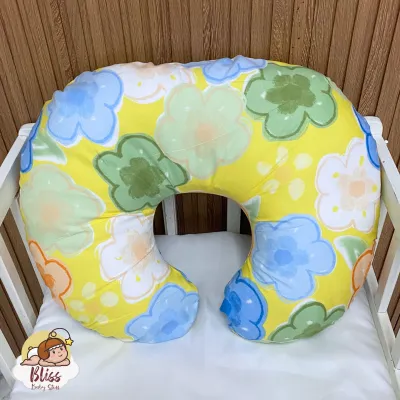
A breastfeeding pillow is specifically engineered to assist caregivers with the physical demands of nursing or bottle-feeding. By wrapping around the caregiver’s waist, the pillow raises the newborn to the level of the breast or bottle, reducing the need to slouch or strain the back, neck, and shoulders. This ergonomic lift helps establish a comfortable latch and allows the caregiver to maintain a relaxed posture during long feeding sessions.
Products mentioned in this guide


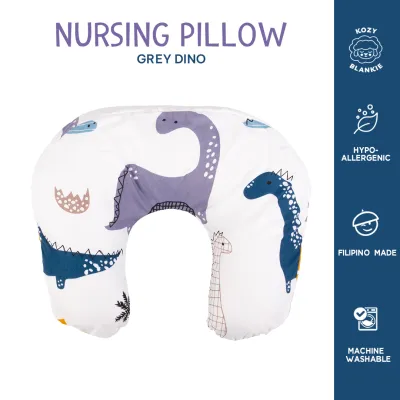

Prices are valid at publication and may change. Please refer to the product page for the latest price.
Despite their comfortable appearance, these pillows are not designed, tested, or certified to serve as infant sleep surfaces. The soft, plush materials and curved shapes that make them excellent for supporting a baby’s weight during a feed are the very characteristics that make them dangerous for sleep. Safe infant sleep requires a completely different set of structural properties than those found in a nursing support cushion.
The critical distinction lies between active, supervised feeding and passive, unsupervised rest. During a feed, the caregiver is awake, alert, and actively holding the baby, constantly monitoring their breathing, positioning, and comfort. Unsupervised rest, even for a few minutes while a caregiver steps away, removes this vital layer of protection and exposes the newborn to immediate environmental hazards.
Recognizing the Safety Risks of Improper Use
Using a breastfeeding pillow outside its intended, supervised purpose introduces several life-threatening hazards to a newborn. The most prominent of these is the risk of suffocation, which can occur rapidly and silently. Because a newborn lacks the head control and neck strength to rescue themselves from a compromised position, any contact with soft, yielding fabric can block their nose and mouth.

If a baby rolls slightly or slumps down into the hollow center of a U-shaped pillow, their face can easily become pressed against the plush fabric. This soft material can conform to the baby’s face, trapping exhaled carbon dioxide and blocking fresh oxygen from entering their airway. This hazard is heightened in humid environments where moisture from sweat or spit-up can make fabrics even less breathable.
Another severe danger is positional asphyxia, a condition where a baby’s physical position restricts their ability to breathe. A newborn’s airway is highly flexible and narrow, similar to a thin straw. If a baby is propped up on a soft pillow and their head slumps forward so that their chin touches their chest, this narrow airway can easily kink and close. Because positional asphyxia can occur without any struggling, coughing, or noise, an unattended baby can suffocate silently in a matter of minutes.
Fall hazards represent another major risk when nursing pillows are used improperly. Caregivers sometimes place these pillows on elevated surfaces like adult beds, sofas, or changing tables to prop up a baby. Newborns can unexpectedly wiggle, slide, or roll off the slick fabric of the pillow, leading to dangerous falls onto hard floors or entrapment between the pillow and the cushions of a sofa.
Actionable Precautions for Supervised Feeding
To ensure safety during feeding sessions, caregivers must implement strict, non-negotiable precautions every single time they use a breastfeeding pillow. The most fundamental rule is maintaining constant visual and physical contact with the newborn. This means keeping the baby within arm’s reach and keeping your eyes on them throughout the entire feed, avoiding distractions like mobile phones or television.
Proper physical positioning is essential to keep the baby’s airway completely clear and unobstructed. When placing the baby on the pillow, ensure their head, neck, and spine are aligned in a straight line, rather than twisted or bent. The baby’s head should be positioned high enough on the pillow that their chin is lifted away from their chest, allowing for easy, unrestricted breathing.
The caregiver’s own physical setup also plays a major role in safety. Always use the breastfeeding pillow while seated in a stable, supportive chair with your feet flat on the floor. Avoid using the pillow while lying down in bed or reclining deeply on a soft sofa, as these positions increase the likelihood of the caregiver falling asleep during the feed. If you feel yourself becoming drowsy, immediately put the baby down in a safe sleep space before you close your eyes.
In warm tropical climates, heat retention is an additional factor to monitor during feeding. The close physical contact between caregiver and baby, combined with a thick foam or fiber-filled pillow, can quickly cause the baby to overheat. Keep the feeding area well-ventilated, dress the baby in lightweight, breathable clothing, and regularly check the back of their neck to ensure they are not sweating excessively.
Safe Sleep Transitions: When to Stop Using the Pillow
A clear and immediate transition plan must be executed the moment a feeding session ends or the baby begins to show signs of sleepiness. The universal standard for safe infant sleep is that a baby must always sleep on a firm, flat, and completely empty surface. A breastfeeding pillow does not meet any of these criteria and must never be used as a transition tool to help a baby sleep.
If your newborn falls asleep while feeding on the pillow, you must immediately transfer them to a safe sleep environment, such as a crib or bassinet. Do not wait for the baby to fall into a deep sleep, and do not leave them on the pillow for even a few minutes while you finish a task. The transition must be prompt and direct, ensuring the baby is placed flat on their back on a firm mattress.
Recognizing the early signs of infant fatigue can help you time this transition perfectly. Signs such as rubbing eyes, yawning, looking away, or becoming fussy indicate that the baby is ready to sleep. Instead of letting the baby drift off on the nursing pillow, proactively move them to their crib or bassinet before they fall asleep, which also helps establish healthy, independent sleep habits over time.
In many households, there is a strong temptation to use the pillow as a convenient lounger for a sleeping baby because it seems to keep them cozy and upright. However, this convenience carries extreme risks that are entirely avoidable. A safe sleep space must remain completely free of pillows, blankets, bumper pads, and toys, ensuring that there is nothing in the sleep environment that could accidentally cover the baby’s face or restrict their breathing.
Selecting and Caring for Your Pillow Safely
Choosing the right breastfeeding pillow and maintaining it properly are essential steps in preserving its safety and structural integrity. When shopping for a pillow, prioritize firm support over plush softness. A high-quality nursing pillow should feel firm to the touch and should not sag or compress significantly under the baby’s weight, as a firm surface prevents the baby from sinking into a dangerous pocket of fabric.
Always check the manufacturer’s documentation for specific guidelines, including recommended age limits, weight ranges, and safety warnings. Different designs may have varying weight capacities, and some may not be suitable for very small or premature newborns. Never assume a pillow is safe for a specific developmental stage without verifying the manufacturer’s official instructions. If you have concerns about your baby’s development or feeding posture, consult a qualified pediatrician or lactation consultant.
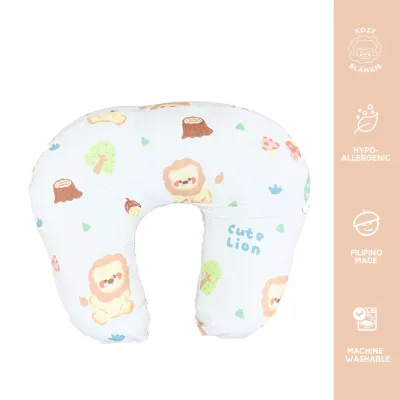
Hygiene and maintenance are particularly important in humid climates where sweat, spilled milk, and humidity can create a breeding ground for bacteria, mold, and dust mites. Select a pillow that features a removable, machine-washable cover made from breathable, hypoallergenic fabric. Wash the cover regularly using a mild, baby-safe detergent to prevent skin irritation and maintain a clean feeding environment.
Regularly inspect the entire pillow for signs of wear and tear that could compromise its safety. Check the seams for loose threads, inspect the zippers to ensure they are secure and covered, and look for any clumping or loss of filling. If the pillow loses its original shape, becomes lumpy, or fails to provide firm, level support, it is time to replace it to prevent positioning hazards.
Frequently Asked Questions (FAQ)
Can a breastfeeding pillow be used for supervised tummy time?
Yes, some breastfeeding pillows can be used to support a baby during awake, supervised tummy time, provided you follow strict safety guidelines. You can place the baby prone over the pillow with their arms and chest supported by the cushion, which can help them practice lifting their head. However, this activity must only occur when the baby is fully awake, alert, and under constant, active adult supervision. You must stop the activity immediately if the baby shows signs of fatigue, slides down, or attempts to roll over, as these movements can quickly lead to a blocked airway.
Are there any breastfeeding pillows approved for infant sleep?
No, there are no breastfeeding pillows, nursing cushions, or infant positioners that are approved or certified for safe infant sleep. Pediatric health organizations and consumer safety agencies worldwide agree that soft, contoured, or inclined surfaces are inherently unsafe for sleeping babies. To ensure your baby’s safety, they must always sleep flat on their back on a firm, flat mattress in a crib, bassinet, or play yard that is completely free of soft bedding, pillows, and toys.

Community discussion
Share your experience or ask a question. Comments are reviewed before publication.