
Choosing the right breastfeeding nipple protection depends entirely on whether you are nursing directly, pumping, or managing specific physical challenges. There is no single “best” product; nipple shields address latch mechanics, creams focus on skin recovery, and flange inserts optimize pump fit. Matching the right solution to your specific feeding or pumping scenario based on observable needs and manufacturer guidelines is the most effective way to ensure comfort and success. Navigating the early weeks of parenthood often involves adjusting to new physical sensations, and having a clear understanding of how these tools function can prevent unnecessary discomfort and support your feeding goals.
Understanding Your Nipple Protection Needs
Breastfeeding and pumping are deeply personal journeys, but they often come with physical adjustments that can cause discomfort. Identifying the exact source of your discomfort is the first step toward finding relief. Direct breastfeeding challenges, such as a baby struggling to latch or dealing with flat or inverted nipples, require different solutions than the mechanical friction and pressure caused by breast pumping. Understanding whether your discomfort stems from latch mechanics, skin dryness, or pump sizing will guide you to the correct category of protection.
In a tropical climate like the Philippines, high humidity and heat can exacerbate skin friction and sweat accumulation. This makes it even more critical to distinguish between mechanical issues and skin barrier issues. Sweat can collect under breast pump flanges or nursing bras, leading to chafing and localized irritation that might be mistaken for a poor latch. Recognizing how environmental factors interact with your skin helps you choose products that soothe without trapping excess moisture.
Products mentioned in this guide
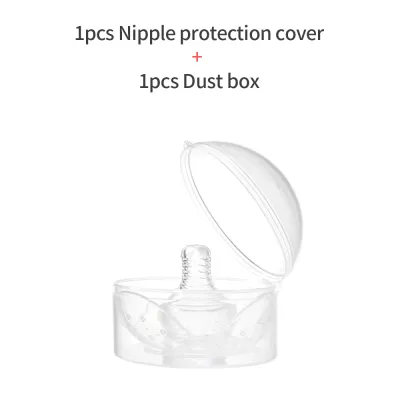
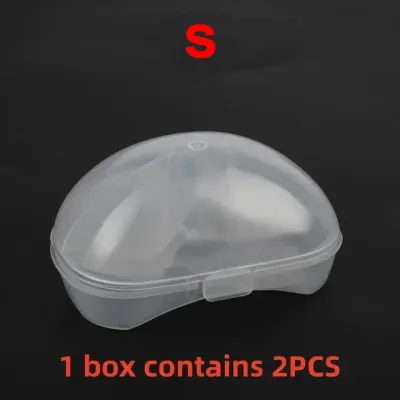
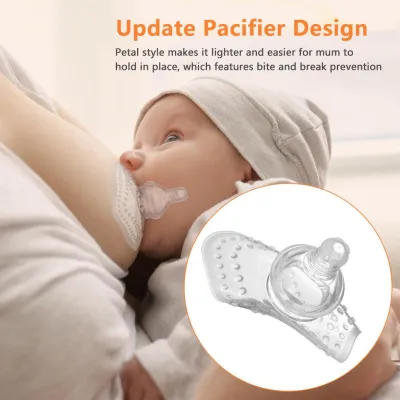
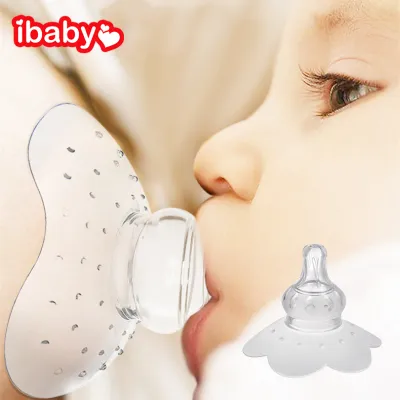
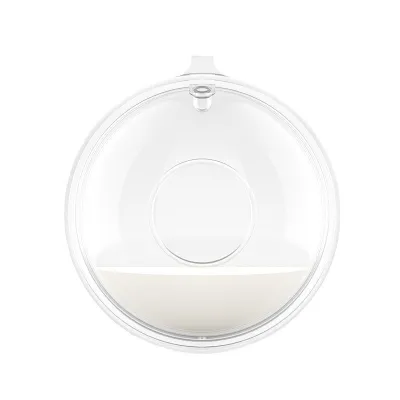

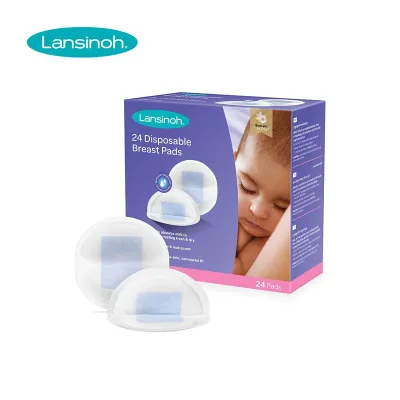
Prices are valid at publication and may change. Please refer to the product page for the latest price.
While minor adjustments can resolve many common issues, some symptoms require professional evaluation. If you experience severe, persistent pain, notice signs of infection, or suspect your baby is not getting enough milk, stop home interventions. Consulting a lactation consultant or healthcare provider is essential to protect both your health and your baby’s nutrition. Self-diagnosing severe pain can delay necessary medical care or lead to early cessation of breastfeeding.
Nipple Shields: Best for Latch and Direct Nursing Support
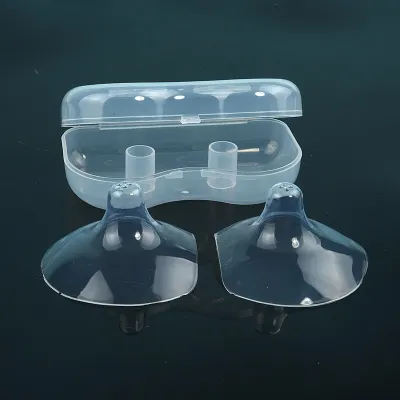
Nipple shields are thin, flexible silicone covers worn over the nipple and areola during direct breastfeeding. They are primarily designed as temporary tools to assist babies who have difficulty latching, such as premature infants or those struggling with oral anatomy. They also provide a firm shape that helps babies latch onto flat or inverted nipples. By mimicking the shape of a bottle nipple, they can bridge the gap for babies transitioning from bottle to breast.

Because a shield acts as a physical barrier, you must carefully monitor your baby’s feeding efficiency. Check for consistent weight gain, active swallowing during feeds, and an adequate number of wet and dirty diapers daily. These observable signs help ensure the shield is not hindering milk transfer or reducing your overall milk supply. A shield that is poorly positioned or incorrectly sized can restrict milk flow, leading to frustrated feeds and potential supply drops.
Proper hygiene is critical when using these silicone accessories, especially in warm, humid environments where bacteria can multiply quickly. Always follow the manufacturer’s instructions for washing, sterilizing, and storing your shields. Additionally, work with a lactation professional to develop a plan for eventually weaning your baby off the shield once latching mechanics improve. Using a shield without professional guidance can sometimes mask underlying latch issues that need to be addressed directly.
Nipple Creams and Balms: Best for Soothing and Healing
Nipple creams and balms are topical formulations designed to soothe sore, dry, or cracked skin. When selecting a product, carefully review the ingredient list to match your skin sensitivities and your baby’s needs. Lanolin-based creams offer a thick, moisture-sealing barrier, while plant-based or vegan alternatives use natural oils and butters that may feel lighter on the skin. In humid climates, lighter formulations might feel more comfortable and less sticky during daily wear.
Application timing and safety instructions vary significantly by brand. Some products are formulated with food-grade ingredients that do not need to be wiped off before nursing, while others require thorough removal to prevent your baby from ingesting the residue. Always read the specific product label to determine if wiping is necessary before your baby latches. Wiping too vigorously can further irritate sensitive skin, so choosing a no-wipe formula can sometimes minimize physical friction.
Topical creams are excellent for surface-level skin recovery, but they cannot cure underlying medical conditions. If you experience deep, shooting breast pain or notice persistent redness and warmth, you may be dealing with thrush or mastitis. These conditions require targeted medical treatment from a healthcare provider rather than simple topical balms. Relying solely on creams for internal infections can allow the condition to worsen, potentially leading to more severe complications.
Breast Pump Flange Inserts: Best for Pumping Comfort and Efficiency
Breast pump flange inserts are silicone or plastic reducers that fit inside a standard pump flange tunnel. Their primary purpose is to adjust the tunnel diameter to match your nipple size more closely. A properly fitted insert reduces friction, minimizes swelling, and prevents the pump from pulling too much of your areola into the tunnel. This structural adjustment is crucial for parents who pump exclusively or frequently throughout the day.
Finding the correct size requires measuring your nipple diameter, excluding the areola, before a pumping session. Keep in mind that nipple size can change postpartum due to hormonal shifts and regular pumping. Measuring periodically ensures your inserts continue to match your physical dimensions as your body adapts. Many manufacturers provide printable sizing guides or physical measuring tools to help you determine the exact millimeter measurement needed.
After sizing your inserts, monitor your comfort and milk output during subsequent pumping sessions. If the insert is the correct size, you should feel a gentle tugging sensation without pinching or rubbing, and your milk should flow freely. If you notice persistent discomfort or a sudden drop in milk yield, you may need to adjust the insert size. A correct fit not only protects your skin but also optimizes the vacuum pressure of your pump for better milk expression.
Decision Framework: Which Product Fits Your Scenario?
To choose the right protection, evaluate your primary feeding method and the specific symptoms you are experiencing. If you are nursing directly and your baby is struggling to latch or stay attached, a nipple shield can provide the structural support needed, provided you monitor milk transfer closely. This tool is best reserved for specific latch mechanics rather than general soreness.
If your primary issue is surface-level soreness, dryness, or minor cracking after feeding sessions, a high-quality nipple cream will provide the necessary skin barrier support. This is particularly helpful in humid conditions where sweat can irritate sensitive, healing skin. Creams can be used alongside other tools, provided they are applied correctly and do not interfere with equipment seals.
For those who pump frequently, flange inserts are the go-to solution if you experience rubbing, pinching, or poor milk expression during pumping sessions. Adjusting the tunnel size directly addresses the mechanical friction of the pump. Ensuring a proper fit can prevent long-term tissue damage and make pumping a much more sustainable routine.
If your pain persists across multiple sessions, if your milk transfer remains low, or if your symptoms worsen despite using these products, seek guidance from a qualified lactation professional. A professional assessment can identify underlying latch or sizing issues that home products cannot resolve. They can also help you create a customized plan that combines these tools safely and effectively.
Frequently Asked Questions (FAQ)
Can I use nipple cream while using a nipple shield or pump flange?
Using nipple cream simultaneously with a nipple shield or pump flange requires caution. Excess cream can create a slippery surface, which may compromise the suction seal of your pump flange or cause a nipple shield to slip out of place during nursing. This can lead to frustration for both you and your baby, as well as inefficient milk expression.
To ensure proper function, follow the manufacturer’s instructions for both your topical cream and your feeding gear. If the cream label or your pump manual advises against combined use, thoroughly wipe or wash off any excess cream from your skin before applying the shield or starting your pumping session. Keeping the contact surfaces clean and dry helps maintain the necessary friction and suction.
How do I know if my nipple shield or flange insert is the wrong size?
An improperly sized nipple shield often causes the baby to slip off frequently, leads to poor milk transfer, or results in maternal pain during feeding. If you notice your baby struggling to stay latched, making clicking sounds, or if your breasts still feel full after a feed, the shield size may be incorrect. A shield that is too small can pinch the nipple, while one that is too large can prevent proper suction.
For flange inserts, signs of a poor fit include your nipple rubbing painfully against the tunnel walls, excessive areola being pulled into the tunnel, or a noticeable decrease in milk yield. If you observe any of these signs, re-measure your nipple diameter and adjust your insert size accordingly. A correct fit should allow the nipple to move freely in and out of the tunnel without causing friction or pain.
Community discussion
Share your experience or ask a question. Comments are reviewed before publication.