
Breastfeeding nipple creams are generally safe for your baby, provided you select products formulated with highly purified, food-grade ingredients and strictly follow the manufacturer’s application guidelines. Because your baby’s mouth comes into direct contact with your breast during nursing, any topical product applied to the nipple area can potentially be ingested. Understanding how to evaluate these products ensures you can soothe sore skin without compromising your infant’s health.
Understanding Nipple Cream Safety Basics
Using a breastfeeding nipple cream is a common way to manage the discomfort, dryness, and cracking that often accompany the early weeks of lactation. In warm and humid tropical climates, such as in the Philippines, the skin of the breast is frequently exposed to moisture from sweat, milk leaks, and frequent nursing. This constant moisture, combined with friction from a baby’s latch, can compromise the delicate skin barrier of the areola and nipple. Applying a protective cream helps lock in moisture and promotes natural healing, but it also introduces a substance that your baby might swallow.
When you apply any cream to your breast, the ingredients can be absorbed through your skin or remain on the surface. Infant ingestion is the primary safety concern because a newborn’s digestive system and liver are still developing and cannot easily process complex chemicals, synthetic fragrances, or heavy preservatives. Even tiny, repeated exposures to unsafe substances can accumulate in a baby’s system. Therefore, the safety of any nipple cream relies entirely on its formulation and how it is used.
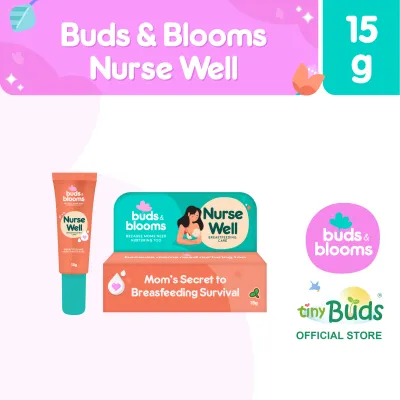
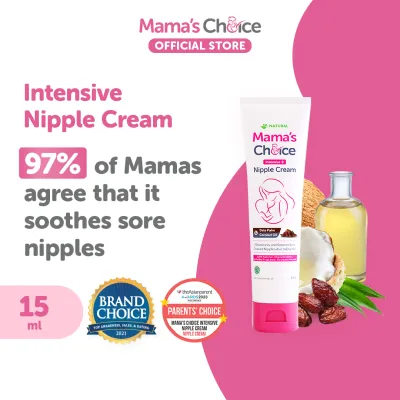
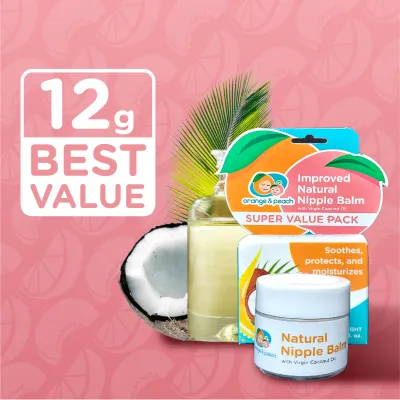
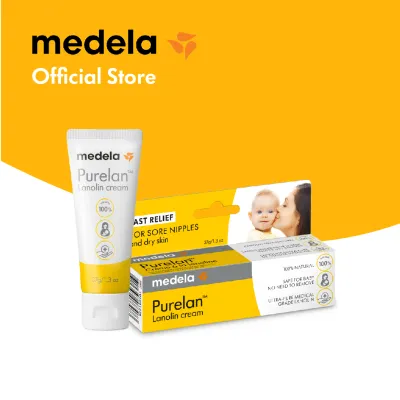
Products mentioned in this guide
![[Bundle of 3] Mama’s Choice Intensive Soothing Nipple Cream | Breastfeeding Nipple Cream | Postpartum Essential](https://img.lazcdn.com/g/p/a48c144261706243f0f53d38b9af3bbe.png_400x400q80.png_.webp)
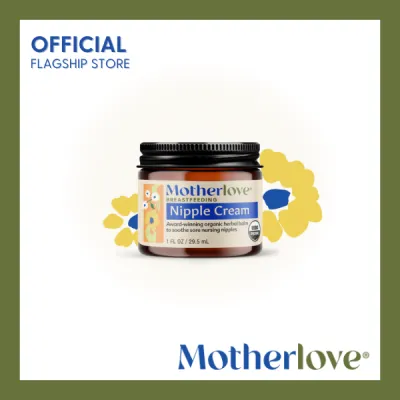
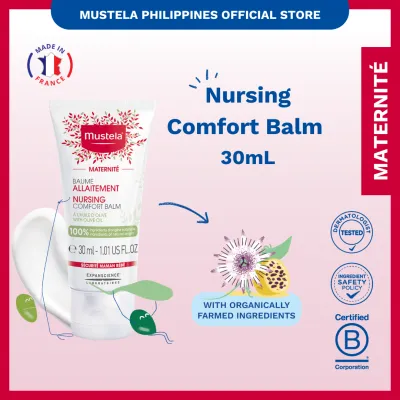
Prices are valid at publication and may change. Please refer to the product page for the latest price.
Manufacturers generally categorize nipple creams into “no-wipe” and “wipe-off” formulations. No-wipe creams are designed with highly purified, edible ingredients that are considered safe for a baby to ingest in minimal amounts. Wipe-off creams, on the other hand, contain heavier barriers, active medical compounds, or ingredients that could interfere with a baby’s digestion or latch, requiring thorough removal before every feeding.
Relying on general marketing claims like “natural,” “organic,” or “hypoallergenic” is not enough to guarantee safety. These terms are often used loosely and do not regulate whether a product is safe for oral consumption by an infant. You must read the specific product labels, verify the ingredient list, and strictly adhere to the manufacturer’s usage guidelines to protect your baby.
How to Read and Evaluate Ingredient Labels
Evaluating the ingredient list is the most reliable way to determine if a breastfeeding nipple cream is safe for your baby. When inspecting a label, look for simple, minimal ingredient lists. The fewer ingredients a cream contains, the lower the risk of exposing your baby to potential allergens or irritants.

Common moisturizing and barrier-repair ingredients include highly purified lanolin, food-grade plant oils, and petroleum jelly. Lanolin is a natural wax obtained from sheep’s wool that closely mimics the skin’s natural lipids. However, you must verify that the label specifies “highly purified” or “medical-grade” lanolin. Unrefined lanolin can contain pesticide residues and environmental impurities that are unsafe for ingestion. Plant-based oils, such as cold-pressed coconut oil, olive oil, or sunflower seed oil, are excellent alternatives for mothers seeking vegan options. Ensure these oils are listed as organic and food-grade. Petroleum jelly (petrolatum) is a highly effective occlusive barrier, but because it does not absorb easily and has a greasy texture, it often requires wiping off to prevent the baby from slipping off the latch.
There are several ingredient categories you should actively cross-check or avoid. Essential oils, such as tea tree, lavender, or peppermint oil, should not be present in nipple creams. These oils have strong scents that can overwhelm a baby’s sensitive sense of smell, and some can be toxic if swallowed. Avoid products containing strong synthetic preservatives like parabens or phenoxyethanol, as well as synthetic fragrances and artificial colorants. Additionally, never use unprescribed medicated compounds, such as creams containing local anesthetics (like benzocaine), steroids, or salicylic acid, on your breasts, as these can be highly dangerous if ingested by an infant.
Always look for explicit manufacturer statements on the packaging regarding breastfeeding safety. Reputable brands will clearly state if the product has been evaluated for use during lactation and whether it requires wiping before nursing. If a product label does not explicitly address breastfeeding safety or ingestion, treat it as a wipe-off product or avoid using it altogether.
Deciding When to Wipe or Wash Before Nursing
Determining whether you need to wipe or wash your breasts before nursing depends entirely on the specific product’s instructions and its ingredient profile. If you are using a certified medical-grade, single-ingredient lanolin or a food-grade plant oil that is explicitly labeled as “no-wipe,” you generally do not need to clean your breasts before feeding. Leaving a thin layer of these safe creams on the skin can continue to protect the nipple barrier during the feed.
However, if the product instructions indicate that it must be removed, or if you have applied a thick, heavy layer of any cream, you must clean the area. To do this safely without damaging your skin, use gentle cleaning methods. Dampen a soft cotton pad or a clean, soft cloth with warm water and gently pat the nipple and areola. Avoid using harsh soaps, alcohol wipes, or vigorous scrubbing. In humid conditions, frequent washing with soap can strip away the skin’s natural protective oils, leading to further dryness, cracking, and pain. Warm water alone is sufficient to remove cream residue while preserving your skin’s natural defenses.
Paying close attention to your baby’s behavior during feeding is also crucial. Infant cues can serve as practical signals to adjust your routine. If your baby displays latch refusal, pulls away from the breast, grimaces, or shows signs of taste aversion, they may be reacting to the texture, smell, or taste of the nipple cream. Even if a cream is labeled as “no-wipe,” gently cleaning your breast with warm water before the next feed can help resolve these issues and encourage a comfortable, successful latch.
Warning Signs: When to Stop and Seek Professional Help
While nipple creams are excellent for managing mild dryness, they are not a cure-all for severe breast pain or infections. You must monitor both your skin and your baby’s reactions to identify when to stop using a product and seek professional medical advice.
Maternal skin warning signs that indicate an adverse reaction include worsening redness, swelling, severe itching, burning sensations, or the appearance of a new rash. If you notice pus, bleeding, or deep cracks that do not heal, these are signs of a potential localized bacterial infection. In tropical climates, the warm, moist environment under nursing pads can easily harbor bacteria and fungi, increasing the risk of infections.
You must also watch for potential infant reactions. If your baby develops unexplained digestive discomfort, unusual fussiness after feeding, a rash around their mouth, or loose stools, they may be reacting to the nipple cream residue. Stop using the cream immediately if you observe any of these signs.
Do not attempt to self-treat persistent breast pain or suspected infections. If you experience shooting pains deep within your breast, fever, flu-like symptoms, or warm, red streaks on your breast, you may be developing mastitis, which requires immediate medical evaluation. Similarly, if you or your baby develop thrush—a fungal infection characterized by pearly white patches in the baby’s mouth and burning, itchy nipples for the mother—you must consult a healthcare provider or a certified lactation consultant. They can provide safe, compatible treatments for both you and your baby, ensuring your breastfeeding journey remains healthy and comfortable.
Frequently Asked Questions (FAQ)
Can I use regular body lotion instead of specific nipple cream?
No, you should not use regular body lotion on your nipples while breastfeeding. Standard body lotions are formulated for general skin care and often contain synthetic fragrances, complex chemical preservatives, colorants, and alcohol. These ingredients are not safe for infant ingestion and can cause digestive upset or allergic reactions in your baby. Furthermore, regular lotions do not undergo the strict safety evaluations required for products used during lactation. Always check with a healthcare provider or a certified lactation consultant before applying any non-breastfeeding-specific skincare products to areas that your baby will directly contact.
Does nipple cream affect the taste of breast milk?
Yes, certain nipple creams can affect the taste and smell of your breast milk or the skin surrounding the latch area. Products containing unrefined plant oils, strong-smelling herbal extracts, or heavy lanolin can have a distinct scent or a greasy texture that alters your baby’s feeding experience. This can sometimes lead to temporary latch refusal or fussiness at the breast. If you notice your baby is reluctant to latch after you apply a cream, try gently wiping the area with a warm, damp cloth before feeding to remove any residual taste or odor.

Community discussion
Share your experience or ask a question. Comments are reviewed before publication.