
Using a cleansing mist while breastfeeding is generally safe, provided you carefully inspect the ingredient list and avoid specific high-risk active compounds. In warm, humid climates like the Philippines, a quick spritz of a facial mist is a popular way to cool down, control excess sebum, and refresh the skin throughout the day. However, because your baby spends hours pressed against your skin during nursing sessions, everything you apply to your face and neck deserves extra scrutiny. While most topical skincare products do not enter the bloodstream in quantities large enough to affect breast milk, certain potent active ingredients, synthetic fragrances, and essential oils can pose risks of skin irritation or systemic exposure for your infant.
How Topical Skincare Affects Breastfeeding
Understanding how your skin interacts with topical products is the first step in building a safe postpartum skincare routine. The skin is a highly effective barrier designed to keep environmental hazards out and moisture in. When you spray a cleansing mist onto your face, the vast majority of the product remains in the outermost layers of the skin, known as the stratum corneum. Only a tiny fraction of most cosmetic ingredients penetrates deeply enough to reach the local blood vessels. This transition from localized skin application to the bloodstream is known as systemic absorption. Because systemic absorption of standard cosmetic products is typically very low, the likelihood of these ingredients passing into your breast milk in significant amounts is also minimal.
However, the safety margin is not uniform across all skincare formulations. Factors such as the molecular size of the ingredients, the presence of penetration enhancers, the health of your skin barrier, and the total surface area of application all influence how much of a product enters your system. For instance, applying a mist over a compromised, sunburned, or chafed skin barrier can significantly increase absorption rates. Furthermore, unlike creams, mists carry a small risk of accidental inhalation or overspray, which can land on your chest or arms where your baby’s sensitive skin might make direct contact. Because of these variables, it is always wise to consult a pediatrician or a dermatologist before introducing new active skincare routines while nursing. A healthcare professional can help you evaluate your specific skin needs and ensure that your postpartum glow does not come at the expense of your baby’s comfort.
Products mentioned in this guide
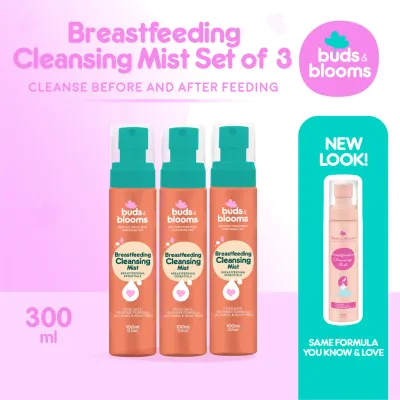
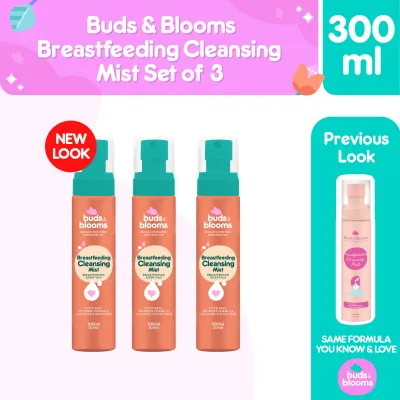
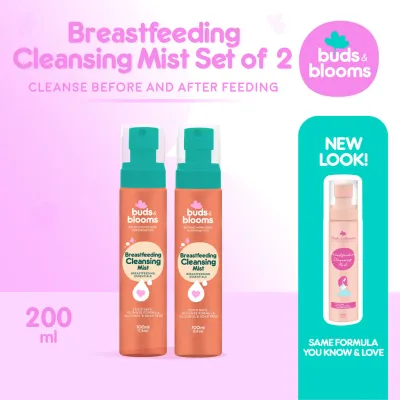
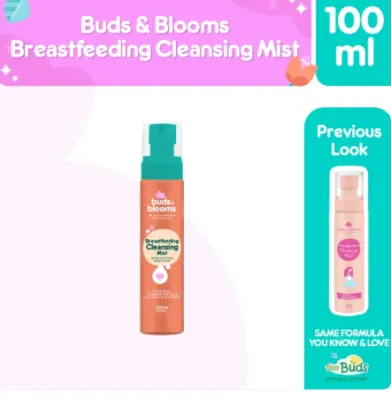
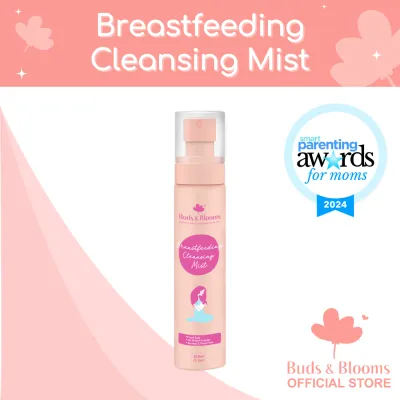
Prices are valid at publication and may change. Please refer to the product page for the latest price.
Common Cleansing Mist Ingredients to Avoid or Limit
When shopping for skincare during lactation, it is crucial to look past front-label marketing claims. Terms like “organic,” “natural,” “hypoallergenic,” or “dermatologist-tested” are often used loosely for marketing purposes and do not guarantee that a product is entirely safe for a breastfeeding mother. Instead, you must develop the habit of reading the full ingredient list, usually printed on the back of the packaging or the outer box. This systematic approach allows you to identify potent actives that require medical clearance before use. The safety profile of any given ingredient during lactation often depends on its concentration, the type of formulation, and where on your body it is applied.

Retinoids and Vitamin A Derivatives
Retinoids are highly celebrated for their ability to accelerate cell turnover, target acne, and reduce the appearance of fine lines. On product labels, you will commonly find them listed as retinol, retinyl palmitate, retinaldehyde, retinyl retinoate, or adapalene. While oral retinoids are strictly contraindicated during pregnancy and breastfeeding due to well-documented risks of birth defects and systemic toxicity, the medical consensus on topical retinoids is more precautionary. Because topical application results in low systemic absorption, the actual risk to a nursing infant is considered low. However, most dermatologists and pediatricians still advise pausing all retinoid-containing products during lactation out of an abundance of caution.
If your current cleansing mist or toner contains any form of Vitamin A derivative, it is best to set it aside until you have finished your breastfeeding journey. If you are struggling with postpartum skin changes and feel the need for an anti-aging or skin-renewing agent, seek professional medical guidance. A doctor can recommend safe, lactation-friendly alternatives, such as bakuchiol or low-concentration glycolic acid, which can deliver similar skin-refreshing benefits without the safety concerns associated with retinoids.
Salicylic Acid and Other Exfoliants
Salicylic acid is an oil-soluble beta hydroxy acid (BHA) commonly used in cleansing mists to penetrate deep into pores, dissolve excess sebum, and prevent breakouts. In the tropical heat of the Philippines, where humidity can trigger postpartum acne, BHA-infused mists are highly sought after. However, salicylic acid is chemically related to aspirin, and high systemic levels are a concern during lactation. The safety of salicylic acid during breastfeeding largely depends on the product format and concentration. Low-concentration wash-off products, such as daily facial cleansers containing 2% or less salicylic acid, are generally considered safe because they are quickly rinsed off the skin, minimizing absorption.
In contrast, a cleansing mist is typically a leave-on product. When you spray a BHA mist and allow it to dry on your face, the active ingredient remains on your skin for hours, increasing the potential for absorption. Additionally, the mist format carries a risk of overspray, which can easily settle on your neck, shoulders, or chest—areas that come into direct contact with your baby’s face during feeding. If you wish to use an exfoliant, look for gentle alpha hydroxy acids (AHAs) like lactic acid, or consult your doctor to verify if a low-concentration BHA product is appropriate for your specific situation.
Essential Oils and Synthetic Fragrances
Many cleansing mists rely on essential oils and synthetic fragrances to provide a refreshing, spa-like sensory experience. On ingredient panels, these are often listed simply as “fragrance,” “parfum,” or by the botanical names of specific oils, such as tea tree oil (Melaleuca alternifolia), lavender oil (Lavandula angustifolia), or citrus peel oils. While these ingredients may seem harmless because they are derived from plants, they are common skin sensitizers. Both synthetic fragrances and concentrated essential oils can cause contact dermatitis, redness, and irritation on your skin, which may already be more sensitive due to postpartum hormonal fluctuations.
More importantly, your nursing baby has incredibly delicate skin and a highly sensitive respiratory system. When you cuddle or nurse your baby, their face is in close proximity to your face and neck. If you have recently sprayed a highly fragranced cleansing mist, the strong scent can overwhelm your baby’s developing senses, and the residue can transfer directly to their skin, leading to allergic reactions, rashes, or respiratory irritation. To minimize these unnecessary risks, it is highly recommended to opt for fragrance-free, hypoallergenic, and simple formulations that prioritize hydration over scent.
How to Choose a Safe Cleansing Mist for Nursing Mothers
Selecting a safe cleansing mist while breastfeeding does not mean you have to abandon your skincare routine entirely. Instead, it is an opportunity to simplify your regimen and focus on high-quality, gentle hydration. When evaluating products at an online marketplace or a local pharmacy, prioritize mists with short, recognizable ingredient lists. A shorter list naturally reduces the likelihood of encountering hidden allergens, harsh preservatives, or unnecessary active compounds that could irritate your skin or affect your baby.
Instead of searching for heavy astringents or complex chemical exfoliants, look for cleansing mists built around soothing, hydrating, and barrier-supporting base ingredients. Excellent options include glycerin, aloe vera, centella asiatica (often listed as cica), chamomile extract, and hyaluronic acid. These ingredients help replenish moisture lost to air conditioning or tropical heat without disrupting your skin’s natural barrier. They are highly stable, low-risk, and exceptionally gentle on both your skin and your baby’s skin.
Before purchasing any new product, make it a rule to cross-reference the full ingredient list with established maternal safety guidelines or consult a healthcare provider. Always verify the manufacturer’s warnings and instructions on the specific product documentation, as suitability can vary by formulation. Once you have selected a safe product, perform a patch test before applying it to your face. Apply a small amount of the mist to your inner forearm or the side of your neck and monitor the area for 24 to 48 hours. If you experience any redness, itching, or burning, discontinue use immediately and consult a professional if the irritation persists. This simple step ensures your personal skin tolerance and protects your baby from coming into contact with a product that triggers an adverse reaction.
Best Practices for Applying Skincare While Nursing
Even when using a completely safe, doctor-approved cleansing mist, how you apply your skincare plays a massive role in keeping your baby safe. The primary risk of topical skincare during lactation is not systemic absorption through your breast milk, but rather direct skin-to-skin transfer or accidental ingestion by your baby. To eliminate this risk, you must establish a strict boundary for product application. Never spray a cleansing mist or apply any other skincare products, creams, or oils to your chest, breasts, or nipple areas. These zones must remain entirely clean and free of cosmetic residue to prevent your baby from inhaling or swallowing any product during feeding.
Another essential habit is washing your hands thoroughly with soap and water immediately after completing your skincare routine. It is easy to forget that residue from mists, serums, and moisturizers remains on your fingertips and palms. If you touch your baby, adjust their clothing, or handle feeding equipment with unwashed hands, you can easily transfer these active ingredients to their sensitive skin. Additionally, keep a close eye on your baby’s skin. If you notice any unexpected redness, dry patches, or tiny bumps on their cheeks, chin, or forehead, consider whether these areas align with where they rest against your face during nursing. If you suspect a reaction, stop using the product immediately and consult your pediatrician.
To further minimize the chance of transfer, time your skincare application strategically. The best time to apply leave-on products, including cleansing mists, is immediately after a feeding session. This practice maximizes the time elapsed before your baby’s next feed, allowing the product to fully absorb into your skin and dry completely. By the time you hold your baby again, the risk of wet product transferring to their skin or clothing is significantly reduced, ensuring a safe and comfortable bonding experience for both of you.
Frequently Asked Questions (FAQ)
Can I use acne treatments while breastfeeding?
Managing postpartum breakouts requires a cautious approach, as many traditional acne treatments contain high concentrations of active ingredients. While mild, wash-off cleansers containing low percentages of benzoyl peroxide or salicylic acid are generally considered acceptable because of their minimal contact time with the skin, leave-on treatments require closer inspection. High-strength spot treatments, topical retinoids, and oral acne medications should be avoided entirely unless specifically prescribed and cleared by your healthcare provider. Always consult your obstetrician or dermatologist to design a safe, effective acne management plan that protects your nursing infant while addressing your skin concerns.
Do I need to wash off cleansing mist before feeding?
Whether you need to wash off a cleansing mist depends entirely on its formulation and where it was applied. If you are using a gentle, hydrating, and fragrance-free leave-on mist strictly on your face, you do not need to wash it off before feeding, provided it has dried completely and your baby’s face will not make direct contact with your skin. However, if the mist contains active exfoliants, strong fragrances, or was accidentally sprayed near your neck and chest, you should wash those areas thoroughly with water before holding your baby to nurse. Keeping your chest and breast area completely free of any skincare residue is the safest practice.
Community discussion
Share your experience or ask a question. Comments are reviewed before publication.