
Returning to work after maternity leave is a major transition for Filipino mothers, especially when balancing a professional career with a commitment to breastfeeding. Finding the right breast pump bag is a practical necessity that directly impacts how comfortably you can transport your pumping equipment, accessories, and expressed milk through a daily commute. The ideal bag must withstand local environmental challenges—including high tropical humidity, sudden monsoon downpours, and crowded public transit systems—while maintaining a professional appearance suitable for the office. By focusing on spatial capacity, thermal insulation, and ergonomic design, you can select a bag that seamlessly integrates into your daily routine and supports your breastfeeding journey.
Assessing Your Pump and Daily Commute Needs
Before browsing online marketplaces or visiting physical baby boutiques, analyze your specific daily routine and equipment requirements. Gather your entire pumping setup, including the pump motor, power adapters, breast shields, flanges, connectors, and the bottles or storage bags you plan to use daily. Measure the physical dimensions of your pump motor and weigh the entire kit. A heavy double electric pump requires a bag with structured support and reinforced seams, whereas a lightweight, wearable hands-free pump offers more flexibility in bag size and layout.
Next, map out your daily commute, which heavily influences the material and carrying style of your bag. If your journey involves navigating crowded MRT or LRT stations, walking along busy streets, or boarding jeepneys and UV Express vans, you will need a hands-free carrying option. Backpacks or crossbody bags with wide, padded shoulder straps distribute weight evenly and keep your hands free to hold handrails or pay fares. For those who drive or use ride-sharing services, a structured tote bag with sturdy top handles may be more convenient, as it can sit upright on a car seat without tipping over.
Products mentioned in this guide
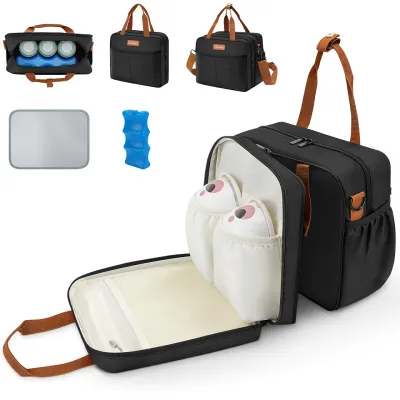
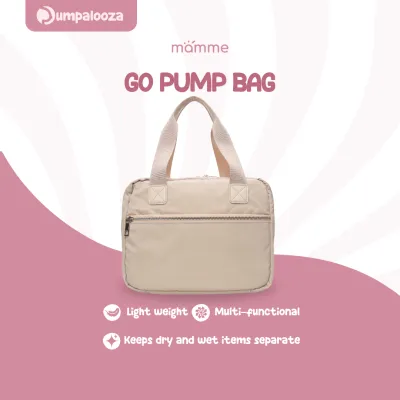
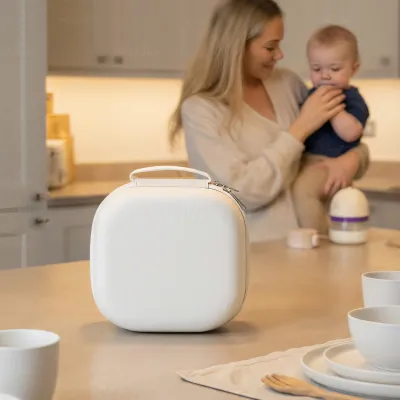
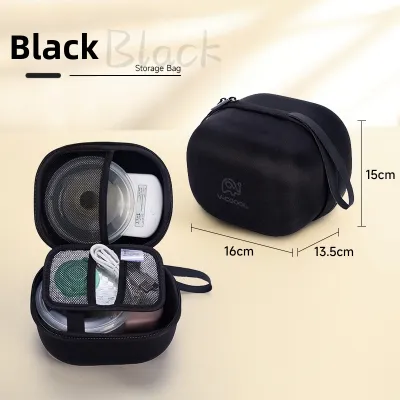
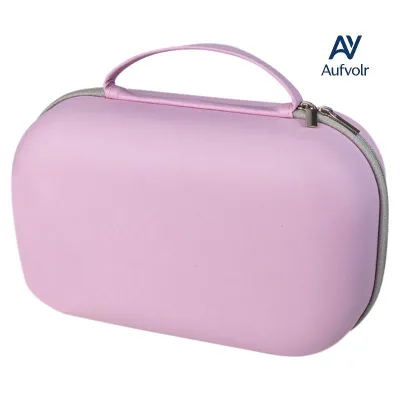
Prices are valid at publication and may change. Please refer to the product page for the latest price.
Additionally, consider the weather conditions during your commute. The tropical climate in the Philippines brings intense heat and sudden, heavy rains, particularly during the monsoon season. A bag made from water-resistant or waterproof materials is essential to protect your delicate electronic pump motor from water damage.
Finally, evaluate your workplace facilities. If your office has a dedicated lactation room with a reliable refrigerator, your bag only needs to keep your milk cool during the commute. However, if you work in a shared office space or a BPO center without accessible cold storage, your breast pump bag must feature a highly efficient, insulated compartment that can act as a reliable temporary cooler for several hours.
Key Features to Evaluate in a Breast Pump Bag
A dedicated breast pump bag differs from a standard backpack or fashion tote because it is engineered specifically to protect sensitive electronic equipment while safely storing liquid gold. When evaluating different models, look for a balance between robust protective padding and overall bag weight. The bag itself should not add unnecessary bulk to your load, as carrying a heavy pump, accessories, laptop, and personal items can quickly lead to shoulder and back strain.

Another critical factor is the ease of cleaning. The interior lining of both the pump compartment and the cooler section must be made of water-resistant, wipeable materials. Milk spills, condensation from ice packs, and high ambient humidity can create a breeding ground for mold and bacteria if the bag is difficult to clean. Look for heat-sealed seams and smooth linings that can be quickly sanitized with a damp cloth and mild soap at the end of each workday.
Compartment Layout and Accessibility
An organized layout is essential for maintaining hygiene and efficiency during busy workdays. Look for a bag that features a dedicated, padded compartment specifically designed to house your breast pump motor. This compartment should keep the motor secure and prevent it from shifting or colliding with other items, such as water bottles or laptops, during your commute. Many specialized bags offer side-access pockets, allowing you to unzip a side panel, pull out the power cord, and pump without fully removing the motor from the bag.
Beyond the main pump compartment, evaluate the availability of smaller pockets and organizers. You will need separate spaces to store clean accessories—such as valves, membranes, tubing, and breast shields—away from used, wet parts. Keeping clean and dirty items segregated is crucial for maintaining sanitary pumping conditions at the office.
Accessibility is equally important when you are operating on a tight schedule. Wide-opening zippers, doctor-bag style frames, or clamshell designs allow the bag to open fully, giving you a clear view of the contents. This design enables you to assemble and disassemble your pump parts quickly and discreetly, whether you are using a private office, a dedicated lactation room, or a clean restroom stall.
Insulation and Temperature Control
In the tropical heat of the Philippines, temperature control is the most critical factor in preserving the quality of your expressed breast milk. When selecting a bag, closely examine the insulation material used in the cooler compartment. High-quality bags typically utilize thick, high-density foam insulation paired with food-grade aluminum foil or PEVA linings to reflect heat and maintain a cold environment.
Most insulated compartments require supplemental ice packs to keep milk at a safe temperature. Verify whether the bag comes with custom-fit ice packs or if you need to purchase contoured ice packs separately. It is important to review the manufacturer’s stated cooling duration, keeping in mind that these estimates are often tested in controlled, air-conditioned environments. In actual tropical conditions, the effective cooling time may be shorter, so choose a bag with insulation rated for longer than your combined workday and commute time.
To prevent moisture damage to the rest of your belongings, ensure the insulated section is completely leak-proof. Condensation from ice packs is inevitable in humid weather, so a fully sealed, waterproof cooler pocket is necessary to keep your pump motor, laptop, and documents dry.
Professional Aesthetics and Discretion
For many working mothers, maintaining a professional appearance is important for confidence and workplace integration. The exterior material of your breast pump bag plays a significant role in both durability and style. High-quality nylon and canvas are excellent choices for daily commuting because they are lightweight, highly durable, and easy to spot-clean. For a more formal corporate environment, structured vegan leather offers a polished, sophisticated look while remaining resistant to moisture and scuffs.
Discretion is another key consideration. Many modern breast pump bags are designed to look exactly like high-end fashion totes, sleek commuter backpacks, or professional laptop bags. These designs allow you to carry your pumping equipment through office lobbies, meetings, and business lunches without drawing unwanted attention or having to explain the contents of your bag to colleagues.
When choosing a color, consider the practicalities of daily travel. Neutral tones such as black, navy blue, charcoal gray, or deep olive are highly effective at hiding minor scuffs, dust, and water spots accumulated during a busy commute. These colors also complement most professional wardrobes, making the bag a versatile accessory for any office setting.
Building Your Condition-Based Shortlist
To find the perfect breast pump bag, you should match your specific commuting style and workplace environment with the most suitable bag design. Rather than relying on generic product rankings, use the following scenarios to build your personalized shortlist.
If you are a heavy commuter who relies on public transportation like buses, jeepneys, or trains, prioritize ergonomic backpacks or crossbody bags. Look for models with wide, breathable mesh shoulder straps that distribute weight comfortably across your back. Secure, lockable zippers and hidden anti-theft pockets are valuable features for peace of mind in crowded transit hubs. Ensure the exterior fabric is highly water-resistant to protect your gear during sudden downpours.
For office-centric or minimalist commuters who primarily travel via ride-sharing services or personal vehicles, a structured tote bag or professional satchel is an excellent choice. These bags often feature a dedicated laptop sleeve alongside the pump compartment, allowing you to carry a single bag for all your professional and pumping needs. Look for designs with flat, reinforced bottoms and metal feet so the bag stands upright on your desk or office floor.
If your job requires frequent travel, field visits, or moving between multiple work sites, look for modular breast pump bags. These systems often feature a detachable cooler bag that can be carried separately when needed, or a trolley sleeve that allows you to slide the bag securely over the handle of rolling luggage.
Use these specific scenarios to filter your options when browsing online marketplaces or visiting physical baby stores. When reading user reviews, focus on feedback regarding zipper durability, strap comfort under heavy loads, and how well the insulation performs in warm weather.
What to Verify Before Purchasing Online or In-Store
Before finalizing your purchase, perform a few essential checks to ensure compatibility and quality. First, cross-reference the internal dimensions of the bag’s pump compartment with the physical measurements of your specific breast pump model. Do not rely solely on generic compatibility lists, as pump designs and accessory sizes can vary significantly. Ensure there is enough clearance to insert and remove the pump easily without straining the zippers.
When purchasing from third-party sellers on online marketplaces, carefully review the seller’s return policy and warranty terms. A reliable warranty is crucial for a bag that will undergo heavy daily use. Check if the seller offers a replacement policy for manufacturing defects, such as broken zippers or unraveling seams, within the first few months of use.
Take the time to read customer reviews thoroughly, looking for recurring complaints. Pay close attention to comments about weak stitching at stress points, such as where the shoulder straps attach to the bag body. Look for feedback on whether the zippers glide smoothly or tend to catch on the fabric lining, as faulty zippers can render a pump bag unusable.
Finaly, verify that the materials used in the bag’s construction are free from strong chemical odors. Low-quality synthetic materials can emit volatile organic compounds that may transfer to your milk storage bags, bottles, or silicone pump parts. If purchasing in-store, open the bag and check for any strong chemical smells; if buying online, look for reviews mentioning odor issues or certifications indicating the use of non-toxic, food-safe materials.
Frequently Asked Questions (FAQ)
Can I use a regular laptop bag instead of a dedicated breast pump bag?
While you can technically repurpose a standard laptop bag, it generally lacks the specialized features required for daily pumping. Standard bags do not have dedicated, padded compartments to protect delicate pump motors from shifting, nor do they feature water-resistant, easy-clean linings to handle milk spills. Most importantly, regular bags lack built-in thermal insulation. If you choose to use a standard bag, you must purchase a separate, high-quality insulated cooler bag and reliable ice packs to safely transport your expressed milk, which can take up significant space and make organizing your gear more challenging.
How do I clean and maintain my breast pump bag to prevent odors?
To keep your bag hygienic and odor-free, always check the manufacturer’s care label for specific cleaning instructions. Most breast pump bags should be spot-cleaned rather than machine-washed to preserve their structural padding and water-resistant coatings. Wipe down the interior linings daily with a damp cloth and mild, fragrance-free soap, paying close attention to the cooler compartment where condensation accumulates. To neutralize persistent odors, you can place an open box of baking soda inside the dry bag overnight, or use a specialized fabric freshener spray, ensuring the bag is completely dry and aired out before placing your pump parts back inside.

Community discussion
Share your experience or ask a question. Comments are reviewed before publication.