
Finding the right breastfeeding chair is one of the most important decisions you will make when setting up your nursery. Feeding sessions can take hours every day, making physical comfort and proper posture essential for both you and your baby. To choose the best option, you need to focus on ergonomic support, breathable and easy-to-clean fabrics suited for tropical climates, and dimensions that fit your living space. Prioritizing these features helps prevent back strain and ensures a peaceful environment for your little one. If you experience persistent physical pain during or after feeding, it is always best to consult a healthcare professional or a physical therapist for personalized guidance.
Ergonomic Support and Adjustability
Armrests should support your elbows naturally. If they are too low, you will slouch; if too high, your shoulders will shrug, leading to neck tension. Look for thick padding to cushion your arms while holding the baby or supporting a nursing pillow.
A supportive backrest is crucial. Evaluate whether you prefer a fixed upright position or a reclining option. Lumbar support should fill the natural curve of your lower back. If a chair lacks built-in lumbar support, check if there is space to add a small supportive cushion.
Products mentioned in this guide

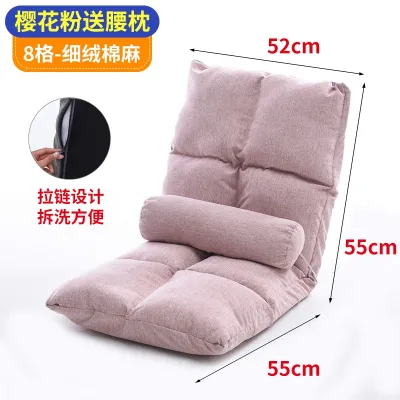
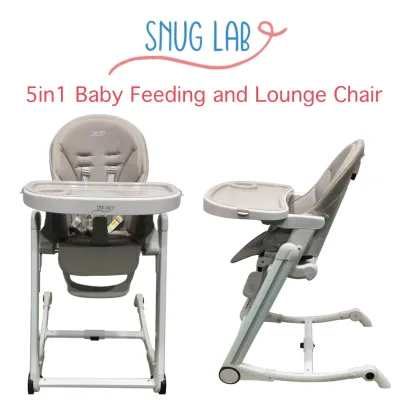
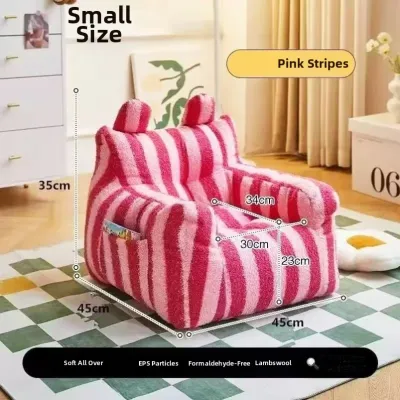
Prices are valid at publication and may change. Please refer to the product page for the latest price.
The seat cushion needs to strike a balance. If it is too deep, your knees will not bend comfortably over the edge, and you may struggle to stand up. A firm cushion provides the necessary resistance to help you stand up smoothly while holding a sleeping baby, whereas a cushion that is too soft can make you sink and feel trapped. Always verify the manufacturer’s maximum weight capacity to ensure the chair remains structurally supportive over long-term use.
Upholstery Materials and Maintenance
In the warm and humid climate of the Philippines, fabric choice directly affects your comfort. Natural fibers like cotton blends offer excellent breathability, reducing sweat during long feeding sessions. However, they absorb spills easily. Synthetic fabrics treated for liquid resistance prevent stains from milk spit-ups but can feel hot and sticky. Weigh these trade-offs based on your room’s ventilation or air conditioning.

Look for chairs with removable covers to make cleanup straightforward. Check the care labels for zipper placement, seam durability, and fabric shrinkage limits. Washing a cover that shrinks can make it impossible to fit back onto the cushion.
If the upholstery is not removable, verify the manufacturer’s spot-cleaning instructions before buying. Some fabrics require specific water-based cleaners, while others need solvent-based solutions. Always check the product manual to avoid damaging the material or exposing your baby to harsh chemical residues.
Dimensions, Footprint, and Room Placement
A breastfeeding chair must accommodate both you and your feeding accessories. Measure the seat width to ensure there is enough room for a nursing pillow to sit flat across your lap without being squeezed or pushed upward by the armrests.
If you choose a chair that rocks, glides, or reclines, you must calculate the extra space required behind and in front of the chair. Gliders and recliners often need a significant clearance from the wall to function safely without scraping your paint or hitting other furniture.
Before finalizing your purchase, measure the narrowest entry points in your home, including front doors, hallways, and nursery doorways. Compare these measurements with the chair’s packaged and unpackaged dimensions to ensure you can safely move the furniture into its designated room.
Evaluating Extra Features and Mechanisms
Gentle movement can help soothe a fussy baby to sleep. When testing these mechanisms, check for smooth transitions and listen closely for any squeaks or mechanical clicks that could startle a sleeping infant. A 360-degree swivel base offers excellent flexibility, allowing you to turn toward a side table without straining.
Elevating your feet can relieve pressure on your lower back and improve circulation. If the chair has a built-in footrest, verify that its height aligns comfortably with the seat. For separate ottomans, ensure they do not slide away easily on your flooring material.
Side pockets are highly practical for keeping burp cloths, nursing pads, and phones within arm’s reach. Ensure that any integrated pockets or cup holders are positioned where they will not interfere with your arm movements or press against your baby’s head during a feeding session.
Pre-Purchase Testing and Verification Checklist
If you are shopping in person, do not just sit in the chair for a few seconds. Bring a weighted object, like a heavy bag or a doll, to simulate holding a baby. Practice sitting down, adjusting your position, and standing up without using your hands to see how the seat responds.
Mechanical components like swivel bases, reclining gears, and glider tracks are prone to wear and tear. Review the manufacturer’s warranty terms specifically for these moving parts, and check the retailer’s return policy in case the chair does not fit your ergonomic needs once assembled at home.
Examine the product tags and user manual for structural integrity and chemical safety certifications. Verify that the materials used are free from harmful flame retardants or heavy metals, especially since your baby’s skin will frequently come into close contact with the chair. Always check the manufacturer’s age and weight recommendations to ensure safe usage throughout your breastfeeding journey.
Frequently Asked Questions (FAQ)
Can I use a regular armchair instead of a dedicated breast feeding chair?
Yes, you can use a regular armchair, provided it meets basic ergonomic requirements. A standard armchair can work well if the armrests are at a comfortable height and the seat cushion is firm enough to let you stand up easily. To make a standard chair suitable, you will likely need to add an adjustable nursing pillow to support your baby and a dedicated lumbar support cushion to protect your lower back. Ensure the chair’s fabric is easy to spot-clean, as milk spills and spit-ups are inevitable regardless of the chair type.
Community discussion
Share your experience or ask a question. Comments are reviewed before publication.