
Choosing the right activity gear for your baby is one of the most common decisions parents face during their child’s first year. With so many options filling store shelves and online marketplaces, finding ways to keep your little one engaged while managing household tasks often leads parents to explore various baby gear options, especially those that offer a fun baby jumping bounce experience. However, navigating the differences between baby bouncers, jumpers, and walkers can be confusing. Each piece of equipment serves a distinct developmental purpose, and choosing the wrong one for your baby’s stage can hinder their natural progression or even pose safety risks.
To make the best decision, you must align the gear with your child’s specific developmental milestones rather than relying solely on age. A baby bouncer is ideal for early infancy, offering a gentle, reclined space for soothing and resting. A baby jumper is designed for older infants who have achieved solid head control and want to engage in active, upright play. Traditional sit-in walkers, however, are widely discouraged by pediatricians and child safety advocates worldwide due to significant injury risks and negative impacts on gait development. If you want to support your baby’s walking journey, a sturdy push-behind walker is a far safer and more developmentally appropriate choice.
While these tools can offer temporary entertainment and give parents a brief, hands-free window, they should never be treated as substitutes for active floor play. Tummy time, rolling, and crawling are the absolute foundation of healthy infant motor development. Understanding how to safely integrate these items into your daily routine ensures your baby stays both safe and physically active.
Products mentioned in this guide
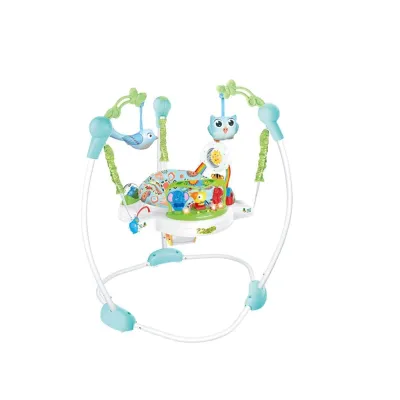
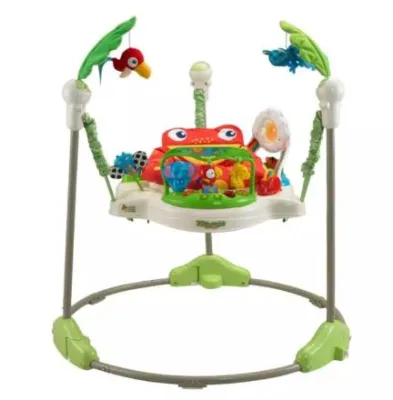
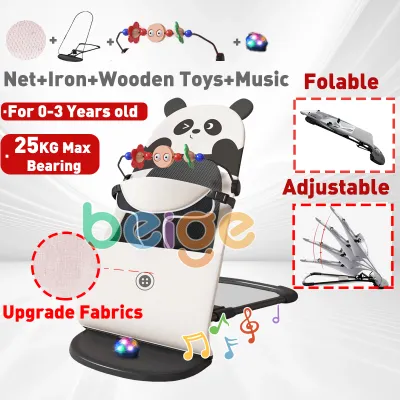
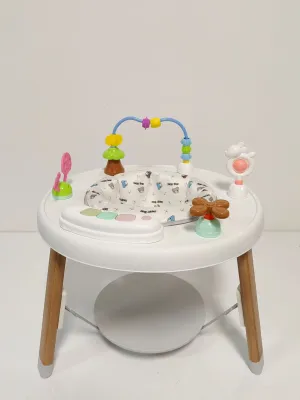
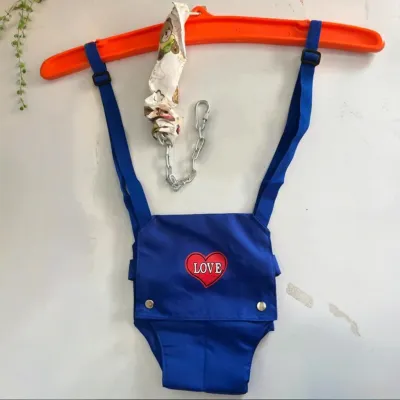

Prices are valid at publication and may change. Please refer to the product page for the latest price.
Defining the Gear: Bouncers, Jumpers, and Walkers
To choose the right gear, it is essential to first understand the structural and functional differences between these three popular options. While they all keep your baby positioned in unique ways, their mechanisms and intended developmental stages vary significantly.
Baby Bouncers
A baby bouncer is a lightweight, low-profile seat designed for young infants who cannot yet sit up unassisted. The seat is suspended on a flexible wire or plastic frame, allowing it to move in a gentle, up-and-down motion. This movement is triggered either by the baby’s natural arm and leg movements or by a caregiver’s gentle manual push.
These seats are highly reclined, mimicking the natural angle of being held in a parent’s arms. Because they are lightweight and highly portable, they are incredibly convenient for moving around the house. In a tropical climate like the Philippines, choosing a bouncer with a breathable mesh fabric is highly recommended to keep your baby cool and comfortable during warm, humid afternoons. Bouncers are primarily intended for soothing, visual tracking of the room, and providing a safe, temporary spot for your baby to rest while supervised.
Baby Jumpers
A baby jumper is designed to support an older baby in an upright, standing position. The core mechanism involves a fabric seat suspended by heavy-duty elastic cords or springs. There are two primary styles available: doorway jumpers, which clamp onto a sturdy door frame, and stationary jumpers, which feature a self-supporting metal frame with integrated springs and often double as activity centers with built-in toys.
Unlike bouncers, jumpers require active physical effort from the baby. When the baby’s feet make contact with the floor, they can push off to bounce up and down. This provides a high-energy movement that many infants find incredibly entertaining. Because the baby is suspended upright, they must possess complete head and neck control and be able to support their own head steadily before using this gear.
Baby Walkers (Sit-In vs. Push-Behind)
It is critical for parents to distinguish between the two very different types of walkers on the market: traditional sit-in walkers and modern push-behind walkers.
Traditional sit-in walkers consist of a wheeled base with a rigid frame and a suspended fabric seat in the center. The baby sits inside the frame with their legs dangling through the seat holes, allowing them to roll across flat surfaces by pushing off with their toes. While once a staple in many households, modern pediatric guidelines strongly advise against using sit-in walkers due to severe safety hazards and developmental delays.
In contrast, a push-behind walker is a sturdy, upright toy with wheels and a handlebar, featuring no seat at all. The baby stands behind the device, grips the handle, and pushes it forward as they walk. This style is designed for older babies who are already pulling themselves up to a standing position and are beginning to take their first assisted steps. Push-behind walkers encourage natural balance, weight shifting, and core engagement, making them a highly recommended alternative to traditional sit-in models.
Developmental Benefits and Safety of Baby Jumping Bounce Gear and Walkers
Every piece of baby gear you introduce impacts your child’s physical development, muscle tone, and spatial awareness. Understanding both the benefits and the safety boundaries of each item allows you to create a secure environment for your little one.

Bouncers: Soothing and Early Movement
For young infants, the gentle, self-induced motion of a bouncer provides valuable vestibular stimulation. This subtle movement helps develop their inner ear and sense of balance while offering a calming effect that can soothe a fussy baby. The semi-upright angle also allows babies to observe their surroundings, supporting early visual tracking and cognitive engagement.
However, bouncers carry strict safety boundaries that caregivers must respect. First, a bouncer is not a safe sleep environment. If your baby falls asleep in a bouncer, you must immediately transfer them to a firm, flat crib or bassinet. The reclined angle of a bouncer can cause a baby’s heavy head to slump forward onto their chest, potentially blocking their airway and leading to positional asphyxiation. Second, always place the bouncer on a flat, level floor. Never place it on elevated surfaces such as dining tables, kitchen counters, sofas, or beds. A baby’s vigorous kicking can cause the bouncer to slide or tip over, resulting in serious falls. Finally, limit bouncer sessions to short intervals of 15 to 20 minutes to prevent flat head syndrome (positional plagiocephaly) and to ensure your baby gets plenty of flat floor play. Stop using the bouncer entirely once your baby attempts to sit up unassisted or exceeds the manufacturer’s weight limit.
Jumpers: Active Play and Leg Strength
Jumpers offer an excellent outlet for active play, helping babies burn off energy while engaging their leg muscles. The surrounding toy trays on stationary activity centers also encourage hand-eye coordination, fine motor skills, and sensory exploration. The upright positioning gives babies a new perspective on their environment, which can be highly stimulating and satisfying for a developing mind.
Despite these benefits, the intense bouncing action must be carefully regulated. Pediatric physical therapists recommend limiting jumper use to a maximum of 15 to 20 minutes per session, and ideally no more than once or twice a day. Prolonged suspension in a jumper seat puts excessive, repetitive stress on a baby’s developing hips, spine, and ankle joints. When a baby bounces repeatedly on their toes, it can tighten their calf muscles and Achilles tendons, potentially leading to toe-walking habits later on. To ensure proper hip alignment, adjust the jumper’s height so that only the balls of your baby’s feet touch the floor; they should never be standing flat-footed, nor should they be dangling with their toes unable to reach the ground. Stop using the jumper once your baby begins to walk independently or attempts to climb out of the seat.
Walkers: Safety Risks and Safer Alternatives
Traditional sit-in walkers are associated with a high rate of infant injuries. Because these devices are equipped with free-spinning wheels, they allow a baby to move at surprisingly high speeds—often faster than a caregiver can react. This rapid mobility poses a severe risk of falling down stairs, tipping over on uneven thresholds, or rolling into dangerous areas. In many Philippine homes with tiled or concrete floors, a sit-in walker can easily gain too much momentum, leading to hard impacts. Furthermore, sit-in walkers elevate babies to a height where they can reach hazards that would otherwise be out of reach, such as hot coffee cups on low tables, electrical cords, or household cleaning agents.
Beyond safety hazards, sit-in walkers do not help babies learn to walk. In fact, they can delay independent walking. Because the seat supports the baby’s weight, they do not have to balance their own torso or engage their core muscles. They tend to push with their toes, strengthening their calf muscles while failing to develop the upper thigh and hip muscles necessary for independent balance.
If you want to support your baby’s transition to walking, a push-behind walker is a much safer, developmentally supportive alternative. These toys require the baby to actively support their own body weight, engage their core, and practice natural weight shifting. When shopping for a push-behind walker, look for a model with a wide, heavy base to prevent tipping and adjustable wheel tension or friction strips. This speed-control feature is especially important on smooth tiled or polished wooden floors to prevent the walker from rolling out from under your baby. Always supervise your baby closely during use, keeping them far away from stairs or outdoor steps.
Side-by-Side Comparison of Baby Activity Gear
To help you quickly weigh your options, the following comparison table outlines the key differences, developmental focuses, and safety rules for each type of gear. Remember that these recommendations are based on general developmental milestones rather than rigid age ranges, as every baby develops at their own unique pace.
| Gear Type | Recommended Developmental Stage | Primary Function | Key Developmental Focus | Critical Safety Checkpoints |
|---|---|---|---|---|
| Baby Bouncer | Newborn until baby attempts to sit up unassisted (typically 0 to 6 months). | Soothing, resting, and gentle self-rocking. | Vestibular stimulation, visual tracking, and early hand-eye coordination. | Use only on flat floors; never leave unattended; do not use for sleep; verify weight limits on the manufacturer's label. |
| Baby Jumper | Full head and neck control; sits with minimal support (typically 4 to 9 months). | High-energy active play and upright bouncing. | Leg muscle engagement, sensory exploration, and hand-eye coordination. | Limit sessions to 15–20 minutes; adjust height so only toes touch the floor; ensure the seat supports proper hip alignment. |
| Traditional Sit-In Walker | Not recommended by pediatricians or safety experts. | Mobile rolling and play. | None (can delay natural walking milestones and cause toe-walking). | High risk of falls down stairs, tipping, and access to hazards; restrict use entirely. |
| Push-Behind Walker | Pulling to stand and cruising along furniture (typically 9 to 15 months). | Walking practice, balance, and stepping support. | Core stability, balance, motor planning, and independent stepping. | Use on flat surfaces; choose models with speed control; supervise constantly; keep away from stairs and steps. |
When selecting any of these products, always check the specific manufacturer’s documentation for weight, height, and age limits. Never assume a product is suitable for your child based on their age alone; their physical milestones and weight are the most reliable indicators of safety. In the Philippines, high-quality bouncers and jumpers generally range from broad price bands of ₱1,500 to ₱8,000 or more depending on the brand and features. Before making a purchase, verify that the product meets current safety standards and has not been subject to any active recalls by checking official safety databases and manufacturer websites.
A Stage-by-Stage Guide to Choosing the Right Equipment
Navigating your child’s first year involves matching their rapidly changing motor skills with the appropriate equipment. By introducing the right gear at the right developmental stage, you can support their growth while minimizing physical strain.
Stage 1: Newborn to 4 Months (The Soothing Phase)
During the first few months of life, your baby’s primary physical tasks are developing head control and strengthening their neck and shoulder muscles. At this stage, a baby bouncer is an excellent tool. It provides a secure, reclined environment where your baby can rest, look around, and enjoy gentle movement. It is a lifesaver for parents who need a safe place to put the baby down while staying nearby to fold laundry or prepare a quick meal.
However, it is crucial to balance bouncer time with active floor play. Tummy time on a firm, clean play mat is the absolute foundation for all future motor milestones. Laying your baby on their stomach encourages them to lift their head, strengthening the upper body muscles that they will eventually need for sitting, crawling, and walking. Aim for multiple short sessions of tummy time throughout the day when your baby is awake and alert.
Stage 2: 4 to 9 Months (The Active Play Phase)
As your baby approaches the middle of their first year, they will likely develop solid head and neck control and begin sitting up with minimal assistance. This is the stage where their curiosity explodes, and they love being in an upright position. If your baby meets these milestones and actively pushes down with their legs when held upright, they are ready to transition to a baby jumper or a stationary activity center.
A jumper provides a thrilling outlet for their energy, allowing them to experience a fun baby jumping bounce. However, you must remain mindful of the 15-to-20-minute daily limit to protect their hips and joints. When they are not in the jumper, encourage them to spend plenty of time on the floor practicing rolling over, sitting independently, and prepping for their first crawls. Crawling is a vital milestone that builds bilateral coordination and strengthens the core, which no jumper can replicate.
Stage 3: 9 to 15 Months (The Cruising and Walking Phase)
Once your baby begins pulling themselves up to stand using furniture and “cruising” sideways, it is time to retire both the bouncer and the jumper. At this stage, your baby is too heavy and physically active for these items, and keeping them confined can frustrate their desire to explore.
This is the perfect window to introduce a push-behind walker. A push walker acts as a mobile support system, giving your baby the confidence to take forward steps while allowing them to control their own balance and weight distribution. Ensure your living space is thoroughly baby-proofed, securing heavy furniture to the walls and covering sharp corners.
Ultimately, the best “gear” for walking development is a safe, spacious floor. Allowing your baby to navigate flat surfaces, practice pulling up on sturdy sofas, and experience the natural process of falling and standing back up is the most effective way to build the coordination, balance, and confidence they need to take their very first independent steps. If you have any concerns regarding your child’s motor development or milestone progression, consult a pediatrician or a pediatric physical therapist for professional guidance.
Frequently Asked Questions (FAQ)
Can my baby sleep in a bouncer or jumper?
No, you should never allow your baby to sleep in a bouncer, jumper, or any other sitting or semi-reclined gear. According to safe sleep guidelines, babies must always sleep on a firm, flat, and empty surface, such as a crib, cot, or bassinet, to reduce the risk of Sudden Infant Death Syndrome (SIDS). When a baby sleeps in a semi-reclined position, their airway can easily become compromised if their head slumps forward, a condition known as positional asphyxiation. If your baby falls asleep while bouncing or playing, gently transfer them to their designated safe sleep space immediately.
Do traditional sit-in walkers delay walking milestones?
Yes, child development experts and pediatricians agree that traditional sit-in walkers can actually delay independent walking. These devices modify the baby’s natural gait by encouraging them to push off with their toes rather than their heels, which can tighten the calf muscles and lead to toe-walking. Additionally, because the seat supports the baby’s weight and the frame prevents them from falling, they do not develop the crucial core strength, balance, and hip stability needed to stand and walk on their own. Sit-in walkers also block a baby’s view of their own feet, which is an important sensory feedback loop for learning how to navigate space and coordinate steps.
What is the daily time limit for bouncers and jumpers?
For both bouncers and jumpers, the recommended daily limit is 15 to 20 minutes per session, ideally restricted to once or twice a day. Prolonged use of bouncers can increase the risk of flat head syndrome and limit opportunities for active muscle development. For jumpers, extended bouncing sessions place excessive, repetitive stress on a baby’s immature spine, hips, and ankle joints, which can lead to muscle strain or alignment issues. Restricting gear time ensures your baby has ample opportunity to engage in free floor play, which is essential for reaching milestones like rolling, crawling, and pulling to stand.
Community discussion
Share your experience or ask a question. Comments are reviewed before publication.