
Selecting a booster car seat is one of the most critical decisions you will make for your child’s travel safety. A booster car seat is designed to bridge the gap between a toddler’s harness seat and the vehicle’s adult seat belt system, raising your child so that the seat belt fits securely across their strongest skeletal points. Without a booster, an adult seat belt can rest against a child’s soft abdomen and neck, posing a severe risk of internal injuries during a sudden stop or collision.
To ensure maximum protection, you must know exactly what safety markers, design features, and regulatory certifications to evaluate before making a purchase. This guide breaks down the essential criteria to help you select a high-quality, compliant booster seat that fits both your child and your vehicle perfectly.
Quick Safety Checklist: What to Look For First
Before diving into the technical specifications of various booster car seat models, use this quick checklist to filter out unsafe options immediately. Verifying these core safety markers ensures the seat meets basic safety thresholds before you invest your time and money.
Products mentioned in this guide
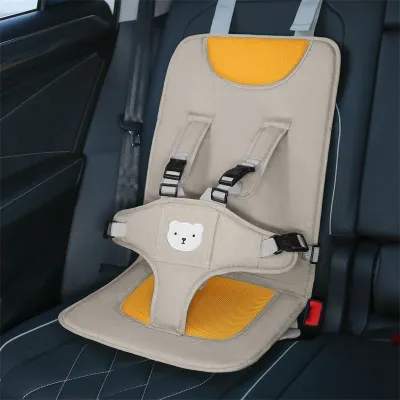
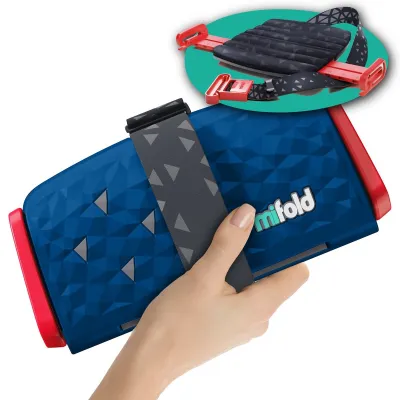
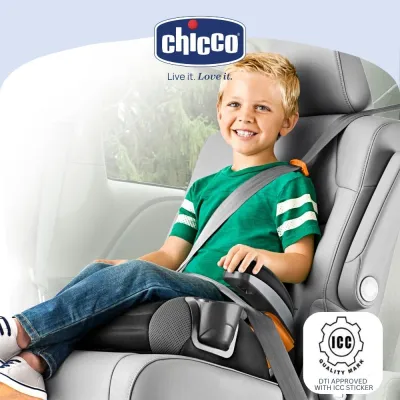
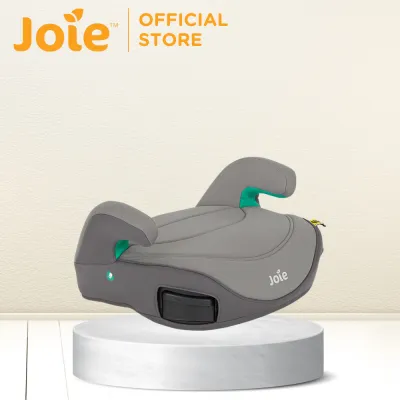
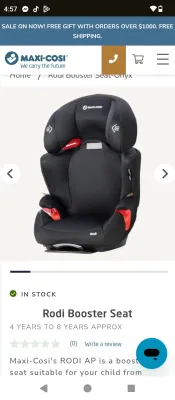
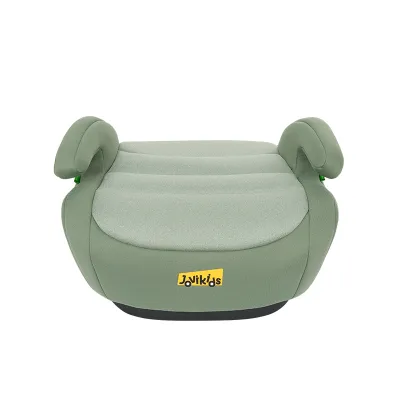
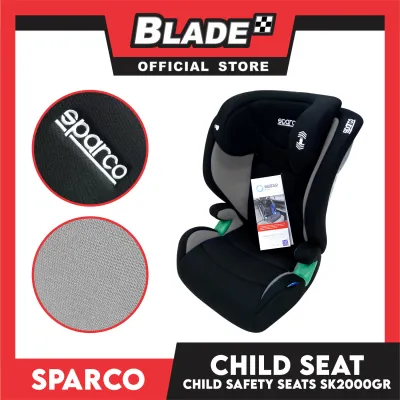
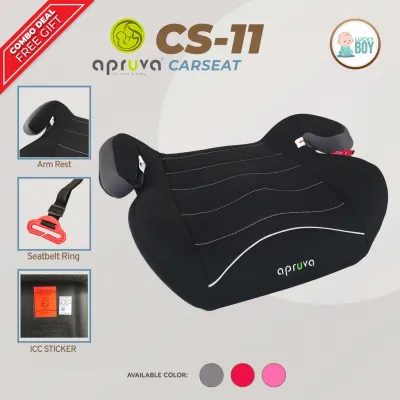
Prices are valid at publication and may change. Please refer to the product page for the latest price.
- Visible Certification Label: Never purchase a booster seat that lacks a permanently affixed, legible certification sticker from a recognized testing authority.
- Height and Weight Limits: Verify that your child's current height and weight fall comfortably within the manufacturer's specified minimum and maximum ranges, rather than relying solely on age recommendations.
- Clear Expiration Date: Locate the expiration date stamped into the plastic shell or printed in the user manual; do not buy a seat that is near or past this limit.
- Clean Recall History: Cross-reference the model number and manufacture date with official manufacturer databases to ensure the seat has not been recalled.
- Uncompromised Condition: Ensure the seat has no history of being involved in a moderate or severe collision, as crash forces can cause invisible structural damage.
- Proper Belt Routing Guides: Look for brightly colored, intuitive guides that clearly show where the shoulder and lap belts must be threaded.
How to Verify Recognized Safety Certifications
Safety certifications are your primary guarantee that a booster car seat has undergone rigorous dynamic crash testing and material safety evaluations. These tests simulate real-world collision forces to ensure the seat’s structure can withstand high-impact energy without splintering or failing.

When shopping, do not rely on marketing claims printed on the packaging or retail websites. Instead, physically inspect the booster seat for a permanent, tamper-evident sticker or label affixed directly to the plastic shell or fabric cover. This label contains vital information, including the specific testing standard met, the approved weight or height range, and the manufacturer’s tracking details.
ECE Standards (R129/i-Size and R44/04)
European Economic Commission (ECE) standards are widely recognized globally and serve as a primary benchmark for child restraint systems sold in the Philippines. You will commonly encounter two versions of this standard when comparing booster seats.
ECE R44/04 is an older, weight-based standard that remains legally recognized and widely used. Under this regulation, booster seats are categorized into groups based on the child’s weight (typically Group 2/3 for children weighing 15 to 36 kilograms). While still safe and compliant, R44/04 does not mandate side-impact testing.
ECE R129 (i-Size) is the newer, more stringent standard that classifies booster seats by the child’s height rather than weight. This standard mandates rigorous side-impact crash testing, utilizes advanced crash-test dummies with improved sensors, and ensures better compatibility with modern vehicle seating. When possible, prioritizing an ECE R129 certified booster seat provides a higher level of verified safety.
FMVSS 213 and Local Compliance
In addition to European standards, you may find booster seats certified under FMVSS 213 (Federal Motor Vehicle Safety Standards), which is the mandatory safety regulation for child restraints sold in the United States. Seats carrying this certification have passed dynamic sled tests designed to meet strict US federal safety requirements.
In the Philippines, child car seat safety is regulated under Republic Act No. 11229, also known as the Child Safety in Motor Vehicles Act. The Land Transportation Office (LTO) mandates that any child restraint system used on local roads must comply with recognized international standards, such as ECE R44/04, ECE R129, or FMVSS 213.
When purchasing a booster seat locally, verify that it carries either an official Import Commodity Clearance (ICC) sticker or a Philippine Standard (PS) mark. These stickers serve as proof that the imported product has been verified by the Department of Trade and Industry (DTI) to meet local safety and quality standards. Because regulations can evolve, always check the latest updates on official government transport portals before completing your purchase.
Design Features That Maximize Crash Protection
While certifications prove a seat has passed baseline testing, the physical engineering of the booster seat determines how effectively it manages impact forces in a real-world crash. A well-engineered booster seat focuses on energy management and precise seat belt placement.
Belt-Positioning Guides and Adjusters
A booster seat’s primary safety function is to position the vehicle’s three-point seat belt correctly across your child’s body. The shoulder belt guide, typically located near the headrest, must position the belt flat across the middle of your child’s shoulder and chest. It must never allow the belt to rub against the neck or face, nor should it let the belt slip off the shoulder.
Equally important are the lap belt guides, which are often integrated into the armrests or designed as low-profile plastic loops. These guides force the lap belt to sit low across your child’s upper thighs and pelvis. If the lap belt is allowed to ride up onto the soft abdomen, a sudden stop can cause “submarining”—a dangerous scenario where the child slides under the belt, resulting in severe internal organ damage.
Side-Impact Protection and Head Support
Side-impact collisions are particularly dangerous because there is very little crumple zone between the striking vehicle and your child. To mitigate this risk, look for booster seats equipped with deep side wings lined with energy-absorbing materials.
High-quality boosters utilize materials like Expanded Polystyrene (EPS) or Expanded Polypropylene (EPP) foam. These specialized foams compress under load, absorbing and dispersing the kinetic energy of a crash before it reaches your child’s body.
Additionally, reinforced, adjustable headrests provide crucial lateral support, limiting the lateral movement of your child’s head and neck during a crash. High-back booster seats inherently offer significantly better side-impact protection and head support than backless models, making them the preferred choice for younger or smaller children transitioning into boosters.
LATCH/ISOFIX for Unoccupied Security
In a booster seat, the vehicle’s seat belt is what restrains the child, not a built-in harness. However, many modern booster seats feature LATCH (Lower Anchors and Tethers for Children) or ISOFIX connectors.
In a booster seat, these connectors serve a different primary purpose than they do in toddler car seats. They secure the booster seat itself to the vehicle’s frame. This prevents the heavy booster seat from becoming a dangerous, free-flying projectile inside the cabin during a crash when your child is not riding in the car.
Why Proper Fit and Vehicle Compatibility Are Safety Issues
A certified, feature-rich booster seat can only protect your child if it fits both your child’s body and your vehicle’s seating configuration perfectly. Never assume a booster seat is safe for your child simply because they have reached a certain age.
When evaluating a seat, compare your child’s height, weight, and shoulder height against the manufacturer’s documented limits. The top of your child’s ears must not extend past the top of the booster seat’s headrest when fully raised. If your child’s shoulders are too wide for the side wings, or if their legs do not bend comfortably over the seat’s edge, the seat is not a proper fit.
Vehicle compatibility is another critical safety factor. If you are using a backless booster, your vehicle’s seat must have a built-in headrest that extends at least to the top of your child’s ears to prevent whiplash injuries. Additionally, deeply contoured vehicle seats can cause a booster seat to tilt or wobble, compromising its stability.
Before finalizing your purchase, check the length of your vehicle’s seat belts. Some older car models have shorter belts that may not easily route through a bulky booster seat’s guides. If the retailer’s return policy allows, test the booster seat in your vehicle with your child buckled in to ensure a stable, flush fit.
Critical Red Flags: When to Reject a Booster Seat
To keep your child safe, you must know when to walk away from a potential purchase or retire an existing seat. Keep these non-negotiable red flags in mind:
- Missing or Defaced Labels: If a booster seat lacks a visible model number, manufacture date, or safety certification label, do not use it. Without these, you cannot verify its age, safety compliance, or recall status.
- Expired Materials: Car seat plastics degrade over time due to UV exposure and extreme temperature fluctuations. In the hot, humid tropical climate of the Philippines, temperatures inside a parked car can rise rapidly, accelerating this degradation. Check the expiration date stamped on the bottom of the seat; most manufacturers recommend replacing a seat 6 to 10 years after its manufacture date.
- Secondhand History: Avoid purchasing used booster seats from garage sales, thrift stores, or online marketplaces unless you can personally verify the seat's complete history. A seat that has been involved in a moderate or severe crash must be discarded immediately, as invisible micro-fractures in the plastic shell can cause the seat to fail in a subsequent accident.
- Active Recalls: Before buying, search the manufacturer's official website or local consumer safety portals to ensure the specific model has not been recalled for safety defects.
- Aftermarket Accessories: Never use non-approved aftermarket products, such as custom seat belt adjusters, thick shoulder pads, or unapproved seat cushions. These items have not been crash-tested with your specific booster seat and can alter the routing of the seat belt, significantly increasing the risk of injury.
If you ever find that your booster seat’s instructions conflict with your vehicle’s manual, or if you suspect the seat has been damaged, stop using it immediately and consult the manufacturer or a certified child passenger safety technician.
Frequently Asked Questions (FAQ)
Is a high-back booster safer than a backless booster?
Yes, high-back booster seats generally offer a higher level of safety than backless models. They feature built-in side-impact protection, energy-absorbing foam, and adjustable headrests that shield your child’s head, neck, and torso during lateral collisions. High-back models also ensure more consistent shoulder belt routing. Backless boosters are legal and safe when used in vehicles with adequate headrests, but they offer no lateral protection.
When is it safe to transition out of a booster seat?
Your child is ready to transition to using the vehicle’s seat belt alone only when they can pass the standard five-step seat belt fit test. First, they must be able to sit all the way back against the vehicle seat back. Second, their knees must bend comfortably over the edge of the seat cushion. Third, the shoulder belt must cross the middle of their collarbone, not their neck. Fourth, the lap belt must sit low on their hips, not their stomach. Finally, they must be mature enough to maintain this safe posture for the entire duration of the trip.
Community discussion
Share your experience or ask a question. Comments are reviewed before publication.