
Quick Answer: Is There a Single Best Formula?
There is no single “best” formula that works universally for every infant. Bonna, Nido, NAN, and Enfagrow all offer Stage 2 options specifically designed for older infants aged 6 to 12 months, but each brand features a distinct formulation.
The ideal choice for your baby depends entirely on their individual digestive tolerance, potential allergy risks, and specific nutritional requirements. A formula that keeps one baby satisfied and healthy might cause gas, spit-up, or constipation in another.
Because your baby’s digestive system is still maturing, it is essential to consult your pediatrician before choosing or switching formulas. A doctor can evaluate your baby’s growth and health profile to recommend the safest and most appropriate option.
Products mentioned in this guide
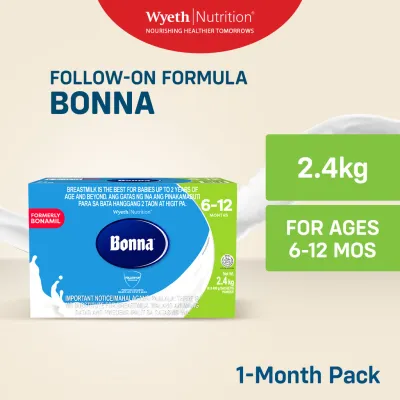
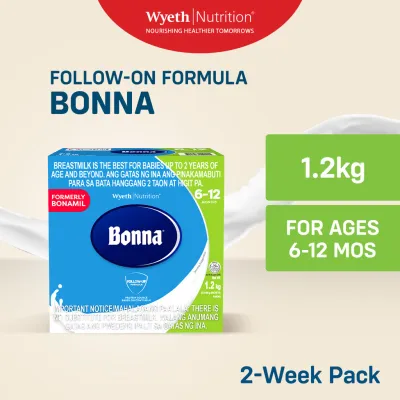

Prices are valid at publication and may change. Please refer to the product page for the latest price.
Nutritional Needs for 6 to 12 Month Olds
At six months of age, a baby’s nutritional requirements shift. This period marks the transition to complementary feeding, where solid foods are introduced alongside breastmilk or formula to support rapid physical and cognitive development.

During this stage, an infant’s natural iron stores accumulated before birth begin to deplete. Consequently, follow-on formulas and solid foods must provide adequate iron to support healthy blood cell production and prevent iron-deficiency anemia. Calcium is equally vital during this active phase, as babies begin to crawl, sit up, and pull themselves up, requiring robust support for bone and teeth mineralization.
Cognitive and visual development also accelerate dramatically between 6 and 12 months. Essential fatty acids, specifically Docosahexaenoic Acid (DHA) and Arachidonic Acid (ARA), serve as critical structural components of the brain and retina, supporting the rapid neural connections formed during daily exploration.
Furthermore, as babies explore their environment and try new foods, their digestive tracts are exposed to new elements. Prebiotics and probiotics in follow-on formulas help cultivate a balanced gut microbiome, which is essential for comfortable digestion, soft stools, and a strong immune system.
How to Compare Bonna, Nido, NAN, and Enfagrow Labels
To make an informed decision, parents must look past front-of-pack marketing and carefully analyze the nutrition facts and ingredient lists on the back of the packaging.
Iron and Calcium Content
To compare these essential minerals, locate the Nutrition Information panel on the side or back of the tin. Look at the values listed per 100 grams or per 100 kilocalories to ensure an accurate side-by-side comparison, as individual serving sizes vary between brands. Pay close attention to the percentage of the Recommended Energy and Nutrient Intakes (RENI) for infants aged 6 to 11 months, which indicates how much of the daily requirement a single serving or a standard volume provides.
Added Sugars and Flavorings
Examine the ingredient list, where components are listed in descending order of weight. While lactose is the primary carbohydrate naturally found in breastmilk and is generally preferred for healthy infants, some brands may include alternative carbohydrates like sucrose, corn syrup solids, maltodextrin, or glucose syrup. Parents who prefer to avoid added sugars should check the ingredient list carefully to identify these alternative sweeteners.
Specialized Additions
Many brands highlight premium additions on their front labels, such as specific probiotic strains, human milk oligosaccharides (HMOs), lutein, or nucleotides. Verify these claims by checking the ingredient list and the detailed nutrition panel to confirm the presence and exact amounts of these functional ingredients, ensuring they align with what you want for your baby.
Preparation Instructions
Scoop sizes and dilution ratios are not standardized across brands. One brand may require one level scoop of powder for every 30 milliliters of water, while another may specify one scoop for every 60 milliliters. Always read the preparation guide on the specific tin you are using, as using the wrong scoop or altering the water-to-powder ratio can lead to severe dehydration or nutritional deficiencies.
Evaluating Price per Serving and Availability
Managing the household budget is a practical reality for families, making it essential to calculate the true cost of formula rather than relying solely on the retail price of a single tin.
To find the exact cost per serving, use this simple formula:
- Cost per Serving = Total Price of the Tin ÷ Number of Servings Indicated on the Label
The number of servings is typically listed under the preparation guide or nutrition panel based on a standard feeding size. For example, if a tin costs ₱1,200 and yields approximately 30 standard servings, the cost per serving is ₱40. This calculation allows you to compare the long-term financial commitment of each brand accurately.
To check current prices, promotions, and stock levels, visit local supermarkets, major pharmacies, or the official online brand stores on reputable e-commerce platforms. Purchasing directly from official flagship stores helps ensure product authenticity and proper storage conditions.
When introducing a new formula brand, it is wise to purchase the smallest available packaging size, such as a 350g or 400g tin or box. Committing to a large bulk tin before confirming that your baby tolerates the taste and formulation can lead to unnecessary waste and expense.
Decision Framework: Choosing the Right Fit
To help navigate the choices, consider how each brand’s typical profile aligns with your family’s priorities and your baby’s digestive health.
- Consider Bonna if: You are looking for a highly cost-effective, budget-friendly option that provides the essential baseline nutrients required for older infants. Bonna is a classic choice in many households, but parents should carefully inspect the current label to ensure its protein and carbohydrate sources align with their baby's digestive capacity.
- Consider Nido if: You want a widely accessible brand that is easy to find in almost any local grocery store or supermarket. If you choose Nido, ensure you are selecting the specific variant formulated for infants aged 6 to 12 months, as other popular Nido products are strictly intended for toddlers aged one year and older. Compare its label to see if its specific immune-support or growth-focused nutrient additions match your child's needs.
- Consider NAN if: Your baby has a sensitive digestive system, experiences frequent gas, or has a family history of mild food sensitivities. NAN offers specialized lines, including partially hydrolyzed protein options, which break down large milk proteins into smaller, easier-to-digest pieces to reduce the load on a developing gut.
- Consider Enfagrow if: Your primary focus is on maximizing specific brain-development nutrients, particularly DHA and ARA, and your budget allows for a premium-tier formula. Ensure your baby has no known dairy sensitivities, as standard Enfagrow formulations rely on intact cow's milk proteins.
- Verify First if: Your baby has a diagnosed medical condition, such as a severe cow's milk protein allergy, lactose intolerance, or chronic gastrointestinal reflux. In these cases, standard over-the-counter Stage 2 formulas are not suitable. You must consult your pediatrician for a prescription-grade, extensively hydrolyzed, or amino acid-based formula tailored to your baby's specific therapeutic needs.
Transitioning Formulas and Monitoring Tolerance
Switching from one formula brand to another should never be done abruptly, as a sudden change can shock a baby’s sensitive digestive tract. A gradual transition over five to seven days is the safest approach.
To transition gradually, follow a step-by-step mixing method:
- Days 1 and 2: Prepare bottles containing 75% of the old formula and 25% of the new formula.
- Days 3 and 4: Move to a 50/50 mix of both formulas.
- Days 5 and 6: Use 25% of the old formula and 75% of the new formula.
- Day 7: Transition completely to 100% of the new formula.
Alternatively, you can gradually replace one full feed per day with the new formula over the course of a week. During this transition period, closely monitor your baby for observable signs of good tolerance. A baby who is adapting well to the new formula will maintain their usual feeding schedule, show consistent weight gain, and produce soft, formed stools. Occasional mild gas is normal as the digestive system adjusts, but it should not cause visible distress.
Be vigilant for red flags that indicate the new formula is not being tolerated. If your baby exhibits projectile vomiting, severe watery diarrhea, blood or mucus in their stool, an unexplained skin rash, hives, or extreme, inconsolable fussiness immediately after feeding, stop using the new formula right away. These symptoms require an immediate consultation with your pediatrician to rule out allergic reactions or severe intolerance.
Frequently Asked Questions (FAQ)
Can I mix two different formula brands in one bottle?
Pediatricians and manufacturers strongly advise against mixing two different formula brands in a single bottle outside of a temporary, carefully monitored transition period. Each brand has a unique nutrient profile, scoop size, and specific water-to-powder dilution ratio. Mixing them arbitrarily can easily lead to an over-concentrated or under-concentrated feed. An over-concentrated bottle can place dangerous stress on an infant’s developing kidneys and cause dehydration, while an under-concentrated bottle can lead to malnutrition and inadequate caloric intake. Always prepare each brand separately according to its specific instructions if you must feed both.
How long can I keep prepared formula at room temperature?
As a general safety standard, prepared formula should not be kept at room temperature for more than two hours if it has not been touched. However, if your baby has already started drinking from the bottle, any remaining formula must be discarded within one hour. This is because bacteria from the baby’s saliva enter the bottle and multiply rapidly in the warm milk. In the tropical climate of the Philippines, where high ambient temperatures and humidity accelerate bacterial growth, it is even more critical to adhere strictly to these time limits. Always check the specific storage and preparation guidelines printed on your chosen brand’s packaging, and refrigerate untouched prepared formula immediately if it will not be consumed right away, using it within 24 hours.
Community discussion
Share your experience or ask a question. Comments are reviewed before publication.