
Quick Answer: Which Formula Is Best for 0-6 Months?
Breast milk is the gold standard and the primary recommendation for babies from birth up to six months of age. When formula feeding is medically indicated or practically necessary, choosing the right option requires careful verification of age suitability.
Not all the brands in this comparison actually offer Stage 1 infant formulas under these exact names. Bonna and NAN have dedicated Stage 1 variants designed specifically for newborns up to six months. In contrast, Nido and Enfagrow are brands formulated for older infants and toddlers, meaning you must look for their manufacturers’ alternative infant lines instead.
The best formula is the one that matches your baby’s specific developmental needs, fits your family budget, and is chosen in consultation with your pediatrician. Always verify the age label on the packaging before making a purchase.
Products mentioned in this guide
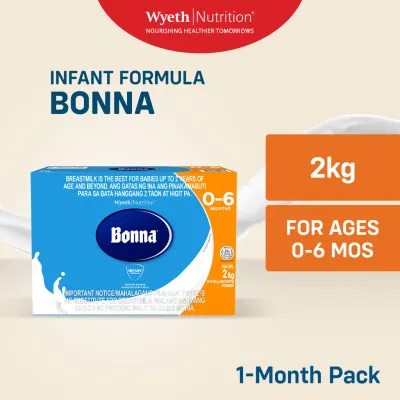
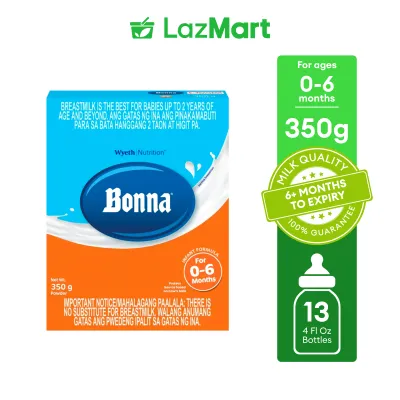
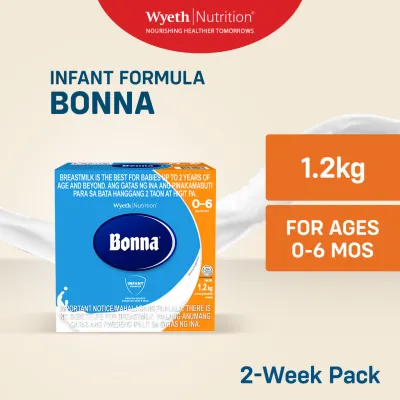
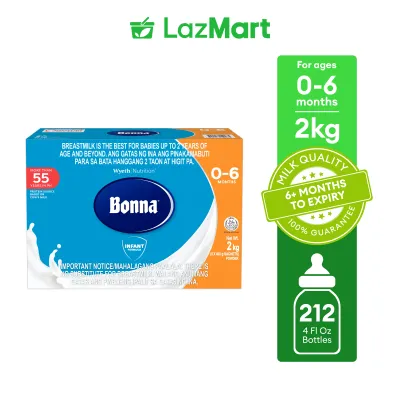

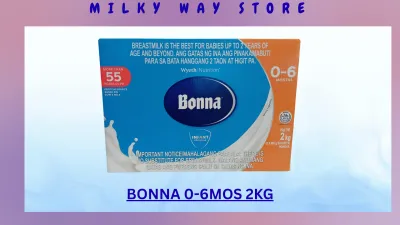
Prices are valid at publication and may change. Please refer to the product page for the latest price.
Verifying Stage 1 Availability for Each Brand
Understanding the distinction between infant formula and growing-up milk is crucial for your baby’s safety. Infant formula designed for the first six months of life is specially processed to be easily digestible for a newborn’s highly sensitive stomach and developing kidneys. Feeding a young infant milk designed for older toddlers can lead to severe digestive distress and nutritional imbalances.

Bonna is a well-known brand in the Philippines that offers a specific Stage 1 infant formula. Parents can easily identify this product by looking for the “Stage 1” designation and the “0-6 months” age range clearly printed on the front of the box or tin.
NAN, produced by Nestlé, also offers dedicated Stage 1 infant formulas, such as NAN Optipro 1 or NAN Infinipro 1. These products are specifically formulated for infants from birth to six months and are widely available in local pharmacies and supermarkets.
Nido, while highly popular in Filipino households, does not offer a Stage 1 infant formula under the Nido brand name. Standard products like Nido 1+ or Nido 3+ are growing-up milks intended exclusively for toddlers aged one year and older. Parents looking for a newborn formula from the same manufacturer must look for Nestlé’s dedicated infant lines, such as NAN or Nestogen, rather than Nido.
Enfagrow is another brand designed for older children, typically toddlers aged three years and above. For infants aged 0 to 6 months, the parent company, Mead Johnson, manufactures Enfamil Stage 1 instead of Enfagrow. It is vital not to confuse these brand names when browsing store shelves or online catalogs.
Always inspect the physical packaging or product specifications carefully. Look for explicit terms like “Infant Formula,” “Stage 1,” or “0-6 months” to ensure the product is safe for a newborn.
Comparing Nutritional Labels and Ingredients
When comparing infant formulas, learning to read the nutrition facts panel is an essential skill for parents. While all commercial infant formulas must meet strict international and national standards for basic nutrition, different brands highlight various supplementary ingredients.
Key nutrients to look for on the label include Docosahexaenoic Acid (DHA) and Arachidonic Acid (ARA), which are fatty acids present in breast milk. You will also find prebiotics, such as Galacto-oligosaccharides (GOS) and Fructo-oligosaccharides (FOS), which support gut health. Iron, calcium, and essential vitamins are also standard components that you should compare across different brands.
Some babies have specific dietary sensitivities that make standard cow’s milk-based formulas unsuitable. If your baby experiences persistent gas, severe colic, or skin issues, they may require a specialized formula. These include lactose-free options, partially hydrolyzed protein formulas, or hypoallergenic formulas designed for babies with a cow’s milk protein allergy.
Never switch your baby to a specialized formula without professional guidance. A pediatrician must evaluate your baby’s symptoms to determine if a specialized diet is necessary and recommend the exact type of formula required.
Evaluating Price and Accessibility
Formula feeding represents a significant, recurring household expense during the first year of a baby’s life. To make an accurate financial comparison, parents should calculate the cost per gram or cost per serving rather than simply looking at the retail price of a single container.
To calculate the unit cost, divide the retail price in ₱ by the total weight of the package in grams. This calculation allows you to compare a 400g box directly with an 800g tin to see which option offers better long-term value for your budget.
Accessibility is another critical factor to consider, especially given potential supply chain fluctuations. A formula is only practical if you can reliably purchase it when needed. Check the consistent availability of your chosen brand in local supermarkets, neighborhood pharmacies, and official brand stores on major online marketplaces.
Be highly cautious when purchasing infant formula online. Only buy from official brand stores or authorized distributors to avoid counterfeit products or items that have been stored improperly. In tropical climates, exposure to high heat and humidity can degrade the nutritional quality of the powder and compromise its safety.
Decision Framework: Which Formula Fits Your Baby?
Choosing the right formula involves balancing your baby’s health requirements, product availability, and your household budget. Use the following guidelines to help structure your decision-making process.
Choose Bonna Stage 1 if…
- You are looking for a highly accessible, budget-friendly infant formula specifically designed for babies aged 0 to 6 months.
- Your baby has no known food allergies, severe digestive sensitivities, or medical conditions requiring specialized nutrition.
Choose NAN Stage 1 if…
- You prefer a premium infant formula line that offers specific protein technologies or specialized variants, and your budget comfortably accommodates a higher price point.
- The specific variant recommended by your pediatrician is consistently stocked in your local pharmacies or preferred online stores.
Verify first if…
- You are considering Nido or Enfagrow, as you must redirect your search to their manufacturers' actual Stage 1 infant formulas, such as Nestogen, NAN, or Enfamil.
- Your baby exhibits signs of digestive discomfort, as you will need a pediatrician's assessment before selecting a specific formula type.
Neither may fit if…
- Your baby has a diagnosed cow's milk protein allergy or a metabolic disorder. These conditions require a prescription-only, highly hydrolyzed, or amino acid-based formula managed closely by a medical professional.
Frequently Asked Questions (FAQ)
Is It Safe to Mix Different Formula Brands?
It is generally not recommended to mix different formula brands or stages in the same bottle. Each infant formula is scientifically calibrated with a precise balance of nutrients, vitamins, and minerals, along with a specific scoop size designed for that exact powder density.
Mixing different powders can alter the water-to-powder ratio, which may lead to nutritional imbalances or put unnecessary strain on your baby’s kidneys. Always prepare each formula strictly according to the manufacturer’s instructions on the packaging, using only the scoop provided in that specific container.
How Do I Know if My Baby Is Allergic to a Formula?
Babies can exhibit various observable signs if they are intolerant or allergic to a specific formula. Common symptoms include severe skin rashes or hives, frequent and forceful vomiting, chronic diarrhea, blood or mucus in the stool, and extreme, inconsolable fussiness during or immediately after feedings.
If you observe any of these symptoms, stop using the formula and seek immediate medical advice from your pediatrician. Do not attempt to self-diagnose or switch through multiple commercial brands on your own, as this can further irritate your baby’s digestive tract.
How to Safely Switch Between Formula Brands
If your pediatrician recommends switching formula brands, the transition should ideally be done gradually to allow your baby’s digestive system to adapt. A common method involves replacing one feeding per day with the new formula, slowly increasing the number of new feedings over several days.
Throughout this transition period, closely monitor your baby’s stool consistency, wet diapers, and general behavior. Keep a detailed log of any changes in digestion or sleep patterns to share with your healthcare provider during follow-up visits.
Community discussion
Share your experience or ask a question. Comments are reviewed before publication.