
Choosing the right formula for a newborn is one of the most significant decisions parents make during the first six months of a baby’s life. In the Philippines, families frequently compare Bonna, NAN, and Nido when looking for options that balance nutritional quality with household budgets. However, navigating these brands requires understanding a critical distinction: while some of these names represent dedicated infant formulas designed specifically for the delicate digestive systems of newborns, others are formulated strictly for older toddlers.
To make an informed choice, parents must learn how to read nutrition labels, calculate the actual cost per serving of packages like a 1kg bag or tin, and assess how well a baby tolerates a specific blend. This guide provides a practical framework to help you evaluate these options, understand their nutritional profiles, and make a safe, budget-conscious decision in consultation with your pediatrician.
Understanding the Nutritional Profiles of Infant Formulas
During the first six months of life, infant formula serves as the sole source of nutrition for non-breastfed babies. Consequently, the nutritional profile of the milk must precisely match the developmental needs of an infant’s rapidly growing body and immature digestive system. When examining the nutrition information panel on any formula packaging, the first elements to evaluate are the macronutrients: proteins, fats, and carbohydrates. Proteins provide the essential building blocks for muscles and tissues, fats supply concentrated energy and support brain development, and carbohydrates—primarily in the form of lactose—fuel daily activity and metabolic functions.
Products mentioned in this guide
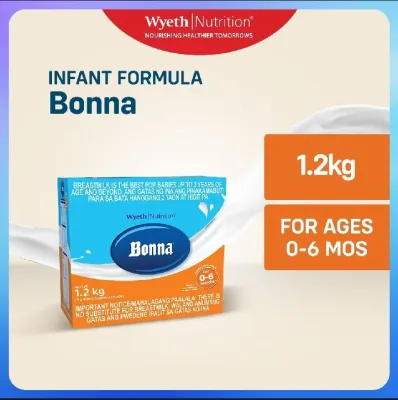
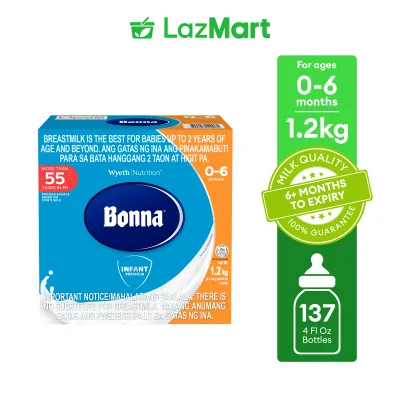
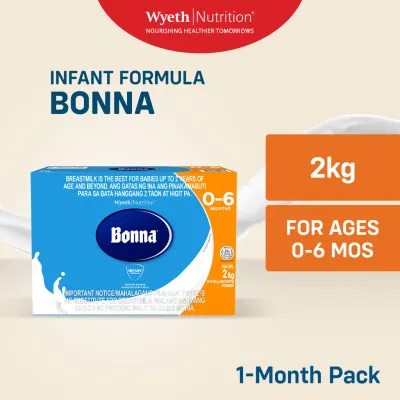
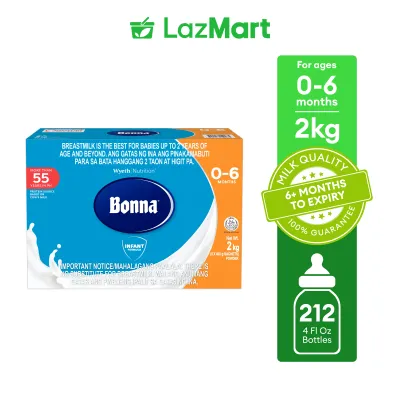
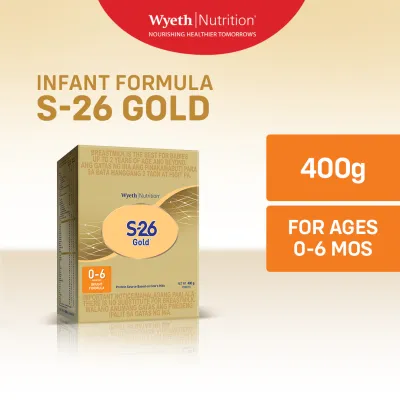
Prices are valid at publication and may change. Please refer to the product page for the latest price.
Beyond these basic components, essential micronutrients play a pivotal role in early development. Iron is critical for cognitive development and the prevention of iron-deficiency anemia, a common concern in early infancy. Calcium and vitamin D support rapid bone mineralization, while docosahexaenoic acid (DHA) and arachidonic acid (ARA) are specialized fatty acids crucial for brain and retinal development. Parents should locate the nutrient list on the side of the packaging to verify not only the presence of these micronutrients but also their specific quantities per 100 kilocalories or per 100 milliliters of prepared formula.
The structure of the proteins in a formula also significantly influences how easily a baby can digest it. Milk protein is composed of whey and casein. Whey remains liquid in the stomach and is highly digestible, whereas casein forms a firmer curd that takes longer to break down. Standard infant formulas for the 0-6 month stage often adjust this ratio to feature a higher percentage of whey, mimicking the protein composition of early lactation. When reading labels, look for terms like “demineralized whey” or “whey protein concentrate” near the top of the ingredient list, as a higher whey-to-casein ratio generally correlates with softer stools and less digestive discomfort for young infants.
Evaluating Bonna, NAN, and Nido for Early Infancy
When comparing Bonna, NAN, and Nido, parents must first verify the age indications printed clearly on the front of the packaging. Bonna offers a specific starter variant designed for infants from 0 to 6 months, commonly labeled as Step 1 or Infant Formula. When evaluating this option, parents should check the ingredient list for its source of carbohydrates and the specific blend of vitamins and minerals. This brand is widely utilized in Filipino households as an accessible starter formula, and verifying its nutritional label helps parents confirm that it meets the standard regulatory requirements for early infant growth.

NAN, produced by Nestlé, features a starter line (such as NAN Optipro 1) specifically formulated for the 0-6 month demographic. When reviewing a premium option like NAN, parents should look for specific label claims regarding its protein modification process, which aims to optimize the quality of whey proteins for easier absorption. Additionally, many starter formulas in this line contain active probiotic cultures, such as Bifidobacterium lactis, which are listed under the ingredients. These active cultures are included to support gut flora development, a feature parents can discuss with their pediatrician if their baby experiences frequent gas or mild digestive issues.
In contrast, Nido presents a very different scenario that requires strict consumer vigilance. Nido is a highly popular brand in the Philippines, but its widely available products, such as Nido 1+ or Nido 3+, are formulated exclusively for toddlers and young children. Parents must carefully inspect store shelves and online product descriptions to determine if a dedicated, certified infant formula variant under the Nido brand is actually available for the 0-6 month age bracket. If a product does not explicitly state “Infant Formula” and display a “0-6 months” age designation on the front label, it must never be purchased for a newborn, as toddler milks do not meet the strict nutritional and safety standards required for early infancy.
Comparing Value and Cost per Serving
To determine the true financial impact of a formula choice, parents should look beyond the retail price of a single container and calculate the cost per serving. This calculation is especially useful when comparing larger packaging sizes, such as a 1kg box or tin, which often present a different unit price than smaller boxes. To begin, divide the retail price in Philippine Pesos (₱) by the total weight of the package in grams to find the cost per gram of the dry powder:
$$\text{Cost per Gram} = \frac{ ext{Retail Price (₱)}}{\text{Total Package Weight (g)}}$$
Next, consult the preparation instructions on the back of the packaging to find the exact weight of a single scoop of powder, which is typically measured in grams. By multiplying the cost per gram by the weight of one scoop, and then multiplying that by the number of scoops required for a standard bottle (usually based on a 2-ounce or 4-ounce serving), you can determine the precise cost of preparing a single feed:
$$\text{Cost per Serving} = \text{Cost per Gram} \times \text{Weight of One Scoop (g)} \times \text{Scoops per Bottle}$$
In the warm and highly humid climate of the Philippines, storage conditions play a critical role in determining the actual value of a larger package. While purchasing a 1kg pack of Bonna or NAN may offer a lower cost per gram compared to smaller sizes, the powder must be stored properly to prevent spoilage. High humidity can cause milk powder to clump, absorb moisture, or spoil before the package is fully consumed. Parents should ensure that opened powder is kept in a tightly sealed, airtight container in a cool, dry pantry, and consumed within the manufacturer’s recommended timeframe—usually three to four weeks after opening. If a baby is mixed-fed and consumes formula infrequently, buying smaller boxes may actually prevent waste and save money in the long run.
Ultimately, the most economical formula is the one that your baby can digest comfortably. Even if a specific brand offers a lower cost per serving, it ceases to be a practical value if it causes digestive distress, excessive spit-up, or allergic reactions. Frequent formula changes due to intolerance lead to wasted product and additional medical consultations, which quickly offset any initial savings. Balancing your household budget with your baby’s physical tolerance and your pediatrician’s professional recommendation is the most reliable path to finding true value.
How to Choose the Right Formula for Your Baby
Selecting the ideal formula requires a systematic approach that prioritizes your baby’s health, digestive comfort, and your family’s financial sustainability. Parents can use the following conditional framework to guide their decision-making process:
- Choose Bonna 0-6 Months if you are looking for an accessible, budget-friendly infant formula that meets standard nutritional requirements, and your baby tolerates it well without showing signs of digestive discomfort, excessive gas, or hard stools.
- Choose NAN 0-6 Months if your pediatrician specifically recommends a formula with an optimized protein profile or added probiotics to support a sensitive digestive system, and the higher cost per serving fits comfortably within your monthly household budget.
- Verify Nido's Labeling with extreme care before purchase. If you cannot find a product under this brand that is explicitly labeled as a "Stage 1 Infant Formula" for "0-6 months," do not purchase it for your newborn. Standard toddler milks under this brand are unsafe for infants under one year of age.
Regardless of the brand you choose, monitoring your baby’s physical response is essential. Every infant’s digestive tract develops at a unique pace, and a formula that works perfectly for one baby may cause discomfort in another. Parents must observe feeding behaviors, sleep patterns, and stool consistency closely during the first few weeks of introducing any new formula.
It is vital to recognize when a formula may not be agreeing with your baby. You should stop using the formula and consult your pediatrician immediately if your baby exhibits persistent signs of intolerance. These signs include excessive, inconsolable fussiness or crying after feedings, frequent or projectile vomiting, a sudden development of skin rashes or hives, severe constipation, or watery stools that contain mucus or blood. Your pediatrician can help determine whether these symptoms indicate a temporary developmental phase or a specific sensitivity, such as a cow’s milk protein allergy, which requires a specialized formula.
Frequently Asked Questions (FAQ)
Can I switch my 0-6 month old baby from Bonna to NAN or Nido?
Switching between infant formulas should always be done gradually and under the guidance of a pediatrician to minimize the risk of digestive upset. If your pediatrician approves a transition from Bonna to an appropriate 0-6 month variant of NAN, a standard transition method involves slowly introducing the new formula over several days. For example, you might replace one feeding per day with the new formula for the first two days, then replace two feedings on the third and fourth days, gradually increasing the frequency until the transition is complete.
During this transition period, closely monitor your baby’s feeding behavior, spit-up frequency, and stool consistency. It is common to observe mild, temporary changes in stool color or frequency as the gut adapts to a new protein or mineral blend. However, if your baby develops severe gas, persistent vomiting, skin rashes, or extreme fussiness, stop the transition immediately and consult your doctor. Additionally, remember that switching to standard Nido toddler milk is not an option for a 0-6 month old baby due to the severe health risks associated with age-inappropriate milk.
Is it safe to use toddler formula for a 0-6 month old baby?
No, it is highly unsafe to feed toddler formula to a baby between 0 and 6 months of age. Infant formulas designed for the first six months are highly specialized products engineered to match the precise nutritional needs and physical limitations of a newborn. Toddler formulas, often labeled for ages one year and older, contain significantly higher concentrations of proteins, sodium, calcium, and phosphorus. An infant’s immature kidneys are not capable of processing these high solute loads, which can lead to severe dehydration, kidney strain, and metabolic imbalances.
Furthermore, toddler formulas lack the specific ratios of essential fatty acids, vitamins, and highly digestible whey proteins required to support rapid brain development and physical growth during early infancy. Feeding toddler milk to a newborn can result in severe nutritional deficiencies and gastrointestinal distress. Parents must always verify the age indication and stage number on the front of the product label before preparing any bottle, ensuring it is explicitly certified for infants from birth to six months.

Community discussion
Share your experience or ask a question. Comments are reviewed before publication.