
Quick Answer: Navigating Your 0-6 Month Formula Choices
Breast milk is the gold standard for infant nutrition, providing optimal antibodies, hormones, and perfectly balanced nutrients that adapt to your growing baby’s needs. When breastfeeding is not possible, or if you and your pediatrician decide to supplement with formula, choosing the right product becomes one of your most important early parenting decisions.
Your choice must depend on your pediatrician’s professional guidance and your baby’s unique digestive tolerance rather than marketing promises. While brands like Bonamil and NAN offer established Stage 1 formulas specifically designed for infants from 0 to 6 months, other popular brands like Nido are primarily formulated for older toddlers. You must carefully verify the packaging of any formula to ensure it is designed specifically for the newborn stage before introducing it to your baby.
Ultimately, the most suitable formula is the one that your baby digests comfortably, fits your family’s long-term budget, and is consistently available in your local area.
Products mentioned in this guide
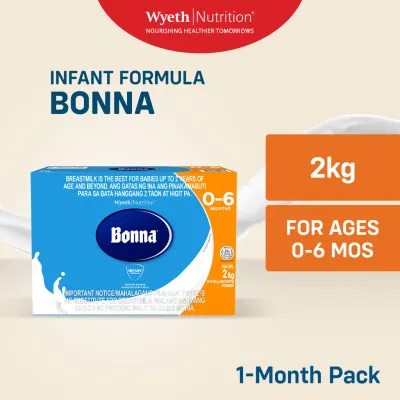
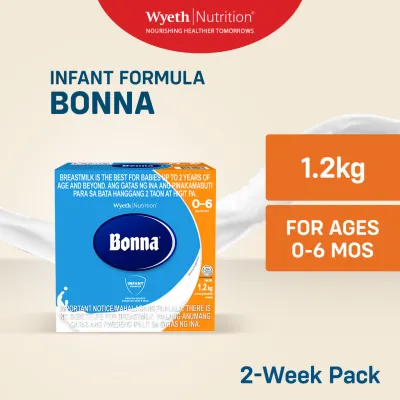
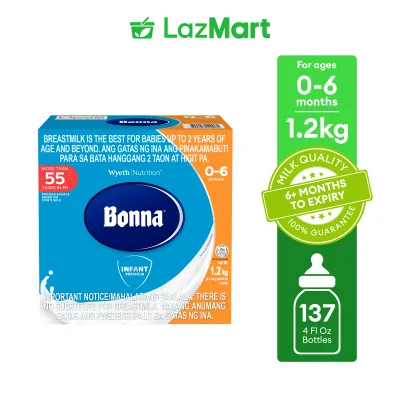
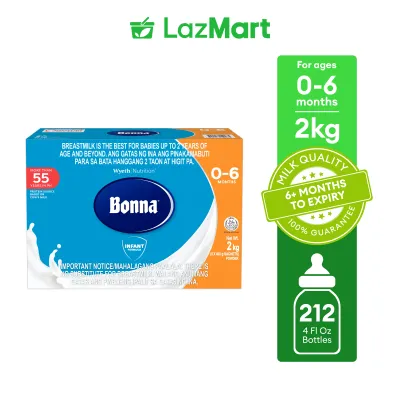
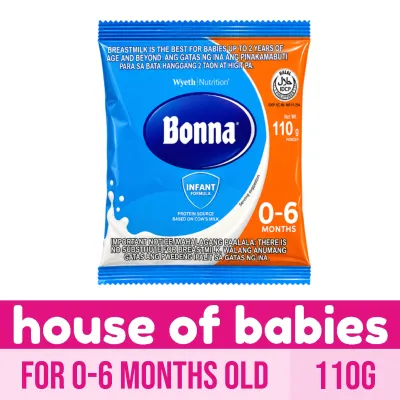
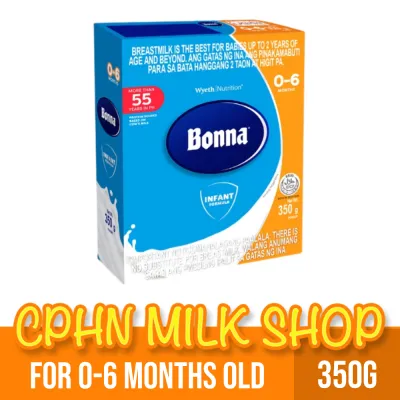
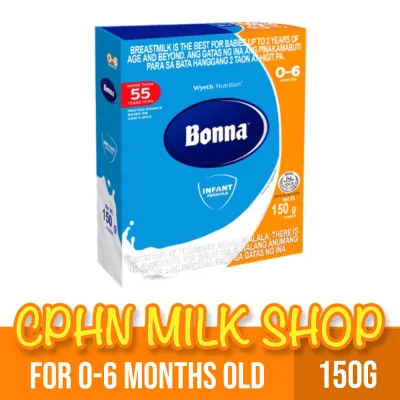

Prices are valid at publication and may change. Please refer to the product page for the latest price.
Step 1: Verify the Exact Product Stage and Age Suitability
Newborn digestive systems and kidneys are highly delicate and still developing during the first six months of life. Because of this, they require a very specific balance of proteins, fats, and minerals that differs significantly from what older babies or toddlers need.

When shopping, always look for the “Stage 1” or “0 to 6 Months” designation clearly printed on the front label of the tin or box. This ensures the product is specifically formulated to meet the strict nutritional and safety standards required for early infancy.
Feeding a newborn a formula meant for older infants or toddlers, such as standard Nido 1+, poses serious health risks. These follow-on or toddler milks contain higher concentrations of proteins, sodium, and other minerals that a newborn’s immature kidneys cannot safely process, potentially leading to dehydration or digestive distress.
If you are considering a specific brand but cannot find a clear “Stage 1” or “0-6 Months” label on the shelf, do not assume it is safe for your newborn. Check the manufacturer’s official website or consult your pediatrician to verify if a newborn-specific variant exists in your local market before making any purchase.
Step 2: How to Compare Nutritional Labels for Newborns
Reading the nutrition information panel on the back of a formula tin can feel overwhelming, but focusing on a few key components can help you make an informed comparison.
First, look at the protein source and ratio. Infant formulas often adjust the ratio of whey to casein protein to mimic breast milk, with whey being easier for young infants to digest. A higher whey-to-casein ratio is generally gentler on a newborn’s stomach and can help reduce digestive discomfort.
Next, check for specific developmental additions such as Docosahexaenoic Acid (DHA) and Arachidonic Acid (ARA). These fatty acids are crucial for early brain development and visual acuity, and their presence on the label indicates support for these developmental milestones.
You should also look for prebiotics (like GOS and FOS) or probiotics listed in the ingredients. These active components support a healthy gut microbiome, which can help reduce common newborn issues like colic, gas, and constipation.
Be highly aware of potential allergens listed on the packaging. Most standard formulas are based on cow’s milk protein, which can trigger sensitivities or allergies in some infants. If your baby has a family history of allergies, you may need to discuss specialized hypoallergenic or lactose-free options with your doctor.
Remember that all infant formulas legally registered and sold in the Philippines must meet strict national and international nutritional baselines. This means that any registered Stage 1 formula will provide the essential vitamins and minerals your baby needs to grow; your comparison should focus on these specialized additions and how well your baby tolerates them.
Step 3: Assessing Price, Value, and Local Availability
Formula feeding is a continuous daily expense, making it essential to choose a product that is both financially sustainable for your family and consistently stocked.
To calculate the true cost of a formula, do not just look at the retail price of the tin. Instead, calculate the cost per serving using the net weight of the package and the feeding guide printed on the back.
Cost Calculation Method:
- Step 1: Identify the total net weight of the tin in grams (e.g., 800g).
- Step 2: Check the feeding table to find the weight of a single scoop of powder (usually around 4.3g to 4.5g).
- Step 3: Divide the total net weight by the scoop weight to find the total number of scoops per tin.
- Step 4: Determine how many scoops are required per bottle based on your baby's age, then divide the total scoops by this number to get the total servings per tin.
- Step 5: Finally, divide the retail price in ₱ by the total servings to find the cost per bottle.
In the Philippines, tropical humidity and weather can affect supply chains, so consistent local availability is just as important as price. Check your local supermarkets, trusted pharmacies, and official brand flagship stores to ensure the formula you choose is regularly in stock.
Avoid purchasing infant formula from unauthorized third-party sellers on online marketplaces. These products may be counterfeit, expired, or stored in hot, humid conditions that degrade the nutritional quality and safety of the powder.
Step 4: Monitoring Your Baby's Tolerance and Digestion
Once you select a formula under your pediatrician’s guidance, you must closely monitor how your baby’s body responds to it over several weeks.
Signs of good tolerance include a baby who feeds comfortably without excessive crying, passes soft stools regularly, and shows steady weight gain during routine checkups.
Conversely, you must watch for warning signs that indicate the formula may not be agreeing with your baby. Red flags include severe abdominal pain or colic, persistent vomiting (not just mild spit-up), blood or mucus in the stool, chronic diarrhea, or unexplained skin rashes.
If you observe any of these symptoms, stop using the formula immediately and consult your pediatrician. Do not attempt to diagnose a milk allergy or digestive issue on your own, as this requires professional medical evaluation.
If your pediatrician recommends switching formulas, do so gradually to allow your baby’s digestive tract to adjust. Never mix different formulas together during a transition unless your doctor has provided a specific, medically supervised schedule to do so safely.
Final Decision Framework: Choosing the Right Formula for Your Family
To make the final choice, weigh the specific characteristics of each option against your baby’s needs and your household budget.
- Choose Bonamil Stage 1 if: You are looking for a reliable, standard infant formula that meets all essential nutritional baselines, fits comfortably within a moderate budget, and is widely available in local supermarkets.
- Choose NAN Optipro Stage 1 if: Your pediatrician recommends a formula with a specific whey-to-casein ratio or added probiotics to support a sensitive digestive system, and your budget accommodates a premium price point.
- Verify First if considering Nido: You must confirm whether a dedicated Stage 1 (0-6 months) variant is officially distributed in your area. If only toddler versions like Nido 1+ are available, you must choose an alternative Stage 1 formula to protect your newborn's health.
- Consult a Professional if: Your baby shows any signs of cow's milk protein allergy, severe reflux, or lactose intolerance. In these cases, standard formulas will not be suitable, and your pediatrician will prescribe a specialized, therapeutic formula.
Frequently Asked Questions (FAQ)
Can I mix Bonamil and NAN in the same bottle?
No, you should not mix different formula brands or stages in the same bottle unless explicitly directed by your pediatrician. Each brand is formulated with a precise balance of nutrients, proteins, and minerals designed to be dissolved in a specific volume of water. Mixing them can alter the osmolarity and nutrient concentration, which can strain your newborn’s developing kidneys and cause digestive distress.
How long can I keep prepared formula at room temperature?
Prepared infant formula should generally be used within two hours of preparation if kept at room temperature. If your baby has already started drinking from the bottle, any remaining formula must be discarded within one hour because bacteria from the baby’s saliva can multiply rapidly in the warm milk. Unused, freshly prepared formula can be stored in a sealed container in the refrigerator for up to 24 hours, but you should always check the specific instructions on your formula tin for exact storage guidelines.
Community discussion
Share your experience or ask a question. Comments are reviewed before publication.