
Selecting the ideal milk supplement for your child’s transition into toddlerhood can feel overwhelming given the array of options on supermarket shelves. When evaluating options like bonakid 1 to 3 year milk, Nido, and Enfagrow, parents must balance developmental benefits, digestive tolerance, and the household budget. There is no single “perfect” formula that fits every toddler. Instead, the best choice depends on whether you prioritize budget-friendly foundational nutrition, broad physical growth and immunity support, or premium brain-development ingredients. While these brands offer tailored formulations for this dynamic developmental stage, your toddler’s unique taste preferences, growth milestones, and your family pediatrician’s professional guidance should always serve as the final deciding factors.
Quick Answer: Matching the Formula to Your Toddler's Needs
To help you navigate these popular choices quickly, we can categorize them based on their primary nutritional positioning and price profiles:
- Choose Bonakid if you prioritize a highly accessible, budget-friendly daily option that covers the foundational vitamins and minerals required for active toddlers who already eat a relatively balanced solid-food diet.
- Choose Nido if your toddler is highly active, requires broad support for physical growth and immune defense, prefers a widely accepted, creamy taste, and you want a mid-tier balance of cost and nutrition.
- Choose Enfagrow if you want to focus heavily on premium brain-development and cognitive support ingredients, such as higher levels of DHA, and have a flexible budget to accommodate premium pricing.
Remember that toddler milks are designed as dietary supplements to complement a diverse, solid-food diet, rather than replace it. Before making any sudden changes to your child’s feeding routine, consult your pediatrician to ensure the selected product aligns with your toddler’s growth trajectory and health history.
Products mentioned in this guide

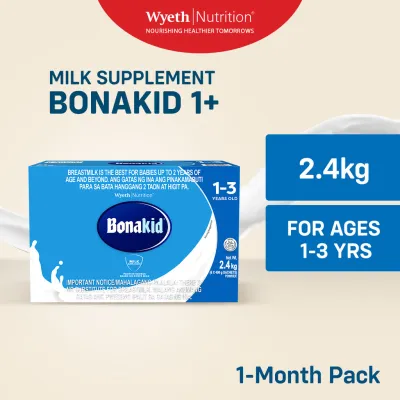
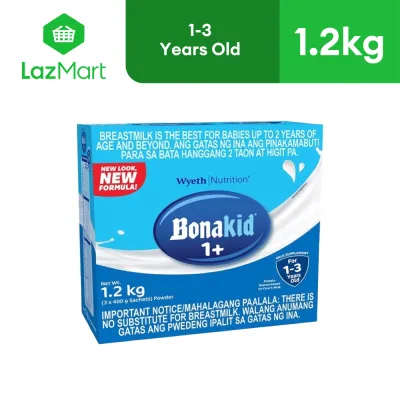

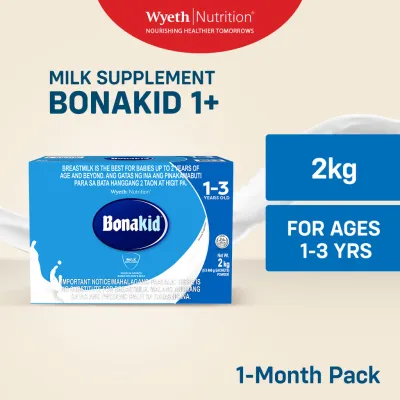
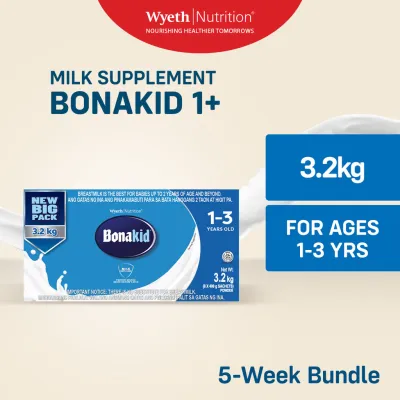

Prices are valid at publication and may change. Please refer to the product page for the latest price.
Nutritional Focus and Key Benefits by Brand
As toddlers transition from infancy to early childhood, their nutritional requirements change dramatically. Between the ages of 1 and 3, children experience rapid physical growth, cognitive leaps, and immune system development, all while becoming more selective about the solid foods they eat. Each brand approaches this developmental phase with a distinct formulation strategy.

Bonakid: Focus and Target Benefits
The bonakid 1 to 3 year formula is widely recognized in the Philippines as a practical, everyday option designed to support a child’s foundational growth milestones. This brand generally positions itself as an affordable entry point for parents who want to ensure their toddlers do not miss out on essential daily nutrients. The formulation typically emphasizes core growth elements, including calcium for bone development, iron to support healthy blood cells, and essential vitamins such as Vitamin A, C, and D to assist the immune system.
For parents navigating the high cost of raising a toddler, this formula offers a reassuring balance of affordability and essential nutrition. It is particularly suited for families who ensure their children already get a varied diet of solid foods—such as local fruits, vegetables, and proteins—and simply require a reliable, cost-effective milk supplement to fill in any minor nutritional gaps. However, because product formulations can be updated by the manufacturer, caregivers should always verify specific nutrient levels and health claims directly on the packaging before purchase.
Nido: Focus and Target Benefits
Nido has long been a staple in local households, known primarily for supporting physical growth, bone strength, and active play. For toddlers aged 1 to 3, the brand focuses heavily on immunity-supporting nutrients, often highlighting combinations of zinc, selenium, and vitamins A, C, and E, alongside specialized prebiotics or probiotics to support gut health. This focus on digestive defense is particularly relevant for active toddlers who are constantly exploring their environments and need robust immune support.
In addition to physical growth and immunity, this brand is highly regarded for its taste acceptance. Many parents find that its creamy flavor profile appeals to picky eaters who might otherwise reject milk supplements. When selecting this option, it is important to check the specific product variant, such as powdered formulations versus ready-to-drink options, as the nutrient density, sugar content, and recommended serving sizes can vary. Always read the preparation instructions carefully to maintain the correct nutrient concentration.
Enfagrow: Focus and Target Benefits
Enfagrow positions itself at the premium end of the toddler milk market, with a strong emphasis on cognitive development and brain growth. During the first three years of life, a child’s brain undergoes rapid development, and this formula is specifically designed to support these neurological milestones. The brand frequently highlights premium ingredients such as Docosahexaenoic Acid (DHA), Arachidonic Acid (ARA), and other specialized nutrients like lutein and yeast beta-glucan, which are linked to brain and eye health.
This brand appeals directly to parents who prioritize specialized cognitive support and are willing to invest in a premium-priced product. While Enfagrow also includes foundational vitamins and minerals for physical growth and immunity, its marketing and formulation focus remain firmly on brain development. Parents should examine the packaging to verify the exact DHA levels per serving and compare these with other brands to determine if the premium price matches their expectations for cognitive nutritional support.
Critical Label Checks: Sugar, DHA, and Prebiotics
To make an informed decision, parents must look beyond front-of-pack marketing claims and learn to read the nutrition facts panel and ingredient list. Formulations change periodically, and minor variations can significantly impact your child’s daily intake. When comparing these three brands, pay close attention to three critical components: added sugars, brain-supporting nutrients, and gut health ingredients.
Added Sugars Many toddler milk formulas contain added sugars to improve taste and mixability. When reviewing the ingredient list, look for terms like sucrose, corn syrup solids, maltodextrin, or glucose syrup. While these provide energy, high consumption of added sugars in early childhood can influence a toddler’s developing taste preferences, potentially leading to a preference for overly sweet foods and increasing the risk of dental cavities. Compare the total sugar content per serving across Bonakid, Nido, and Enfagrow, aiming for options that minimize added sugars in favor of lactose, the natural sugar found in milk.
Brain-Supporting Nutrients DHA and ARA are omega-3 and omega-6 fatty acids that play vital roles in the structural development of the brain and retina. While the human body can synthesize some DHA from dietary precursors, direct dietary intake is highly beneficial during early childhood. When checking the nutrition facts panel, locate the exact milligrams of DHA per serving. Premium brands like Enfagrow typically feature higher, more prominent concentrations of DHA, but you should verify whether the mid-tier or budget-friendly options also provide a sufficient baseline level of these essential fatty acids for your child’s needs.
Gut Health Ingredients A significant portion of a toddler’s immune system resides in the gut. Ingredients that support digestive health, such as prebiotics (like Galacto-oligosaccharides or GOS, and Fructo-oligosaccharides or FOS) and probiotics (active beneficial bacteria), help maintain a healthy gut microbiome. These ingredients can improve stool consistency, reduce the occurrence of constipation, and support overall nutrient absorption. Check the ingredient list of each formula to see if these prebiotic fibers or specific probiotic strains are included, as they can greatly affect how easily your toddler digests the milk.
Use this practical checklist when comparing the physical cans or official online product images side-by-side:
- Age Suitability: Confirm the label explicitly states the product is formulated for children aged 1 to 3 years.
- Sugar Sources: Identify if the product uses lactose as its primary carbohydrate or relies heavily on sucrose and corn syrup solids.
- DHA Content: Locate the exact milligram measurement of DHA per 100g or per serving to compare cognitive support value.
- Digestive Support: Look for prebiotics (GOS/FOS) or active probiotics listed in the ingredients.
- Preparation Instructions: Check the required scoops-to-water ratio, as this affects both nutrient delivery and how quickly you will empty the can.
Evaluating Cost and Value for Your Budget
For most families, the ongoing cost of toddler formula is a major factor in the household budget. Because different brands package their milk in various tin or box sizes—ranging from small 350g boxes to large 1.2kg or 1.8kg tins—comparing the retail price alone can be misleading. To get an accurate picture of the financial impact, you must calculate the actual cost per serving or cost per gram.
To calculate this, divide the retail price of the package by the total weight in grams to find the cost per gram. Alternatively, check the nutritional label for the recommended serving size (usually in grams) and the number of servings per container. Divide the package price by the total number of servings to determine how much each glass of milk actually costs. You may find that a brand with a higher upfront price offers larger serving sizes or more concentrated nutrients, while a cheaper brand might require more scoops per glass, causing you to run through the package much faster.
To manage these costs effectively, consider the following purchasing strategies:
- Official Brand Stores: Purchase directly from official brand flagship stores on authorized e-commerce platforms or major local supermarkets in the Philippines. This ensures product authenticity, proper climate-controlled storage, and valid expiration dates, reducing the risk of buying counterfeit or improperly stored milk.
- Bulk Discounts and Bundles: Look for multi-packs, bundle deals, or subscription discounts offered during major online shopping events or supermarket sales. Buying larger tins (such as 1.2kg or 1.6kg) generally offers a lower cost per gram compared to smaller boxes.
- Promotional Periods: Plan purchases around predictable monthly sales or holiday promotions, but avoid over-purchasing stock that may expire before your toddler can consume it.
Final Decision Framework: Which One Should You Buy?
To finalize your choice, evaluate your toddler’s specific developmental needs alongside your family’s financial plan. Use this clear decision matrix to guide your purchase:
- Choose Bonakid if your primary goal is to secure highly affordable, accessible, and reliable everyday nutrition that covers essential growth baselines, especially if your toddler already eats a wide variety of solid foods.
- Choose Nido if your toddler is highly active, loves outdoor play, needs robust support for immunity and digestive comfort, prefers a creamy and highly accepted taste, and you want a balanced mid-tier option.
- Choose Enfagrow if you want to prioritize premium cognitive development, eye health, and specialized brain-supporting ingredients like DHA, and your household budget comfortably accommodates a premium price point.
Verify First If… Before buying any toddler milk, caregivers must assess if their child has specific health considerations. If your toddler has a history of cow’s milk protein allergy, lactose intolerance, severe reflux, chronic constipation, or was born prematurely, standard toddler formulas may not be suitable. In these scenarios, or if you observe symptoms like skin rashes, vomiting, excessive gas, or diarrhea after feeding, stop using the product immediately and consult your pediatrician. A qualified medical professional should always guide transitions, specialized formula selections, or dietary adjustments for children with sensitive systems.
Frequently Asked Questions (FAQ)
Can I mix two different toddler formula brands in one day?
It is generally not recommended to mix two different formula brands in the same bottle, as this can alter the precise concentration of nutrients and make the mixture difficult for your toddler to digest. However, alternating brands at different times of the day (for instance, one brand in the morning and another at night) is possible, though still not ideal. Toddlers thrive on consistency, and frequent changes in taste, texture, and ingredient profiles can lead to digestive upset, changes in stool consistency, or refusal to drink the milk. If you need to switch brands, it is best to transition gradually over several days by slowly replacing one feeding of the old brand with the new one.
When is the right time to switch from infant formula to toddler milk?
The transition from infant formula (0-12 months) to toddler milk (1-3 years) typically occurs around the first birthday, when a child’s nutritional needs shift. At 12 months of age, solid foods should become the primary source of nutrition, with milk serving as a supplement rather than the main meal. Toddler formulas are specifically designed to complement a solid-food diet by providing targeted vitamins, minerals, and fatty acids that might be lacking in a toddler’s daily meals. Always consult your pediatrician before making this transition to ensure your child has reached the appropriate developmental milestones and to confirm that a toddler milk supplement is suitable for their specific growth profile.
Community discussion
Share your experience or ask a question. Comments are reviewed before publication.