
Choosing the right toddler milk for a child aged 1 to 3 years is a common decision for parents in the Philippines. During this stage of rapid growth, your child’s nutritional needs shift from the rapid development of infancy to the active, exploratory phase of early childhood. While breast milk remains an excellent option, many families look to commercial toddler milks—often labeled as Stage 3—to help bridge potential nutritional gaps.
There is no single “best” brand among Bonakid, Nido, Enfagrow, and NAN. Each of these products is formulated with different nutritional priorities, ingredient profiles, and price points. To make an informed choice, you must look beyond brand marketing and learn how to evaluate the nutrition facts panel and ingredient list on the packaging. This guide provides a practical framework to help you compare these options and select the milk that best supports your toddler’s unique dietary needs.
Understanding Your Toddler's Nutritional Baseline
Before comparing specific brands, it is essential to understand what a toddler between 1 and 3 years old actually requires. During this developmental window, children need a balanced intake of macronutrients alongside critical micronutrients. Key nutrients to look for on any toddler milk label include iron, calcium, vitamin D, and essential fatty acids. Iron supports cognitive development and helps prevent iron-deficiency anemia, which is a common concern during early childhood. Calcium and vitamin D work together to build strong bones and teeth as your child becomes more physically active. Essential fatty acids, such as alpha-linolenic acid and linoleic acid, serve as building blocks for brain development.
Products mentioned in this guide

Prices are valid at publication and may change. Please refer to the product page for the latest price.
It is equally important to recognize the role of toddler milk as a nutritional supplement rather than a primary food source. By the time a child reaches one year of age, solid foods should become their primary source of nutrition. Toddler milk is designed to fill in the gaps for children who may not always consume a perfectly balanced diet every day. Relying too heavily on milk can actually backfire; drinking excessive amounts of milk can fill up a toddler’s small stomach, making them less interested in eating iron-rich solid foods like meats, fish, and vegetables.
While standard toddler milks are suitable for many children, certain conditions require professional guidance. You should always consult a pediatrician before choosing or switching to a specific milk if your child has known food allergies, exhibits severe picky eating habits, or shows signs of faltering growth. A healthcare provider can help you determine whether your child needs a standard commercial toddler milk, a specialized hypoallergenic formula, or simply a well-planned diet of solid foods paired with water or plain whole milk.
Evaluating the Brands: What to Look For on the Label
To compare Bonakid, Nido, Enfagrow, and NAN effectively, you must learn to read their product labels systematically. Manufacturers design these formulations to highlight different aspects of childhood development, and verifying these claims on the nutrition facts panel is the most reliable way to compare them.

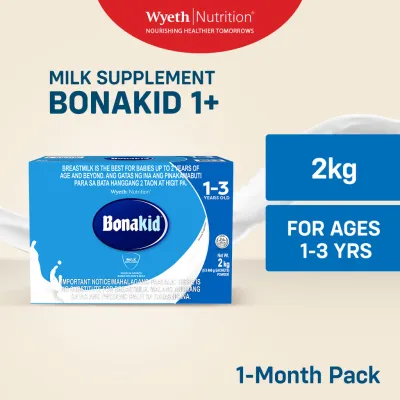
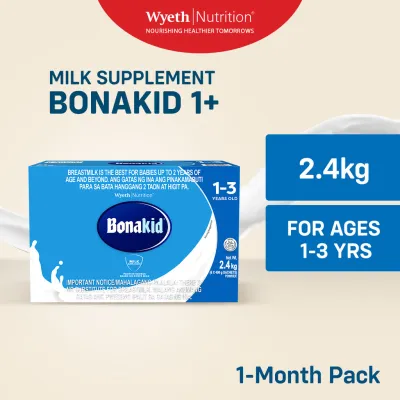
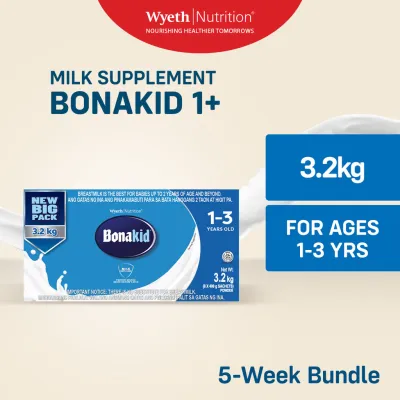
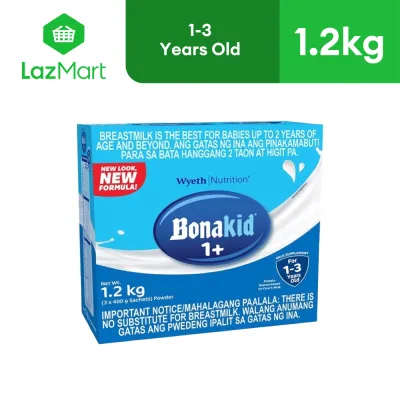
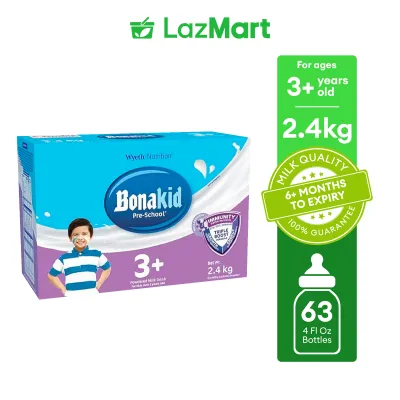
When evaluating Bonakid 1-3 years, guide your attention to the growth and immunity-related nutrient claims on the label. Look closely at the levels of vitamins A, C, and E, as well as zinc, selenium, and iron. These micronutrients are commonly emphasized to support the immune system as toddlers begin interacting more with their environment and other children. Check the label to see how much of the daily recommended intake these nutrients provide per serving.
For Nido, particularly variants like Nido 3+, verify the nutritional profile for overall daily nutrition and physical development. Inspect the label for calcium, vitamin D, and protein levels, which support bone growth and muscle development. Additionally, check for available flavor variants on the packaging. Some options may contain specific flavorings that appeal to toddlers who reject plain milk, but you should verify if these variants also contain higher levels of added sugars.
When examining Enfagrow, such as Enfagrow A+ Four, focus on the brain-development claims. Look at the ingredient list and nutrition table for docosahexaenoic acid (DHA), arachidonic acid (ARA), choline, and iron. DHA is an omega-3 fatty acid crucial for brain and eye development. Compare the exact milligrams of DHA per serving across different brands to see which one aligns best with your child’s dietary intake of DHA-rich foods like fish.
For NAN, such as NAN Kid 3, direct your focus to digestion and gut-health claims. Look for the presence of specific probiotics, such as Bifidobacterium lactis, or prebiotic fibers like fructooligosaccharides (FOS) and galactooligosaccharides (GOS). These ingredients are included to support a healthy gut microbiome, which can aid digestion and contribute to overall immune function.
Always keep in mind that formulations vary significantly by exact age sub-stage and product format, such as powdered milk versus ready-to-drink liquid cartons. You must read the nutrition facts panel of the specific variant you intend to buy rather than relying on general brand reputation, as manufacturers periodically update their recipes and ingredient sources.
Practical Comparison: Ingredients, Allergens, and Preparation
A thorough comparison of toddler milks requires looking closely at the physical properties, ingredient quality, and preparation requirements of each product. This practical checklist will help you evaluate what goes into your child’s cup.
First, compare the macronutrient ratios and check for added sugars or artificial flavorings on the ingredient list. While lactose is the natural sugar found in milk, some toddler milks contain added sugars like sucrose, corn syrup solids, maltodextrin, or fructose to enhance taste or provide quick energy. Minimizing added sugars in early childhood is highly recommended to prevent tooth decay and avoid conditioning your child’s palate to prefer overly sweet foods. Look for brands that list lactose or milk solids as the primary carbohydrate source rather than refined sugars.
Second, check for common allergens if your child has known sensitivities. Standard toddler milks are derived from cow’s milk and contain cow’s milk proteins and lactose. They may also contain soy lecithin as an emulsifier. If your child has a diagnosed cow’s milk protein allergy (CMPA) or lactose intolerance, standard commercial toddler milks are not suitable. Children with CMPA require specialized, extensively hydrolyzed or amino acid-based formulas, which must only be used under strict medical supervision. Always check the allergen warning box on the packaging for any potential cross-contamination risks.
Third, review the preparation instructions on the packaging to ensure safety and proper nutrient delivery. Proper mixing ratios are critical; using too much powder can strain your toddler’s kidneys and cause dehydration, while using too little can lead to undernutrition. Pay attention to the recommended water temperature. If a formulation contains live probiotics, using water that is too hot can destroy these beneficial bacteria. Always use safe, boiled water that has cooled to the temperature specified by the manufacturer.
Calculating Cost and Value for Your Budget
Managing household expenses is a key consideration for families in the Philippines. Because packaging sizes and serving recommendations vary widely, comparing the retail price of a tin or box directly can be misleading. To find the most economical option, you should calculate the true cost per serving.
You can calculate the cost per serving using a straightforward formula: divide the total retail price of the package by the number of servings it contains. The number of servings is typically listed on the nutrition facts panel. If it is not explicitly stated, you can find it by dividing the net weight of the package (in grams) by the recommended weight of powder per serving (in grams). This calculation gives you a clear picture of how much you are spending per cup of milk.
Additionally, compare prices across different pack sizes. Toddler milk in the Philippines is commonly sold in small sachets, medium cardboard boxes, and large bulk tins. While bulk tins usually offer the lowest cost per gram, smaller boxes or sachets can be highly useful when you are first introducing a brand to see if your child tolerates it. They also help manage weekly grocery budgets without requiring a large upfront cash outlay.
To get accurate pricing information, check current prices on official brand flagship stores on authorized online marketplaces, local supermarket websites, or physical grocery stores. Retail prices, promotions, and bundle deals change frequently, so verifying prices directly at the time of purchase ensures you get the most accurate budget comparison.
Decision Framework: Matching the Milk to Your Child's Needs
To choose the right toddler milk, use a conditional decision framework that matches the verified label details to your child’s specific dietary habits and physical responses.
Start by assessing your child’s current solid-food diet. If your toddler is a picky eater who rarely eats fish or other sources of healthy fats, prioritize checking labels for higher DHA levels, which are often highlighted in brands like Enfagrow. If your child struggles with occasional hard stools or mild digestive discomfort, look for formulations that list active probiotics or prebiotic fibers, such as those found in NAN, to support gut health. If your child eats a relatively balanced diet but needs a general nutritional safety net that fits a moderate budget, verify the calcium, iron, and vitamin levels on brands like Nido or Bonakid.
Monitor your child closely after introducing any new milk. Signs that a specific brand is not a good fit include persistent digestive discomfort (such as excessive gas, bloating, or constipation), consistent refusal to drink the milk, or unexplained skin reactions like mild rashes.
It is crucial to establish clear stop-conditions. Discontinue use immediately and seek professional medical advice if your child exhibits severe symptoms, such as persistent vomiting, chronic diarrhea, blood in the stool, hives, swelling of the face or lips, or difficulty breathing. Do not attempt to resolve these issues by simply switching to another commercial brand without a pediatrician’s evaluation, as these symptoms could indicate an underlying allergy or medical condition that requires professional diagnosis.
Frequently Asked Questions (FAQ)
Can I mix different brands of toddler milk in one day?
Mixing different brands of toddler milk in the same bottle or feeding them interchangeably throughout the day is not recommended. Each brand has a unique formulation, nutrient concentration, and preparation standard. Mixing them can make it difficult to identify the cause if your child experiences digestive upset or an allergic reaction. To ensure proper nutrition and safety, stick to one brand at a time and prepare it exactly as directed on the packaging.
How do I spot an allergic reaction or intolerance to a new milk?
An allergic reaction or food intolerance typically manifests shortly after consumption or within a few days of introducing a new milk. Look for observable symptoms such as hives, red itchy skin patches, vomiting, frequent watery diarrhea, excessive fussiness, or abdominal pain. If you observe any of these signs, stop using the milk immediately and consult your pediatrician to identify the underlying cause and find a safe alternative.
Is toddler milk necessary if my child already eats a balanced solid diet?
Toddler milk is not strictly necessary if your child already consumes a diverse, well-balanced solid diet that provides sufficient iron, calcium, healthy fats, and vitamins. For children who eat a wide variety of foods, plain whole cow’s milk or water may be perfectly adequate. However, for toddlers going through picky eating phases or those with specific nutritional gaps, toddler milk can serve as a helpful supplement. Consult a healthcare provider to assess your child’s diet before deciding whether to introduce or continue toddler milk.
Community discussion
Share your experience or ask a question. Comments are reviewed before publication.