
Selecting the right growing-up milk for your child is a decision that involves balancing nutritional support, taste acceptance, and household budgeting. With several prominent brands on the supermarket shelves in the Philippines, parents often find themselves comparing Bonakid 3 Plus 2, Nido, and Enfagrow. There is no single universal “best” growing-up milk; instead, the ideal choice depends entirely on your child’s specific dietary gaps, physical activity levels, and your family’s financial preferences.
Navigating the crowded supermarket aisles can feel overwhelming with various marketing claims competing for your attention. To make an objective choice, you need to look past the colorful packaging and analyze the concrete nutritional facts. By focusing on what your child actually needs to supplement their daily solid food intake, you can avoid paying for unnecessary additives or compromising on essential nutrients.
To help you navigate this decision quickly, a conditional framework can guide your initial selection. You might choose Bonakid 3 Plus 2 if your primary goal is supporting physical growth and bone development while leveraging the cost-efficiency of larger, value-sized packaging like the popular bonakid 3 plus 2 4kg format. On the other hand, Nido serves as an excellent option if you seek a widely accessible milk focused on overall daily nourishment, general immunity, and broad household versatility. If your priority is cognitive development and you prefer a formulation designed around DHA and neural support, Enfagrow is heavily positioned to meet those specific needs.
Products mentioned in this guide





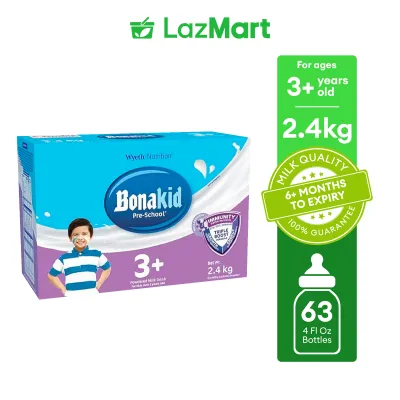
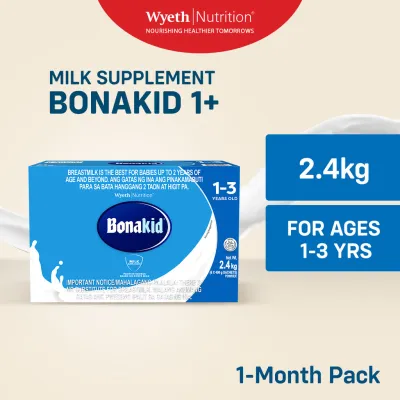
Prices are valid at publication and may change. Please refer to the product page for the latest price.
Before making any final decision, it is vital to verify if your child has specific food allergies, lactose intolerance, or underlying medical conditions. In any of these scenarios, you must consult a pediatrician before introducing any standard growing-up milk. Additionally, because manufacturers periodically update their formulations, always check the physical product label to verify specific nutrient claims and ingredients before purchasing.
Understanding Your Toddler's Nutritional Needs
As children transition from infancy to the toddler and preschool years, their dietary patterns undergo a significant shift. During this phase, breastmilk or infant formula is no longer the primary source of nutrition, as solid foods begin to take center stage. Growing-up milk is formulated specifically to act as a nutritional supplement to fill potential gaps in a child’s daily intake, rather than serving as a complete meal replacement.
During these rapid developmental years, certain key nutrients are critical for supporting a child’s growing body. Calcium and phosphorus are essential for building strong bone density, while iron plays a fundamental role in cognitive development and oxygen transport in the blood. Essential vitamins, such as vitamins A, C, and D, along with zinc, are also necessary to support a developing immune system that is constantly exposed to new environmental challenges.
It is important to emphasize that a balanced, varied diet consisting of whole foods—such as fruits, vegetables, lean meats, and whole grains—remains the primary foundation of your child’s nutrition. Growing-up milk should be utilized strategically to address specific dietary shortfalls, which are common among picky eaters or children who go through phases of refusing certain food groups. If your child is eating a highly diverse and complete diet of solid foods, their supplemental milk requirements may differ from a child who is highly selective with their meals.
Rather than attempting to calculate exact daily milligram requirements on your own, you should refer to local pediatric dietary guidelines, such as those provided by the Food and Nutrition Research Institute in the Philippines. For personalized targets tailored to your child’s specific growth curve, weight, and health history, always consult your child’s pediatrician. They can provide precise guidance on whether your child requires a highly fortified milk or if a standard formulation is sufficient.
Comparing the Contenders: Bonakid 3 Plus 2 4kg, Nido, and Enfagrow
To make an informed choice, it is helpful to look past the colorful packaging and understand how each of these three prominent brands positions itself in the market. Each brand targets slightly different aspects of childhood development, which can help you align their formulations with your child’s unique physical and cognitive needs.

Bonakid 3 Plus 2: Focus on Physical Growth
Bonakid 3 Plus 2 is widely recognized in the market for its focus on supporting a child’s physical growth, active play, and bone health. The brand’s marketing and formulation are traditionally geared toward supplying the essential building blocks needed for active, growing toddlers who are constantly on the move. Parents often turn to this option when they want to ensure their child has the physical foundation to support daily physical activities and motor skill development.
When evaluating this option, you should guide your decision by carefully checking the product label for specific bone-supporting nutrients, including calcium, vitamin D, and phosphorus. These elements work synergistically to promote skeletal strength and muscle function. It is also beneficial to look for any unique ingredient blends or macronutrient ratios listed by the manufacturer that are designed to support energy metabolism during active play.
Another practical aspect of Bonakid 3 Plus 2 is its availability in highly economical, bulk packaging formats, such as the bonakid 3 plus 2 4kg pack. These larger sizes are highly appealing to budget-conscious families looking to minimize their shopping frequency and lower their overall cost per gram. However, purchasing in such large quantities requires careful handling and storage to maintain product freshness, which is a critical consideration in warm environments.
Nido: Focus on Overall Nourishment
Nido has established itself as a household staple, positioned primarily around overall daily nourishment, general health, and family-friendly versatility. Instead of focusing heavily on a single developmental niche, Nido aims to provide a well-rounded nutrient profile that supports a child’s general well-being, digestive health, and daily immune defenses. This makes it a popular choice for parents who want a reliable, all-in-one nutritional safety net for their growing children.
To verify if Nido aligns with your child’s needs, you should examine the nutrition facts panel for its spectrum of added vitamins and minerals. Look specifically for immune-supporting nutrients such as zinc, selenium, and vitamins A, C, and E, which help protect cells from oxidative stress and support the body’s natural defenses. The presence of specific prebiotic fibers or cultures on the ingredient list is also worth checking, as these support a healthy gut microbiome and comfortable digestion.
It is important to note that Nido is offered in several different variants, such as Nido 3+ and Nido 5+, which are tailored to distinct age brackets, as well as general fortified milk powders. Because these formulations vary in their nutrient concentrations and sugar levels, you must ensure you are comparing the correct growing-up formulation designed specifically for your child’s current developmental stage. Never assume that all packages under the same brand name share identical nutritional profiles.
Enfagrow: Focus on Cognitive Development
Enfagrow is strongly positioned in the premium segment of the market, with a heavy emphasis on supporting cognitive development, brain function, and eye health. The brand targets parents who prioritize neural development, learning readiness, and cognitive milestones during the crucial early years of rapid brain growth. Its marketing frequently highlights scientific research and advanced formulation technologies aimed at nurturing a child’s mental sharpness.
When reviewing Enfagrow, you should look closely at the nutrition panel for cognitive-focused nutrients such as docosahexaenoic acid (DHA), arachidonic acid (ARA), choline, and iron. DHA is an omega-3 fatty acid that serves as a primary structural component of the brain and retina. Understanding the presence and concentration of these specific lipid compounds can help you determine if the formula provides the cognitive support you are looking for.
However, parents should approach these claims with a practical and analytical mindset. While DHA is undoubtedly important for neural pathways, the actual amounts, bioavailability, and overall impact can vary significantly depending on the specific product variant, the child’s overall diet, and how the milk is prepared. Rather than relying solely on front-of-pack marketing slogans, you should compare the exact milligram amounts of DHA per serving listed on the nutrition facts label across different brands to make an objective comparison.
Key Comparison Dimensions to Check on the Label
To move beyond brand marketing and make a truly objective decision, you must learn how to read and compare the nutrition facts labels and ingredient lists of these specific growing-up milks. This analytical approach ensures you select a milk that matches your child’s physiological needs rather than relying on general brand perceptions.
Macronutrients and Caloric Density
The first step in comparing these milks is evaluating their macronutrient profiles, which include total calories, proteins, carbohydrates, and fats per standard serving. The caloric density of a growing-up milk determines how much energy it delivers to your child. Some formulations are designed to be highly calorie-dense, which can be highly beneficial for children who are extremely active, have a small appetite, or are struggling to meet their weight milestones.
Conversely, other growing-up milks feature a lighter caloric profile with moderate fat content. These lighter formulations are often better suited for children who already consume a robust, calorie-rich diet of solid foods and do not require excessive liquid calories, which could otherwise lead to unhealthy weight gain or a reduced appetite for regular meals. Carefully matching the milk’s energy density to your child’s daily physical activity level and growth chart is essential for maintaining a healthy nutritional balance.
Key Micronutrients: Iron, Calcium, and Vitamins
Beyond macronutrients, you should systematically compare the micronutrient levels, specifically looking at the percentage of Daily Value (% DV) or Recommended Energy and Nutrient Intakes (RENI) for iron, calcium, and essential vitamins. Iron is particularly critical for toddlers to prevent iron-deficiency anemia and support brain development, but its absorption is highly dependent on the presence of other nutrients, such as vitamin C. Checking if the formula includes a balanced ratio of iron and vitamin C can give you an indication of its nutritional efficacy.
When comparing calcium levels, ensure that the formula also contains adequate levels of vitamin D, which is necessary for the body to absorb calcium efficiently. However, it is crucial to remember that more is not always better when it comes to micronutrients. Excessive intake of certain fat-soluble vitamins, such as vitamin A and vitamin D, can accumulate in the body and lead to toxicity, so you should avoid choosing a milk simply because it has the highest numbers on the label without consulting your child’s pediatrician first.
Sugar Content and Flavorings
A major concern for many modern parents is the presence of added sugars and artificial flavorings in growing-up milks. To assess this, you must look beyond the front label and read the “Added Sugars” line on the nutrition facts panel, as well as the ingredient list. Look out for ingredients such as sucrose, corn syrup solids, maltodextrin, and various syrups, which are often added to enhance taste but can contribute to dental cavities and rapid spikes in blood glucose.
Establishing a preference for overly sweet beverages early in life can make it difficult to transition your child to plain water and healthy solid foods later on. When possible, it is highly recommended to opt for plain, unflavored, or lower-sugar variants of growing-up milk. This helps protect your child’s long-term dental health and encourages the development of a palate that appreciates natural, unsweetened flavors.
Budget and Value: Evaluating Cost per Serving
While nutritional content is the primary driver of your choice, the financial sustainability of purchasing growing-up milk over several months or years is a highly practical consideration for most families. To compare the true cost of these brands accurately, you should avoid looking only at the retail price of the package and instead calculate the cost per serving.
To calculate the true cost per serving, use this simple formula: divide the retail price of the tin or pouch by the total number of servings the package yields, which is determined by dividing the net weight of the pack by the manufacturer’s recommended grams per serving. This calculation reveals the actual daily cost of feeding, as some brands may require larger scoop sizes or more scoops per cup, which exhausts the package much faster than it appears from the net weight alone.
Evaluating the economics of bulk buying is another effective way to manage your household budget. Larger packaging formats, such as the bonakid 3 plus 2 4kg pack, typically offer a significantly lower cost per gram compared to smaller tins or boxes. For families with toddlers who consume milk consistently, investing in these bulk formats can yield substantial long-term savings, making premium or mid-range brands much more accessible over time.
However, bulk buying in a humid, tropical climate like the Philippines introduces specific storage risks that you must manage carefully. High humidity can cause powdered milk to absorb moisture rapidly once the package is opened, leading to clumping, nutrient degradation, spoilage, or attracting pests such as ants. To prevent this, you must store the powder in clean, airtight containers, keep it in a cool, dry pantry away from direct sunlight, and ensure it is consumed well before the manufacturer’s recommended expiration date.
When shopping for growing-up milks, always prioritize purchasing from authorized online brand stores, official websites, or reputable local supermarkets. This guarantees the authenticity of the product, protects your child from counterfeit or improperly stored milk, and gives you access to genuine promotional discounts, bundle deals, and updated product information directly from the manufacturer.
How to Transition and Monitor Your Child's Response
Once you have selected a growing-up milk that aligns with your child’s nutritional needs and your budget, the transition process must be handled with care to protect your child’s delicate digestive system. Suddenly switching from one milk brand to another can cause gastrointestinal distress, leading to fussiness and a refusal to drink.
To ensure a smooth adjustment, implement a gradual transition plan over the course of approximately one week. You can achieve this by mixing the old milk and the new milk together in a single bottle or cup, gradually shifting the ratio. For example, start with a mix of 75% old milk and 25% new milk for the first two days, move to a 50/50 ratio for the next two days, progress to 25% old milk and 75% new milk, and finally transition to 100% of the new growing-up milk. Alternatively, you can replace just one daily feeding with the new milk every few days until the transition is complete.
During and after this transition period, you must closely monitor your child’s physical response and behavioral cues. Signs of good tolerance include regular, soft bowel movements, steady energy levels, consistent growth patterns, and an overall willingness to consume the milk without resistance. These positive indicators suggest that your child’s digestive system is processing the new formulation comfortably.
Conversely, you must remain vigilant for any physical red flags that indicate poor tolerance or an adverse reaction. These red flags include persistent diarrhea, severe constipation, unexplained skin rashes or hives, frequent vomiting, excessive gas, or extreme fussiness immediately after feeding. If you observe any of these symptoms, you must stop using the new milk immediately. Consult a qualified pediatrician or healthcare professional before attempting to try another brand or making any further dietary modifications, as these signs could point to an underlying allergy or sensitivity.
Community discussion
Share your experience or ask a question. Comments are reviewed before publication.