
Quick Answer: Key Body Oil Ingredients to Avoid
Selecting a safe oil for pregnant women requires a careful look at the ingredient list. During pregnancy, your skin undergoes significant changes, and what you apply to your body can be absorbed into your system. To protect your developing baby, you should avoid body oils containing retinoids, certain high-risk essential oils, and high concentrations of salicylic acid.
While many skincare products claim to be natural or organic, these marketing terms do not guarantee safety. It is essential to read the full ingredient list on the back of the packaging rather than relying on front-label promises. Always consult your obstetrician or dermatologist before introducing any new maternity skincare product into your daily routine.
Why Ingredient Safety Matters During Pregnancy
During pregnancy, your body experiences a surge in hormones that can dramatically alter your skin’s behavior. Many expecting mothers notice increased sensitivity, dryness, or sudden breakouts. The skin barrier can become more permeable, which may increase the absorption rate of topically applied products into your bloodstream.
Products mentioned in this guide

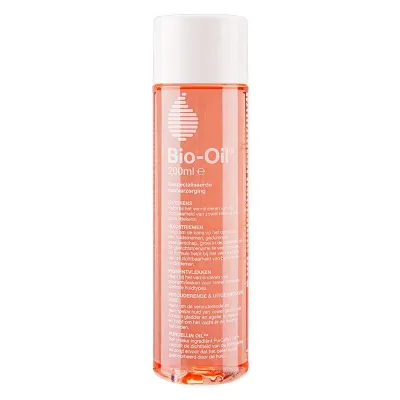


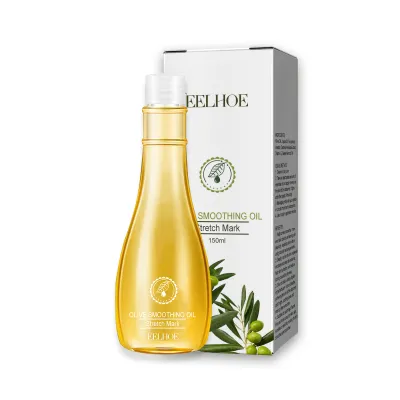
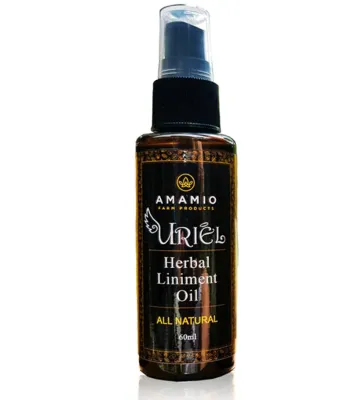
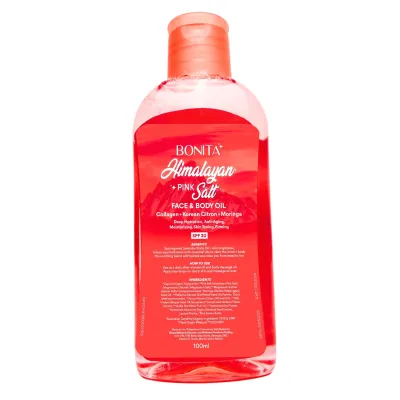
Prices are valid at publication and may change. Please refer to the product page for the latest price.

In a tropical climate like the Philippines, high humidity and heat can further sensitize the skin barrier. Sweat and heat rashes are common, making the skin more vulnerable to irritation from harsh chemicals. This environmental factor makes choosing gentle, low-risk ingredients even more critical.
While some cosmetic ingredients are perfectly safe for general use, they may pose potential risks during fetal development. Because a developing baby is highly sensitive to systemic exposures, ingredients that penetrate the skin barrier and enter the bloodstream must be carefully screened. Understanding the difference between localized topical effects and systemic absorption helps you establish realistic safety boundaries for your daily care.
Specific Body Oil Ingredients to Avoid
Not all body oils are formulated equally, and some contain active ingredients that are best paused until after pregnancy. Ingredient safety often depends on the concentration, the formulation, and how widely the product is applied across your body. Because body oils are typically spread over large surface areas like the abdomen, thighs, and breasts, the potential for systemic absorption is higher than that of a spot treatment.
To help you navigate the retail shelves or online marketplaces, it is helpful to group potentially concerning ingredients into distinct categories. Always cross-reference these groups with the specific guidelines provided by your healthcare provider during your prenatal visits.
Retinoids and Vitamin A Derivatives
Retinoids are highly regarded in general skincare for their anti-aging and skin-renewing properties, but they are widely contraindicated during pregnancy. On ingredient labels, these derivatives may appear under names such as retinol, retinyl palmitate, retinaldehyde, or retinoic acid. They are sometimes included in premium body oils designed to target stretch marks or improve skin texture.
There is a strong medical consensus that high-dose Vitamin A and its synthetic derivatives can pose significant risks to fetal development. While topical absorption from a standard cosmetic product is generally low, the potential risk makes avoidance the safest path. If you discover that your current body oil contains any form of retinoid, you should stop using it immediately and consult your doctor for a safer alternative.
High-Risk Essential Oils and Synthetic Fragrances
The distinction between safe carrier oils and highly concentrated essential oils is crucial when selecting a maternity product. Safe carrier oils, such as sunflower seed oil or jojoba oil, serve as excellent bases for hydration. In contrast, certain concentrated essential oils, such as rosemary, clary sage, jasmine, and sage, are traditionally avoided during pregnancy due to concerns over potential uterine stimulation or hormonal effects.
Synthetic fragrances and undisclosed aromatic compounds present another layer of risk. Many conventional body oils rely on complex synthetic perfumes to create a pleasant scent, but these mixtures often contain phthalates. Phthalates are chemical plasticizers used to make fragrances last longer, and they are frequently flagged for potential endocrine-disrupting properties. Opting for fragrance-free formulations or products specifically tested and labeled for maternity use is a much safer approach.
Salicylic Acid and Harsh Chemical Exfoliants
Salicylic acid, a popular beta-hydroxy acid (BHA), is commonly used to treat acne and exfoliate the skin. While low concentrations found in facial cleansers are generally considered low-risk, applying high concentrations of salicylic acid over large areas of the body is not recommended during pregnancy. Large-surface application increases the amount of the ingredient that can be absorbed systemically.
Harsh chemical exfoliants can also strip the skin of its natural oils, leading to severe dryness and irritation, especially in humid tropical weather. If you are dealing with body acne or rough skin texture, it is best to avoid strong chemical peels or high-dose BHA body oils. Instead, look for gentler alternatives like mild physical exfoliation with a soft cotton washcloth or safe, hydrating ingredients that support the skin’s natural shedding process.
How to Evaluate Product Labels and Marketing Claims
Navigating the skincare aisle requires looking past eye-catching marketing claims and focusing directly on the ingredient list. The International Nomenclature of Cosmetic Ingredients (INCI) list on the back of the bottle is your most reliable source of truth. Ingredients are listed in descending order of concentration, meaning the first few items make up the majority of the product.
Do not rely solely on front-label buzzwords such as “natural,” “organic,” “hypoallergenic,” or “specially formulated for stretch marks.” These terms are often used for marketing purposes and are not strictly regulated or standardized to guarantee pregnancy safety. A product labeled “natural” can still contain high concentrations of essential oils that are contraindicated for expecting mothers.
To verify the safety of a body oil, use a simple checklist before making a purchase:
- Scan the top half of the ingredient list for any retinoids, high-risk essential oils, or synthetic fragrances.
- Check for fragrance-free labels rather than "unscented," which may contain masking fragrances.
- Verify manufacturer documentation for clear safety testing or dermatologist-tested claims on their official website.
- Consult your OB-GYN with a photo of the ingredient list before your first use.
Building a Safe Maternity Skincare Routine
Transitioning to a safe maternity skincare routine does not mean you have to sacrifice hydration or comfort. Single-ingredient carrier oils are excellent, low-risk alternatives that provide deep moisture without unnecessary additives. Cold-pressed virgin coconut oil, sweet almond oil, and jojoba oil are highly reliable options that mimic the skin’s natural sebum and are widely available in local stores, often ranging from ₱150 to ₱500 depending on the size.
To maximize the benefits of your chosen oil, apply it immediately after bathing while your skin is still damp. This technique helps lock in moisture, supports skin elasticity, and keeps your skin soft as your body changes. Gently massage the oil in circular motions over your abdomen, breasts, hips, and thighs to soothe itching associated with stretching skin.
Always prioritize your skin’s health by monitoring how it reacts to any new product. If you experience any redness, persistent itching, burning, or unusual rashes, discontinue use immediately. Cleanse the area with mild soap and water, and consult a qualified healthcare professional to address the reaction and find a suitable alternative.
Frequently Asked Questions (FAQ)
Can I use my regular body oil if it doesn't contain retinoids?
The absence of retinoids is a great starting point, but it does not automatically guarantee that a body oil is safe for pregnancy. Many standard body oils contain synthetic fragrances, phthalates, or specific essential oils like rosemary or clary sage that are not recommended for expecting mothers. You must review the entire ingredient list to ensure no other high-risk compounds are present. When in doubt, bring the bottle to your next prenatal checkup so your healthcare provider can review the formulation with you.
Are plant-based and organic body oils always safe during pregnancy?
No, plant-based and organic labels do not inherently mean a product is safe for pregnancy. Many highly potent botanical extracts and essential oils are entirely natural but can still pose risks or cause severe skin sensitization. For example, organic clary sage oil is natural, yet it is widely avoided during pregnancy due to its potential to stimulate contractions. Always evaluate the specific botanical ingredients listed on the label rather than relying on broad organic marketing claims, and prioritize products formulated specifically for maternity care.
When should I start using body oil to prevent stretch marks?
You can begin applying a safe body oil as early as the first trimester to help keep your skin hydrated and comfortable as it begins to change. While regular moisturizing improves skin elasticity and relieves the itching associated with stretching, it is important to know that genetics and the rate of weight gain play the most significant roles in stretch mark formation. No product can guarantee absolute prevention. Focus on choosing a safe, nourishing oil that supports your skin’s hydration rather than chasing miracle claims.
Community discussion
Share your experience or ask a question. Comments are reviewed before publication.