
Quick Answer: Navigating Big Size Wipes for Sensitive Skin
When searching for the best big size baby wipes for sensitive skin in the Philippines, there is no single brand that serves as a universal solution. Because every baby’s skin barrier reacts differently to external stimuli, the most suitable choice depends entirely on your child’s specific skin triggers, the climate, and the transparency of the product’s formulation.
Parents should prioritize wipes that are explicitly labeled as fragrance-free, alcohol-free, and made with minimal ingredients to reduce the risk of contact dermatitis. Additionally, always look for clear claims of dermatologist or pediatrician testing on the packaging, and verify these claims by checking the manufacturer’s official documentation or product guides before introducing them to your daily routine.
Key Specifications to Check in Big Size Baby Wipes
Choosing the right wipe requires looking beyond the marketing claims on the front of the packaging. Understanding the physical and chemical specifications of the product allows you to make an informed decision that protects your baby’s delicate skin.
Products mentioned in this guide
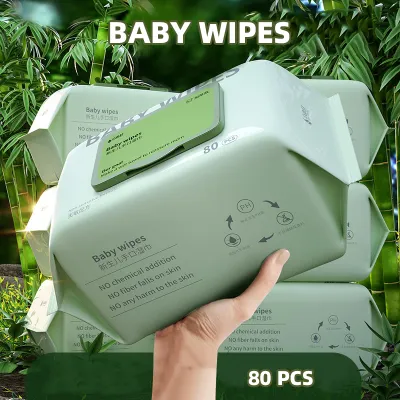
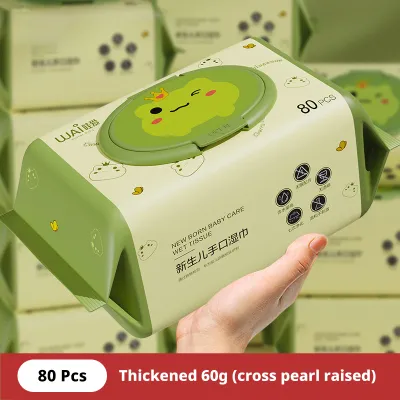
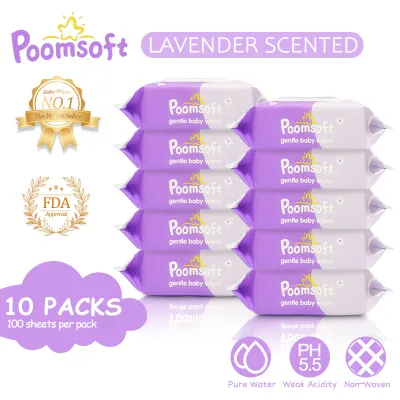

Prices are valid at publication and may change. Please refer to the product page for the latest price.

Material Thickness and Texture The physical structure of a baby wipe plays a significant role in skin health. Larger and thicker wipes, often created from high-quality spunlace non-woven fabric, offer a practical advantage during diaper changes. A single thick sheet can cover a wider surface area and absorb more residue, which means you need fewer wipes per change. This physical efficiency directly translates to less friction on your baby’s skin. Repetitive rubbing with thin, rough wipes can micro-damage the skin barrier, leading to irritation and increasing the likelihood of diaper rash. Look for wipes with embossed patterns, as these raised textures help lift soft stools gently without requiring excessive pressure.
The Ingredient List and Preservative Systems For sensitive skin, a water-based formula is highly recommended. Many premium wipes contain over 99% purified water, leaving only a tiny fraction of the formulation for skin conditioners and preservatives. While “preservative-free” sounds appealing, wet wipes require a safe preservative system to prevent the growth of harmful bacteria, mold, and fungi in a moist environment. Caregivers should look for mild, food-grade preservatives and actively avoid harsh chemicals. Scan the ingredient list to ensure the product is free from parabens, phenoxyethanol, phthalates, and synthetic fragrances. Even products labeled “unscented” may contain masking fragrances to hide chemical odors; therefore, “fragrance-free” is the preferred designation for highly reactive skin.
Maintaining the Natural pH Balance A healthy baby’s skin surface has a slightly acidic pH, typically ranging between 4.5 and 5.5. This acidic environment, known as the acid mantle, acts as a natural defense mechanism against pathogens and environmental irritants. Standard soaps and low-quality wipes can be highly alkaline, disrupting this natural balance and stripping away essential lipids. When evaluating big size wipes, look for those formulated to match the natural pH of a baby’s skin. A pH-balanced wipe helps preserve the integrity of the skin barrier, keeping the skin hydrated and resilient against the irritating enzymes found in urine and stool.
Evaluating Brands Available in the Philippines
Navigating the baby care aisles in local supermarkets, pharmacies, or online marketplaces in the Philippines requires a systematic approach to ensure you get both safety and value.
How to Read and Verify the Product Label Do not rely solely on eye-catching slogans on the front of the pack. Turn the package over to inspect the back label carefully. A reputable brand will list every ingredient in descending order of concentration. Check for clear manufacturing and expiration dates. In the tropical climate of the Philippines, products stored in warm warehouses or exposed to direct sunlight can degrade faster. Ensure the packaging displays the manufacturer’s contact details and batch numbers, which are essential for tracking product quality or verifying safety standards if you ever need to contact customer support.
Calculating the True Value of Big Size Wipes While large-format wipes often carry a higher initial price tag, they can be more cost-effective over time. To perform an accurate value assessment, do not just compare the total price of the pack. Instead, calculate the price per wipe by dividing the total cost (₱) by the number of sheets inside. Because a single thick, big-sized wipe can often do the work of two or three standard, thin wipes, you will likely use fewer sheets overall. This means a single pack of premium, larger wipes can last longer than multiple packs of cheaper, thinner alternatives, saving you money while reducing waste.
Packaging and Climate Considerations The high humidity and warm temperatures in the Philippines significantly impact how baby wipes perform and store. If a pack is not sealed properly, the wipes can dry out rapidly, rendering them useless and abrasive. When choosing a brand, prioritize packaging that features a rigid, resealable plastic hard lid rather than a simple adhesive sticker. A hard lid provides a secure, airtight seal that locks in moisture and prevents airborne dust or contaminants from entering the pack. This is especially important for families on the go, as diaper bags left in warm cars or strollers can quickly dry out poorly sealed wipes.
Decision Framework: Matching Wipes to Your Baby's Skin Profile
Because no two babies have the exact same skin type, parents need a structured framework to match a wipe’s formulation to their child’s specific skin profile.
For Highly Reactive or Eczema-Prone Skin If your baby has a history of eczema, dry patches, or immediate redness after diaper changes, simplicity is key. Choose ultra-pure, water-based wipes that contain the absolute minimum number of ingredients—ideally three or fewer. Avoid products that contain botanical extracts, essential oils, or added vitamins like vitamin E. While these ingredients are often marketed as natural or soothing, they contain complex organic compounds that can act as allergens or sensitizers on a compromised skin barrier.
For Normal Skin Prone to Friction Chafing If your baby’s skin is generally healthy but occasionally becomes red from physical friction or tight diaper elastic, you can look for wipes that include mild, skin-conditioning agents. Ingredients such as glycerin, aloe vera, or chamomile can help soothe the skin and glide smoothly during cleanups. However, only introduce these formulations after verifying that your baby does not have any plant-specific allergies. If you notice any localized bumps or redness after use, revert immediately to a simpler water-only wipe.
When to Consult a Healthcare Professional It is vital to recognize the limits of commercial baby wipes. If your baby is currently experiencing an active diaper rash flare-up, has open sores, bleeding, or a diagnosed skin condition, stop using all commercial wipes immediately. In these situations, even the gentlest wipes can cause discomfort or delay healing. Consult your pediatrician or a pediatric dermatologist for a professional diagnosis and a safe care plan. They may recommend temporarily cleaning the area with sterile water and soft cotton pads until the skin barrier has fully recovered.
Safe Usage and Skin Monitoring Tips
Using the right product is only half the battle; how you apply and manage the wipes is equally important for maintaining healthy skin.
Performing a Reliable Patch Test Whenever you introduce a new brand of big size wipes, always perform a patch test before using them on sensitive areas. Gently swipe a single wipe on a small, clean patch of skin on your baby’s inner arm or thigh. Monitor the area closely for 24 to 48 hours. If you observe any redness, swelling, tiny bumps, or signs of discomfort, do not use the product on the diaper area. If the skin remains clear, you can proceed with regular use.
Adopting a Gentle Wiping Technique The mechanical action of wiping can easily irritate sensitive skin. Avoid dragging or rubbing the wipe forcefully across the skin. Instead, use a gentle patting, rolling, or pressing motion to lift away messes. This minimizes friction and preserves the delicate outer layer of the skin. After cleaning, always allow the skin to air-dry completely before putting on a fresh diaper. Trapping moisture from a wet wipe inside a tight diaper creates a warm, humid environment that encourages diaper rash and fungal infections.
Recognizing Irritation and Taking Action Keep a close eye on your baby’s skin after every diaper change. Signs of wipe-induced irritation include localized redness, dry or peeling skin, and a fine red rash that matches the exact pattern of where the wipe was used. If you suspect a reaction, discontinue use immediately. Switch to using lukewarm plain water and soft, reusable cotton cloths or cotton pads. Once the skin heals, you can carefully evaluate a different, simpler formulation using the patch test method.
Frequently Asked Questions (FAQ)
Can I use big size baby wipes on a newborn's face and hands?
Always check the manufacturer’s packaging for specific age recommendations and facial safety warnings before using body wipes on your baby’s face. A newborn’s facial skin is significantly thinner and more sensitive than the skin on their bottom or limbs. If your baby has highly reactive skin, or if the wipe is not explicitly labeled as safe for facial use, avoid using it on the face and hands. Instead, use a soft washcloth dampened with plain, lukewarm water to clean away milk residue or drool safely.
How do I know if a specific wipe brand is causing a skin reaction?
A skin reaction caused by a baby wipe typically manifests as contact dermatitis. Look for localized redness, dry patches, or a fine red rash that appears exactly where the wipe made contact with the skin, such as the diaper area, hands, or around the mouth. If these symptoms appear shortly after you start using a new brand and begin to fade once you stop using it, the wipe is likely the cause. If the rash persists, develops blisters, or causes your baby significant discomfort, stop all use and consult a healthcare professional immediately.
Community discussion
Share your experience or ask a question. Comments are reviewed before publication.