
Deciding whether to include BeWell Vitamin C with Zinc in your hospital bag requires careful verification, as the safety of any commercial supplement during pregnancy and breastfeeding depends on its exact formulation, dosage, and your individual medical history. While Vitamin C and Zinc are essential nutrients for postpartum recovery and immune support, you must review the specific product label and consult your obstetrician or pediatrician before adding it to your daily routine.
During the final weeks of pregnancy, preparing your hospital bag becomes a top priority. It is natural to want to pack items that will support your strength, healing, and immune system after giving birth. However, the postpartum period introduces unique physiological changes, especially if you plan to breastfeed, making it crucial to evaluate every single pill, capsule, or tablet you intend to consume.
Supplements that are perfectly safe for general use may not be suitable in the high-dose formats often marketed to the public. By understanding how to read supplement labels, recognizing the signs of nutrient excess, and coordinating closely with your medical team, you can make an informed decision that protects both your health and your baby’s well-being.
Products mentioned in this guide
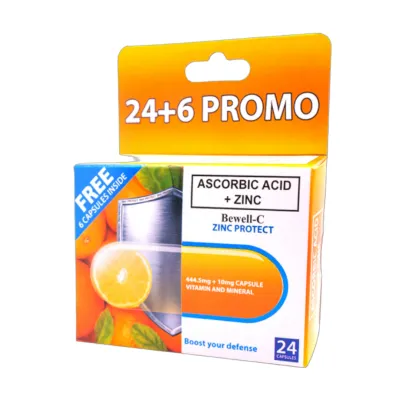
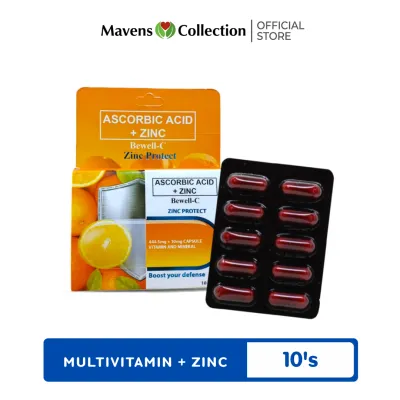
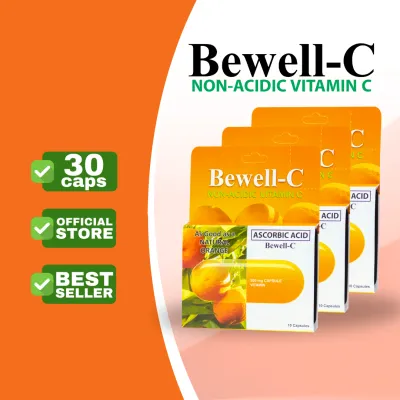
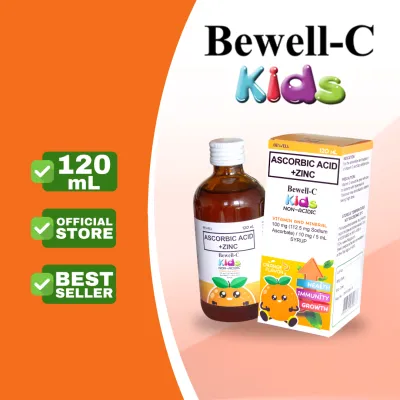

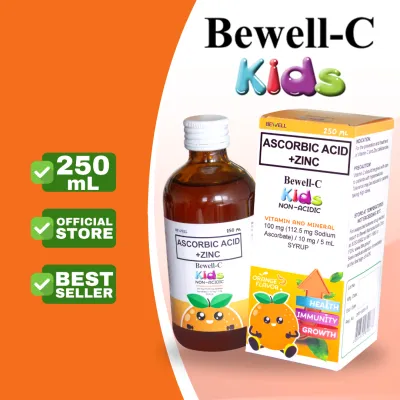
Prices are valid at publication and may change. Please refer to the product page for the latest price.
Understanding Vitamin C and Zinc Needs During Pregnancy and Postpartum
Your body undergoes immense physical stress during labor and delivery, regardless of whether you have a vaginal birth or a Cesarean section. Recovering from this experience requires a steady supply of essential micronutrients to rebuild tissues, support cellular repair, and maintain a robust immune defense.
Vitamin C, also known as ascorbic acid, plays a fundamental role in collagen synthesis, which is vital for healing perineal tears, episiotomies, or surgical incisions. Additionally, Vitamin C significantly enhances the absorption of non-heme iron from plant-based foods, helping you replenish iron stores that may have been depleted due to blood loss during childbirth.
Zinc is an essential trace mineral that works hand-in-hand with Vitamin C to facilitate cell growth, protein synthesis, and immune function. It helps maintain the integrity of your skin and mucosal membranes, serving as a primary building block for tissue regeneration during the early weeks of postpartum recovery.
While these nutrients are indispensable, the way you obtain them matters. A balanced diet rich in local fruits and vegetables—such as calamansi, guavas, papayas, and leafy greens—provides these vitamins and minerals in highly bioavailable forms that are naturally balanced and highly unlikely to cause toxicity.
Commercial supplements offer a highly concentrated dose of these nutrients, which can be beneficial if you have a documented deficiency or struggle to maintain a balanced diet during the hectic early days of motherhood. However, because these formulations are highly concentrated, they must be managed with care to avoid accidental over-supplementation.
Your individual nutritional requirements will vary based on several personal factors, including your delivery type, the amount of blood lost during birth, your pre-existing nutrient levels, and whether you are breastfeeding. A personalized approach, rather than a one-size-fits-all supplement routine, is always the safest path forward.
How to Evaluate the Safety of BeWell Vitamin C with Zinc
To determine if BeWell Vitamin C with Zinc is appropriate for your hospital bag, you must start by carefully examining the product’s supplement facts label. Do not rely solely on the front packaging or general marketing claims; instead, look closely at the exact milligram dosage of each active ingredient per serving.

Compare the listed amounts of Vitamin C and Zinc against the established Recommended Dietary Allowances and Tolerable Upper Intake Levels for pregnant and lactating women. For instance, the recommended daily intake of Vitamin C during lactation is generally higher than for non-pregnant adults, but exceeding the upper limit can lead to unwanted side effects for both you and your nursing infant.
Next, scan the entire ingredient list for any inactive ingredients, excipients, binders, or fillers. Some supplements contain added sugars, artificial sweeteners, preservatives, or artificial colorings that you may prefer to avoid during pregnancy and postpartum.
Pay close attention to the specific chemical forms of the nutrients used in the supplement. For example, Vitamin C may be present as ascorbic acid or as a buffered mineral ascorbate, such as sodium ascorbate. If you are monitoring your sodium intake due to postpartum blood pressure concerns, the sodium content in buffered Vitamin C is an important detail to verify.
Environmental factors also play a critical role in supplement safety and efficacy. In a warm, highly humid tropical climate like the Philippines, supplements are particularly susceptible to moisture damage and rapid degradation if they are not stored correctly.
Before packing the bottle in your hospital bag, inspect the container to ensure the safety seal is completely intact and has not been compromised. Check the expiration date clearly printed on the packaging, and look for any visible signs of spoilage, such as discoloration, spotting on the capsules, or a sticky texture inside the bottle.
Potential Risks and When to Stop Taking the Supplement
While Vitamin C and Zinc are water-soluble and trace minerals respectively, taking them in excessive amounts can lead to uncomfortable and potentially serious side effects. Your body is already navigating significant hormonal and physical transitions postpartum, and adding digestive strain can complicate your recovery.
Exceeding the tolerable upper intake level for Vitamin C commonly results in gastrointestinal distress. You may experience symptoms such as stomach cramps, bloating, severe diarrhea, and nausea, which can be particularly painful if you are recovering from abdominal surgery or perineal stitches.
Similarly, consuming too much Zinc can quickly trigger acute side effects, most notably persistent nausea, vomiting, loss of appetite, and abdominal cramps. Over time, excessive Zinc intake can also interfere with your body’s ability to absorb other crucial minerals, such as copper and iron, potentially worsening postpartum anemia.
If you are breastfeeding, it is important to remember that what you consume can influence your breast milk. While your body naturally regulates the levels of many vitamins in breast milk, extremely high maternal doses of certain minerals can sometimes cause unexpected changes or mild digestive discomfort in a sensitive newborn.
Monitor both your own physical responses and your baby’s behavior closely after starting any new supplement. If you notice your baby becoming unusually fussy, developing a sudden skin rash, or experiencing changes in stool consistency or frequency, temporarily discontinue the supplement.
You must stop taking the supplement immediately and seek prompt medical attention if you experience severe allergic reactions, such as hives, swelling of the face or throat, difficulty breathing, or severe dizziness. Never attempt to self-diagnose or push through severe physical discomfort when managing your postpartum health.
Consulting Your Healthcare Provider: What to Ask
The absolute safest way to clear any supplement for use during pregnancy or the postpartum period is to have a direct, open conversation with your healthcare provider. Your obstetrician, pediatrician, or a certified lactation consultant can provide personalized guidance tailored to your specific medical history.
When preparing for your prenatal or postpartum appointment, bring the actual bottle of BeWell Vitamin C with Zinc with you, or take a clear, high-resolution photograph of the entire back label. This allows your doctor to see the exact dosages, chemical forms, and inactive ingredients rather than relying on a general product name.
Your doctor will need to review this supplement in the context of your entire daily regimen. If you are already taking a comprehensive prenatal or postnatal multivitamin, it likely already contains a substantial portion of your daily recommended Vitamin C and Zinc.
Combining a high-dose standalone supplement with your daily multivitamin can easily push your total daily intake over the safe upper limits. Your healthcare provider can help you calculate your cumulative intake from all sources, including your diet, to ensure you remain within a safe, therapeutic range.
To guide your conversation, consider asking your doctor specific, practical questions. You might ask: “Does my current recovery plan or dietary intake warrant an additional Vitamin C and Zinc supplement?”, “Will the ingredients in this specific product interact with my prescribed postpartum pain medications or iron supplements?”, and “Are there any specific signs of sensitivity I should watch for in my baby while breastfeeding?”
Building a Safe Supplement Kit for Your Hospital Bag
As you finalize your hospital bag checklist, it is helpful to streamline your supplement kit to include only the absolute essentials that have been explicitly cleared by your medical team. Packing light and focusing on verified, high-quality products will help reduce stress during your hospital stay.
Prioritize your doctor-approved, standard prenatal or postnatal multivitamins over standalone, high-dose single-nutrient supplements. These comprehensive formulations are specifically designed to meet the unique nutritional demands of new mothers without the risk of accidental nutrient imbalances.
Always pack your supplements in their original, clearly labeled manufacturer containers. Avoid transferring pills into unmarked plastic bags, daily pill organizers, or travel containers, as the hospital nursing staff and attending physicians must be able to quickly and accurately identify any substance you are consuming.
Keep a written or digital list of every medication, vitamin, and supplement you are currently taking, along with their exact dosages and frequencies. Present this list to the admitting medical team upon your arrival at the hospital or birthing center so they can document it in your medical chart.
This proactive step ensures that your healthcare team can monitor for any potential drug-nutrient interactions with the medications administered during or after delivery. By keeping your supplement routine simple, organized, and fully transparent, you can focus your energy on a safe delivery and a smooth, healthy recovery with your newborn.
Frequently Asked Questions (FAQ)
Can I take Vitamin C and Zinc while breastfeeding?
Yes, both Vitamin C and Zinc are essential nutrients that naturally transfer into breast milk to support your growing baby’s immune system and development. However, because your baby relies on your milk for their nutrition, you must ensure your total daily intake from both food and supplements does not exceed recommended safe limits. Always verify the specific dosage of any standalone supplement with your pediatrician before taking it while lactating.
Does this supplement interact with other postpartum medications?
Yes, minerals like Zinc can actively bind with certain medications in your digestive tract, potentially reducing their absorption and overall effectiveness. For example, Zinc can interfere with the absorption of certain antibiotics and can compete with iron supplements if taken at the exact same time. To prevent these interactions, always disclose all supplements to your prescribing doctor so they can help you establish a safe, spaced-out dosing schedule.
What is the best time of day to take this supplement after delivery?
To minimize the risk of stomach upset or mild nausea, which is a common side effect of Zinc, it is generally best to take this supplement with a meal. Avoid taking Zinc-containing supplements at the same time as calcium-rich foods or calcium supplements, as calcium can significantly inhibit the absorption of Zinc. Always follow the specific storage and usage instructions provided on the manufacturer’s product label.

Community discussion
Share your experience or ask a question. Comments are reviewed before publication.