
Determining whether BeWell C Drops is safe for your baby requires careful consideration of your child’s age, developmental stage, and specific nutritional needs. While Vitamin C is a vital nutrient that supports immune function, tissue repair, and iron absorption, infants have highly sensitive digestive and metabolic systems. Introducing any over-the-counter dietary supplement to an infant carries risks that must be managed under the direct supervision of a qualified pediatrician.
For babies under one year old, breastmilk or infant formula typically provides all the necessary vitamins and minerals required for healthy growth. Introducing external supplements without a diagnosed deficiency or a doctor’s explicit recommendation can lead to unnecessary physiological strain. Parents must prioritize verifying the product’s formulation, checking age-specific guidelines, and understanding how to identify signs of intolerance before administering these drops to their little ones.
Evaluating the Safety of BeWell C Drops for Infants
Before introducing any dietary supplement to your baby, verifying its regulatory status is a critical first step. In the Philippines, safe consumer products carry a registration number from the local Food and Drug Administration (FDA). Parents should inspect the packaging of BeWell C Drops for a valid FDA registration code, which confirms that the product has been registered and meets basic quality standards. You can verify these details on the official FDA verification portal to ensure the product is authentic and not a counterfeit or unregistered item.
Products mentioned in this guide
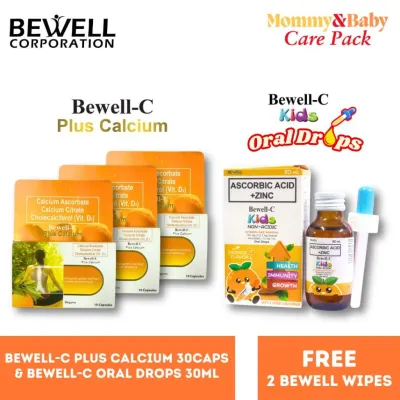
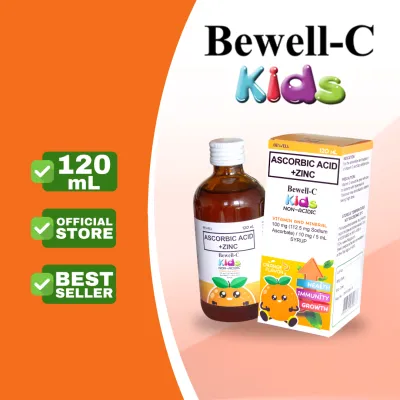
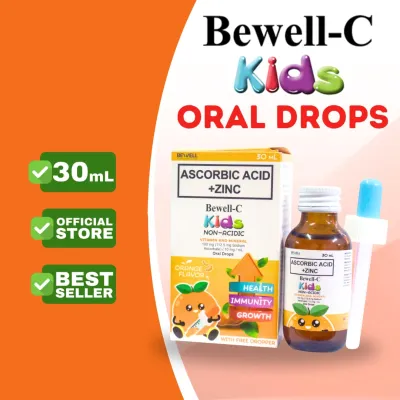
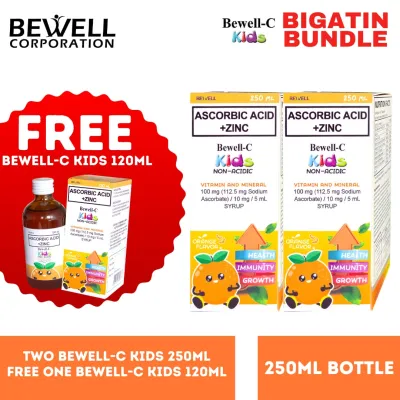
Prices are valid at publication and may change. Please refer to the product page for the latest price.
Another essential safety check involves examining the exact form of Vitamin C used in the formulation. Pediatric supplements commonly use either ascorbic acid or sodium ascorbate. Sodium ascorbate is a buffered, less acidic form of Vitamin C that is generally gentler on an infant’s delicate stomach lining. Ascorbic acid, while highly effective, is more acidic and may cause mild gastric discomfort in sensitive babies. Checking the active ingredient list helps you understand how your baby’s digestive system might react to the drops.
Beyond the active vitamin, parents must carefully review the inactive ingredients listed on the packaging. Many liquid supplements contain preservatives, artificial sweeteners, colorings, or flavorings to make the product shelf-stable and palatable. While these additives are generally recognized as safe for older children and adults, an infant’s immature liver and kidneys may struggle to process certain synthetic compounds. Look for formulations that minimize artificial additives, and consult your pediatrician if you notice ingredients like sodium benzoate or artificial dyes.
It is also vital to understand the regulatory distinction between over-the-counter (OTC) dietary supplements and prescribed infant medications. OTC supplements are designed to support general health and are not subjected to the same rigorous pre-market clinical trials as prescription drugs. Because supplements do not cure or prevent specific medical conditions, they should never be used as a substitute for prescribed medical treatments or a balanced infant diet. Always treat supplements with the same caution as medication, keeping your pediatrician informed of everything your baby consumes.
How to Verify Age Guidelines and Dosage Instructions
Manufacturer guidelines serve as the primary boundary for safe supplement administration. Parents must locate the explicitly stated minimum age requirement on the bottle, outer box, or package insert of BeWell C Drops. If the packaging does not clearly state that the product is formulated for infants or does not list a specific dosage for your baby’s age bracket, do not attempt to guess the correct amount. Many pediatric drops are designed specifically for toddlers or older children and are highly concentrated, making them unsafe for younger infants.

Under no circumstances should parents attempt to mathematically scale down an adult or older child’s dosage for a baby. An infant’s body weight, metabolic rate, and organ maturity do not scale linearly with age. A dose that seems tiny to an adult can easily constitute an overdose for a baby, potentially overwhelming their developing kidneys. Only a qualified healthcare professional can calculate a safe, individualized dosage based on your baby’s precise weight and nutritional requirements.
To prevent dangerous dosing errors, always use the specific dropper or measuring tool provided by the manufacturer inside the product packaging. Household kitchen spoons, standard oral syringes, or droppers from other medicine bottles are highly inaccurate and can lead to under-dosing or accidental poisoning. When measuring the liquid, ensure you are in a well-lit room, hold the dropper at eye level, and verify that the liquid aligns perfectly with the prescribed measurement mark before administering it to your baby.
Potential Side Effects and Signs of Intolerance
Even when administered at recommended doses, liquid Vitamin C supplements can sometimes cause mild gastrointestinal reactions in infants. Because Vitamin C is water-soluble, any excess that the body cannot absorb is directed to the large intestine, where it can draw in water. This osmotic effect can result in loose stools, diarrhea, increased flatulence, or mild abdominal cramping. If you notice a sudden change in your baby’s stool consistency or frequency after starting the drops, it may indicate that their digestive system is struggling to process the supplement.
Allergic reactions or sensitivities to the inactive ingredients in the drops are another potential risk. Parents should closely monitor their baby for physical signs of sensitivity, such as skin rashes, hives, redness around the mouth, or sudden, unexplained fussiness shortly after administration. While true allergic reactions to Vitamin C itself are extremely rare, sensitivities to flavorings, preservatives, or corn-derived ingredients used in liquid formulations are more common and warrant immediate attention.
On a physiological level, chronic excessive intake of Vitamin C can pose serious health risks to an infant. A baby’s kidneys are still developing and are highly sensitive to solute overloads. Forcing the kidneys to constantly filter out high levels of unneeded Vitamin C can cause renal strain over time. Furthermore, excessive levels of certain vitamins can interfere with the absorption of other essential nutrients in the gut, potentially leading to nutritional imbalances that disrupt your baby’s natural growth trajectory.
When to Stop Use and Consult a Pediatrician
Parents must establish clear, non-negotiable boundaries for when to halt the administration of BeWell C Drops. If your baby exhibits any signs of physical distress, unexplained skin rashes, vomiting, severe diarrhea, or unusual lethargy, stop giving the drops immediately. These symptoms could indicate an adverse reaction, an intolerance to an ingredient, or an accidental overdose. Seeking prompt medical evaluation ensures that any underlying issues are addressed before they escalate.
Certain pre-existing health conditions make supplement administration highly risky without prior medical clearance. If your baby has a history of kidney issues, metabolic disorders, or is currently taking other prescribed medications, you must consult your pediatrician before introducing Vitamin C drops. For instance, infants with Glucose-6-Phosphate Dehydrogenase (G6PD) deficiency—a common inherited condition in the Philippines—require strict medical supervision when exposed to oxidative substances, including high doses of Vitamin C, to prevent complications.
Ultimately, discussing your baby’s actual nutritional baseline with a pediatrician is the safest way to determine if supplementation is necessary. During routine well-baby checkups, your doctor can evaluate your baby’s growth, feeding habits, and overall health. If your baby is thriving on breastmilk, fortified formula, or a diverse diet of solid foods, they are likely already receiving optimal amounts of Vitamin C. A professional assessment prevents the unnecessary introduction of supplements, saving you money and protecting your baby from potential side effects.
Best Practices for Safe Administration and Storage
If your pediatrician has explicitly approved the use of BeWell C Drops for your baby, practicing safe handling and storage is essential to maintain the product’s integrity. Before every single use, check the expiration date printed on the bottle or box. Inspect the liquid carefully; Vitamin C is highly prone to oxidation when exposed to air, light, and heat. If you notice that the liquid has turned a dark yellow or brown color, has developed a strange odor, or contains unusual sediment, discard the bottle immediately and do not give it to your baby.
Proper storage is particularly critical in tropical climates like the Philippines, where high temperatures and humidity can rapidly degrade liquid vitamins. Store the bottle strictly according to the manufacturer’s instructions, which typically recommend a cool, dry place away from direct sunlight, or refrigeration after opening. Keep the bottle tightly sealed when not in use to prevent air exposure, and avoid touching the dropper tip to your baby’s mouth or any other surface to prevent bacterial contamination.
Finally, always keep the supplement securely out of the reach and sight of children. As babies grow, they become increasingly curious and mobile, and older siblings may mistake sweet-flavored pediatric drops for candy or juice. Accidental ingestion of large quantities of liquid vitamins can lead to acute toxicity. Storing the product in a locked cabinet or a high shelf ensures that it remains a safe health aid rather than a household hazard.
Frequently Asked Questions (FAQ)
Can I give BeWell C Drops to a newborn?
No, you should not give BeWell C Drops or any other dietary supplement to a newborn unless specifically prescribed by a pediatrician. Newborns have extremely delicate digestive systems and immature kidneys that are not equipped to process concentrated vitamin drops. During the first few months of life, healthy newborns receive all the hydration and nutrients they need from breastmilk or infant formula. Introducing unnecessary supplements can disrupt their nutritional balance and cause digestive distress.
Does Vitamin C help prevent colds in babies?
There is no conclusive scientific evidence proving that Vitamin C supplements prevent common colds or respiratory infections in babies. While Vitamin C supports general immune health, giving your baby extra drops will not shield them from viruses. The most effective ways to protect your infant from illness include practicing thorough hand hygiene, limiting exposure to sick individuals, keeping their living environment clean, and ensuring they receive their scheduled pediatric immunizations.
What should I do if I accidentally give my baby too much?
If you suspect that your baby has received an accidental overdose of Vitamin C drops, remain calm but act immediately. Contact your pediatrician, a local hospital emergency room, or a poison control center right away for professional guidance. Do not attempt to induce vomiting unless explicitly instructed to do so by a medical professional. Keep the product packaging close at hand so you can read the exact ingredients, concentration, and estimated amount ingested to the healthcare providers.
Community discussion
Share your experience or ask a question. Comments are reviewed before publication.