
Quick Answer: Finding the Right Water Wipes for Sensitive Skin
Finding the right water wipes for your baby’s sensitive skin in the Philippines requires balancing ingredient purity with practical daily usability. There is no single “best” brand that works universally for every infant, as sensitive skin triggers vary significantly from one child to another. While one baby might react to specific botanical extracts, another might experience irritation from mild preservatives.
The non-negotiable baseline for sensitive skin is a high purified water content—typically 99% or higher—and the complete absence of drying alcohols, synthetic fragrances, and harsh preservatives like methylisothiazolinone (MIT) or parabens. For babies experiencing severe eczema, persistent diaper rash, or unexplained skin reactions, caregivers should consult a pediatrician or pediatric dermatologist before switching products, rather than relying solely on over-the-counter wipe adjustments.
Core Comparison Dimensions for Delicate Skin
To make an informed choice, caregivers must look beyond marketing claims like “hypoallergenic” or “organic” and evaluate the structural components of the wipes. This involves analyzing the chemical formulation, the physical fabric properties, and learning how to interpret real-world feedback from other parents.
Products mentioned in this guide
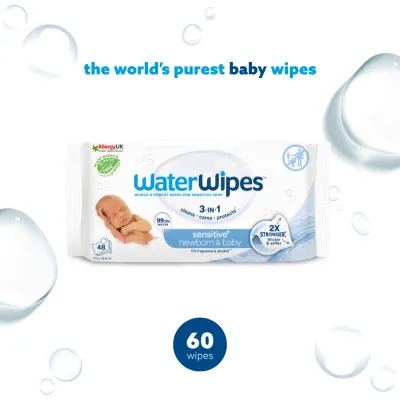
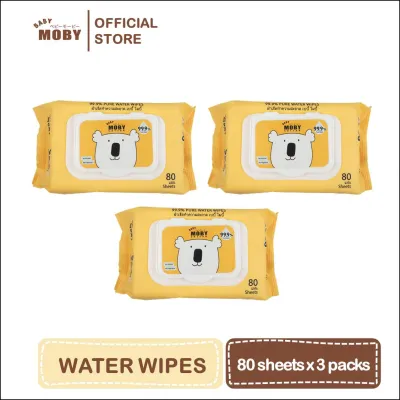
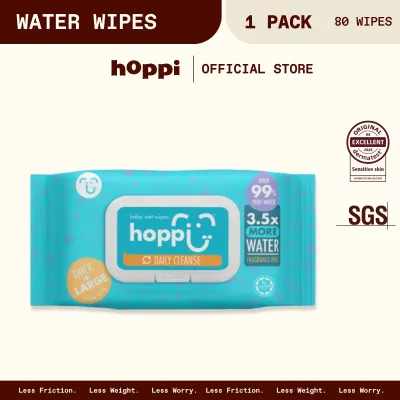
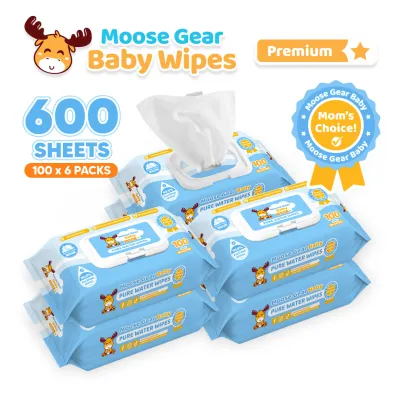
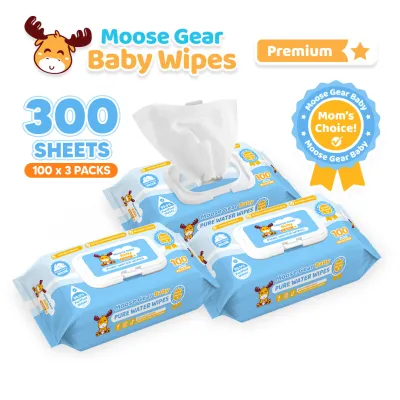
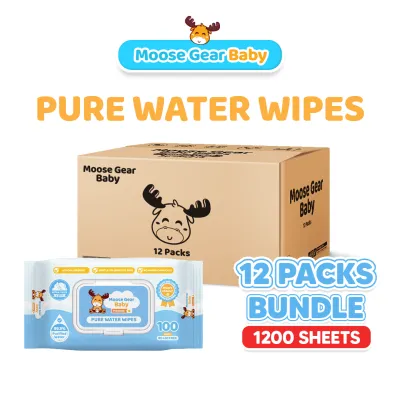
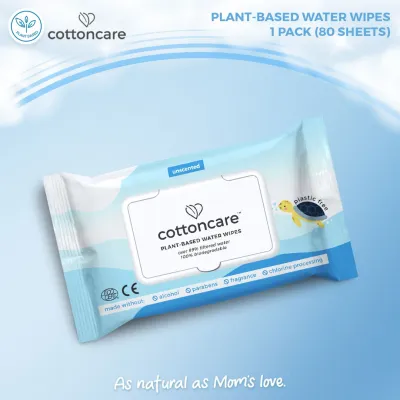
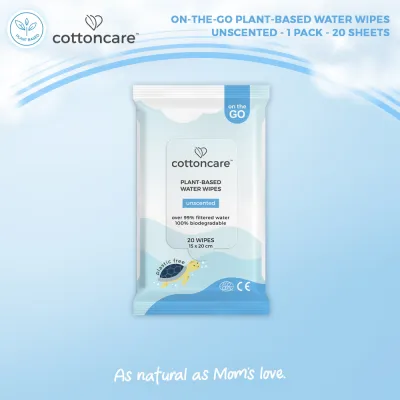
Prices are valid at publication and may change. Please refer to the product page for the latest price.

Ingredient Transparency and Preservative Profiles
Purified water serves as the primary cleansing agent in water wipes, mechanically lifting dirt, urine, and fecal matter from the skin. However, water alone cannot inhibit the growth of bacteria, mold, and yeast once a package is opened and exposed to air. This necessitates the use of preservatives, but the type and concentration of these agents are critical for sensitive skin.
Many products marketed as “natural” incorporate botanical additives such as aloe vera, chamomile, lavender, or citrus extracts to soothe the skin. While these ingredients can be beneficial for normal skin, they frequently act as contact allergens or irritants for babies with compromised skin barriers, such as those prone to atopic dermatitis.
When reviewing ingredient lists, look for mild, food-grade, or highly tolerated preservatives like sodium benzoate, citric acid, or potassium sorbate, which keep the product sterile while minimizing the risk of contact dermatitis. Avoid products containing formaldehyde-releasers, parabens, or isothiazolinones. Because manufacturers frequently update their formulations to meet changing regulatory standards or consumer preferences, always verify the ingredient list printed on the physical packaging at the time of purchase rather than relying on outdated online product descriptions.
Fabric Softness, Thickness, and Friction
The physical material of a wipe plays a direct role in maintaining the integrity of the infant skin barrier. Baby skin is significantly thinner than adult skin, making it highly susceptible to mechanical friction. When a wipe is rough or thin, caregivers often apply more pressure or rub the skin repeatedly to clean stubborn messes, which physically strips the stratum corneum (the outermost layer of the skin) and triggers inflammation.
Most commercial wipes are made from nonwoven fabrics, typically created through a process called spunlacing, which entangles fibers using high-pressure water jets. The fiber blend itself varies: common options include polyester, viscose (rayon), wood pulp, bamboo, or organic cotton. Polyester adds strength but can feel less absorbent, while viscose and cotton offer superior softness and moisture retention.
Thicker, textured wipes (often designated as “embossed” or “heavy-duty”) are generally more efficient for sensitive skin. They trap debris within their textured pockets, allowing caregivers to clean the diaper area with gentle patting or a single, light swipe rather than repetitive rubbing. When evaluating a brand, consider the physical weight and loft of the wipe; a thicker fabric reduces the number of wipes needed per change and minimizes physical friction on delicate skin.
Filtering User Reviews for Genuine Feedback
When researching water wipes on online marketplaces and local e-commerce platforms, overall star ratings can be highly misleading. A five-star rating often reflects fast shipping, secure bubble-wrap packaging, or a low price point rather than the actual performance of the product on sensitive skin. Conversely, a one-star review might stem from a delivery delay completely unrelated to the product’s quality.
To extract genuine, actionable insights, utilize search filters to look for specific keywords such as “rash,” “redness,” “eczema,” “allergy,” “sting,” or “scent.” Pay close attention to detailed reviews written by verified buyers who describe their baby’s specific skin condition and how their skin reacted over several weeks of continuous use.
Look for patterns in the feedback. If multiple parents of babies with eczema report that a specific wipe caused immediate redness or a burning sensation, it suggests the formulation may contain active ingredients or preservatives that are too harsh for highly reactive skin barriers, regardless of the brand’s “dermatologist-tested” claims.
Comparing Popular Water Wipe Brands in the Philippines
In the Philippines, parents have access to a wide range of water-based wipes, spanning from premium imported brands to highly accessible local options. Understanding the structural differences, ingredient profiles, and cost implications of these products is essential for choosing a wipe that aligns with both your baby’s skin needs and your household budget.
| Brand/Variant | Water Content (%) | Key Ingredients/Preservatives | Material/Texture | Estimated Price Range per Sheet |
|---|---|---|---|---|
| WaterWipes Original | 99.9% | Purified Water, Grapefruit Seed Extract (contains trace benzalkonium chloride) | Spunlace nonwoven (viscose/polyester blend) | ₱2.50 – ₱4.00 (Premium) |
| Pigeon 99% Pure Water | 99.0% | Water, Sodium Benzoate, Citric Acid, Sodium Citrate | Spunlace nonwoven (soft embossed texture) | ₱1.00 – ₱1.80 (Mid-Range) |
| Uni-Love Baby Wipes | 99.0% | Water, Aloe Vera, Chamomile, Phenoxyethanol, Benzoic Acid | Spunlace nonwoven (thick cross-grid texture) | ₱0.40 – ₱0.80 (Budget-Friendly) |
| MamyPoko Gentle Cleansing | 99.0% | Water, Antiseptic agents, Preservatives (paraben-free, fragrance-free) | Spunlace nonwoven (soft wave texture) | ₱0.80 – ₱1.30 (Mid-Range) |
WaterWipes Original
WaterWipes is widely recognized as a pioneer in the high-purity wipe category, containing only two ingredients: 99.9% purified water and a drop of grapefruit seed extract. This ultra-minimalist formulation makes it an exceptional choice for newborns and infants with severe skin sensitivities, eczema, or highly reactive skin, as it minimizes the chemical exposure on the skin barrier.
However, this simplicity comes with distinct trade-offs. Because it lacks traditional synthetic preservatives, WaterWipes has a shorter shelf life once opened (typically recommended for use within four weeks) and must be stored carefully to prevent bacterial growth. Additionally, it sits at a premium price point in the Philippine market, making it a more significant financial investment for families requiring high-volume daily use.
Pigeon 99% Pure Water
Pigeon’s 99% Pure Water wipes offer a balanced middle ground, formulated with 99% purified water alongside mild, food-grade preservatives like sodium benzoate to maintain sterility. The wipes are completely free from alcohol, fragrance, and parabens, reducing the risk of contact dermatitis while ensuring a stable shelf life suitable for the warm Philippine climate.
The fabric features a soft, embossed texture designed to lift soft stools efficiently with minimal friction. While highly tolerated by most babies with mild to moderate skin sensitivities, parents of infants with extreme botanical or chemical sensitivities should verify that the mild preservative system does not trigger localized redness during periods of active diaper rash.
Uni-Love Baby Wipes
Uni-Love is a highly popular local brand in the Philippines, favored for its thick, cross-grid fabric texture and highly accessible price point. Formulated with 99% water, it provides a budget-friendly option for families who perform frequent diaper changes and prefer a thicker wipe that prevents tearing or moisture breakthrough.
However, caregivers should note that Uni-Love wipes often incorporate botanical extracts like aloe vera and chamomile, along with mild preservatives to maintain freshness. While these botanical additives are soothing for many babies, they can occasionally trigger reactions in infants with highly reactive skin or specific plant allergies. It is essential to check the ingredient list on the packaging to ensure compatibility with your baby’s unique skin profile.
MamyPoko Gentle Cleansing
MamyPoko Gentle Cleansing wipes are designed to complement diapering routines by offering a soft, wave-textured sheet that cleanses effectively without requiring excessive pressure. Formulated with 99% pure water and free from fragrance and alcohol, these wipes are engineered to support daily hygiene while protecting the skin barrier from mechanical irritation.
The primary trade-off is the inclusion of standard cosmetic preservatives to ensure product safety over a longer shelf life. While these preservatives prevent microbial contamination effectively in humid environments, they may not be suitable for infants with diagnosed contact allergies to specific preservative compounds.
Decision Framework: Which Water Wipe Fits Your Baby?
Choosing the right water wipe involves matching your baby’s specific skin condition with your family’s usage patterns and financial considerations. Use the following conditional framework to guide your selection:
Choose Premium 99.9% Water Wipes if:
- Your baby has highly reactive skin, diagnosed atopic dermatitis (eczema), or severe, unexplained diaper rashes.
- Your infant has known contact allergies to common botanical extracts (such as aloe vera or chamomile) or standard cosmetic preservatives.
- Your household budget comfortably accommodates a higher cost per sheet, prioritizing maximum ingredient purity over long-term shelf stability.
Choose Value 99% Water-Based Wipes with Mild Preservatives if:
- Your baby has normal to mildly sensitive skin that does not react to standard, fragrance-free baby skincare products.
- You require a high volume of wipes for frequent diaper changes, messy feedings, and general cleanup, making a lower cost per sheet highly desirable.
- You need to store unopened packs for extended periods or keep packs in multiple locations (such as diaper bags, strollers, or nursery stations) where they must remain sterile and moist over several months.
Verify First if:
- Your baby has a known allergy to specific plant families, as many "natural" water wipes contain botanical extracts that can trigger localized contact dermatitis.
- The wipes will be used on broken, bleeding, or severely chafed skin; in these scenarios, even pure water can cause temporary stinging, and consulting a healthcare professional is recommended to address the underlying skin barrier damage.
Remember that a higher price tag or an “organic” label does not automatically guarantee compatibility with sensitive skin. Often, the simplest formulation with the fewest ingredients is the safest and most effective choice for preventing irritation.
Safe Storage and Usage in a Tropical Climate
The tropical climate of the Philippines, characterized by high temperatures and relative humidity, presents unique challenges for storing and using water wipes safely. Because water wipes contain minimal or very mild preservatives, they are highly susceptible to environmental degradation, drying out, and microbial contamination if not handled correctly.
To maintain the safety and efficacy of your wipes, store unopened and opened packages in a cool, dry place away from direct sunlight. Avoid storing wipes in hot, enclosed spaces such as parked cars, diaper bags left in sunny areas, or near windows, as elevated heat can accelerate the breakdown of mild preservatives and encourage the growth of bacteria or mold within the package.
Always ensure the plastic lid or adhesive seal is pressed down firmly and sealed completely after extracting a wipe. This prevents the moisture from evaporating—a common issue in air-conditioned rooms or during hot dry seasons—and blocks airborne contaminants from entering the pack.
Before using a new brand of water wipes extensively, perform a simple patch test. Gently wipe a small, healthy area of your baby’s arm or leg with the product and monitor the spot for 24 to 48 hours for any signs of redness, swelling, or tiny bumps. If a reaction occurs, discontinue use immediately and consult a pediatrician. Always check the expiration date printed on the packaging before opening a new pack, and discard any wipes that have been open for longer than the manufacturer’s recommended timeframe.
Frequently Asked Questions (FAQ)
Can I use water wipes on a newborn's face and hands?
High-purity water wipes that are completely free from fragrance, alcohol, and active botanical extracts are generally safe for cleansing a newborn’s face and hands. However, always verify the manufacturer’s specific age recommendations and usage guidelines printed on the product packaging before applying them to delicate facial skin.
Do water wipes need to be warmed before use?
Warming baby wipes is entirely optional and is primarily done for the infant’s comfort, particularly in air-conditioned nurseries. If you choose to warm wipes, use a dedicated commercial wipe warmer designed for this purpose. Never use a microwave or boiling water to heat wipes, as this can melt the synthetic fibers, alter the chemical formulation, or create dangerous hot spots that can burn your baby’s skin.
Why do some water wipes develop a sour smell?
A sour, musty, or unusual odor coming from a pack of water wipes typically indicates bacterial or fungal contamination. This can happen if the package seal is left open, if the wipes are stored in high heat, or if they are used past their expiration date. If you notice any unusual smell or discoloration, discard the entire package immediately to protect your baby’s skin from infection or irritation.
Community discussion
Share your experience or ask a question. Comments are reviewed before publication.