
Weaning is a milestone that involves more than just introducing solid foods; it is also the period when your child learns the complex skill of drinking from a cup. Transitioning from the comforting, natural mechanics of breastfeeding or bottle-feeding to a structured water bottle requires coordination, patience, and the right tools. For parents of active toddler boys, finding a bottle that can keep up with high energy levels, frequent drops, and outdoor adventures in a warm, tropical climate like the Philippines is essential. Choosing the right cup ensures your child stays hydrated while safely developing the oral muscles necessary for speech and proper swallowing.
Why the Right Water Bottle Matters During Weaning
The weaning stage marks a major shift in your toddler’s dietary and developmental journey, typically spanning from six months to the toddler years. During this phase, infants transition from receiving all their hydration and nutrition from breast milk or formula to consuming solid foods and water. Learning to drink water independently is not just about hydration; it is a vital developmental step. Using a transitional cup or water bottle teaches your toddler how to control their lip, tongue, and jaw movements in entirely new ways, which differs significantly from the sucking reflex used during bottle or breastfeeding.
Introducing a water bottle at the right time supports fine motor skills and hand-eye coordination. Your toddler must learn to grasp a vessel, lift it to their mouth, tilt it at the correct angle, and swallow without choking. This multi-sensory coordination builds neural pathways and strengthens the small muscles in their hands and fingers.
Products mentioned in this guide
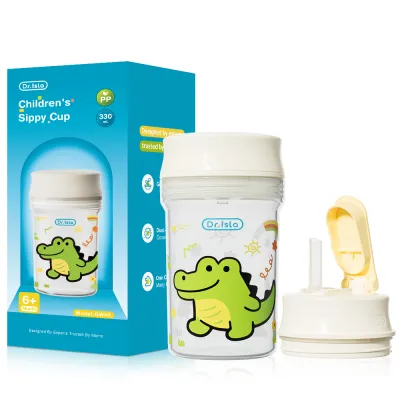
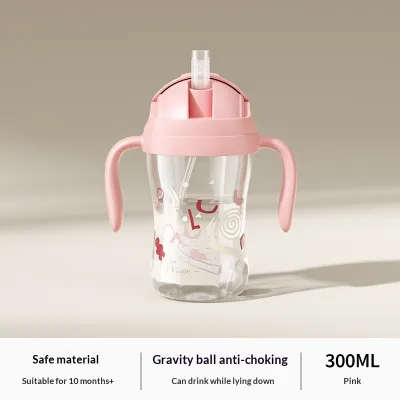
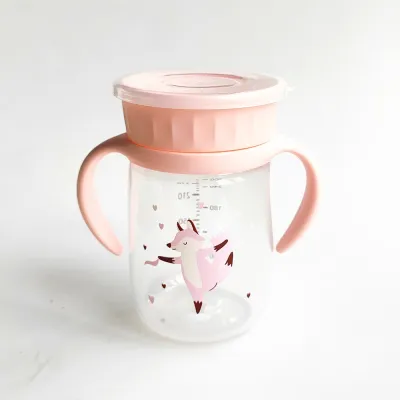
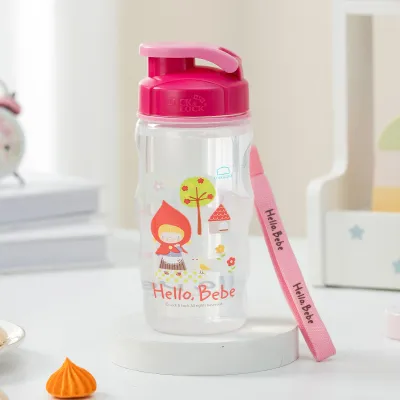
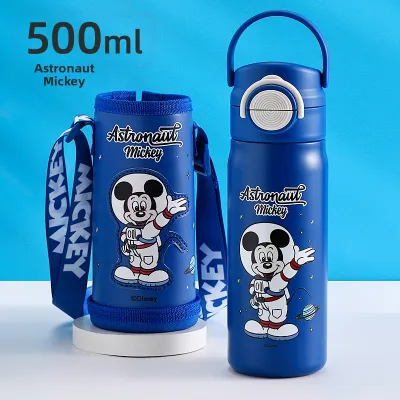
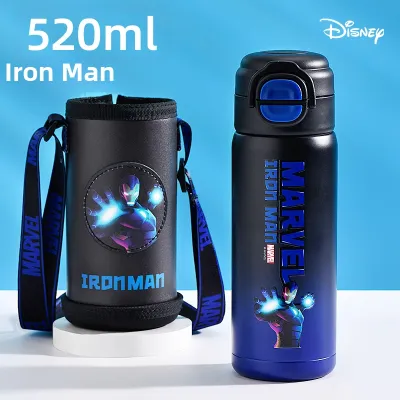
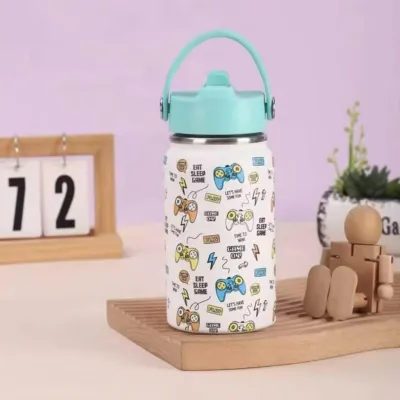
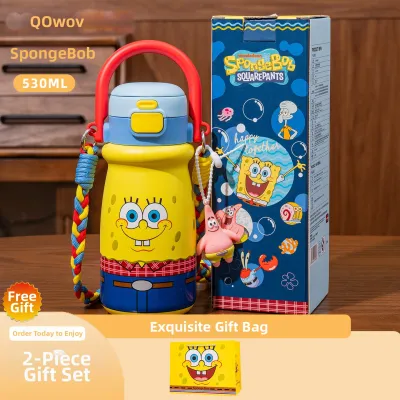
Prices are valid at publication and may change. Please refer to the product page for the latest price.
For parents of active toddler boys, durability and design are particularly critical. Young boys at this stage are often highly energetic, eager to explore their physical boundaries, and prone to testing gravity by throwing, dropping, or hitting their tableware against hard surfaces. In many homes across the Philippines, floors are made of hard ceramic tile, polished concrete, or marble, which can easily shatter fragile plastics. A bottle that cannot withstand high-impact drops will quickly crack, leak, or become a safety hazard. Selecting a rugged, drop-resistant bottle ensures that your child’s hydration companion survives daily play while keeping spills to an absolute minimum.
Key Features to Look for in a Weaning Water Bottle
Selecting the perfect weaning water bottle requires evaluating several key features to ensure safety, durability, and ease of use.

Material Safety
The safety of the materials used in your child’s drinking cup is paramount. Look for bottles labeled as BPA-free, phthalate-free, and made from food-grade materials. Common safe options include Tritan plastic, food-grade silicone, and premium stainless steel. Tritan is a popular co-polyester known for its glass-like clarity, lightweight feel, and extreme impact resistance. Food-grade silicone is soft, flexible, and highly resistant to extreme temperatures, making it excellent for spouts and straw components. Stainless steel offers exceptional durability and naturally resists bacteria, though it is heavier. Always verify these material claims by checking the physical manufacturer packaging and official product documentation rather than relying solely on online product listings, which can sometimes feature inaccurate descriptions.
Leak-Proof and Spill-Proof Designs
It is important to understand the distinction between “leak-proof” and “spill-proof” designs. A leak-proof bottle prevents liquid from escaping when the lid is fully closed and sealed, making it safe to toss into a diaper bag. A spill-proof bottle, on the other hand, prevents messes while the bottle is open and in use. This is typically achieved through specialized one-way silicone valves that only release water when your toddler applies suction. For active toddlers who frequently tip their cups upside down or drop them mid-drink, a reliable spill-proof valve is essential to prevent puddles on your floors.
Ergonomics and Grip
A weaning bottle must be easy for tiny hands to hold and maneuver. For early weaning, look for cups featuring dual, easy-to-grip handles that are textured or rubberized to prevent slipping. As your toddler’s grip strength improves, you can transition to contoured, bottle-shaped designs or cups with textured silicone sleeves. A non-slip base, often made of silicone, is also highly beneficial, as it prevents the bottle from sliding off highchair trays or dining tables during enthusiastic meal times.
Durability and Shatterproof Qualities
Active toddlers will inevitably drop their bottles multiple times a day. To avoid frequent and costly replacements, prioritize shatterproof materials. High-quality Tritan plastic and double-walled stainless steel are excellent choices for enduring high-impact drops on hard Philippine tile floors. Avoid cheap, brittle plastics that can crack easily, as cracked plastic can create sharp edges and harbor dangerous bacteria in the crevices.
Ease of Cleaning
A clean water bottle is vital for your child’s health, especially in warm, humid climates where mold and bacteria can multiply rapidly. Choose bottles with simple designs and minimal, easily detachable parts. Complicated valve systems with deep crevices are difficult to clean and can quickly harbor black mold. Ensure that all straws, valves, and seals can be completely disassembled for thorough washing. Always check the manufacturer’s instructions to verify if the components are top-rack dishwasher safe or if they require hand-washing and steam sterilization.
Best Types of Water Bottles for the Weaning Stage
There is no single “best” water bottle for every toddler; the ideal choice depends on your child’s age, developmental stage, and physical coordination. Understanding the different categories of transitional cups allows you to select the right style to support your toddler’s current skills.
The following table provides an overview of the primary cup types used during the weaning stage:
| Cup Type | Best Use Case | Pros | Cons |
|---|---|---|---|
| Spout Cup | Early transition (6–9 months) | Mimics the familiar feel of a bottle; easy to hold | Can delay mature swallowing patterns if used too long |
| Straw Cup | Active toddlers (9+ months) | Promotes excellent oral motor skills; drinks from any angle | Requires meticulous, daily cleaning of straws and valves |
| 360-Degree Cup | Mid-to-late weaning (12+ months) | Supports natural lip sealing; spill-proof from any angle | Requires stronger suction; can be confusing initially |
| Open Cup | Advanced weaning / Mealtimes | Teaches ultimate control; promotes proper tongue placement | High risk of spills; requires constant adult supervision |
Choosing the right type of cup at each stage of the weaning process helps build confidence and prevents frustration for both you and your toddler.
Spout Cups for Early Transition
Spout cups are often the first step when transitioning away from breastfeeding or traditional baby bottles. These cups feature a raised spout that the child tips upward to drink. For infants just beginning their weaning journey, soft silicone spouts are highly recommended because they mimic the familiar, flexible feel of a bottle nipple or breast, which can make the initial introduction much smoother.
While soft spouts are excellent for early transition, pediatric dentists generally recommend using them for a limited period. Hard plastic spouts should generally be avoided or transitioned away from quickly, as prolonged sucking on rigid surfaces can potentially impact the natural alignment of developing teeth and gums. As your toddler reaches 9 to 12 months, it is beneficial to introduce other cup styles to encourage more advanced oral motor patterns. Always supervise your child during use and check the spout regularly for signs of wear, replacing it immediately if you notice tears or thinning material.
Straw Cups for Oral Motor Skills
Straw cups are highly favored by pediatric occupational therapists because they promote advanced oral motor skills and healthy speech development. Unlike spout cups, which require a child to tip their head back, straw cups teach toddlers to look straight ahead, purse their lips, and use active suction to draw liquid upward. This action strengthens the tongue, cheeks, and lip muscles, which are crucial for articulation and clear speech later on.
For active toddler boys who rarely sit still, weighted straw cups are an exceptional option. These bottles feature a small weight at the base of a flexible silicone straw, allowing the straw to move with the liquid. Whether your toddler is lying down, tilting the cup sideways, or running around, they can access water from any angle. The primary drawback of straw cups is their maintenance; the narrow straws and complex anti-colic or spill-proof valves require meticulous daily cleaning with specialized, ultra-thin straw brushes to prevent bacteria and mold from accumulating.
360-Degree and Open Cups for Advanced Stages
As your toddler approaches their first birthday and refines their coordination, rimless 360-degree cups and small open cups become excellent choices. A 360-degree cup features a clever, round silicone valve that seals the entire rim of the cup. When your child places their lips anywhere on the edge and applies gentle suction, the valve releases liquid. Once they stop drinking, the valve automatically seals shut, making it virtually spill-proof even when dropped or thrown. This design is highly beneficial because it mimics the exact lip-sealing and swallowing patterns required for drinking from a regular open cup, without the associated mess.
The ultimate goal of the weaning process is for your child to drink confidently from a standard open cup. Introducing a small, weighted open cup during supervised mealtimes helps your toddler learn to judge liquid levels, control their hand movements, and master proper tongue placement. To minimize spills during this learning phase, start with very small amounts of water—just a tablespoon or two at a time—and use durable, shatterproof silicone or bamboo open cups with wide, weighted bases that resist tipping.
Practical Tips for Transitioning Your Toddler
Transitioning a toddler from a bottle or breast to a water bottle is a gradual process that requires patience, consistency, and a positive approach.
To begin, introduce the new water bottle during regular mealtimes when your toddler is already seated in their highchair and focused on eating. At this time, their natural curiosity about solid foods can easily extend to the new cup. Start by offering very small amounts of water, as the primary goal at the beginning of weaning is practice and skill-building rather than high-volume consumption.
Children learn rapidly by observing their parents and older siblings. You can model the desired behavior by drinking from a similar cup or water bottle in front of your toddler. Make exaggerated, cheerful drinking motions and expressions to show them that using the cup is easy and enjoyable. Toddlers love to imitate adults, and seeing you use a cup will often motivate them to try it themselves.
It is entirely normal for toddlers to resist the new bottle, throw it on the floor, or demand their familiar bottle instead. If your toddler throws the cup or refuses to drink, remain calm and neutral. Avoid reacting strongly, as toddlers sometimes throw items simply to observe their parents’ reactions. Calmly pick up the cup, place it out of reach, and try again later in the meal or during the next snack time. You can also experiment with slightly changing the water temperature—some toddlers prefer cool water in the warm Philippine climate, while others prefer it at room temperature. If resistance continues, take a break for a few days and reintroduce the cup when your child is relaxed. Never force the cup into your child’s mouth, as this can create negative associations with drinking.
Cleaning, Maintenance, and When to Replace
Proper hygiene and maintenance of your toddler’s water bottle are essential to protect their developing immune system, particularly in warm, humid environments where mold spores can thrive.
Establish a strict daily cleaning routine. At the end of every day, completely disassemble the water bottle, removing the lid, straw, silicone valves, and rubber seals. Wash all parts thoroughly in warm, soapy water using specialized bottle and straw brushes to reach every hidden crevice. If the manufacturer’s care instructions explicitly permit it, you can run the disassembled parts through the top rack of a dishwasher or use a steam sterilizer. However, always verify temperature limits first, as excessive heat can warp certain plastics or degrade silicone seals.
For a deeper clean, you can sanitize the components using a mixture of mild dish soap and warm water, or a gentle vinegar-and-water solution if allowed by the manufacturer’s guidelines. Ensure all parts are completely air-dried in a well-ventilated area before reassembling the bottle. Storing a bottle while it is still damp is a primary cause of mold growth and unpleasant, persistent odors.
Regularly inspect your toddler’s water bottle for wear and tear. Plastic bottles should be replaced immediately if you notice deep scratches, cracks, or cloudiness, as these damaged areas can harbor harmful bacteria that regular washing cannot reach. Silicone spouts, straws, and valves should be checked for signs of degradation, such as becoming sticky, discolored, torn, or stretched out. If the bottle leaks despite being properly assembled, it is a clear sign that the silicone seals have worn down and the bottle or its replaceable parts need to be discarded.
Frequently Asked Questions (FAQ)
When should I introduce a water bottle to my toddler?
You can typically begin introducing small sips of water from a transitional cup or open cup around six months of age, coinciding with the introduction of solid foods. At this early stage, water is offered purely for practice and oral muscle development, as breast milk or formula remains their primary source of hydration. Always consult your pediatrician or a qualified healthcare professional before introducing water to ensure it aligns with your child’s specific developmental milestones and nutritional needs.
Are stainless steel bottles safe for weaning toddlers?
Yes, food-grade stainless steel bottles are a safe, highly durable, and naturally chemical-free option for weaning toddlers. They are excellent for keeping water cool in warm, tropical climates and do not retain odors or flavors. However, they do have practical limitations: they are significantly heavier than plastic, making them harder for very young infants to lift, and they can easily dent when dropped on hard tiled floors. Additionally, because stainless steel is opaque, you cannot easily monitor your toddler’s water intake throughout the day.
How do I stop my toddler from throwing the water bottle?
To prevent your toddler from throwing their bottle, you can use a silicone bottle strap or toy tether to secure the cup to their highchair or stroller. When your toddler drops or throws the bottle, it will remain suspended, preventing it from hitting the floor and gathering dirt. If they throw the cup, respond calmly and neutrally; pick up the cup without making a game of it, set it aside, and offer it again only when they are calm. This helps them learn that throwing results in the temporary removal of the cup rather than an entertaining reaction from you.
Community discussion
Share your experience or ask a question. Comments are reviewed before publication.