
Choosing a high-quality washable training diaper system is one of the most practical and sustainable steps you can take as your toddler transitions out of baby diapers. This milestone represents a shift toward independence, but it also introduces new laundry and skin-care considerations. By selecting the right materials and designs, you can support your child’s developmental progress while minimizing your household’s environmental footprint.
Transitioning your toddler to a training diaper washable system is a major milestone for both parent and child. Unlike standard diapers, these training pants are designed to help your child feel when they have had an accident, bridging the gap between full diapering and regular underwear.
In the warm, humid climate of the Philippines, selecting the right materials is not just about environmental responsibility; it is also about preventing heat rashes and managing daily laundry efficiently. Parents must balance fabric breathability, ease of washing, and structural designs to find a system that fits their lifestyle and their toddler’s physical development.
Products mentioned in this guide
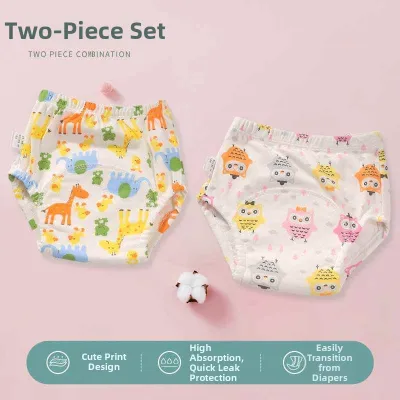
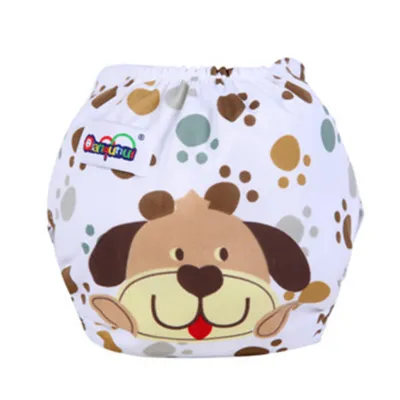
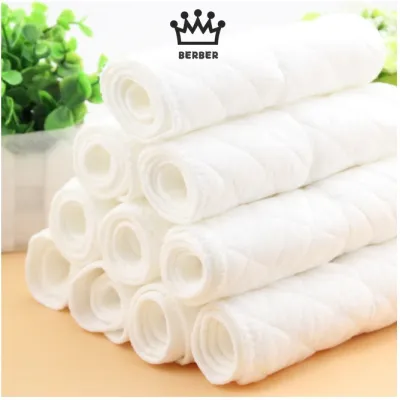
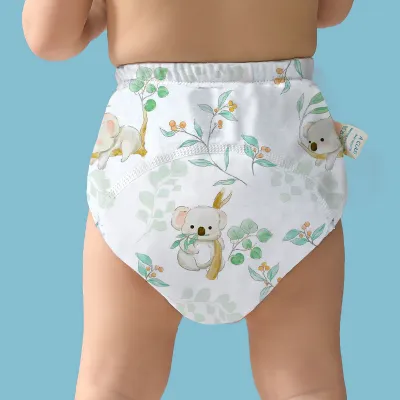
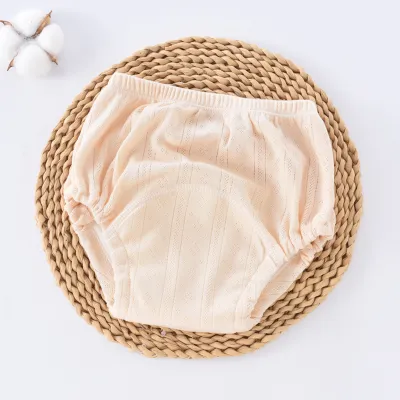

Prices are valid at publication and may change. Please refer to the product page for the latest price.
Why Switch to Washable Training Diapers?
Disposable training pants represent a massive source of non-biodegradable waste. In the Philippines, where municipal waste management systems are often overburdened, choosing reusable alternatives directly reduces the volume of plastics sent to local landfills. A single toddler can go through hundreds of disposable pull-ups during the potty training phase, all of which remain in landfills for centuries.
Traditional disposable diapers are engineered to keep babies feeling completely dry, even after multiple urinations. While convenient for infants, this high absorbency delays potty training because toddlers cannot easily associate the physical sensation of urinating with the uncomfortable feeling of wetness. Without that sensory feedback, the motivation to use the toilet is significantly reduced.
A washable training diaper allows the child to feel the wetness immediately. This instant physical feedback helps them connect their bodily functions with the need to use the toilet, often shortening the overall potty training phase. By recognizing the sensation of being wet, toddlers quickly learn to communicate their needs before an accident occurs.
The financial aspect is highly compelling for Filipino households. While a single reusable training pant requires a higher initial investment—often ranging from ₱150 to ₱500 per piece depending on the brand—a small stash of six to ten pants can be washed and reused hundreds of times. This one-time purchase eliminates the recurring weekly expense of disposable pull-ups, which can quickly add up to thousands of pesos over several months.
Core Criteria for Selecting a Training Diaper Washable Design
The fabric that sits directly against your toddler’s skin is the most critical factor. Eco-conscious parents should prioritize natural, renewable fibers such as organic cotton, bamboo, or hemp, which are highly breathable and gentle on sensitive skin. These materials are highly absorbent while remaining free from synthetic chemicals.

While synthetic fibers like polyester microfleece are common and dry quickly, they are petroleum-derived and do not biodegrade. Natural fibers offer superior breathability, which is vital in preventing heat rash (bungang-araw) during hot, humid Philippine afternoons. They also tend to retain fewer long-term odors than synthetic alternatives.
Always read the product fiber content label carefully to verify material claims. Some products are marketed as “bamboo” but actually consist of highly processed rayon or polyester blends with minimal natural content. True eco-friendly brands will provide clear, detailed breakdowns of their fabric blends.
Toddler skin is thin and highly permeable, making it vulnerable to chemical irritants. Look for unbleached fabrics that have not been treated with harsh chemical softeners, optical brighteners, or formaldehyde-based finishes. These chemicals can cause contact dermatitis and strip the natural fibers of their absorbency over time.
Choose brands that use low-impact, non-toxic dyes. This reduces the risk of skin irritation and ensures that no harmful chemical residues leach into the local water supply during the washing process. Uncolored, natural-toned inner linings are often the safest choice for highly sensitive skin.
Because training pants undergo frequent, rigorous washing, the construction quality must be exceptional. Inspect the stitching along the seams and elastics to ensure there are no loose threads or weak points. Double-stitched seams are much more resilient against the friction of active play and repeated machine cycles.
The waterproof outer layer, typically made of Polyurethane Laminate (PUL) or Thermoplastic Polyurethane (TPU), must be securely bonded to the fabric. Poorly laminated barriers will crack, peel, or delaminate over time, rendering the diaper useless. Look for high-quality heat-bonded TPU, which is generally considered more eco-friendly than chemical-bonded options.
To ensure a brand’s environmental and safety claims are legitimate, look for independent textile certifications. Parents can verify if the materials are certified under the Global Organic Textile Standard (GOTS) or OEKO-TEX Standard 100, which test for harmful substances. While these certifications can increase the purchase price, they offer peace of mind regarding safety.
Best Types of Washable Training Diapers for Potty Training
Washable training diapers generally fall into two primary design categories, each serving a different stage of the potty training journey. Understanding these designs helps you choose the right balance of independence for your child and convenience for the caregiver.
Pull-Up Style Training Pants
Pull-up style training pants are designed to look and feel exactly like regular underwear. This design is ideal for toddlers who are actively learning to use the toilet and want to do everything themselves. The familiar shape helps them transition mentally away from babyhood.
The absence of snaps or complicated fasteners allows children to practice pulling their pants down and up independently, boosting their confidence and motor skills. This self-reliance is a key pillar of successful potty training programs.
However, these pants have limited absorbency by design. They are meant to catch a single small leak or accident, not to hold a full bladder release. If your child is still having large, frequent accidents, this style may lead to wet outer clothing and floors.
If a major accident occurs, especially a bowel movement, you must slide the wet or soiled pants all the way down the child’s legs. This can easily smear waste onto their skin, socks, and shoes, often requiring a full cleanup and outfit change. Caregivers should be prepared for this cleanup challenge during the early stages of use.
When selecting pull-up styles, check the elasticity of the waistband. It should be wide, flat, and soft enough to stretch easily without digging into the child’s stomach or leaving deep red marks. A restrictive waistband will discourage the child from trying to pull the pants down independently.
Adjustable Snap-On Training Diapers
Adjustable snap-on designs feature snaps along the side panels, combining the pull-up functionality with the ease of a traditional cloth diaper. This hybrid style offers excellent versatility for parents who want a transitional option.
The primary advantage of side snaps is easy removal during messy accidents. Instead of sliding soiled fabric down your toddler’s legs, you can simply unsnap the sides and peel the diaper away, keeping the mess contained. This makes cleanup much more sanitary and manageable.
This feature is incredibly useful when you are away from home, in public restrooms, or when your child is wearing shoes and pants that you do not want to remove entirely. It saves significant time and stress during outings.
Side snaps also offer multiple sizing adjustments, allowing the diaper to expand as your toddler grows. This adjustability extends the usable lifespan of each piece, making it a highly cost-effective choice for families.
The main drawback is that snaps make the diaper heavier and bulkier than regular underwear. Additionally, toddlers usually cannot undo or fasten the snaps themselves, which can hinder their ability to practice independent dressing. It is often best used as a transitional step before moving to true pull-up styles.
Sizing, Fit, and Absorbency: What to Check Before Buying
Proper fit is crucial to prevent leaks and ensure your toddler’s comfort. Because there is no universal sizing standard across different brands, parents must measure carefully before purchasing. A diaper that is too loose will leak, while one that is too tight will cause discomfort and skin chafing.
Do not rely on generic age labels like “2 Years” or “3T.” Toddlers of the same age can have vastly different body shapes, thigh circumferences, and weights. Relying solely on age guidelines often results in a poor fit.
Always refer to the manufacturer’s specific weight and measurement charts. Use a soft measuring tape to measure your child’s waist and upper thigh circumference to find the most accurate match. If your child falls between two sizes, consider the rise of the diaper and their current growth rate before deciding.
Look for gentle, double-stitched leg gussets. The elastic around the legs must sit snugly in the underwear crease to contain sudden leaks during active play. This is especially important because toddlers are constantly running, climbing, and jumping.
While the elastic must be snug, it should not pinch the skin. If you notice deep red indentations after a few hours of wear, the size is too small or the elastic is too restrictive. Stop using that size to prevent skin irritation and discomfort.
Some washable training pants feature an internal pocket or built-in snaps designed to hold extra boosters or inserts. This customization is highly beneficial for nap times, car rides, or longer outings when immediate changes are not possible. It allows you to scale the absorbency up or down as needed.
However, during active daytime training at home, avoid over-stuffing the diaper. The goal is to let the child feel the wetness; excessive absorbency defeats the purpose of the training phase. Keep the diaper light and minimally absorbent to encourage toilet awareness.
Because personal hygiene items like training diapers cannot be returned or exchanged once opened, always verify the return policies and size charts on the official brand website or authorized online store before finalizing your order. This step prevents costly purchasing mistakes.
Washing and Care Routine for Tropical Climates
Caring for reusable training pants in the hot, humid climate of the Philippines requires specific hygiene practices to prevent mold, mildew, and strong ammonia buildup. High humidity accelerates the growth of bacteria if fabrics are not handled correctly.
Never store wet or soiled training pants in a sealed plastic bin or wet bag for long periods. The lack of airflow combined with high tropical humidity creates a perfect breeding ground for bacteria and mold, which can ruin the fabric and irritate your child’s skin.
Instead, use a highly ventilated, open plastic laundry basket (known as dry pailing). For soiled pants, knock any solid waste into the toilet, perform a quick cold rinse under the tap, and wring them out thoroughly before placing them in the ventilated basket. This keeps odors and mold at bay.
Wash the training pants every one to two days to prevent odors from setting. Use a cloth-diaper-safe laundry detergent that is free from fabric softeners, optical brighteners, and synthetic oils. These additives leave a residue that coats the fibers, causing the fabric to repel liquid instead of absorbing it.
Check the manufacturer’s care label on the diaper to verify the maximum recommended water temperature. While warm water can help sanitize, excessively hot water can degrade the waterproof PUL or TPU lining. Always follow the specific temperature limits provided by the brand.
Hang-drying outdoors under direct sunlight is the most effective and eco-friendly drying method. The sun’s ultraviolet rays act as a natural sanitizer and help fade organic stains without the need for chemical bleaches. It also leaves the fabric smelling fresh and clean.
During the rainy season (typhoon season or amihan), indoor drying becomes necessary. Hang the diapers in a well-ventilated room with an electric fan or dehumidifier to maximize airflow and prevent sour, musty odors. Ensure they are completely dry before folding and storing them.
Only use a mechanical clothes dryer on low heat if the manufacturer’s care label explicitly permits it. High heat can melt, warp, or crack the waterproof outer layer, permanently ruining the diaper’s leak-proof capability. When in doubt, air-drying is always the safest option.
If the diapers develop a persistent, pungent ammonia smell or start causing skin irritation, it may indicate detergent buildup or mineral deposits from hard municipal water. This buildup prevents the fabric from absorbing properly and traps bacteria.
In such cases, a deep clean or “stripping” process may be required. Always consult the manufacturer’s official care guidelines before attempting to strip the diapers, as using unapproved chemicals like household bleach or boiling water can void the product warranty and permanently damage the delicate fabrics.
Frequently Asked Questions (FAQ)
How do I know if my toddler is ready for washable training pants?
Look for physical signs such as staying dry for at least two consecutive hours during the day, or waking up dry after a nap, which indicates increased bladder control. These signs show that their bladder muscles are developing the necessary strength for potty training.
Cognitive signs include your child telling you verbally or through gestures that they have soiled their diaper, or showing an active interest in the bathroom habits of older family members. They might also express a clear desire for clean, dry clothing.
Your child should also demonstrate basic motor skills, such as the ability to walk to the bathroom, sit on a potty chair, and attempt to pull their own pants up and down with minimal assistance. If these signs are present, they are likely ready to transition.
Can washable training diapers cause diaper rash?
Yes, any diaper can cause skin irritation if wet fabric remains in contact with the skin for an extended period. Because washable training pants do not contain the chemical gelling agents that lock moisture away in disposables, they must be changed immediately after an accident.
To prevent rashes, ensure the natural fiber lining of the diaper is completely dry before putting it on your child. Wash the diapers thoroughly to eliminate any soap residue, and avoid using heavily fragranced detergents or fabric softeners that can irritate sensitive skin.
If your child develops a persistent, red, or painful rash that does not improve with frequent changes and air-drying, stop using the training pants immediately and consult a pediatrician or qualified healthcare professional for proper diagnosis and treatment.
Community discussion
Share your experience or ask a question. Comments are reviewed before publication.