
As your baby transitions from crawling to taking those first curious steps, the kitchen quickly becomes a primary zone for exploration. The refrigerator, with its colorful magnets, low-hanging handles, and interesting contents, is often a toddler’s favorite target. Securing this appliance is not just about preventing messy spills or keeping food fresh; it is a vital step in protecting your little one from heavy falling items, glass jars, and potential finger-pinching hazards. Finding a reliable universal ref door lock in the Philippines requires balancing secure toddler-proofing with the practical realities of a busy, humid tropical household.
A universal ref door lock offers a versatile solution that adapts to various appliance designs without requiring permanent drilling or complex tools. Because modern kitchens feature everything from classic single-door models to French door and side-by-side configurations, a one-size-fits-all lock does not exist. Instead, caregivers must evaluate how different locking mechanisms interact with their specific refrigerator model, their daily cooking habits, and the humid climate that can affect adhesive performance. By understanding the distinct types of locks available and how to verify their quality, you can establish a secure kitchen environment that keeps your child safe while maintaining easy access for adults.
Comparing Types of Universal Refrigerator Door Locks
Selecting the right universal ref door lock begins with understanding the primary mechanisms available on the market. Each design offers a unique balance of security, ease of use, and visual impact on your kitchen appliances.
Products mentioned in this guide
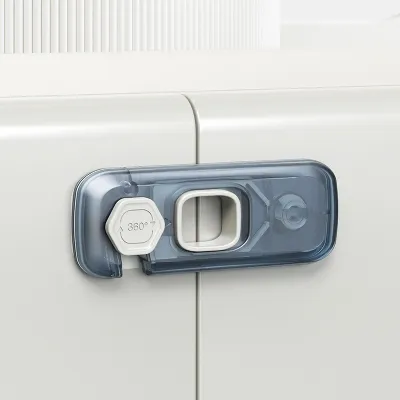
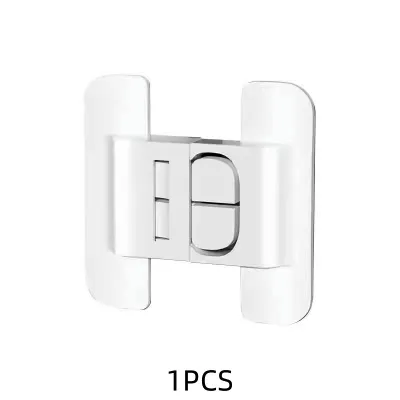
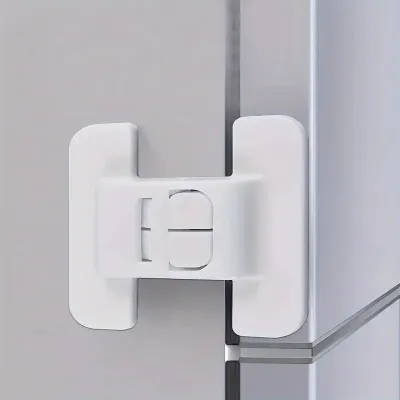
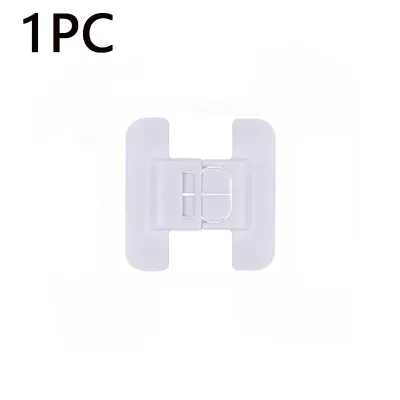
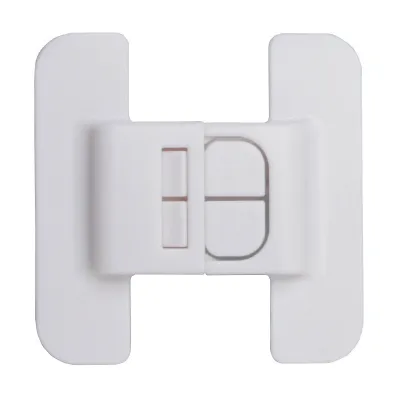
Prices are valid at publication and may change. Please refer to the product page for the latest price.
Strap locks are among the most common and versatile options for securing household appliances. These devices consist of a flexible plastic or fabric strap anchored by two adhesive pads on either side of the door gap. Because the strap can bend around corners, these locks are highly adaptable, making them suitable for curved doors, top-freezer units, and refrigerators with non-standard handle placements. However, they are highly visible on the front or side of the appliance, which might not appeal to those preferring a minimalist kitchen aesthetic. Additionally, opening a strap lock typically requires a two-handed pinch-and-release motion, which can be slightly inconvenient when you are carrying groceries or preparing meals.
For parents who prioritize a clean, uncluttered kitchen appearance, magnetic locks offer an appealing alternative. These systems are installed on the interior or along the hidden edges of the refrigerator doors, keeping the locking mechanism completely out of sight. The lock remains engaged until an external magnetic key is placed against the outside of the door, releasing the internal latch. While this completely eliminates the visual clutter and prevents toddlers from even attempting to play with a visible lock, it introduces the risk of misplacing the magnetic key. Caregivers must establish a dedicated, high-up storage spot for the key to avoid being locked out of their own refrigerator during busy meal prep times.
Mechanical latch and sliding locks are designed to hook directly onto specific handle configurations, such as parallel handles on side-by-side or French door refrigerators. These locks physically clamp the handles together or hook onto the door frame, preventing the doors from swinging open. Many of these designs feature a spring-loaded mechanism or a sliding button that adults can easily operate with one hand. While highly convenient for quick access, their compatibility is strictly limited to refrigerators with protruding, parallel handles. If your appliance features recessed handles or a single-door design, these mechanical latches will not have the necessary anchor points to function.
When choosing between these types, you must weigh toddler security against daily adult convenience. A highly secure lock that requires complex steps to open might frustrate family members, leading to instances where the lock is left disengaged. Conversely, an overly simple latch might be quickly figured out by an observant toddler who watches your hand movements. Consider your household’s daily kitchen traffic, the physical layout of your refrigerator, and how comfortable you are managing keys or visible straps before making your final selection.
Essential Features to Check Before Buying
When browsing online marketplaces for a universal ref door lock, relying solely on product photos can be misleading. To ensure you purchase a durable and effective safety device, you must verify several critical specifications and material properties.

Since most universal locks rely on adhesive backings to avoid drilling into your appliance, the quality of the tape is paramount. Look for products that specify high-quality, heavy-duty double-sided adhesives, such as those manufactured by reputable industrial tape brands. In the Philippines, the high ambient humidity and warm kitchen temperatures can cause low-grade adhesives to soften, slip, or peel off under pressure. Verify that the product description explicitly states compatibility with your refrigerator’s surface material, whether it is stainless steel, painted metal, or glass.
A successful baby-proofing lock must be simple enough for an adult to operate with one hand but complex enough to baffle a toddler’s developing motor skills. Look for locks featuring double-action release mechanisms, such as pressing two distinct buttons simultaneously or sliding a safety catch before lifting a latch. These multi-step actions are highly effective because toddlers generally lack the hand span, finger strength, and coordination required to perform two distinct physical actions at once.
Toddlers can be surprisingly persistent and strong when trying to access a restricted area. The lock you choose must be constructed from robust, high-impact plastics like ABS or durable nylon straps that will not snap or stretch when pulled repeatedly. Check product specifications for details on pull-force resistance or load capacity. A flimsy plastic latch can easily shear off if a toddler hangs on the refrigerator handle or pulls the door with their full body weight. While basic strap locks may cost around ₱150 to ₱300, investing in a high-quality, durable lock is a cost-effective way to protect both your child and your appliance.
Because young children often explore their environment with their mouths, any baby-proofing device installed within their reach must be made from safe, non-toxic materials. Verify that the manufacturer states the product is free from harmful chemicals such as Bisphenol A (BPA), phthalates, and heavy metals. While browsing, look for indications of compliance with international toy safety or childproofing standards, such as EN71 or ASTM certifications, on the product packaging or listing details. If these certifications are not clearly documented, reach out to the seller to verify the material safety data sheet before purchasing.
Assessing Your Fridge for Compatibility
Before finalizing your purchase, a thorough physical assessment of your refrigerator is necessary to ensure the lock will fit and function correctly. Different appliance designs present unique installation challenges that can render certain locks ineffective.
Examine how your refrigerator doors open and close. If your appliance has recessed handles—grooves built into the top, bottom, or sides of the doors—you will need a lock that can bridge the gap between the door and the main body of the fridge, such as a flexible strap lock. For refrigerators with protruding bar handles, a mechanical latch that wraps around the handles may be the most secure option. Additionally, measure the clearance gap between the closed doors; some magnetic or internal latches require a specific minimum clearance to engage properly without scraping the appliance frame.
The texture of your refrigerator’s exterior plays a critical role in how well adhesive locks will bond. Smooth, flat surfaces like polished stainless steel, smooth painted metal, and glass provide the ideal foundation for adhesive tape. Conversely, highly textured finishes, matte fingerprint-resistant coatings, or heavily embossed surfaces can significantly reduce the contact area of the adhesive, leading to premature failure. If your refrigerator has a delicate or highly textured finish, you may need to look for mechanical options that do not rely on strong adhesives, or accept that adhesive locks might leave permanent marks or fail to stick securely.
The configuration of your refrigerator dictates where the lock must be positioned. Single-door models require a lock that bridges the gap between the side of the door and the outer wall of the refrigerator cabinet. Side-by-side and French door models, however, require a lock that secures the two doors to each other, or two separate locks if you also need to secure a bottom freezer drawer. Ensure the lock you select is designed specifically for your configuration; using a single-door strap lock on a French door unit can sometimes allow one door to be pried open slightly, compromising the seal and safety.
Installation and Safety Maintenance
Even the highest-quality universal ref door lock will fail if it is installed incorrectly or neglected over time. Proper application and regular maintenance are essential to keeping your kitchen safe.
To achieve the strongest possible bond with adhesive locks, you must prepare the mounting surface meticulously. Begin by cleaning the exact areas where the adhesive pads will sit using isopropyl alcohol. Avoid using household glass cleaners or multi-purpose sprays, as these often leave behind a thin, invisible residue or wax coating that prevents the adhesive from bonding fully. Allow the cleaned surface to dry completely before proceeding with the installation.
One of the most common reasons adhesive locks fail is that caregivers use them too quickly after installation. Once you press the adhesive pads firmly onto the prepared surface, you must allow the bond to cure. Most high-quality adhesives require at least 24 hours to reach their maximum bonding strength. In the warm, humid climate of the Philippines, letting the adhesive cure undisturbed is even more critical. Avoid opening the refrigerator or applying any tension to the lock during this curing window to ensure the adhesive sets permanently.
Baby-proofing is not a set-and-forget task. Toddlers will continuously test the limits of the lock, and daily kitchen use will gradually wear down the materials. Make it a habit to inspect the lock weekly. Check for any signs of peeling at the edges of the adhesive pads, hairline cracks in the plastic latches, or fraying in flexible straps. If you notice any degradation, replace the lock immediately. Additionally, as your child grows and develops greater strength and coordination, monitor whether they are beginning to figure out the release mechanism; you may need to upgrade to a more complex locking system as their cognitive skills advance.
When your child outgrows the need for baby-proofing, removing the locks safely is important to preserve your appliance’s finish. To remove adhesive locks without scratching the metal or peeling the paint, use a hairdryer on a low-to-medium heat setting to gently warm the adhesive pad. This softens the glue, making it pliable. Once warmed, slide a piece of dental floss or strong fishing line behind the pad and use a sawing motion to slice through the softened adhesive. Any remaining sticky residue can be cleaned off using a mild adhesive remover, eucalyptus oil, or baby oil, followed by a quick wipe with soapy water.
Frequently Asked Questions (FAQ)
Can universal fridge locks damage the appliance finish?
Yes, strong adhesives can potentially damage certain refrigerator finishes, particularly delicate painted surfaces, faux-wood laminates, or specialized anti-fingerprint coatings. To minimize this risk, always clean the surface properly before installation and avoid using harsh chemical solvents during removal. Testing a small, inconspicuous area on the back or side of the appliance with a small piece of adhesive tape can help you observe how the finish reacts before applying the lock to the front door.
Are magnetic locks safer than strap locks for toddlers?
Magnetic locks can be highly effective because they are completely hidden from view, removing the visual temptation that often drives toddlers to pull or play with visible strap locks. Because there are no external parts for a child to manipulate, they cannot easily figure out the mechanism by watching you. However, their safety depends entirely on the caregiver’s ability to keep the magnetic key out of the child’s reach and avoid losing it, as a lost key can prevent quick access to the refrigerator in an emergency.
How do I remove adhesive locks without leaving residue?
The most effective way to remove adhesive locks cleanly is to apply gentle heat using a hairdryer to soften the bonding agents. Once the adhesive is warm and pliable, use a piece of dental floss or a plastic scraper to gently lift the pad away from the refrigerator surface. If any sticky residue remains, apply a small amount of baby oil, eucalyptus oil, or a dedicated adhesive remover to a soft microfiber cloth and gently rub the spot until the residue dissolves, then clean the area with mild dish soap and water.
Community discussion
Share your experience or ask a question. Comments are reviewed before publication.