
Choosing the right training cups for toddler transitions is a significant milestone in your child’s developmental journey. As your little one moves away from the breast or bottle, introducing a training cup helps them build essential oral motor skills, hand-eye coordination, and independence. In the Philippines, where the warm, humid climate makes consistent hydration a daily priority, finding a cup that is both highly hygienic and easy for small hands to manage is key to a smooth transition.
The best training cups for toddlers are those that align with your child’s current physical capabilities, protect their developing teeth, and can be thoroughly sanitized to prevent mold growth. Rather than relying on a single cup to carry your child from infancy to preschool, a stage-by-stage approach is generally the most successful. By matching the cup’s mechanism to your toddler’s developmental readiness, you can minimize frustration and support natural jaw and speech development.
Matching Cup Types to Your Toddler's Developmental Stages
Introducing a training cup is not a one-size-fits-all process, as every child develops at their own unique pace. Generally, the transition begins around six months of age, when infants start solid foods and can sit upright with minimal support. At this early stage, the primary goal is introducing the concept of holding a cup and swallowing liquids other than breast milk or formula. By twelve months, most toddlers can transition to more advanced drinking mechanisms, such as weighted straws or rim-activated valves, before eventually moving toward standard open cups between eighteen and twenty-four months.
Products mentioned in this guide

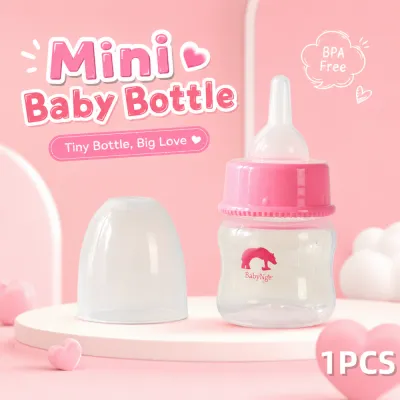
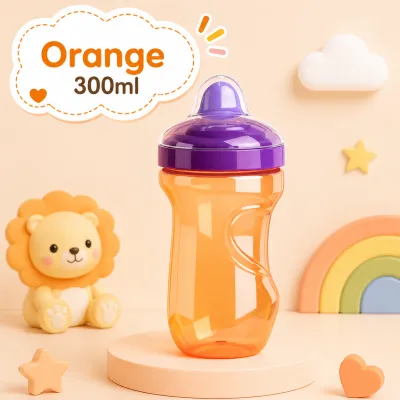
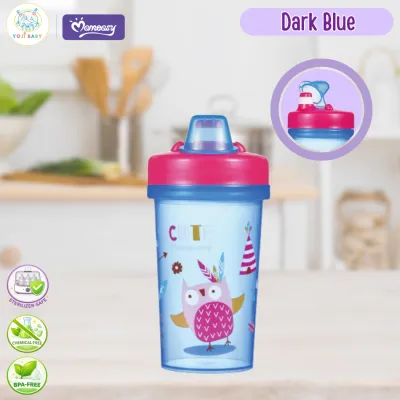
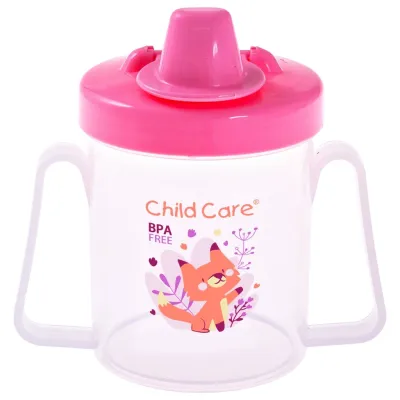

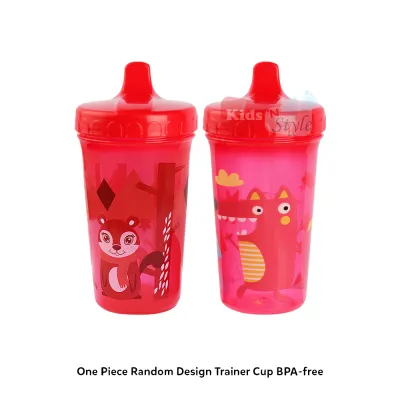
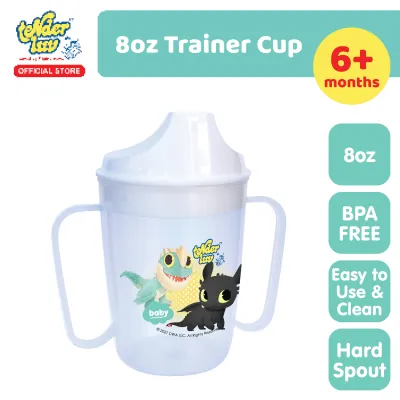
Prices are valid at publication and may change. Please refer to the product page for the latest price.
To determine when your toddler is ready for a new cup style, look for physical readiness signals rather than strictly adhering to age guidelines printed on packaging. Observe whether your child can sit securely in a high chair without slumping, grasp objects with a mature finger-and-palm grip, and coordinate their hands to bring objects directly to their mouth. Additionally, watch their swallowing pattern; if they can swallow purees or soft foods without immediately pushing them out with their tongue, their oral motor coordination is likely ready for basic cup training.
Always verify the recommended age ranges, weight or size limits, and specific method of use directly from the official product documentation. Manufacturer guidelines provide essential safety parameters that are unique to each cup’s design, and relying solely on a product’s name or marketing category can lead to using a cup that is developmentally inappropriate or unsafe for your child’s current stage.
Pediatric dental guidelines often recommend skipping certain transitional phases entirely, such as the prolonged use of hard, traditional sippy spouts. While these cups are highly effective at preventing spills, they require a sucking motion very similar to a bottle nipple, which can keep the tongue in an immature forward position. Limiting or bypassing hard spouts altogether encourages proper tongue retraction and elevation, which are critical for natural speech development, jaw alignment, and the healthy eruption of primary teeth. If your toddler experiences persistent feeding difficulties or speech delays, consult a pediatric dentist or pediatrician for personalized guidance.
Comparing the Main Types of Training Cups
Understanding the structural differences between training cup styles allows you to select the best tool for your child’s current physical abilities. Each design serves a specific developmental purpose, offering distinct advantages and trade-offs in terms of oral development, spill prevention, and ease of use.

Spout Cups (Soft and Hard)
Spout cups are the traditional first step in bottle weaning, featuring a raised mouthpiece that guides liquid into the toddler’s mouth. Soft silicone spouts are highly gentle on emerging teeth and tender gums, making them comfortable for babies who are actively teething during their early transition. Because the soft texture closely resembles a bottle nipple, many infants accept these cups with minimal resistance.
Hard plastic spouts, on the other hand, offer excellent durability against biting and general wear as your toddler grows. However, prolonged reliance on hard spouts can interfere with natural oral development. Because a hard spout rests on the tongue, it prevents the tongue from elevating to the roof of the mouth during swallowing, a movement necessary for mature swallowing patterns. For this reason, hard spout cups are best used as temporary transitional tools rather than long-term drinking solutions.
Straw Cups
Straw cups are highly recommended by pediatric speech and language therapists because they actively promote mature oral motor skills. Drinking through a straw requires your toddler to retract their tongue, seal their lips tightly around the straw, and use their cheek muscles to create suction. This coordinated effort strengthens the facial muscles used in speech production and encourages a mature swallowing pattern.
For younger toddlers who are just learning the mechanics of straw drinking, cups equipped with weighted straws are particularly beneficial. A weighted ball at the bottom of the straw ensures that the straw remains submerged in the liquid, regardless of the angle at which the toddler tilts the cup. This design prevents the frustration of sucking in air when the cup is held upside down or sideways, allowing your child to drink successfully while they learn the physical mechanics of cup handling.
360-Degree (Rim) Cups
360-degree or rim-activated cups feature a flat circular lid with a silicone valve that seals the top completely until pressure is applied. When your toddler places their lips anywhere on the rim and sips, the pressure releases the valve, allowing liquid to flow smoothly. This unique mechanism closely mimics the experience of drinking from a standard open cup while remaining completely spill-proof when dropped or tipped over.
While highly beneficial for teaching the lip-resting posture needed for open cups, the suction required to open the silicone valve can be challenging for some younger toddlers. It requires a distinct biting and sipping coordination that may take time to master. Consequently, 360-degree cups are often best suited for slightly older or more coordinated toddlers who have already transitioned away from bottles and are preparing for standard glassware.
Open Cups
Small, open cups represent the ultimate goal of the transition process, helping toddlers master the precise control required for independent drinking. Using an open cup teaches your child to judge distances, control the rate of liquid flow, and coordinate their breathing while swallowing. Starting with a tiny, lightweight open cup featuring dual handles allows your toddler to practice these skills during supervised meal times.
Although open cups inevitably lead to spills during the learning phase, they are highly beneficial for overall oral health. Because there are no valves or spouts to bite down on, liquid passes directly into the back of the mouth without pooling around the front teeth, reducing the risk of early childhood tooth decay. To manage the mess, keep water levels low—filling the cup with only a few sips at a time—and maintain active caregiver supervision throughout the meal.
Essential Features to Evaluate Before Buying
When browsing physical baby boutiques or online marketplaces, look beyond aesthetic designs and evaluate the specific structural features that impact daily usability, safety, and hygiene. Prioritizing ergonomic and practical design elements will make the cup easier for your toddler to use and simpler for you to maintain.
- Ergonomic Handles: Look for training cups equipped with textured, non-slip, or easy-grip handles designed specifically for small hands. Removable handles are highly advantageous, as they allow you to convert the cup into a standard tumbler shape as your child's grip strength and coordination improve over time.
- Spill-Proof vs. Leak-Proof Mechanisms: It is important to distinguish between these two terms when evaluating product specifications. Leak-proof cups typically utilize tight physical seals and heavy-duty valves that prevent liquid from escaping even when shaken vigorously, though they often require significant suction force from the child. Spill-proof cups automatically close when not in use, preventing major messes when tipped over, but they may release a few drops if dropped from a high chair onto a hard floor.
- Ease of Cleaning: Prioritize designs with a minimal number of parts and no highly complex, hidden chambers. Cups that require multiple intricate valves, internal straws, and rubber gaskets can quickly become breeding grounds for bacteria if not cleaned thoroughly. Look for cups that explicitly state they are dishwasher-safe or come with clear disassembly instructions for hand washing.
- Measurement Marks: Clear, embossed volume indicators on the side of the cup are incredibly helpful for tracking your toddler's daily hydration. These markings allow you to monitor exactly how much water, breast milk, or formula your child is consuming, which is particularly useful during illness or hot summer months when tracking fluid intake is critical.
Material Safety and Hygiene: What to Check on the Label
Ensuring the safety of the materials that come into contact with your toddler’s drinks is paramount. Because dynamic safety standards and product recalls can change, parents must take an active role in verifying product labeling and maintaining strict hygiene practices at home.
When purchasing a training cup, look for explicit material certifications printed directly on the physical packaging rather than relying solely on online product descriptions. Verify that the cup is labeled as “BPA-free” (Bisphenol A) and “BPS-free” (Bisphenol S). High-quality training cups are typically made from food-grade silicone, polypropylene (PP), or Tritan—a highly durable, impact-resistant plastic that does not cloud or retain odors over time.
Before sterilizing your toddler’s cups, carefully consult the manufacturer’s care instructions, as different materials react uniquely to heat. While food-grade silicone and certain plastics can withstand boiling water or steam sterilizers, other materials may warp, crack, or release chemical byproducts when exposed to extreme temperatures. Furthermore, high heat can degrade delicate silicone valves and gaskets, compromising the spill-proof seal and creating tiny gaps where liquid can leak.
In the tropical, highly humid climate of the Philippines, mold prevention requires constant vigilance. Residual milk, formula, or fruit juice left in damp straws, valves, and crevices can rapidly promote bacterial and mold growth within hours. To prevent this, disassemble every component of the cup immediately after use and wash them in warm, soapy water. Use a dedicated, narrow straw brush to clean the interior of straws and valves, and allow all parts to air-dry completely in a well-ventilated area before reassembling the cup.
To protect your toddler’s emerging teeth, practice safe drinking habits throughout the day. Pediatric dentists advise against allowing toddlers to graze on milk, formula, or sugary juices from a training cup over extended periods. Constant sipping bathes the teeth in sugars, which can lead to rapid tooth decay. Limit sweet beverages to designated meal times, and fill the training cup with plain water for general hydration between meals.
Sourcing Authentic Training Cups in the Philippines
Finding safe, authentic training cups in the Philippines requires careful selection of your purchasing channels. Because counterfeit baby products can contain unverified plastics or lead-based pigments, sourcing your child’s tableware from authorized retailers is essential for safety.
To ensure product integrity, purchase training cups from established physical baby specialty stores, major department store baby sections, or official brand flagship stores on reputable e-commerce platforms. These authorized channels maintain direct supply chains with manufacturers, ensuring that the products you buy meet local and international safety standards. Avoid purchasing from unverified third-party sellers who offer premium brands at unusually low prices, as these are often counterfeit goods.
When inspecting a product, look for physical signs of authenticity. Genuine training cups feature high-quality packaging with clear, grammatically correct English labeling, precise brand logos, and often a holographic security seal. Inspect the cup itself for smooth, consistent molding; counterfeit products often have rough edges, misaligned plastic seams, or a strong chemical odor that indicates the use of low-grade materials.
While premium imported brands often feature highly innovative valve designs and exceptionally durable materials, many mid-range options available in Philippine supermarkets offer excellent safety and functionality. Mid-range cups typically range from ₱200 to ₱500, while premium models can range from ₱600 to over ₱1,200. As long as a mid-range cup carries verified BPA-free certifications, features a simple, easy-to-clean design, and passes your physical inspection for structural quality, it can serve as a safe and highly effective training tool for your toddler.
Frequently Asked Questions (FAQ)
When should I stop using a transitional sippy cup?
Pediatric dental and speech specialists generally recommend weaning toddlers off transitional sippy cups with spill-proof valves and spouts by eighteen to twenty-four months of age. Prolonged use of these cups can reinforce immature swallowing patterns and potentially impact dental alignment or speech development. Transitioning your child fully to standard open cups or straw cups without restrictive valves by their second birthday helps support natural oral motor progression and jaw strength.
Can I put hot liquids in a toddler training cup?
No, most toddler training cups are designed strictly for cold, cool, or room-temperature liquids. Pouring hot liquids into a plastic or silicone training cup can cause the material to warp, degrade the airtight silicone seals, and build up internal pressure. This pressure can cause hot liquid to spray out unexpectedly from the straw or spout, posing a severe burn risk to your toddler. Always check the manufacturer’s temperature limits before serving warm drinks, and ensure liquids are lukewarm before filling the cup.
How do I properly clean the inside of a toddler straw cup?
To clean a toddler straw cup thoroughly, completely disassemble all components, including the straw, lid, silicone gaskets, and weighted ball. Rinse each part immediately after use with warm running water to prevent liquid residues from drying inside. Dip a dedicated, narrow straw brush in warm, soapy water and push it completely through the length of the straw several times to scrub away any buildup. Rinse all parts thoroughly, shake off excess water, and lay them out to air-dry completely in a clean, dry area before reassembling the cup to prevent mold growth.
Community discussion
Share your experience or ask a question. Comments are reviewed before publication.