
Selecting the right toothbrush toddler options is one of the earliest and most important steps in establishing a lifelong habit of good oral hygiene. As primary teeth emerge, they require consistent care to prevent early childhood caries, which can impact speech development, nutrition, and the alignment of permanent teeth. Because a child’s mouth and motor skills undergo rapid changes during the first few years, a single brush style cannot serve them from infancy through preschool.
The ideal approach matches the brush design to your child’s specific developmental stage rather than relying solely on chronological age. By understanding the distinct physical transitions—from the eruption of the very first incisor to the arrival of the back molars—caregivers can select tools that protect delicate oral tissues while encouraging independent habits.
Quick Guide to Toothbrush Toddler Options by Age
While age brackets printed on packaging offer a helpful starting point, children develop at highly individualized rates. Some infants cut their first teeth at four months, while others may not show signs of teething until closer to their first birthday. Observing physical milestones, such as your child’s ability to grasp objects or their willingness to tolerate different textures in their mouth, provides the most reliable guide for transitioning to a new brush type.
Products mentioned in this guide
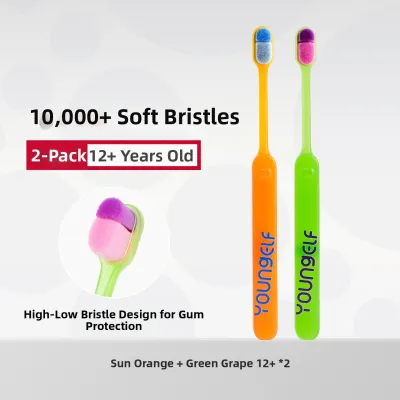
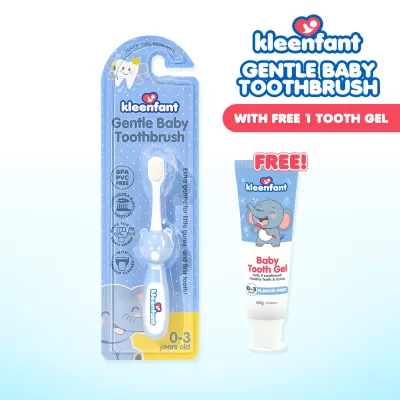
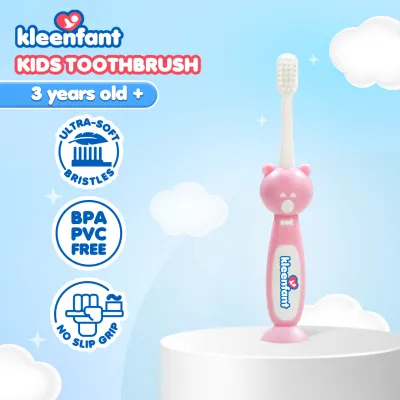
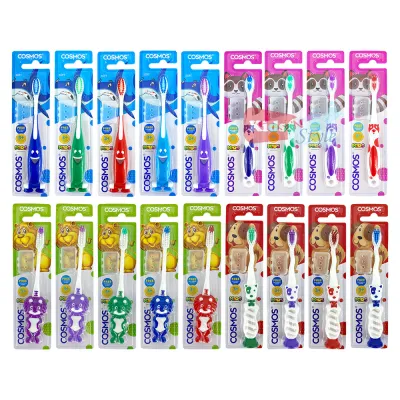
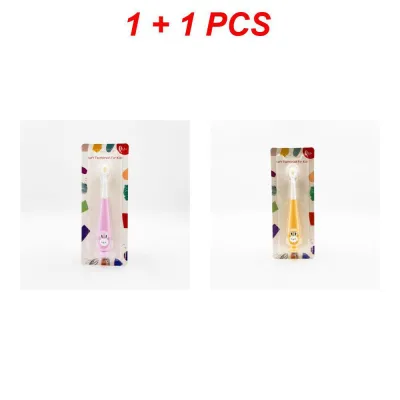
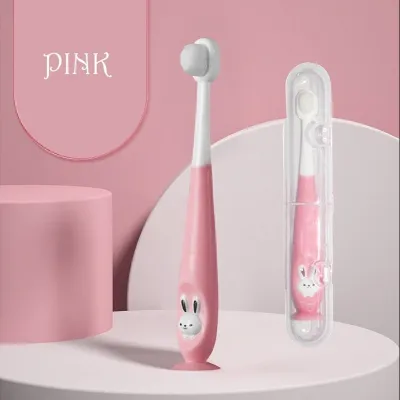
Prices are valid at publication and may change. Please refer to the product page for the latest price.
| Age Range | Developmental Milestone | Recommended Toothbrush Type | Key Features to Look For |
|---|---|---|---|
| 0 to 12 Months | First tooth eruption; limited manual grip | Silicone finger brush or one-piece infant brush | Extra-soft silicone nubs, small head, BPA-free material |
| 1 to 2 Years | Developing palmar grasp (fist grip); mimicking adults | Training toothbrush with a chunky handle | Rounded nylon bristles, compact head, integrated choking guard |
| 2 to 3+ Years | Refining fine motor skills; pincer or modified grip | Standard toddler toothbrush | Soft or extra-soft bristles, non-slip handle, contoured grip |
These developmental milestones serve as general indicators for when to transition your child’s oral care tools. Caregivers must always verify the manufacturer’s specific age and safety guidelines on the product packaging before purchase. Additionally, scheduling a visit with a pediatric dentist provides personalized guidance tailored to your child’s unique dental development.
Stage 1: First Teeth to 12 Months (Silicone and Finger Brushes)
The arrival of the first baby tooth, which typically occurs around six months of age, marks the official beginning of active oral care. At this early stage, the primary objective is to gently cleanse the newly erupted teeth and massage tender gums without causing discomfort. Because infants lack the coordination to hold or control objects precisely, oral hygiene during this phase is entirely parent-led.

For these early months, silicone finger slip-on brushes and soft, one-piece silicone baby brushes are the most appropriate options. These tools feature extremely soft, pliable silicone nubs rather than traditional nylon bristles. The flexible material allows parents to carefully control the pressure applied to delicate gums, making the cleaning process gentler for a teething baby.
When selecting a finger brush, prioritizing food-grade, BPA-free, and phthalate-free silicone is essential for safety. The brush head must be exceptionally small to fit comfortably inside an infant’s mouth without causing a gag reflex. One-piece construction is highly recommended during this stage, as it eliminates the risk of small parts detaching and presenting a choking hazard.
Safety during this stage relies on constant caregiver supervision and proper technique. Parents should gently slide the finger brush over their index finger, ensuring a snug fit that will not slip off during use. If using a handheld silicone brush, look for designs that feature a wide, built-in shield to prevent the brush from being inserted too far into the baby’s mouth. Always consult a pediatric dentist to determine the appropriate time to introduce infant-safe toothpastes or specialized gum cleaners, and to establish a safe routine for your child.
Stage 2: 1 to 2 Years (Training Brushes with Chunky Handles)
As toddlers cross their first birthday, their physical capabilities and desire for independence expand significantly. During this stage, children begin to develop a palmar grasp, which means they hold objects using their entire fist rather than their fingers. They also start to keenly observe and mimic the actions of parents and older siblings, making this the perfect window to introduce the concept of self-brushing.
Training toothbrushes designed for this age group feature thick, chunky handles that are easy for small, developing hands to grip securely. These handles are often made from rubberized, non-slip materials to prevent the brush from slipping out of a wet fist. The brush head is slightly larger than an infant finger brush but remains highly compact to suit a toddler’s small oral cavity.
Unlike the silicone nubs of the first stage, training brushes typically transition to actual nylon bristles. It is crucial that these bristles are labeled as extra-soft and feature rounded ends to protect the child’s developing enamel and sensitive gum tissue. This transition introduces the toddler to the sensation of traditional brushing while keeping the experience comfortable and pain-free.
The primary challenge of this stage is balancing the toddler’s desire for autonomy with the physical reality that they cannot yet clean their teeth effectively. Caregivers should allow the child to practice holding and moving the brush to build motor skills and positive habits. However, a parent must always follow up with a thorough, gentle brushing session to ensure all plaque is removed.
Safety remains a paramount concern during this transitional phase. Parents should select training brushes equipped with built-in choking guards—such as wide collar rings or flared bases—that physically prevent the toddler from pushing the brush too far down their throat. Before every use, carefully inspect the brush for signs of wear, such as loose bristles or cracked plastic, and verify that the product matches the manufacturer’s recommended age range.
Stage 3: 2 to 3 Years and Beyond (Standard Toddler Toothbrushes)
By the time a child reaches two to three years of age, their fine motor skills are more refined, allowing them to transition from a fist grip to a pincer or modified grip. At this stage, most of their primary teeth, including the back molars, have erupted. The presence of these back teeth increases the surface area that requires cleaning and makes reaching the rear of the mouth a top priority.
Standard toddler toothbrushes for this stage resemble miniature versions of adult brushes but are specifically engineered for young mouths. They feature a small, tapered head designed to fit comfortably in the cheek pocket and reach behind the back molars. The handle is typically contoured and lined with non-slip grips, allowing both the child and the parent to hold it securely.
The bristles on these brushes must remain soft or extra-soft to prevent damage to the delicate oral structures. Hard or medium bristles should never be used, as they can cause micro-scratches on the soft enamel of primary teeth and lead to gum recession or irritation. The brush head should ideally be sized to cover approximately one and a half to two toddler teeth at a time, ensuring precise cleaning without triggering the gag reflex.
While toddlers at this stage may show impressive coordination and enthusiasm, they still lack the manual dexterity required to clean the inner, outer, and chewing surfaces of all their teeth. Parent supervision and “finish-up” brushing must continue to be part of the daily routine. Most pediatric dental professionals recommend that parents actively assist with brushing until the child is around seven or eight years old, or when they can easily tie their own shoelaces.
To maintain safety and efficacy, caregivers must regularly check the condition of the brush. Many toddlers have a tendency to bite or chew on the brush head during cleaning, which can rapidly damage the bristles and cause them to splay or fall out. If your child is a frequent chewer, inspect the brush daily and replace it immediately if you notice any structural degradation.
Key Features to Check on Any Toothbrush Toddler Label
Navigating the oral care aisle can be overwhelming due to the sheer volume of options available. To make an informed decision, caregivers should look past colorful cartoon characters and focus on specific, functional features printed on the packaging. Using a consistent checklist ensures that the selected brush is both safe and effective for daily use.
First, verify the bristle softness. The label should explicitly state “extra-soft” or “soft.” Avoid any product that does not clearly specify the bristle texture, and never purchase medium or firm brushes for a young child. Soft bristles are highly effective at removing plaque when used with the correct technique, and they pose no risk to tender gums.
Second, evaluate the brush head size. A practical visual rule of thumb is to choose a brush head that covers no more than two of your child’s teeth simultaneously. A head that is too large will make maneuvering around the tight corners of a toddler’s mouth difficult, often leading to missed spots along the gumline and back molars.
Third, examine the handle design. Look for ergonomic shapes that feature rubberized, textured grips. These materials prevent the brush from slipping when wet, which is especially important since toddlers often drool or wet the handle during use. A secure grip helps the child maintain control and reduces the risk of accidental slips that could poke the back of the throat.
Fourth, check for material safety certifications. Ensure the packaging clearly states that the toothbrush is BPA-free, phthalate-free, and made from non-toxic materials. Inspect the overall construction to confirm there are no glued-on decorative elements or thin plastic parts that could peel off and become choking hazards.
Finally, always read and respect the manufacturer’s specific age, weight, or developmental guidelines printed on the package. These guidelines are established to match the physical dimensions and safety needs of children at specific stages. If you are ever uncertain about a product’s suitability, consult your pediatric dentist for a professional recommendation.
When to Replace Your Toddler's Toothbrush
Maintaining a clean and functional toothbrush is just as important as choosing the right style. Over time, physical wear reduces the cleaning efficiency of the bristles, while the warm, damp environment of a bathroom can encourage the growth of microscopic organisms. Establishing a regular replacement schedule is vital for your child’s oral health.
As a general rule, a toddler’s toothbrush should be replaced every three to four months. However, because young children often bite or chew on their brushes, they may require replacement much sooner than an adult’s brush. Caregivers should perform a quick visual inspection of the brush every week to check for signs of wear.
Immediate replacement is necessary if you observe any of the following visual signals:
- Frayed, splayed, or bent bristles that no longer stand upright
- Bristles that are falling out or feel loose
- Discoloration or dark spots near the base of the bristles, which may indicate mold or bacterial accumulation
- Cracks, deep chew marks, or peeling rubber on the handle
Proper hygiene and storage practices can help extend the life of the brush and keep it safe between uses. After each brushing session, rinse the toothbrush thoroughly under running water to remove all remaining toothpaste and food debris. Shake off excess water and store the brush upright in an open holder or cup.
In humid tropical climates, such as in the Philippines, preventing mold growth requires extra care. Avoid storing the toothbrush in closed cabinets, drawers, or plastic travel caps, as these dark, unventilated spaces trap moisture and create an ideal breeding ground for bacteria. Instead, keep the brush in a well-ventilated area where it can air dry completely between uses.
Additionally, always replace your toddler’s toothbrush immediately after they recover from an infectious illness, such as a severe cold, flu, or oral thrush. Pathogens can linger on the bristles long after recovery, posing a risk of reinfection if the same brush is used again. Keeping a spare, unopened toothbrush in your cupboard ensures you are always prepared to make a quick switch when needed.
Frequently Asked Questions (FAQ)
Can I use an adult toothbrush with soft bristles for my toddler?
No, you should never use an adult toothbrush for a toddler, even if the bristles are labeled as soft. Adult brush heads are far too large for a toddler’s small mouth, making it nearly impossible to clean the tight spaces around the back molars. The long, rigid handles of adult brushes are also difficult for a toddler to control, significantly increasing the risk of accidental slips, gum trauma, or triggering a painful gag reflex. Always select a toothbrush specifically sized and safety-graded for your child’s developmental stage.
Should I choose an electric or manual toothbrush for my toddler?
Both manual and electric toothbrushes can be highly effective when used correctly under close parental supervision. Manual toothbrushes are excellent for early developmental stages, travel, and teaching the basic physical motions of brushing. Electric toddler toothbrushes, which feature small, vibrating heads and extra-soft bristles, can be a valuable tool for older toddlers who resist brushing, as the gentle vibrations can make the process feel more engaging. However, before introducing an electric model, always verify the manufacturer’s minimum age recommendation, ensure your child is comfortable with the sound and vibration, and maintain strict supervision to prevent injury.
How do I clean and store a silicone finger brush?
To clean a silicone finger brush, wash it thoroughly with warm, soapy water immediately after each use to remove saliva and oral residue. Depending on the manufacturer’s specific care instructions, many food-grade silicone finger brushes can also be sterilized in boiling water or a steam sterilizer. After cleaning, shake off any excess water and place the brush in a clean, dry, and well-ventilated area to air dry completely. Avoid storing it in airtight containers or damp spots, especially in humid environments, to prevent the growth of mold and bacteria.
Community discussion
Share your experience or ask a question. Comments are reviewed before publication.