
A toddler’s oral environment changes rapidly as they transition from milk to solid foods. In the tropical climate of the Philippines, where high humidity can create a breeding ground for bacteria, maintaining proper oral hygiene is crucial for your child’s overall health. While many parents focus entirely on brushing tiny teeth, using a dedicated tongue cleaner for toddler hygiene is an essential step to address the buildup of milk residue, food particles, and bacteria on the tongue. Choosing the right tool requires understanding material safety, ergonomic design, and developmental appropriateness to ensure a safe and comfortable experience for your little one.
Why Your Toddler Needs a Dedicated Tongue Cleaner
As toddlers transition to a varied diet of solid foods, milk, and juices, their mouths become home to a wider range of food residues. Soft purees, starchy snacks, and milk easily leave a fine film on the surface of the tongue. Over time, natural oral bacteria feed on these trapped residues, leading to a coated tongue and potentially causing bad breath. Regular cleaning helps sweep away these particles, promoting a fresher mouth and healthier oral environment.
There is a significant developmental difference between infant oral care and toddler oral care. Infant gum wipes or soft gauze are excellent for newborns with smooth gums and limited oral space. However, as a child reaches toddlerhood—typically between 12 and 36 months—their oral anatomy changes. They develop a larger tongue surface area, more active taste buds, and more pronounced papillae, which are the tiny bumps on the tongue where food debris can easily hide. Infant wipes are no longer textured enough to lift these stubborn particles, while adult tongue scrapers are far too large, rigid, and aggressive for a toddler’s small mouth and sensitive gag reflex.
Products mentioned in this guide
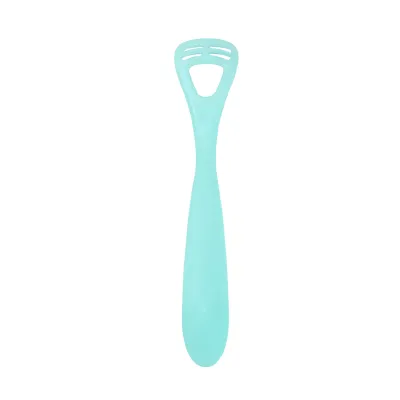
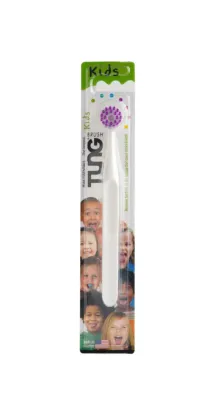
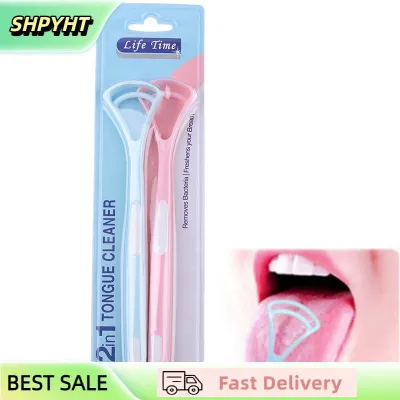
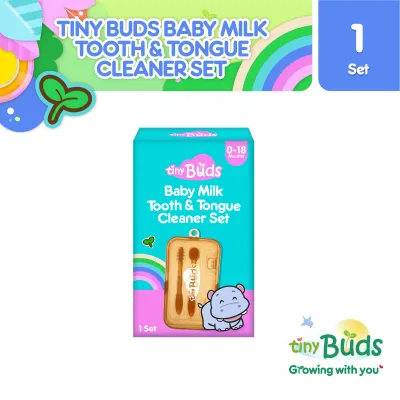
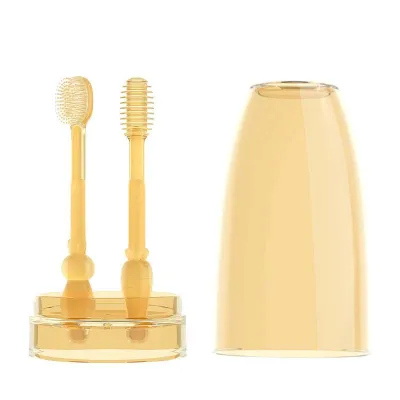
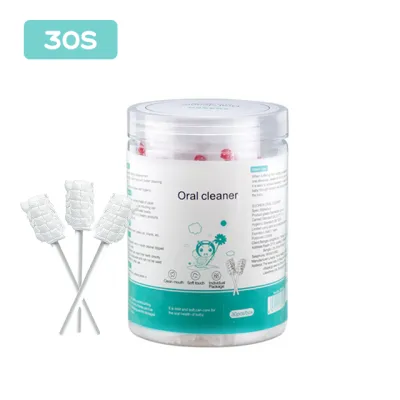
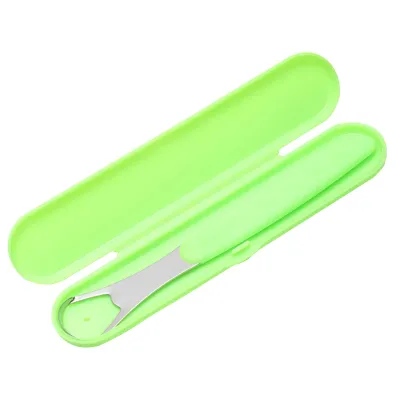
Prices are valid at publication and may change. Please refer to the product page for the latest price.
It is important to remember that tongue cleaning is a supportive daily hygiene practice. It works in tandem with, but does not replace, regular tooth brushing, fluoride treatments, and professional pediatric dental check-ups. Keeping the tongue clean simply ensures a healthier oral environment, reducing the overall bacterial load in your child’s mouth.
How to Choose a Safe and Effective Tongue Cleaner
When shopping for oral care tools in the Philippines, material safety must be your top priority. The oral cavity is highly absorptive, meaning any tool placed inside your child’s mouth must be completely non-toxic. Always inspect the product packaging to verify that the tool is made from 100% food-grade silicone or high-quality, BPA-free, and phthalate-free plastics. Look for explicit labels indicating that the materials are certified safe for oral use, and avoid unbranded products that do not clearly specify their material composition.

An ergonomic, toddler-friendly design is essential for a smooth cleaning routine. A toddler’s mouth is small, and their gag reflex is highly sensitive. The head of the tongue cleaner should have a low-profile, flat design that can slide into the mouth easily without pressing against the soft palate. Additionally, the handle should feature a non-slip, comfortable grip. Since caregivers usually perform or closely supervise the cleaning, the handle must fit comfortably in an adult hand while remaining lightweight enough for a toddler to hold if they are practicing.
Always check the manufacturer’s specified age recommendations on the packaging before purchasing. Oral care tools are strictly categorized by developmental stages. A tool designed for an older child or an adult can pose serious choking risks, cause micro-tears in delicate oral tissues, or trigger a severe gag reflex that could make your toddler fearful of oral hygiene routines. Never assume a product is suitable for a toddler based on its name alone; verify the age range printed on the packaging.
In the humid tropical climate of the Philippines, moisture can quickly lead to mold and bacterial growth on damp oral care tools. Therefore, you must choose a tongue cleaner that is easy to sanitize. Check the manufacturer’s instructions to see if the tool can be safely boiled, placed in a steam sterilizer, or washed on the top rack of a dishwasher. After cleaning, store the tool upright in a well-ventilated, dry area to prevent moisture accumulation. Avoid storing damp tools in enclosed plastic cases.
Types of Toddler Tongue Cleaners Available in the Philippines
Parents in the Philippines can find a variety of oral care products through local baby boutiques, pharmacies, and reputable online marketplaces. Understanding the different designs allows you to select a tool that matches your child’s sensory tolerance and level of cooperation. Always verify the manufacturer’s age rating for any specific product before making a purchase.
Silicone Finger Cots and Brushes
Silicone finger cots are sleeve-like devices that fit snugly over a caregiver’s index finger, featuring soft silicone ridges on one side and tiny nubs on the other. This design provides caregivers with maximum control and tactile feedback, allowing you to feel exactly how much pressure you are applying inside your toddler’s mouth. They are excellent for younger toddlers around 12 months old who are transitioning from infant gum care and may still be sensitive to hard plastic handles. However, caregivers must ensure a tight, secure fit on their finger. If the cot is too loose, it can slip off during use, presenting a severe choking hazard. Always supervise your child during oral care and inspect the silicone for any tears or thinning before use.
Soft-Bristle Tongue Brushes
These tools closely resemble standard toothbrushes but are designed with specific modifications for the tongue. Instead of long, stiff nylon bristles, they feature ultra-soft, micro-fine bristles or rounded silicone nubs arranged in a wide, flat pattern. This flat profile is designed to sweep across the tongue’s papillae without triggering the gag reflex. They are highly suitable for older toddlers who are learning to hold their own oral care tools and mimic their parents’ routines. When choosing a tongue brush, look for models that include a built-in choke guard or safety shield—a wide plastic ring near the head that physically prevents the brush from being pushed too far back into the throat.
U-Shaped or Gentle Tongue Scrapers
While adult tongue scrapers are often made of rigid stainless steel or copper, toddler-specific scrapers are made of soft, flexible silicone or gentle, rounded plastics. These tools feature a U-shape or a slightly curved, flexible bar that gently glides over the tongue to lift and sweep away residue. They are highly efficient at removing thick milk coatings, but they require a cooperative toddler who can hold their tongue still. When using a scraper, you must apply minimal pressure. The flexible silicone edge is designed to lift debris naturally; pressing down hard can scrape or irritate the delicate taste buds, causing discomfort and making your child resistant to future cleaning sessions.
Step-by-Step Guide to Safely Cleaning Your Toddler's Tongue
Before starting, wash your hands thoroughly with soap and water. Inspect the tongue cleaner under good light for any signs of wear, discoloration, peeling, or tearing; if any damage is visible, discard the tool immediately. Position your toddler securely to prevent sudden movements. A great setup is having the toddler sit on your lap facing a mirror, or securing them in a high chair with their head resting gently against your arm or chest. Ensure the room is well-lit so you can clearly see the inside of their mouth.
Gently encourage your toddler to open wide and stick out their tongue. You can make this fun by playing “copycat” or making silly faces together. Once the tongue is extended, place the clean, slightly damp tongue cleaner on the back third of the tongue. Do not place it too far back near the throat. Gently glide the tool forward toward the tip of the tongue in a single, smooth, outward stroke. Rinse the tool with clean water to wash away the lifted residue, and repeat this motion 2 to 3 times. Remember to use extremely light pressure—let the texture of the silicone or bristles lift the debris naturally.
Oral hygiene should never be a battle of force. If your toddler gags excessively, shows signs of distress, cries, or actively resists, stop the process immediately. Forcing a tool into a struggling child’s mouth increases the risk of choking, gagging, vomiting, or causing physical injury to the gums and throat. Additionally, if you notice any redness, bleeding, swelling, or irritation on the tongue or inner cheeks, halt use and inspect the tool or consult a professional.
While a light white coating from milk is normal, a persistent, thick, curd-like white patch on the tongue, inner cheeks, or gums that does not wipe away easily may indicate oral thrush (a common fungal infection). If you suspect thrush, or if your toddler consistently cries or experiences pain during oral cleaning, stop using all tongue-cleaning tools and schedule a visit with a pediatric dentist or pediatrician. They can provide a proper diagnosis and recommend safe, targeted treatments.
Common Mistakes to Avoid When Buying Toddler Oral Care Tools
One of the most common mistakes is using adult-sized tongue scrapers, adult toothbrushes, or household items like metal spoons to clean a toddler’s tongue. Adult tools are too large, rigid, and sharp for a toddler’s small mouth. They can easily bruise delicate oral tissues, damage taste buds, or cause severe choking. Always purchase tools specifically engineered and sized for toddlers.
With the convenience of online marketplaces, it is easy to stumble upon unbranded, unusually cheap oral care items. Avoid buying these unverified products. They often lack proper material safety certifications and may contain harmful chemicals like lead, phthalates, or industrial-grade plastics. Always purchase from reputable brands that provide clear manufacturer contact details, precise material specifications, and clear age-grading on the packaging.
Toddlers have a natural tendency to swallow whatever is placed in their mouths. Never use adult mouthwashes, whitening gels, or harsh chemical cleaners on a toddler’s tongue cleaner. These products contain high concentrations of alcohol, fluoride, or strong chemicals that are unsafe for toddlers to swallow. Typically, only clean water or a tiny, rice-grain-sized smear of toddler-safe, fluoride-free or low-fluoride toothpaste (as recommended by your dentist) is needed.
Frequently Asked Questions (FAQ)
At what age should I start using a tongue cleaner for my toddler?
While infant oral hygiene begins with gently wiping the gums and tongue with a soft damp cloth, a dedicated tongue cleaner is typically introduced when your child transitions to a solid food diet, usually between 12 and 18 months. At this stage, more taste buds develop, and solid food debris accumulates more easily. Always consult your pediatric dentist and refer to the manufacturer’s age guidelines on the product packaging before introducing a new tool.
Can I use a regular toddler toothbrush to clean my child's tongue?
Yes, you can use a regular, ultra-soft toddler toothbrush to gently clean the tongue’s surface. However, dedicated tongue cleaners are often more effective because they feature wider, flatter heads, specialized silicone nubs, or gentle scraping edges designed specifically to lift debris from the tongue’s papillae. These specialized designs are also less likely to trigger the gag reflex compared to the taller profile of a standard toothbrush head.
How often should I clean my toddler's tongue?
Cleaning your toddler’s tongue once a day is generally sufficient. Incorporating this step into their evening tooth-brushing routine is an excellent way to clear away the day’s food and milk residue before sleep. However, oral hygiene needs can vary, so it is always best to check with your pediatric dentist to establish a personalized routine tailored to your child’s specific dental development and dietary habits.

Community discussion
Share your experience or ask a question. Comments are reviewed before publication.