
Understanding how to care for your baby’s skin is a fundamental part of early caregiving, especially during the first few years of life when their skin is still developing. An infant’s skin is approximately 30 percent thinner and significantly more permeable than adult skin. This structural difference means that while a baby’s skin absorbs moisture rapidly, it also loses it just as quickly through transepidermal water loss. In a tropical environment like the Philippines, where high humidity and elevated temperatures are constant daily realities, these physiological traits make babies highly susceptible to environmental changes, sweat accumulation, friction, and sudden irritation.
To support this delicate barrier, caregivers often turn to trusted brands like Tender Care. However, selecting the right product requires understanding that the Tender Care line—comprising baby powder, baby oil, and baby lotion—is not a collection of interchangeable items. Each format is a specialized tool engineered for distinct skincare tasks rather than a one-size-fits-all solution. To ensure safety and efficacy, caregivers must always read product labels carefully, checking for specific age recommendations, complete ingredient lists, and manufacturer warnings before introducing any new formula to their child’s daily routine.
Tender Care Baby Powder: Managing Moisture and Friction
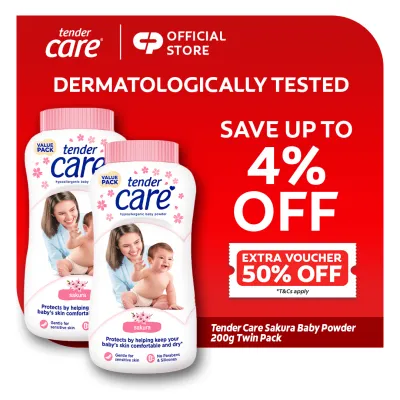
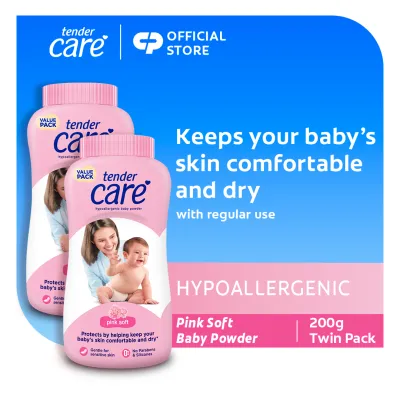
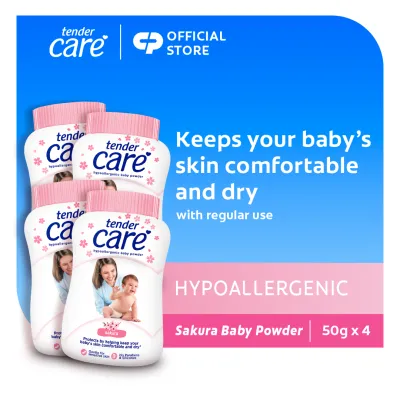
Tender Care baby powder is a classic staple in many households, valued for its ability to absorb excess moisture and reduce friction. In the warm, humid climate of the Philippines, babies frequently experience sweat accumulation in their natural skin folds, such as around the neck, thighs, underarms, and elbows. The primary benefit of baby powder is its capacity to keep these friction-prone areas dry, thereby preventing painful chafing and the development of heat rash. By creating a smooth, dry barrier, powder minimizes the constant rubbing of skin against skin or skin against clothing.
Products mentioned in this guide
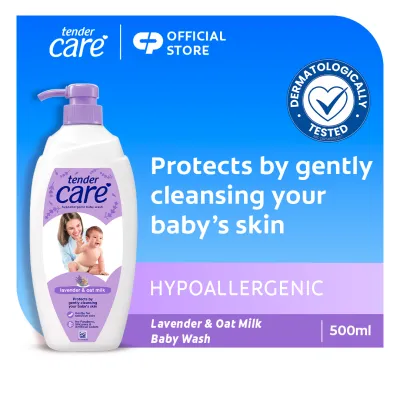
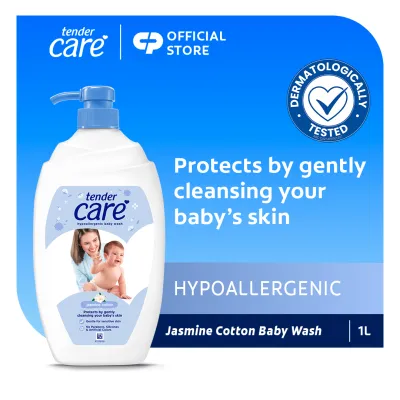
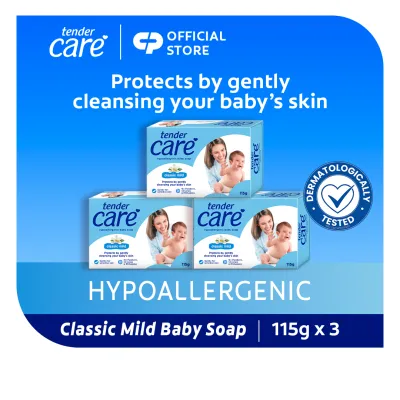
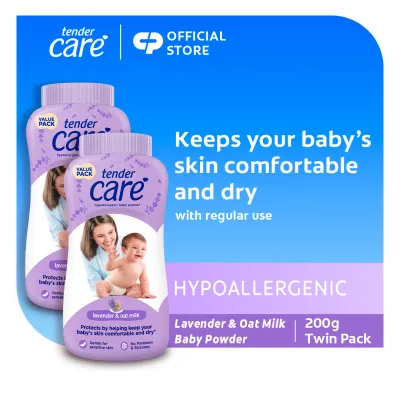
![[BUY 2 FREE 1] Tender Care Pink Soft Baby Powder - Hypoallergenic & Dermatologically Tested 100g Value Pack of 3](https://img.lazcdn.com/g/p/1a198013be52a2f9fc4725516f9fb01d.png_400x400q80.png_.webp)
Prices are valid at publication and may change. Please refer to the product page for the latest price.
However, baby powder has clear limitations that caregivers must respect. It is not a moisturizing agent; rather, its function is strictly drying. If applied to skin that is already wet, sweaty, or poorly dried after a bath, the powder can clump into abrasive paste-like particles. This clumping can trap moisture against the skin and actually worsen the very irritation it was meant to prevent. Furthermore, baby powder should never be applied to active, weeping, or severely inflamed diaper rashes, as the fine particles can aggravate broken skin and interfere with healing.
Safety boundaries are paramount when using any powdered product around an infant. The primary risk associated with baby powder is respiratory irritation or distress caused by the accidental inhalation of fine airborne particles. To mitigate this risk, caregivers must never shake powder directly onto the baby’s body or near their face. Instead, the correct technique is to shake a small amount of powder directly into the caregiver’s own hands at a safe distance from the baby. The caregiver should then rub their hands together to distribute the powder and gently pat it onto the baby’s completely dry skin folds, ensuring none of the product becomes airborne near the child’s nose or mouth.
Before purchasing or applying baby powder, caregivers should thoroughly inspect the product packaging. It is essential to confirm whether the specific formula is talc-free or cornstarch-based, as modern pediatric recommendations heavily favor starch-based alternatives to minimize inhalation risks. Always check the label for the manufacturer’s age guidelines and specific instructions to ensure the product is suitable for your child’s developmental stage.
Tender Care Baby Oil: Locking in Moisture and Massage
Tender Care baby oil serves as an excellent occlusive agent, designed specifically to lock in existing moisture and protect the skin barrier from external irritants. When applied immediately after a bath while the baby’s skin is still damp, the oil forms a thin, protective seal that traps water molecules within the stratum corneum. This makes it highly effective for targeted dry patches. Additionally, baby oil provides the perfect lubrication for gentle infant massage, a practice that not only promotes bonding but also aids in relaxation and healthy circulation. Another common application is the management of cradle cap (seborrheic dermatitis); applying a few drops of oil to the scalp can help soften and gently loosen stubborn, dry scales before bathing.

Despite these benefits, baby oil must be used with caution, particularly in tropical regions. Because oil is highly occlusive, it can feel heavy and greasy on the skin. If applied too thickly or over large areas of the body in hot, humid weather, it can trap body heat and block sweat glands. This blockage often leads to the development of miliaria, commonly known as heat rash or bungang-araw. Therefore, full-body oil applications are generally discouraged during hot seasons or in homes without active air conditioning.
To achieve the best results without compromising the baby’s comfort, proper application techniques are crucial. Caregivers should use baby oil sparingly, starting with just a few drops. Warm the oil by rubbing it between your palms before gently massaging it onto the baby’s skin using light, outward strokes. Avoid applying oil to areas prone to heavy sweating, such as the back, chest, and deep skin folds, unless specifically treating a localized patch of dry skin or cradle cap.
Ingredient awareness is another vital step for caregivers. It is important to check the product label to determine whether the formulation is mineral oil-based or derived from plant-based oils. While mineral oil is highly refined, hypoallergenic, and excellent for barrier protection, some babies with extremely sensitive skin or pre-existing conditions may react to added fragrances. Always verify the ingredient list for any potential allergens or strong scents that might trigger a reaction on your baby’s delicate skin.
Tender Care Baby Lotion: Daily Hydration for Dry Skin
Tender Care baby lotion is formulated to provide daily hydration and support the natural development of the skin’s moisture barrier. Unlike oils, which act primarily as occlusive seals, lotions are emulsions of water and oil that actively deliver hydration directly into the skin cells while leaving a light, breathable protective layer. This makes baby lotion the ideal choice for treating general dry, flaky skin and maintaining overall skin softness on a day-to-day basis, especially for babies who spend significant time in air-conditioned rooms where the air is stripped of moisture.
However, caregivers must understand the limitations of standard commercial baby lotions. While highly effective for daily maintenance and mild dryness, standard lotions are not designed to treat severe, medically diagnosed skin conditions such as moderate-to-severe atopic dermatitis (eczema). Eczema-prone skin has a severely compromised barrier that usually requires specialized, fragrance-free, deeply emollient creams or prescribed therapeutic ointments rather than lightweight daily lotions. Using a standard scented lotion on active eczema flare-ups can cause burning, redness, and further irritation.
When selecting a baby lotion, caregivers should pay close attention to the product’s formulation details on the label. Look for clear indications such as “hypoallergenic,” “clinically tested,” and “pH-balanced” to ensure the formula aligns with the naturally slightly acidic pH of healthy baby skin. It is highly recommended to choose formulas that are free from harsh chemical preservatives, parabens, and overpowering fragrances, particularly if your baby has a history of skin sensitivity or reactive rashes.
For maximum absorption and efficacy, timing is everything when applying baby lotion. The optimal window is within three to five minutes after a bath. After gently patting the baby’s skin with a soft towel—leaving it slightly damp rather than bone-dry—apply a generous amount of lotion over the body. This technique helps trap the surface water on the skin, maximizing the hydrating benefits of the emulsion and keeping the baby’s skin supple and comfortable throughout the day.
Matching Tender Care Products to Specific Skin Concerns
To simplify the decision-making process, caregivers can map their baby’s immediate skin observations directly to the most appropriate product format. Choosing the wrong format can exacerbate skin issues, so understanding which product excels under specific conditions is essential for safe and effective care.
The following table outlines how to match common baby skin concerns with the appropriate Tender Care product format, highlighting why each works and what caregivers should avoid:
Matching Tender Care Formats to Common Baby Skin Needs
| Skin Concern | Recommended Format | Why It Works | What to Avoid |
|---|---|---|---|
| General Dryness & Flaking | Baby Lotion | Delivers lightweight, breathable hydration and supports daily skin barrier health. | Avoid heavy oils over the entire body in hot weather; avoid heavily fragranced formulas on cracked skin. |
| Skin Fold Friction & Sweat | Baby Powder | Absorbs excess moisture in folds (neck, thighs) and reduces chafing from clothing or movement. | Avoid applying to wet skin, which causes clumping; never shake powder near the baby's face. |
| Post-Bath Moisture & Massage | Baby Oil | Creates an occlusive seal on damp skin to lock in moisture; provides excellent slip for massage. | Avoid thick, heavy applications that can trap heat and block sweat glands in humid environments. |
| Cradle Cap Scales | Baby Oil | Softens dry, crusty scales on the scalp, making them easier to gently brush away during bathing. | Avoid leaving the oil on the scalp for extended periods without washing it out, as it can trap yeast. |
| Diaper Area Protection | Dedicated Barrier Cream | Formulated with zinc oxide or petroleum jelly to block wetness and protect broken skin. | Avoid powders and standard oils on broken or weeping diaper rash, as they can cause severe irritation. |
It is critical to highlight the limitations of standard skincare lines regarding diaper rash. The diaper area is a harsh environment characterized by constant moisture, friction, and exposure to acidic waste. If the skin in this area becomes broken, weeping, or intensely red, standard baby powders and oils are not appropriate. Powders can clump and harbor bacteria, while oils can trap moisture against already damaged skin. Instead, caregivers must use a dedicated diaper barrier cream—typically containing zinc oxide—which provides a physical shield against moisture.
Ultimately, while home care and proper product selection can resolve minor skin issues, caregivers must remain vigilant. If any skin condition worsens, begins to ooze pus, develops a foul odor, or fails to show improvement after a few days of consistent, gentle care, it is time to stop using all over-the-counter products. Caregivers should immediately consult a pediatrician or pediatric dermatologist to obtain an accurate diagnosis and appropriate medical treatment.
Safe Application and When to Seek Professional Help
Before incorporating any new Tender Care product into a baby’s daily regimen, performing a patch test is a vital safety precaution. Even products labeled as hypoallergenic can occasionally trigger localized sensitivities in exceptionally delicate infants. To conduct a patch test, apply a tiny amount of the product to a small, clean, and discreet area of the baby’s skin, such as the inner forearm or the side of the neck. Monitor this area closely for 24 hours. If any signs of redness, swelling, tiny bumps, or itching develop, wash the area immediately and discontinue use of that specific product. If the skin remains clear and calm after 24 hours, the product is generally safe for broader application.
Environmental factors also play a major role in how a baby’s skin reacts to topical products. In tropical climates like the Philippines, weather patterns shift dramatically between hot, dry months and wet, monsoon seasons. Caregivers should adjust their baby’s skincare routine accordingly. During peak summer months, prioritize lighter, water-based lotions and minimize the use of heavy oils to prevent clogged pores and heat rashes. Conversely, during cooler rainy seasons or if the baby spends hours in air-conditioned environments, increasing the use of moisturizing lotions or targeted oils on dry patches can help combat the drying effects of artificial cooling.
While proactive skincare is highly beneficial, caregivers must recognize clear medical red flags that require professional intervention. You should immediately cease the use of all non-prescribed skincare products and seek prompt pediatric advice if you observe any of the following symptoms:
- Signs of localized infection, such as skin that feels hot to the touch, oozes yellow pus, or exhibits swelling.
- Severe, widespread peeling, cracking, or bleeding of the skin.
- A persistent, spreading red rash that does not respond to standard hygiene adjustments within 48 hours.
- The sudden appearance of hives (raised, itchy red welts) or any systemic signs of an allergic reaction, including facial swelling or difficulty breathing, which demand emergency medical care.
Frequently Asked Questions (FAQ)
Can I use Tender Care powder and lotion together?
Yes, both products can be integrated into your baby’s overall skincare routine, but they should never be mixed directly or applied to the exact same spot at the same time. Applying powder over lotion, or vice versa, causes the powder to clump into a thick, abrasive paste that can trap moisture and severely irritate your baby’s skin. The safest approach is to use baby lotion for general body hydration, allowing it to absorb completely into the skin. Afterward, you can apply a small amount of powder strictly to dry, friction-prone skin folds where moisture control is needed.
Is it safe to use baby oil on a newborn's face?
It is generally recommended to exercise extreme caution when applying baby oil to a newborn’s face. A newborn’s facial skin is exceptionally delicate, thin, and prone to developing milia—tiny, harmless white bumps caused by trapped keratin—as well as clogged pores. Heavy oils can easily block their undeveloped sweat and oil glands. Always check the specific product packaging for age restrictions and facial safety guidelines. For daily facial hygiene, a soft washcloth dampened with plain, warm water is usually sufficient and much safer than applying heavy oils.
How often should I moisturize my baby's skin in a humid climate?
In highly humid tropical climates, babies typically do not require heavy or frequent full-body moisturization unless they have naturally dry skin conditions or are regularly exposed to drying environments like air-conditioned rooms. Excess lotion in a humid environment can sometimes combine with sweat to cause discomfort or clogged pores. It is best to observe your baby’s skin daily. Apply a light, breathable baby lotion primarily after bath time to lock in natural moisture, or spot-treat specific areas only when they feel rough, dry, or flaky to the touch.

Community discussion
Share your experience or ask a question. Comments are reviewed before publication.