
The arrival of a baby’s first tooth is a major developmental milestone, but the accompanying discomfort can be challenging for both infants and parents. Finding safe, practical, and effective teething pain relief for baby is essential to ease this transitional phase. In the Philippines, where high humidity and warm temperatures require extra care regarding product hygiene, choosing the right relief options involves balancing safety, material quality, and maintenance needs. From simple textured silicone rings to cooling teethers, understanding the options available in local baby boutiques and online marketplaces helps ensure your child remains comfortable and safe.
Recognizing Teething Signs Before Buying Relief Products
Before purchasing any teething accessories, it is important to confirm that your baby’s discomfort is actually caused by emerging teeth. Around three to six months of age, infants naturally enter a developmental stage characterized by increased saliva production and a strong urge to explore objects with their mouths. While these behaviors are normal parts of oral development, true teething is typically marked by a sudden, intense escalation in drooling, accompanied by localized gum sensitivity and a persistent need to chew on firm surfaces.
You can often identify active teething by looking for physical changes inside your baby’s mouth. The gums may appear swollen, red, or slightly bruised where a tooth is preparing to break through the surface. This localized pressure often causes mild irritability, temporary disruptions in sleep patterns, and a tendency to pull at the ears or rub the cheeks, as the nerves in the jaw share pathways with those in the surrounding facial areas.
Products mentioned in this guide
Prices are valid at publication and may change. Please refer to the product page for the latest price.
It is crucial to distinguish normal teething symptoms from signs of systemic illness to avoid delaying necessary medical care. Teething does not cause high fevers, severe diarrhea, vomiting, or extreme lethargy. While a baby might experience a very mild, temporary elevation in body temperature (sometimes referred to as a teething flare), any fever reaching 38°C (100.4°F) or higher indicates an infection or other medical issue that requires a consultation with a pediatrician rather than the use of a teething toy.
Understanding the typical timeline of tooth eruption can help you anticipate when to introduce specific relief products. For most infants, the lower central incisors are the first to emerge, usually between six and ten months of age, followed closely by the upper central incisors. Knowing when these developmental shifts occur allows you to select age-appropriate teething solutions that match your baby’s changing chewing patterns and oral structure.
Safety and Selection Checklist for Baby Teething Products
When shopping for teething relief products in local stores or online platforms, safety must be your primary consideration. Because these items are designed to be placed directly into your baby’s mouth for extended periods, they must meet rigorous safety standards. Always prioritize products made from food-grade silicone, medical-grade silicone, or 100% natural rubber, and verify that the packaging explicitly certifies the item is free from Bisphenol A (BPA), phthalates, lead, and polyvinyl chloride (PVC).

Structural integrity is another vital aspect of the selection process. Carefully examine the physical construction of any teether before purchasing, looking for solid, one-piece designs that do not contain small, detachable parts or decorative elements that could break off and present a choking hazard. Avoid teething toys with long cords, ribbons, or necklaces, as these pose a severe risk of strangulation and should never be placed around a baby’s neck or attached to their clothing during unsupervised sleep.
Ingredient safety is particularly critical when evaluating topical relief options like gels and balms. Pediatric health organizations strongly warn against using over-the-counter teething gels that contain local anesthetics such as benzocaine or lidocaine. These active ingredients can be absorbed into the bloodstream and, in rare cases, cause a life-threatening condition called methemoglobinemia, which severely limits the blood’s ability to carry oxygen throughout the body.
Finally, always cross-reference the product’s recommended age and weight guidelines with your baby’s current developmental stage. A toy designed for an older infant with emerging molars may be too heavy, large, or rigid for a younger baby who is only beginning to experience gum sensitivity. Checking the manufacturer’s official documentation ensures that the product is physically suitable and safe for your child’s specific age group.
Comparing the Best Types of Teething Pain Relief for Baby
Solid Silicone and Natural Rubber Teethers
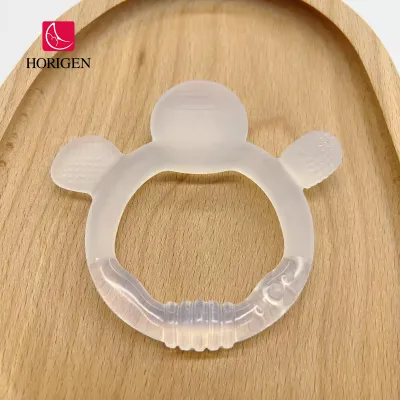
One-piece solid teethers made of high-quality silicone or natural rubber are widely considered some of the safest and most durable options available. Because these products are molded as a single, continuous piece, they lack hollow internal chambers where moisture can trap, making them exceptionally hygienic and easy to clean. They are also highly resilient, standing up to the constant pressure of sharp primary teeth without tearing or flaking.
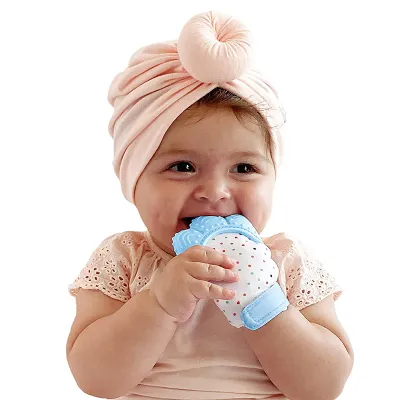
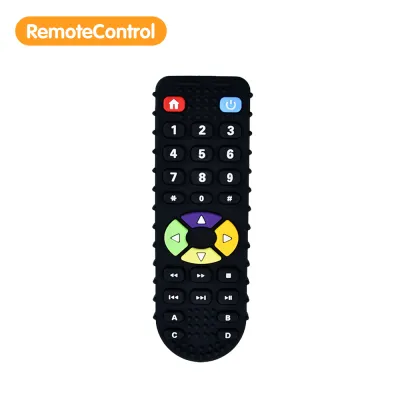
The surface textures of solid teethers play a major role in how effectively they soothe irritated gums. Many designs feature raised bumps, ridges, or soft brush-like bristles that target different areas of the mouth. When a baby bites down on these textured surfaces, the counter-pressure helps massage the gums, temporarily relieving the dull ache associated with teeth pushing through the tissue.
When choosing between silicone and natural rubber, consider the firmness and elasticity of the material. Silicone tends to be slightly firmer and holds its shape exceptionally well, making it ideal for babies who prefer firm resistance. Natural rubber, harvested from hevea trees, is softer, more pliable, and has a unique elasticity that many younger infants find comforting, though it requires careful checking if your family has a history of latex sensitivities.
Cooling and Water-Filled Teethers
Cooling teethers utilize cold therapy to help reduce localized inflammation and numb sore gums. When a baby’s gums are swollen and warm, biting down on a chilled surface constricts the blood vessels in the oral tissue, providing rapid, drug-free relief that can quickly calm a fussy infant. These products are widely available in various shapes, such as keys, rings, and animal figures, and are often filled with water or a non-toxic gel.
To use these products safely, you must follow strict temperature boundaries. Only place cooling teethers in the main compartment of your refrigerator, and never place them in the freezer. Freezing a liquid-filled or gel-filled teether makes it excessively hard, which can cause severe bruising, frostbite, or tissue damage to your baby’s delicate gums, and the extreme cold can also cause the outer plastic casing to become brittle and crack.
Regular safety inspections are mandatory for any liquid-filled teething toy. Before giving the item to your baby, squeeze it firmly to check for punctures, tears, or slow leaks. If you detect any damage, discard the product immediately, as the liquid inside can become contaminated with bacteria over time, posing a health risk if ingested by your child.
Teething Gels and Soothing Balms
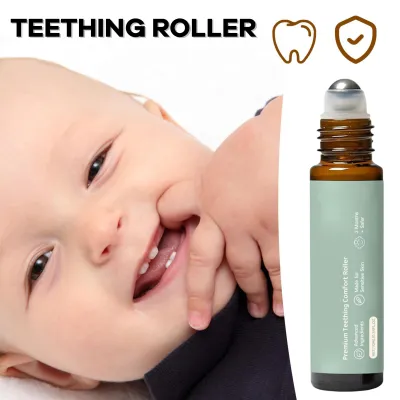
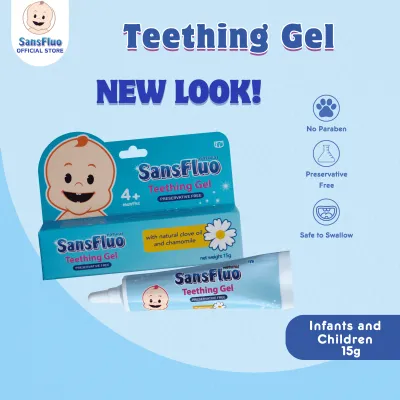
Topical teething gels and soothing balms offer a direct way to target localized gum discomfort, but they must be selected and used with extreme caution. If you decide to use a topical product, choose mild, pediatrician-approved natural balms that rely on gentle, plant-based ingredients like chamomile. Always consult your pediatrician before introducing any new topical remedy to ensure it is safe for your baby’s specific health profile.
Understanding the risks of medicated gels is essential for preventing accidental harm. In addition to the risks of benzocaine, topical gels can easily mix with your baby’s saliva and be swallowed. This can numb the back of the throat, which may interfere with the baby’s natural swallowing reflex, increasing the risk of choking during feeding or causing latching difficulties if you are breastfeeding.
When applying an approved soothing balm, always follow a clean and precise protocol. Wash your hands thoroughly with soap and water, then apply a tiny, pea-sized amount of the balm to your clean index finger or a sterile cotton swab. Gently massage the balm directly onto the affected area of the baby’s gums, adhering strictly to the daily application limits detailed on the product packaging, and avoid applying the balm immediately before a feed.
Cleaning and Storing Teething Toys in a Humid Climate
The tropical climate of the Philippines presents specific challenges when it comes to maintaining baby products. High humidity and warm temperatures create an ideal environment for the rapid growth of mold, mildew, and bacteria on surfaces that frequently come into contact with moisture. Because teething toys are constantly covered in saliva and milk residue, establishing a strict daily cleaning and storage routine is vital to protect your baby’s health.
For daily maintenance, wash all teething items after every single use with warm, clean water and a mild, fragrance-free baby bottle dish soap. Use a clean, dedicated sponge or brush to scrub into the small crevices, ridges, and textured patterns where dried saliva can easily hide and harbor bacteria. Rinse the items thoroughly under running water to ensure no soap residue remains on the surface.
Sterilizing your baby’s teethers helps eliminate harmful pathogens, but you must always verify the manufacturer’s heat-tolerance guidelines before proceeding. While many food-grade silicone teethers can safely withstand boiling, steam sterilization, or UV sanitizers, natural rubber and certain plastics can degrade rapidly under high heat. Exposing natural rubber to excessive heat can cause it to become sticky, warp, or lose its structural integrity, rendering it unsafe for use.
Thorough drying is the most critical step in preventing mold growth in a humid environment. After washing or sterilizing, place the teething toys on a clean, elevated drying rack in a well-ventilated room with good airflow. Avoid drying them in closed cabinets or leaving them on damp towels, and be particularly cautious with hollow teething toys or those with built-in squeakers, as water trapped inside these items can easily lead to hidden mold growth that is difficult to detect.
To maintain a safe environment for your baby, establish a regular inspection routine for all teething items in your home. Under bright light, check for signs of material breakdown such as permanent discoloration, a sticky or tacky surface, small tears, cracks, or a musty, damp odor. If a teether exhibits any of these characteristics, it has reached the end of its usable lifespan and should be discarded immediately to prevent bacterial exposure.
Red Flags: When to Stop and Consult a Pediatrician
While teething is a normal, healthy part of infant development, it should never cause severe physical illness. If your baby experiences a fever exceeding 38°C (100.4°F), persistent vomiting, severe diarrhea, or signs of dehydration—such as crying without tears, dry lips, or significantly fewer wet diapers—you should seek immediate medical attention from a qualified pediatrician rather than assuming the symptoms are related to teething.
You must also monitor your baby closely for any signs of an allergic reaction to teething toys, gels, or balms. Stop using any product immediately and consult a doctor if you notice a localized rash around the mouth, hives on the body, swelling of the lips, tongue, or face, or any sudden changes in your baby’s breathing patterns after using a teething accessory.
Finally, pay close attention to your baby’s overall feeding and hydration habits during this phase. While a temporary decrease in appetite is common when gums are tender, a complete refusal to drink breast milk, formula, or water for an extended period can quickly lead to dehydration, especially in a warm, tropical climate. If oral pain prevents your baby from feeding normally for more than a few hours, consult your pediatrician to discuss safe, alternative pain management strategies.
Frequently Asked Questions (FAQ)
Is it safe to freeze water-filled teething toys?
No, it is not safe to freeze water-filled teething toys. Freezing makes the plastic or gel inside excessively hard, which can cause bruising, frostbite, or severe tissue damage to your baby’s delicate gums. Furthermore, the expansion of water as it freezes can weaken the outer plastic casing, causing it to crack, leak, or break during use; instead, only chill these toys in the main compartment of your refrigerator and always follow the manufacturer’s specific cooling instructions.
Do amber teething necklaces actually work and are they safe?
There is no scientific evidence to support the claim that Baltic amber necklaces release pain-relieving succinic acid into a baby’s skin when worn. More importantly, pediatric associations worldwide strongly advise against using amber teething necklaces due to severe safety risks. Wearing any necklace poses a high risk of strangulation if it catches on an object, and the individual beads present a major choking hazard if the cord breaks and a bead is swallowed or inhaled by the infant.
Community discussion
Share your experience or ask a question. Comments are reviewed before publication.