
How to Match Teether Types to Your Baby's Teething Phase
Choosing a teether is more than just picking a cute toy; it is about matching a tool to your baby’s current developmental stage. As your baby grows, their oral structure, motor skills, and sensory needs change dramatically. A tool that provides comfort at three months may fail to soothe or could even pose a hazard at twelve months. Understanding these transitions helps you select a safe, effective solution that aligns with their physical milestones.
The teething journey generally unfolds across three distinct phases. The first phase, early gum soreness, typically begins around three to six months when the front incisors start their journey toward the surface. The second phase, mid-stage eruption, occurs around six to twelve months as these sharp incisors and canines fully break through the gums. Finally, the third phase, late-stage molar eruption, occurs between twelve and twenty-four months or later, bringing intense pressure as the large, flat back teeth emerge.
As your baby moves through these phases, their biting strength increases, and their grip shifts from a simple reflex to intentional manipulation. Consequently, the shape, texture, and material hardness of their teething toys must evolve. Early teethers need to be soft, lightweight, and easy to grasp. Mid-stage teethers require more varied textures to massage inflamed gums, while late-stage teethers must offer firm, durable resistance that can withstand high bite forces without tearing.
Products mentioned in this guide
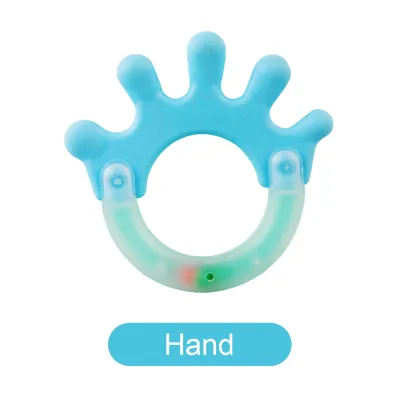
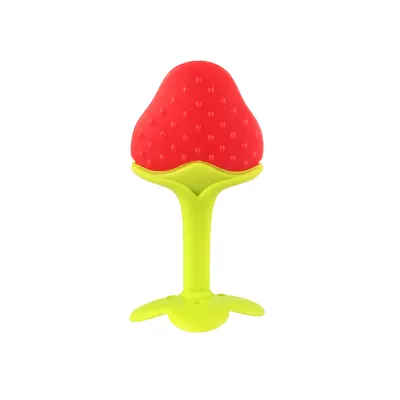
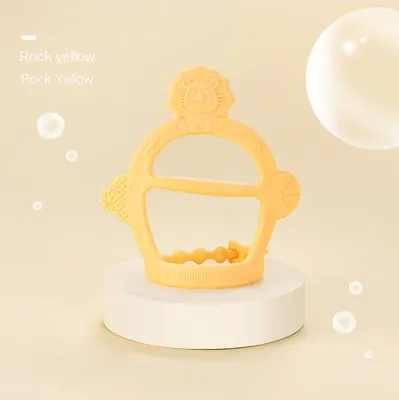
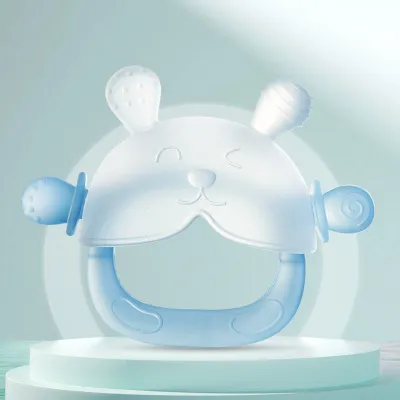

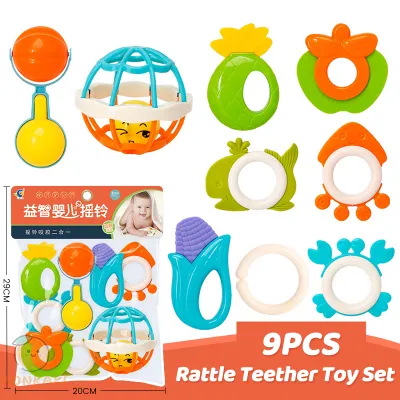
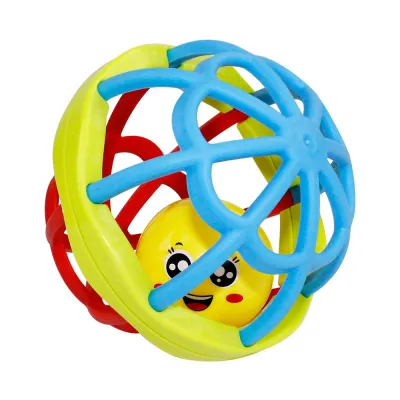
Prices are valid at publication and may change. Please refer to the product page for the latest price.
Safety remains the most critical factor throughout this process. Caregivers must always supervise a baby during use, verifying the manufacturer’s recommended age range and checking for any wear or damage beforehand. To prevent choking or gagging, ensure your baby is seated in an upright position while chewing on any teething accessory. This guide categorizes teethers by their design, material density, and function, allowing you to make an informed choice that matches your baby’s current physical needs.
Top Teether Types for Early Teething (3 to 6 Months)
During the early months of teething, babies are dealing with the initial, unfamiliar sensation of swollen, itchy gums. At this stage, their motor skills are still developing; they are just learning to grasp objects intentionally and often struggle to hold onto traditional toys for long. In the warm and humid climate of the Philippines, this phase is often accompanied by heavy drooling, which can lead to uncomfortable drool rashes on the neck and chest if not managed carefully. Selecting lightweight, easily manageable teethers is key to helping them find relief without causing frustration.

Mitten-Style Teethers and Wrist Teethers
Wearable teethers are specifically designed to address the limited motor skills of babies aged three to six months. These products feature a soft, breathable fabric glove or a flexible wristband that secures around the baby’s hand with an adjustable hook-and-loop strap, topped with a textured food-grade silicone chewing surface. Because the teether is securely attached to the baby’s hand, it cannot be dropped onto the floor, saving caregivers from constantly retrieving and washing it. Many designs also incorporate crinkle paper inside the fabric, which provides engaging sensory sounds that keep the baby entertained while they chew.
Despite their convenience, wearable teethers do have distinct limitations. Because they are worn on the hand, they quickly become saturated with saliva as the baby chews. In humid tropical environments, this pooled moisture can create a breeding ground for bacteria or mold, and the fabric can develop a sour odor if not washed and dried thoroughly after each use. Additionally, babies typically outgrow these wearable options within a few months as their grasping skills improve and they begin to prefer toys they can hold and turn freely.
Soft, Lightweight Chew Rings
For babies who are beginning to master the palmar grasp, soft, lightweight chew rings offer an excellent transition. These teethers consist of thin, highly flexible silicone rings that feature smooth surfaces or very mild, low-profile textures. Their lightweight construction ensures that even a three-month-old can easily lift the ring to their mouth without tiring their arm muscles or accidentally hurting themselves if they drop it on their face. The soft durometer of the silicone provides a gentle, cushioning surface that offers mild counter-pressure to sensitive, newly inflamed gums.
However, these lightweight rings are not a one-size-fits-all solution. Because they are designed to be soft and highly pliable, they lack the structural density required to provide deep pressure relief as the baby grows. Older babies with stronger jaws or those who chew aggressively will find these rings too soft to satisfy their teething urges. As a result, you will need to phase these out and transition to firmer designs once the first teeth begin to break through.
Best Teether Designs for Mid-Stage Teething (6 to 12 Months)
By six to twelve months, your baby’s oral landscape changes rapidly as the sharp front incisors and canines begin to erupt. This phase is often characterized by more intense, localized discomfort, and your baby will naturally seek out objects with varied textures to rub against their gums. At this age, babies have developed a much stronger grip and better hand-eye coordination, allowing them to manipulate more complex shapes and apply more targeted pressure to specific areas of their mouth.
Textured Teething Sticks and Wands
Textured teething sticks and wands are designed to help babies target specific, hard-to-reach areas of their gums. These teethers feature an elongated, wand-like shaft made from food-grade silicone, covered with various raised textures such as small bumps, ridges, or soft, brush-like bristles. The slender design allows the baby to direct the soothing textures precisely to the sides or front of their gums where teeth are actively erupting, while the varied surfaces provide excellent sensory feedback and massage the gum tissue.
While these stick designs are highly effective, they require strict safety features to prevent injury. Caregivers must ensure that any teething stick or wand features a wide, integrated safety shield, a flared base, or an ergonomic loop handle. These design elements act as a physical barrier, preventing the baby from pushing the stick too far back into their throat, which can trigger a severe gag reflex or present a choking hazard. Always verify that these safety guards are molded as a single piece with the rest of the teether to ensure they cannot detach during use.
Multi-Sensory and Cooling Teethers
Multi-sensory teethers combine different materials, colors, and textures to keep a baby engaged while providing physical relief. Some designs feature solid silicone structures with multiple distinct chewing zones, while others are filled with sterilized water or non-toxic gel designed to be chilled. The primary benefit of these teethers is temperature therapy; the cool surface constricts local blood vessels, temporarily numbing the swollen, painful gums and providing rapid relief during acute teething flare-ups.
However, using cooling teethers requires strict adherence to safety and care guidelines. These teethers should only ever be placed in the main compartment of the refrigerator, never in the freezer. Freezing makes the teether excessively hard, which can bruise or damage your baby’s delicate gum tissue, and can cause the internal liquid of gel-filled models to expand and rupture the outer casing. Furthermore, liquid-filled teethers must be inspected carefully before every use, as sharp emerging teeth can easily puncture the plastic membrane, creating a leak hazard.
Ideal Teethers for Late Teething and Emerging Molars (12 to 24+ Months)
The arrival of the first and second molars, usually occurring between twelve and twenty-four months, represents one of the most challenging phases of the teething process. Unlike the sharp front teeth, molars are large, flat, and wide, requiring them to push through a significant amount of gum tissue. This causes a deep, throbbing ache that soft or superficial teethers cannot relieve. Toddlers at this stage have powerful jaw strength and require teethers designed specifically to reach the very back of the mouth and withstand heavy, repetitive biting.
Firm, Deep-Reach Silicone Teethers
To address the intense pressure of shifting molars, toddlers need teethers made from high-density, firm food-grade silicone. These teethers feature thicker chewing surfaces and a much firmer durometer than those designed for younger infants. The high resistance of the firm silicone provides the deep, satisfying counter-pressure that toddlers crave when trying to soothe their rear gums. Because they are constructed from robust, high-quality silicone, they are durable enough to withstand aggressive chewing without tearing or breaking apart.
Under no circumstances should caregivers substitute these specialized teethers with hard plastic toys, household items, or keys. While these items might seem durable, hard plastics can easily crack, splinter, or break under the high bite force of a toddler, presenting a severe choking risk or causing lacerations to the delicate oral mucosa. Always verify that the firm teether you choose is explicitly rated for older babies and toddlers and is constructed from a single piece of resilient, non-toxic material.
Y-Shaped and Long-Handle Teethers
Y-shaped and long-handled teethers are geometrically engineered to help toddlers safely access the back of their mouth. These designs typically feature a central handle with two angled arms forming a “Y” shape, or a long, slender handle with a bulbous, textured chewing tip. The specific angles and lengths of these teethers allow toddlers to bypass their front teeth and chew directly on their rear gums where the molars are emerging, without having to cram their entire hand into their mouth.
While highly effective for older toddlers, these designs have limitations and are not suitable for younger infants. Using a Y-shaped or long-handled teether requires advanced motor control, spatial awareness, and hand-eye coordination. Younger babies who have not yet developed these skills may accidentally poke themselves in the eyes or face with the long handles, or push the tip too deep into their mouth. Keep these teethers stored away until your child reaches the recommended age and developmental stage.
Safety, Materials, and Care Checklist Before You Buy
Selecting the right teether involves careful evaluation of its construction, material safety, and maintenance requirements. Teething toys go directly into your baby’s mouth for extended periods, making chemical purity and physical durability non-negotiable. Use this comprehensive checklist to evaluate any teether before making a purchase.
- Material Verification: Always read the packaging and product labels carefully to verify the chemical safety of the teether. Look for clear indications that the product is made from 100% food-grade silicone, which is naturally hypoallergenic, resistant to bacteria, and free from harmful chemicals. Ensure the manufacturer certifies that the product is completely BPA-free, PVC-free, and phthalate-free. In the Philippines, check for products that comply with local health and consumer safety regulations to ensure they do not contain toxic dyes or heavy metals.
- Structural Integrity: Inspect the physical design of the teether before buying. Opt for simple, one-piece molded designs whenever possible, as they have no joints, seams, or glued components that could fail over time. Avoid teethers with small, detachable parts, decorative beads, or weak plastic links, as these can easily break off under constant chewing and present a critical choking hazard.
- Cleaning and Sterilization: Teethers must be cleaned frequently, especially in warm, humid climates where mold and bacteria multiply rapidly. Always consult the manufacturer's specific care instructions before cleaning. Many solid silicone teethers are dishwasher-safe and can tolerate boiling water or steam sterilization. However, you must never boil, microwave, or steam-sterilize liquid-filled or wooden teethers, as extreme heat will cause liquid-filled models to burst and wooden models to warp, crack, or lose their natural protective finishes.
- Cooling Rules: If you choose to use cold therapy, remember the golden rule: refrigerate, never freeze. Place the teether in the refrigerator for 15 to 30 minutes to achieve a cool, soothing temperature. Freezing a teether makes it rock-hard, which can freeze-burn your baby's sensitive gums, damage the oral tissue, and cause the materials to degrade or crack over time.
- Supervision and Wear: Treat teethers as active medical-use items rather than passive toys. Inspect the teether thoroughly before every single use. Stretch the silicone in all directions to check for tiny tears, deep bite marks, structural thinning, discoloration, or a sticky, degraded texture. If you spot any signs of wear, damage, or degradation, discard the item immediately and replace it with a new one.
Frequently Asked Questions (FAQ)
Can I put any teether in the freezer to soothe my baby's gums?
No, you should never place a teether in the freezer unless the manufacturer’s instructions explicitly state it is safe to do so, and even then, extreme caution is advised. Freezing makes the materials excessively rigid and hard, which can easily bruise or injure your baby’s delicate, inflamed gum tissue. For liquid-filled teethers, freezing causes the internal water or gel to expand, which can stretch and rupture the outer plastic casing, leading to leaks. Instead, place the teether in the refrigerator to achieve a safe, mildly cool temperature that provides effective numbing relief without the risk of tissue damage.
How often should I replace my baby's teether?
There is no fixed calendar date for replacing a teether; instead, replacement must be based entirely on physical signs of wear and tear. You should inspect the teether before every use, looking for visible bite marks, deep scratches, tears, thinning areas in the silicone, discoloration, or a sticky, tacky texture that indicates the material is beginning to degrade. If your baby has developed sharp teeth or has an exceptionally strong bite, teethers will wear out much faster. Discard and replace any teether immediately at the first sign of structural compromise to ensure your baby’s safety.
Are wooden teethers safe for babies?
Wooden teethers can be a safe, natural alternative if they are made from high-quality, untreated, and splinter-free hardwoods such as maple, beech, or birch. However, they require much stricter maintenance than silicone options. You must regularly inspect them for any signs of cracking, splintering, or rough spots, and verify they are treated only with food-safe, non-toxic finishes like organic coconut oil or beeswax. To clean wooden teethers, wipe them down with a damp cloth and mild soap; never submerge them in water, place them in a dishwasher, or boil them, as excess moisture will cause the wood to swell, crack, and harbor bacteria.
Community discussion
Share your experience or ask a question. Comments are reviewed before publication.