
Getting children to take their daily supplements can often feel like a daily battle of wills. For parents of picky eaters, the challenge is doubly difficult, as children possess highly sensitive palates that can detect even the slightest hint of metallic minerals or bitter vitamins. Finding the right balance between nutritional value and kid-approved taste is the key to ending this daily struggle. By focusing on appealing flavor profiles and easy-to-consume formats, you can find a reliable “yummy vit” vitamins for kids option that your child will actually look forward to taking every day.
To establish a successful routine, it helps to understand how different formats—such as gummies, chewable tablets, and liquids—align with your child’s sensory preferences and age. The ideal supplement is one that fits seamlessly into your household’s daily habits while meeting strict safety and nutritional standards. By evaluating these products through a clear framework of taste, texture, and ingredient quality, you can make an informed choice that supports your child’s growth without the daily fuss.
Why Taste and Format Matter for Picky Eaters
Children are not simply miniature adults; their sensory systems are highly specialized and naturally sensitive. From an evolutionary standpoint, young children have a higher density of taste buds, particularly those sensitive to bitter flavors, which historically protected them from ingesting toxic plants. This heightened sensitivity explains why a supplement with a faint metallic taste of iron or the distinct bitterness of B vitamins, which an adult might easily tolerate, can trigger an immediate gag reflex or intense refusal in a child.
Products mentioned in this guide





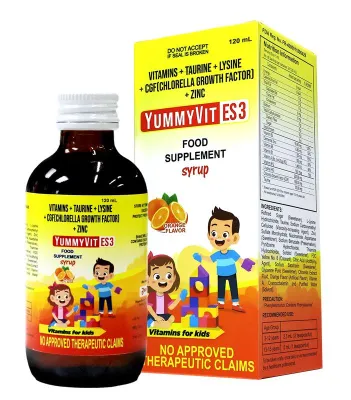
Prices are valid at publication and may change. Please refer to the product page for the latest price.
When a supplement is formulated with an appealing texture and a familiar, pleasant flavor, it transforms from an intimidating medicine into a rewarding experience. This shift in perception is crucial for reducing cognitive friction. Instead of associating the supplement with a forced chore, the child views it as a positive part of their day. This positive association minimizes behavioral resistance, allowing parents to administer necessary nutrients without tears or arguments.
Establishing this sense of enjoyment is vital for long-term consistency. Nutritional consistency is what ultimately supports a child’s developing immune system and energy levels. When a daily habit is built on a foundation of mutual agreement and pleasant sensory experiences, it becomes a self-sustaining routine that persists as the child grows, laying the groundwork for healthy habits later in life.
How to Choose Palatable Vitamins for Your Child
Selecting the right supplement requires balancing what appeals to your child with what is safe and nutritious. The first step is identifying your child’s specific sensory profile. Some children are sensory-seeking and enjoy chewy, candy-like textures, while others are sensory-sensitive and may reject anything sticky or gummy, preferring a smooth liquid or a quick-dissolving tablet. Matching the format to these natural inclinations is often half the battle.

Reading the ingredient label is an essential skill when searching for a high-quality product. Many palatable supplements rely on added sugars, such as glucose syrup or sucrose, to mask the natural taste of vitamins. While a small amount of sugar can make a supplement acceptable, excessive sugar can contribute to tooth decay and run counter to healthy dietary goals. Look for products that utilize natural fruit concentrates, or those sweetened with tooth-friendly alternatives like xylitol, keeping in mind that some sugar alcohols can cause mild digestive upset in sensitive children if consumed in large quantities.
Parents should also be vigilant about artificial additives and common allergens. Carefully inspect labels for artificial colors (such as Red 40 or Yellow 5), artificial sweeteners (like aspartame or sucralose), and common allergens including gluten, dairy, soy, or gelatin if your family follows specific dietary restrictions. Choosing products with clean, simple ingredient lists reduces the risk of adverse reactions and ensures you are providing high-quality nutrition.
To help you compare the primary options available in local pharmacies and online marketplaces in the Philippines, the table below outlines the key characteristics of the three main supplement formats:
| Format | Texture Appeal | Sugar Risk | Age Suitability | Dosing Precision | Tropical Climate Sensitivity |
|---|---|---|---|---|---|
| Gummies | High (Chewy, sweet) | Moderate to High | Usually 3+ years | Low to Moderate | High (Subject to melting and clumping) |
| Chewable Tablets | Moderate (Crunchy, chalky) | Low to Moderate | Usually 2+ years | High | Low (Highly stable in warm weather) |
| Liquid Drops / Syrups | Variable (Smooth, thick) | Low to Moderate | Infants and up | Very High | Moderate (Often requires refrigeration) |
Rather than relying on specific brand endorsements, parents can use this structural framework to evaluate any “yummy vit” vitamins for kids found on the market. This empowers you to assess the products on the shelf based on your child’s age, nutritional needs, and the specific environmental conditions of your home.
Recommended Vitamin Formats and Flavors for Kids
Every child is unique, and a format that works perfectly for one household might be rejected in another. Understanding the distinct advantages and limitations of each format allows you to tailor your approach to your child’s specific needs.
Gummy Vitamins: Sweet and Chewy
Gummy vitamins are widely popular due to their close resemblance to fruit snacks and candies. They typically feature appealing fruit flavors like strawberry, orange, cherry, and mixed berry, which easily mask the earthy taste of active nutrients. For children who absolutely refuse traditional medicine, the soft, chewy texture of a gummy can completely eliminate any resistance, turning supplement time into a highly anticipated moment of the day.
This format is ideal for older toddlers and school-aged children who have developed mature chewing and swallowing capabilities. Because they are fun to eat, gummies require very little parental persuasion, making them an excellent choice for busy mornings when time is short and stress levels are high.
However, gummies have notable drawbacks that parents must manage. Their sticky nature means they can easily cling to the crevices of teeth, increasing the risk of dental cavities if oral hygiene is neglected. Additionally, in the warm and humid tropical climate of the Philippines, gelatin-based gummies are highly susceptible to melting, clumping together, or degrading in potency if they are not stored in a cool, dry, temperature-controlled environment.
Chewable Tablets: Fruity and Crunchy
Chewable tablets offer a middle ground for families seeking a balance between palatability and practical storage. These tablets typically feature a slightly tart, fruity flavor profile that dissolves easily as the child chews. They provide a satisfying crunch without the stickiness associated with gummies, making them an appealing option for children who dislike chewy or gummy textures.
This format is highly recommended for parents who want to avoid gelatin or pectin-based products, or those who are concerned about the dental risks of sticky candies. Chewables are also highly stable in warm climates, making them much easier to store in tropical households without the risk of the tablets fusing into a single mass.
When evaluating chewable tablets, it is important to read the label to identify the source of the flavor and sweetness. Opt for tablets that utilize natural fruit powders and natural sweeteners like xylitol or stevia rather than chemical flavor enhancers. Be aware that some chewables can have a slightly chalky texture, which some highly sensitive children may find unappealing.
Liquid Drops and Syrups: Easy to Mix
Liquid drops and syrups are the most versatile format, offering unmatched flexibility for parents of very young children or those with extreme sensory sensitivities. For infants and young toddlers who cannot safely chew tablets or gummies, liquids are often the only viable option. They can be administered directly into the mouth using a calibrated dropper or syringe, ensuring highly precise dosage control.
One of the greatest advantages of liquid supplements is the ability to mix them into food and beverages. If your child rejects the direct taste of a citrus or berry syrup, you can easily stir the recommended dose into a morning cup of juice, a bowl of yogurt, or a fresh fruit smoothie, masking the flavor entirely. This stealthy approach completely bypasses any behavioral battles.
Before mixing a liquid supplement into food, always verify whether the product can be paired with warm or cold items. Some vitamins, particularly Vitamin C and certain B vitamins, are heat-sensitive and can degrade if mixed into hot oatmeal or warm soups. Additionally, once opened, many liquid syrups require refrigeration to maintain their freshness and prevent microbial growth, which is an important consideration for household storage.
Safety First: Managing Sugar and Dosage in Tasty Vitamins
While making vitamins taste good is excellent for compliance, it introduces a significant safety risk: children may mistake these supplements for regular candy. Because many fat-soluble vitamins (such as Vitamins A, D, E, and K) and minerals like iron accumulate in the body, excessive consumption can lead to serious vitamin toxicity. This makes strict safety protocols essential for any household utilizing highly palatable supplements.
To prevent accidental overconsumption, always store vitamin bottles completely out of your child’s sight and reach. High cabinets, locked pantry shelves, or secure drawers are ideal locations. Never rely solely on child-resistant caps, as determined toddlers can sometimes bypass these mechanisms. It is also crucial to establish a clear boundary in your conversations with your child: always refer to the supplement as a vitamin or helper, and never call it “candy” or a “treat,” as this can encourage them to seek it out on their own.
When administering vitamins, always follow the dosage instructions on the manufacturer’s label, which are typically structured around specific age or weight ranges. Do not assume that a higher dose will provide better health benefits; more is not always better when it comes to concentrated nutrients. If your child accidentally consumes more than the recommended dose, contact a healthcare professional or a local poison control center immediately.
Before starting any new supplement regimen, consult a pediatrician in the Philippines to discuss your child’s specific nutritional needs. A qualified professional can help you determine if a supplement is necessary and ensure it does not conflict with any existing dietary factors. Remember that vitamin supplements are designed to support, not replace, a diverse and balanced diet rich in local whole foods like fresh vegetables, fruits, grains, and proteins.
Practical Tips for a Fuss-Free Vitamin Routine
Building a smooth, daily routine relies as much on behavioral strategies as it does on the taste of the supplement. One of the most effective techniques is habit stacking, which involves pairing the vitamin administration with an existing, well-established daily habit. For example, you can serve the vitamin immediately after breakfast or right before the evening tooth-brushing session. This consistency helps the child know exactly what to expect, reducing daily friction.
Offering limited, parent-approved choices can also give your child a sense of autonomy and control over their routine. Instead of asking, “Do you want to take your vitamin?” which invites a simple “no,” try asking, “Do you want your strawberry chewable before or after we put on your shoes?” or “Would you like the orange flavor or the berry flavor today?” This minor shift empowers the child to make a decision within safe boundaries, significantly increasing their willingness to cooperate.
If your child refuses a dose or spits it out, maintain a calm and neutral demeanor. Avoid forcing the dose, bribing them with excessive rewards, or showing visible frustration, as this can turn supplement time into a power struggle. Simply clear the supplement away and try again the next day. Never double the dose on the following day to make up for a missed serving, as this can compromise safety. Focus on positive reinforcement, praising your child when they do take their vitamin cooperatively to reinforce the desired behavior.
Frequently Asked Questions (FAQ)
Can I give my toddler adult gummy vitamins if they taste better?
No, you should never give adult gummy vitamins to a toddler or young child. Adult supplements are formulated with significantly higher concentrations of vitamins and minerals tailored to adult nutritional requirements. Giving these to a young child can easily lead to accidental overdosing and toxicity, particularly with fat-soluble vitamins like Vitamin A and minerals like zinc or iron. Always choose products specifically formulated, tested, and labeled for your child’s exact age and weight group.
Do gummy vitamins lose their effectiveness in hot weather?
Yes, high heat and humidity can negatively impact gummy vitamins. In a tropical climate like the Philippines, exposure to elevated temperatures can cause the gelatin or pectin base of the gummies to melt, fusing them into a single lump and making accurate dosing impossible. Furthermore, prolonged exposure to heat and light can degrade active, heat-sensitive nutrients such as Vitamin C and Vitamin B12, reducing the overall potency of the supplement. To preserve their efficacy, store gummy vitamins in a cool, dark, and dry cupboard, and closely follow the manufacturer’s storage instructions, which may recommend refrigeration in warm regions.
Community discussion
Share your experience or ask a question. Comments are reviewed before publication.