
Selecting the right hygiene products for a baby requires a careful balance between effective cleansing and skin barrier protection. In the tropical climate of the Philippines, where high heat and humidity frequently trigger sweat rashes and diaper dermatitis, maintaining a healthy skin barrier is a constant challenge for parents. Traditional baby wipes often rely on simple water-based formulas with harsh surfactants that can strip away natural lipids, leaving delicate skin dry, irritated, and vulnerable to infections.
Introducing squalane baby wipes into your daily care routine offers a highly effective solution to this common parenting struggle. Squalane is a premium, skin-identical lipid that mimics the natural protective oils found on a baby’s skin at birth. By incorporating this ingredient into a soft, durable wipe, manufacturers have created a product that cleanses away impurities while simultaneously replenishing the skin’s moisture barrier. This guide will help you understand the science behind squalane, evaluate the essential criteria for choosing the best wipes in the Philippine market, and learn how to store and use them safely in a humid environment.
Why Squalane Benefits Sensitive Baby Skin
To understand why squalane is highly beneficial for sensitive baby skin, it helps to look at the biology of a newborn’s skin barrier. At birth, babies are coated in a protective, waxy substance called the vernix caseosa, which is rich in squalene. Squalene is a natural lipid that keeps the skin hydrated, soft, and shielded from external pathogens. However, natural squalene is highly unstable and oxidizes rapidly when exposed to air, making it unsuitable for skincare formulations. Through the process of hydrogenation, squalene is converted into squalane, a highly stable, oxidation-resistant oil that delivers the same exceptional moisturizing benefits with a significantly longer shelf life.
Products mentioned in this guide
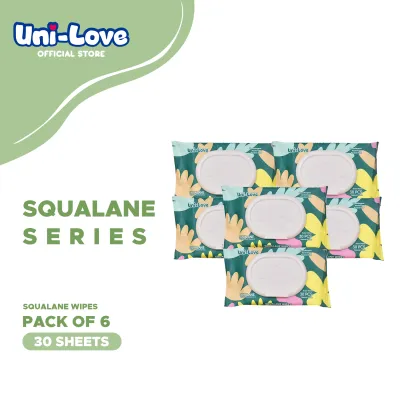
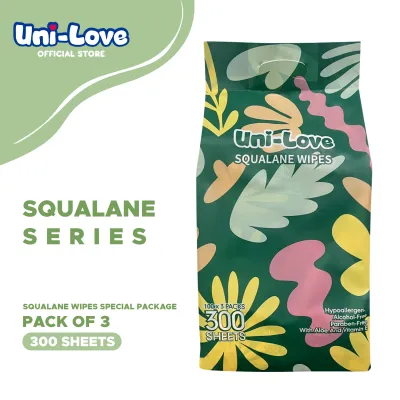
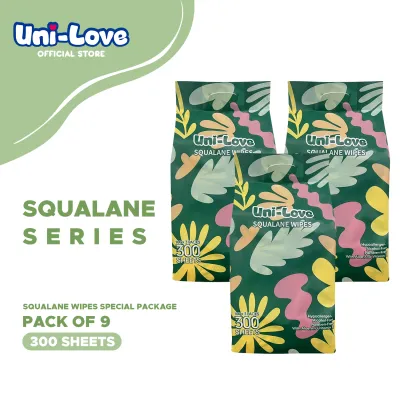
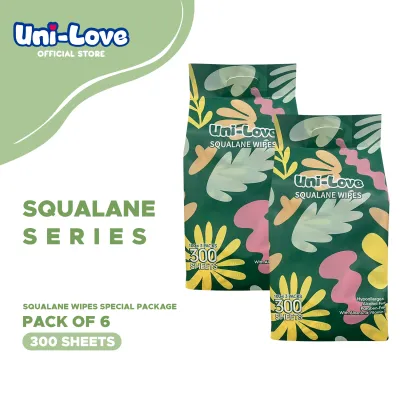
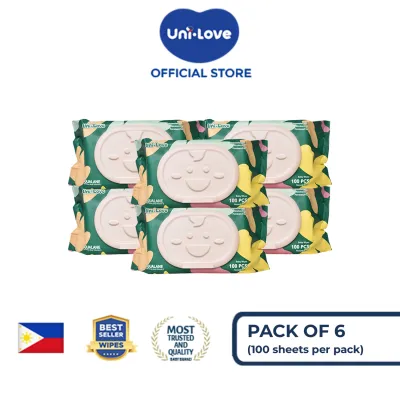
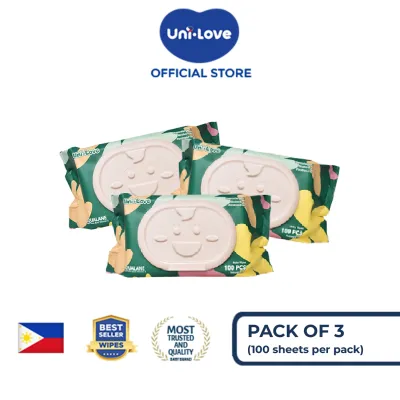
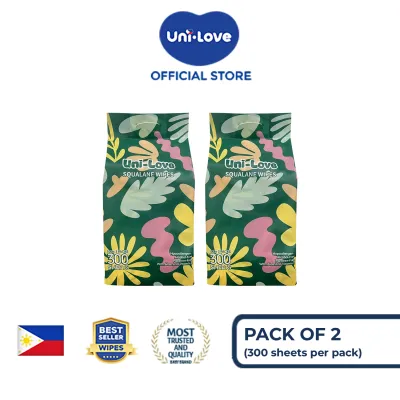
Prices are valid at publication and may change. Please refer to the product page for the latest price.
Squalane is uniquely compatible with human skin because its molecular structure closely resembles the natural sebum produced by our own sebaceous glands. When applied via a baby wipe, plant-derived squalane is absorbed effortlessly without leaving a heavy, greasy, or sticky residue. This lightweight absorption is particularly important in the hot and humid Philippine climate, where heavy oils or petrolatum-based products can trap sweat, clog pores, and exacerbate heat rash (miliaria). Squalane provides a breathable protective layer that allows the skin to function naturally while locking in essential moisture.
For babies suffering from dry skin, eczema, or contact dermatitis, squalane acts as an exceptional emollient. It fills in the microscopic gaps between skin cells, smoothing out rough patches and soothing active irritation. By reinforcing the lipid barrier, squalane helps prevent transepidermal water loss (TEWL), which is the primary cause of dry, itchy skin. A strong lipid barrier also prevents environmental irritants, allergens, and acidic waste from urine or stool from penetrating the deeper layers of the skin, thereby reducing the frequency and severity of diaper rash flare-ups.
In contrast, standard commercial baby wipes often contain synthetic surfactants, drying alcohols, and strong artificial fragrances designed to mask odors. While these ingredients are effective at cleaning, they frequently strip away the delicate lipid layer of a baby’s skin. Over time, this constant stripping action compromises the skin’s natural defenses, leading to chronic dryness and heightened sensitivity. Squalane-infused wipes break this cycle by delivering a dual-action performance: they gently lift away waste while instantly depositing a nourishing layer of biocompatible lipids to support the skin’s natural healing process.
Essential Criteria for Choosing Squalane Baby Wipes
When shopping for squalane baby wipes, parents must look beyond the marketing claims on the front of the packaging. To ensure a product is truly safe and effective for sensitive skin, you must carefully evaluate the complete ingredient list, the physical fabric of the wipe, and its overall formulation balance.

Ingredient Purity and Safety
The source of the squalane and the purity of the surrounding ingredients are the most critical factors to consider. Always prioritize wipes formulated with 100% plant-derived squalane, which is typically sourced from olives or sugarcane. Avoid products that do not specify the source of their squalane or those that contain synthetic mineral oil alternatives. Additionally, the formula must be completely free from drying alcohols (such as alcohol denat or isopropyl alcohol), parabens, phenoxyethanol, phthalates, and aggressive preservatives like methylisothiazolinone (MIT) or chloromethylisothiazolinone (CMIT). Synthetic fragrances and essential oils should also be avoided, as they are leading causes of allergic contact dermatitis in infants.
Wipe Material and Fiber Quality
The physical fabric of the wipe plays a major role in preventing mechanical irritation. When wiping a baby’s diaper area, face, or hands, physical friction can easily damage a compromised skin barrier. Look for wipes made from ultra-soft, high-quality, and non-abrasive fibers. Excellent options include plant-based viscose, bamboo-derived rayon, or premium organic cotton. These materials are naturally softer and smoother than synthetic polyester blends, which can feel scratchy and rough against irritated skin. Plant-based fibers also have superior liquid retention, ensuring the wipe remains consistently moist throughout use.
Moisture Level and pH Balance
A baby’s skin naturally maintains a slightly acidic pH level of approximately 5.5, which forms a protective barrier known as the acid mantle. This acidic environment is essential for inhibiting the growth of harmful bacteria and fungi, such as Candida albicans, the primary culprit behind yeast diaper infections. Squalane baby wipes must be formulated with a pH-balanced solution (ideally between 5.0 and 5.5) to preserve this natural defense system. Furthermore, the liquid-to-fabric ratio must be carefully balanced. The wipes should be thoroughly saturated to glide smoothly across the skin, but not so dripping wet that they leave behind pooling moisture, which can macerate the skin under a tight diaper.
Thickness and Texture
The thickness of a wipe is measured in grams per square meter (GSM). Premium baby wipes typically range from 60 to 80 GSM, making them thick, durable, and highly resistant to tearing. Thicker wipes not only protect the caregiver’s hands from coming into contact with waste but also provide better cushioning against the baby’s skin. To maximize cleaning efficiency, look for wipes featuring an embossed texture, such as a 3D pearl or honeycomb pattern. These raised patterns create small pockets that physically lift and trap solid waste in fewer passes. This reduces the need for repetitive rubbing, minimizing friction-induced redness and discomfort.
Where to Buy and Verify Authenticity in the Philippines
The popularity of premium baby products has led to an increase in counterfeit, expired, or improperly stored goods entering the local market. Using compromised products on sensitive baby skin can lead to severe allergic reactions, chemical burns, or bacterial infections. Therefore, sourcing your squalane baby wipes from authorized and reputable channels is paramount.
Prioritize Authorized Channels
To ensure you are purchasing genuine products, always buy directly from official brand websites or verified flagship stores on major e-commerce platforms. Look for the platform’s official mall or preferred seller badges, which indicate that the seller’s business credentials and inventory have been verified. For physical shopping, rely on major national pharmacies, established supermarkets, and specialty baby boutiques located in reputable shopping malls. These retailers maintain strict supply chain controls and temperature-regulated warehousing, ensuring the products have not been exposed to extreme conditions before reaching the shelves.
Identify Red Flags on Packaging
When buying baby wipes, always inspect the physical packaging closely for warning signs of counterfeit or degraded products. Beware of unusually low prices that are significantly below the manufacturer’s suggested retail price. Carefully check the batch codes, manufacturing dates, and expiration dates; avoid packages where these details appear smudged, altered, or completely missing. Inspect the safety seals and plastic lids to ensure they are fully intact and have not been tampered with. Low-quality packaging, blurry printing, spelling errors, or a lack of clear importer information are strong indicators of a counterfeit product.
Utilize Regulatory Verification
In the Philippines, all cosmetic products, including baby wipes, must be registered or notified with the local Food and Drug Administration (FDA) before they can be legally distributed. This process ensures that the product’s formulation has been reviewed for safety and does not contain prohibited or restricted substances. Parents can easily verify the legitimacy of a brand by visiting the official FDA Verification Portal (verification.fda.gov.ph) and searching for the product’s name or its Certificate of Product Notification (CPN) number. If a brand cannot be found on the registry or lacks a valid notification number, it is best to avoid using it on your child’s skin.
How to Compare Squalane Wipe Brands
As you evaluate different squalane baby wipes available in the market, having a structured framework will help you make an informed decision based on your baby’s specific skin needs and your household budget. The following comparison matrix outlines the key decision dimensions you should analyze when evaluating different options.
| Evaluation Dimension | Premium Squalane Wipes | Standard Sensitive Wipes | Budget Commercial Wipes |
|---|---|---|---|
| Squalane Concentration | Listed in the top 5–7 ingredients for active skin barrier support. | No squalane present; relies on water and basic humectants. | No squalane; may contain harsh synthetic emollients. |
| Base Fabric Material | 100% plant-based viscose, bamboo, or organic cotton. | Cotton-blend or polyester-viscose mix. | High percentage of synthetic polyester fibers. |
| Texture & Thickness | High thickness (60–80 GSM) with 3D embossed pearl patterns. | Medium thickness (50–60 GSM), often flat or lightly textured. | Thin (under 45 GSM), flat, prone to tearing and stretching. |
| Preservative System | Food-grade or ultra-mild preservatives; free from parabens and MIT. | Mild preservatives, but may occasionally include phenoxyethanol. | May contain stronger chemical preservatives to extend shelf life. |
| Packaging Design | Double-secure hard plastic flip-top lid with an inner seal. | Single plastic lid or simple adhesive sticker flap. | Simple adhesive sticker flap that easily loses stickiness. |
How to Read the Ingredient List
To determine the true quality of a squalane baby wipe, you must learn to read the ingredient deck on the back of the pack. By law, cosmetic ingredients must be listed in descending order of concentration. If squalane is listed near the top of the list (typically within the first five to seven ingredients, right after water), it indicates a high, functional concentration that will actively nourish and protect the skin. If squalane is listed at the very bottom, after the preservatives and emulsifiers, it is likely added in a microscopic amount purely for marketing purposes, offering little to no therapeutic benefit to your baby’s skin.
Additionally, check the list for hidden irritants. Some products marketed as “natural” may contain botanical extracts or essential oils (such as tea tree, lavender, or citrus oils) that can sensitize delicate skin over time. Ensure that the preservative system is mild. Look for safe, food-grade preservatives like sodium benzoate, citric acid, or potassium sorbate, which effectively prevent microbial growth without causing skin irritation.
Evaluate Packaging Effectiveness
The design of the packaging is directly related to the longevity and safety of the wipes. In a tropical country, wipes are highly susceptible to drying out quickly once opened. Compare the packaging closure systems of different brands. Prioritize wipes that feature a sturdy, hard plastic flip-top lid equipped with a secure double-lock mechanism or a tight silicone gasket. This design creates an airtight seal that prevents the liquid formulation from evaporating in the heat. It also acts as a physical barrier against environmental contaminants, dust, and insects, ensuring that every wipe remains clean and fully saturated from the first to the last sheet.
Environmental Considerations and Disposal
As a responsible consumer, it is important to consider the environmental impact of the products you use daily. Wipes made from 100% plant-based fibers, such as bamboo or viscose, are biodegradable under proper composting conditions, making them a more eco-friendly choice compared to synthetic polyester wipes that persist in landfills for centuries. However, regardless of the material or any “biodegradable” or “flushable” marketing claims on the packaging, never flush baby wipes down the toilet. Municipal sewerage systems in the Philippines are not designed to handle these materials, and flushing them can lead to severe plumbing blockages, backflows, and environmental pollution in local waterways.
Proper Storage and Usage in a Tropical Climate
The climate of the Philippines, characterized by high temperatures and elevated humidity levels, presents unique challenges for maintaining the quality and safety of baby skin care products. High humidity creates a highly hospitable environment for the proliferation of mold, yeast, and bacteria. Therefore, proper storage and hygienic usage practices are essential to keep your squalane baby wipes safe for use.
Storage Best Practices
Always store unopened packs of squalane baby wipes in a cool, dry, and dark pantry or cupboard, well away from direct sunlight, windows, and heat-emitting household appliances. Never leave a pack of wipes inside a parked car, as internal vehicle temperatures can easily exceed 50°C, which can degrade the squalane, break down the preservative system, and encourage rapid bacterial growth. Once a pack is opened, make it a strict habit to press the adhesive inner seal down firmly and click the outer plastic lid completely shut immediately after extracting a wipe. This simple step preserves the moisture levels and prevents airborne mold spores from entering the pack.
Safe Usage Boundaries
Squalane baby wipes are designed strictly for external cleansing on intact, healthy skin. While they are highly effective at maintaining moisture, they are not a medical treatment. If your baby develops a severe diaper rash characterized by broken skin, bleeding, open sores, weeping blisters, or bright red satellite pustules (which indicate a secondary fungal infection), you must stop using all baby wipes immediately. During these flare-ups, switch to rinsing the diaper area gently with lukewarm water and a soft, clean cotton cloth, then patting the skin completely dry. Always consult a qualified pediatrician or pediatric dermatologist for proper diagnosis and medical treatment when dealing with severe or persistent skin issues.
The Importance of Patch Testing
Even when a product is formulated with high-purity squalane and marketed specifically for sensitive, eczema-prone skin, every baby’s skin chemistry is unique. Before integrating a new brand of squalane wipes into your daily routine, always perform a simple patch test. Gently wipe a small, discreet area of your baby’s skin, such as the inner forearm or the side of the thigh, with a fresh wipe. Wait 24 hours and monitor the area closely for any signs of contact sensitivity, such as redness, swelling, tiny raised bumps, or itching. If any adverse reaction occurs, discontinue use of the product immediately and seek medical advice if the irritation persists.
Frequently Asked Questions (FAQ)
Can I use squalane baby wipes on my baby's face and hands?
Yes, you can safely use squalane baby wipes on your baby’s face and hands, provided the specific formulation is completely fragrance-free, alcohol-free, and formulated with mild, food-grade ingredients. Squalane is highly biocompatible and excellent for soothing dry patches on the cheeks or chin, which are often irritated by drool or food residue. However, caregivers must take extra care to avoid the immediate eye area to prevent physical irritation or accidental contact with the sensitive mucous membranes of the eyes. After wiping your baby’s hands, allow the skin to air-dry completely before letting them put their hands or fingers into their mouth.
Are squalane wipes effective for cleaning heavy diaper messes?
Squalane baby wipes are highly effective for cleaning heavy diaper messes, but their performance depends heavily on the physical characteristics of the wipe rather than just the squalane content itself. For heavy solid waste, you need a wipe with a high thickness (at least 60 GSM) and an embossed, textured surface to physically grip and lift the waste efficiently. The squalane in the formula acts as a natural emollient, which helps to gently loosen stuck-on residue from the skin without requiring aggressive scrubbing. This combination of physical texture and lubricating emollient ensures a thorough clean with minimal friction and irritation.
Do squalane baby wipes replace the need for diaper cream?
No, squalane baby wipes do not replace the need for a dedicated diaper barrier cream. While squalane is an exceptional moisturizer that supports the skin’s natural lipid barrier during the cleansing process, it does not provide the heavy, physical, water-impermeable shield required to protect skin from prolonged contact with acidic urine and stool. A proper diaper barrier cream, typically containing zinc oxide or petrolatum, should still be applied to clean, dry skin after using the wipes. Squalane wipes serve as the ideal, gentle first step by cleaning and priming the skin, while the barrier cream acts as the final protective shield to prevent diaper dermatitis.
Community discussion
Share your experience or ask a question. Comments are reviewed before publication.