
Starting solid foods is a major milestone for infants in the Philippines. As babies transition from a milk-only diet to exploring local staples like mashed kalabasa (squash), lugaw (rice porridge), and ripe papaya, having the right tools is essential. A high-quality spoon and fork set kids can use comfortably makes a significant difference in their self-feeding journey. Introducing utensils at the right developmental stage encourages independence, refines fine motor skills, and helps babies build a positive relationship with food.
Choosing the perfect cutlery requires looking beyond colorful designs. Parents must consider safety certifications, ergonomic handles that match their child’s motor skills, and durable materials that can withstand the tropical climate and frequent sterilization. Investing in the right set ensures that mealtime is both safe and developmental.
How to Choose the Right Cutlery for Weaning Babies
Material Safety
When shopping for baby cutlery, safety is the primary consideration. Look for medical-grade or food-grade silicone, 304 food-grade stainless steel, and BPA-free plastics. Because these items contact your baby’s mouth daily, verify that the packaging displays certifications from recognized regulatory bodies, such as the US Food and Drug Administration (FDA) or European LFGB standards.
Products mentioned in this guide
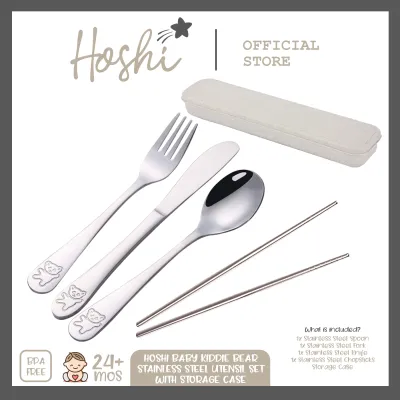
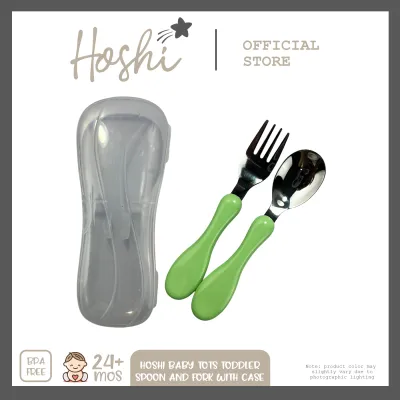
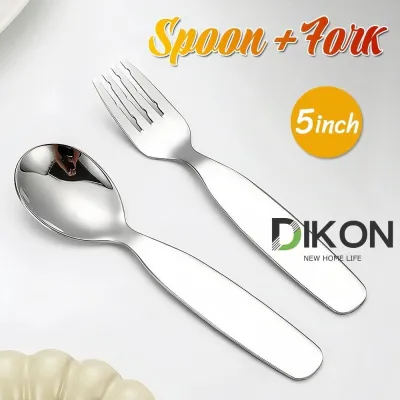
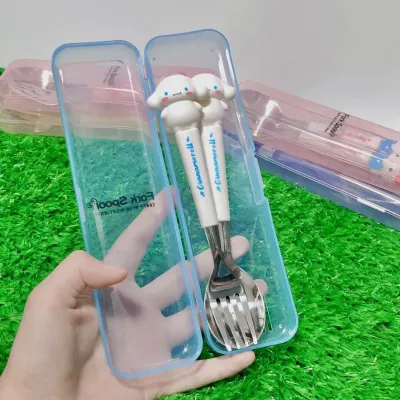
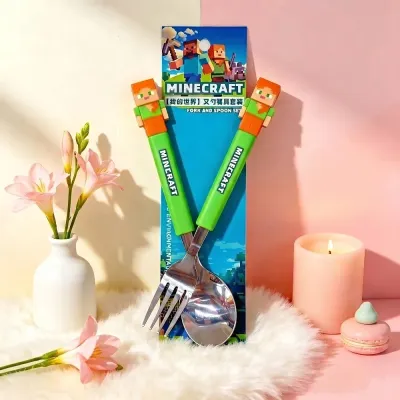
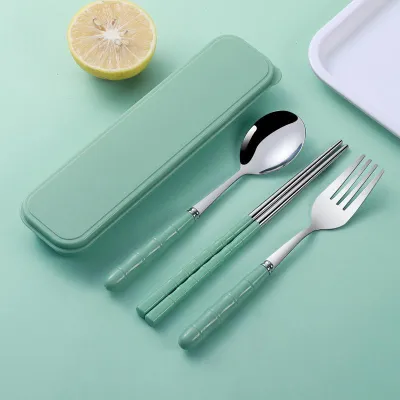
Prices are valid at publication and may change. Please refer to the product page for the latest price.
In the warm, humid climate of the Philippines, low-quality plastics can degrade quickly or leach harmful chemicals when exposed to high heat during sterilization. Always check the manufacturer’s packaging for specific temperature limits and chemical safety labels before purchasing. Avoid any products that do not explicitly state they are free from bisphenols (BPA and BPS), phthalates, and lead.
Ergonomic Handle Design
A baby’s hand grip changes rapidly during their first year. Around six months, infants use a palmar grasp, wrapping their entire fist around an object. Utensils with short, thick, and textured handles are ideal for this stage because they fit comfortably in a small fist and prevent the hand from slipping.
Many training spoons also feature built-in choke guards or wide collars. These barriers physically prevent the baby from inserting the utensil too far into their mouth, reducing the risk of gagging or choking. As your baby approaches their first birthday, they transition to a pincer grasp, using their thumb and index finger. At this stage, utensils with slightly longer, contoured handles help them transition to a mature grip.
Utensil Head Design
The shape and depth of the utensil head directly affect how easily a baby can eat. For early weaning, a spoon bowl should be exceptionally shallow. A deep bowl makes it difficult for an infant to clear food using their upper lip, leading to frustration and messy feedings.
The fork tines must strike a careful balance: they should be blunt and rounded to protect sensitive gums and tongues, yet functional enough to spear soft foods. Avoid sharp metal tines for infants, but steer clear of overly flexible plastic tines that bend instead of piercing food, which can discourage your child from practicing.
Sensory and Heat Features
Some modern baby cutlery sets include advanced features like heat-sensing tips that change color when food is too hot, or textured sensory bumps on the underside of the spoon head. Sensory bumps help babies map their mouths and locate the spoon tip using their tongue.
While these features are highly convenient, always verify the manufacturer’s claims on the packaging. Remember that heat-sensing technology is a helpful guide but should never replace manually testing the temperature of the food on your own wrist before feeding your child.
Top Spoon and Fork Sets for Different Weaning Stages
Best for Early Self-Feeding (6 to 9 Months)
At six to nine months, babies are just beginning to explore the concept of self-feeding. They are learning to coordinate bringing a tool to their mouth, and their movements can be erratic. Utensils for this stage must be soft, forgiving, and easy to hold.

- Marcus & Marcus Palm Grasp Spoon & Fork Set: This set is highly regarded in the Philippines for early self-feeding. Made from 100% food-grade, BPA-free silicone, the handles are exceptionally short, round, and chunky, making them perfect for a baby's palmar grasp. The silicone material is gentle on teething gums, preventing injury if the baby accidentally strikes their mouth. The fork features blunt, flexible tines that allow babies to practice the motion of spearing without any sharp edges. This set falls into a mid-range price band, typically costing between ₱500 and ₱800 in local baby boutiques and online marketplaces.
- Grabease Self-Feeding Utensils: Another excellent option for early learners is the Grabease set. These utensils feature a patented choke-protection shield that prevents the spoon or fork from going too far into the baby's throat. The highly compact handles encourage the development of the pincer grasp early on. Because they are lightweight and ergonomically designed, they help build confidence during those first messy meals.
These early-stage sets are perfect for smooth purees, mashed fruits, and soft local grains. However, because the silicone and soft plastic materials are highly flexible, they lack the structural rigidity required to pierce or scoop denser, firmer foods. Always supervise your baby closely during meals to monitor their chewing and swallowing, and inspect the utensils before each use for any signs of wear.
Best for Transitioning to Solids (9 to 12 Months)
Between nine and twelve months, babies develop better hand-eye coordination and begin transitioning from a palmar grasp to a pincer grasp. They are ready to feed themselves firmer finger foods, requiring utensils that offer more structural support and precise control.
- Doddl Toddler Spoon and Fork Set: The Doddl set is a premium option, generally priced over ₱1,200, but it is highly praised by pediatric occupational therapists for its innovative design. The handles are short but contoured with specific finger placement zones that naturally guide the child’s hand into a mature pincer grip. The utensil heads are made of high-quality stainless steel, while the handles are made of durable, BPA-free plastic. This combination allows the child to easily pierce foods like steamed carrots or pieces of chicken while keeping their grip secure.
- OXO Tot Fork and Spoon Set: For a highly durable and classic transition set, the OXO Tot set is an excellent choice, falling into a mid-to-high price band of ₱600 to ₱900. It features stainless steel utensil heads with flat spots on the handles to prevent them from rolling off the highchair tray. The curved, non-slip handles are easy for growing hands to hold and help direct food toward the mouth.
These sets are ideal for babies who are mastering the mechanics of scooping and spearing. Because they feature stainless steel components, they are highly effective at handling a wide variety of family foods. However, the firmer materials mean that parents must exercise strict supervision. A baby who is still prone to sudden, uncontrolled movements could hurt their gums if they shove a stainless steel utensil into their mouth too quickly.
Best for Travel and On-the-Go Meals
Filipino families love spending time together outdoors, whether visiting relatives, heading to the mall, or traveling on weekend trips. Feeding a baby on the go requires portable, hygienic cutlery solutions that are easy to pack and clean.
- Pigeon Spoon and Fork Set with Travel Case: Pigeon is a household name in the Philippines, known for reliable and accessible baby products. This budget-friendly set, usually priced under ₱400, features lightweight, BPA-free plastic utensils designed with soft, rounded edges. The set includes a slim, snap-close travel case that keeps the utensils clean inside your diaper bag and prevents dirty utensils from making a mess after mealtime.
- Richell Outing Spoon and Fork Set with Case: Richell is a popular Japanese brand available in major Philippine baby stores. This set features slightly angled handles that make it easier for parents to feed their baby or for the baby to feed themselves in tight spaces, such as in a car or a restaurant highchair. The durable plastic case is designed to be compact and easy to sanitize.
Travel sets are incredibly convenient for maintaining hygiene outside the home. However, because these sets are often made of lighter plastics, they can stain easily when exposed to vibrant local ingredients like tomato-based sauces or turmeric. Additionally, in the humid climate of the Philippines, storing damp utensils inside a sealed travel case can quickly lead to mold and bacterial growth. Always wash and thoroughly dry both the utensils and the case before sealing them.
Safety, Cleaning, and Maintenance Tips
Cleaning and Sterilization
Keeping your baby’s cutlery clean is vital for preventing digestive upsets. Different materials require distinct care methods. Food-grade silicone and stainless steel are highly heat-resistant and can typically be sterilized in boiling water, steam sterilizers, or top-rack dishwashers.
However, many plastic handles or travel cases can warp, crack, or degrade under high heat. UV sterilizers are highly popular in Philippine households, but prolonged exposure to UV light can cause certain plastics and silicone to discolor or become brittle over time. Always read the manufacturer’s care instructions to verify temperature limits and sterilization compatibility.
In areas with hard tap water, mineral deposits can sometimes form on stainless steel utensils. You can easily clean these by soaking the utensils in a mixture of warm water and a small amount of distilled white vinegar, followed by a thorough rinse with clean water.
Inspecting for Wear and Tear
Daily wear can compromise the safety of your child’s cutlery. Establish a weekly routine to inspect every spoon and fork in your kitchen. Use this checklist to determine if a utensil is still safe to use:
- Silicone Utensils: Check for deep teeth marks, splits, or peeling sections. Teething babies can easily bite off small pieces of silicone, creating a severe choking hazard.
- Plastic Utensils: Look for deep scratches, rough edges, or cloudiness. Deep scratches can harbor harmful bacteria that standard washing cannot reach.
- Stainless Steel Utensils: Ensure that the metal head is firmly attached to the plastic or silicone handle. If there is any wobbling or a visible gap, discard the item immediately, as food particles and water can trap bacteria inside the joint.
If you observe any of these issues, stop using the item immediately and replace it.
Storage Best Practices
The tropical climate of the Philippines presents unique challenges for kitchen storage. High humidity levels encourage the growth of mold, mildew, and bacteria on damp surfaces. After washing and sterilizing, allow the utensils to air-dry completely on a clean, elevated drying rack in a well-ventilated area.
Avoid storing baby cutlery in airtight containers, closed drawers, or travel cases while they are still damp. Keep them in a dry, dust-free cupboard until their next use.
Frequently Asked Questions (FAQ)
When should I introduce a fork to my baby?
Most pediatric experts recommend introducing a baby-safe fork between 9 and 12 months of age. This timing aligns with the development of the pincer grasp and improved hand-eye coordination, allowing the baby to successfully spear soft pieces of food. However, every child develops at their own pace. Do not rush the transition if your baby is still struggling with a spoon.
When you do introduce a fork, ensure it has blunt, rounded tines made of silicone or thick plastic. Active adult supervision is mandatory during every meal to prevent the baby from poking their eyes, face, or sensitive gums.
Are silicone spoons better than stainless steel for weaning?
Neither material is universally superior; instead, they serve different developmental stages. Silicone spoons are highly recommended for early weaning (6 to 9 months) because they are soft, flexible, and gentle on sensitive, teething gums. They also double as soothing teethers.
However, as your baby grows (9 months and older) and begins eating firmer foods, silicone can be too flexible to scoop or pierce food effectively. Stainless steel utensils provide the rigidity needed for advanced self-feeding and are highly durable, stain-resistant, and easier to sanitize. A phased approach works best: start with soft silicone and transition to stainless steel as your baby’s motor skills and oral control mature.
Community discussion
Share your experience or ask a question. Comments are reviewed before publication.