
Starting solid foods is a major developmental milestone for infants in the Philippines. Around the six-month mark, babies begin transitioning from an exclusive milk diet to exploring purees, mashes, and soft finger foods. This exciting phase requires the right tools to support their developing motor skills. Finding an appropriate spoon and fork set kids can use comfortably is essential for fostering self-feeding independence while ensuring mealtime safety.
The ideal first utensil set depends heavily on your baby’s current developmental stage, hand-eye coordination, and grip strength. For early beginners, look for utensils made from food-grade silicone or high-quality stainless steel with protective guards. Short, chunky handles are much easier for tiny hands to grasp compared to long, thin adult cutlery. Additionally, blunt edges and shallow spoon bowls prevent choking and irritation to sensitive, teething gums. When shopping at local baby boutiques or online marketplaces, always prioritize products explicitly labeled as BPA-free, PVC-free, and phthalate-free to ensure your child’s safety.
Essential Features of a Spoon and Fork Set Kids Can Use Safely
To make mealtime successful, parents must understand the specific design and material criteria that separate beginner-friendly utensils from standard kids’ cutlery. Choosing the wrong design can lead to frustration, food refusal, or minor mouth injuries.
Products mentioned in this guide
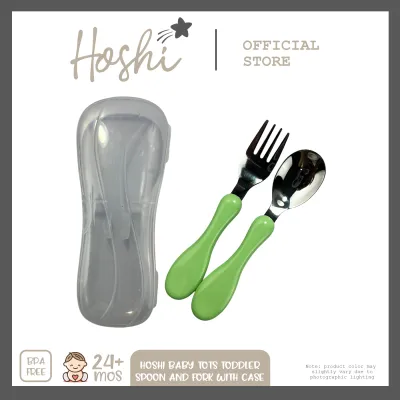
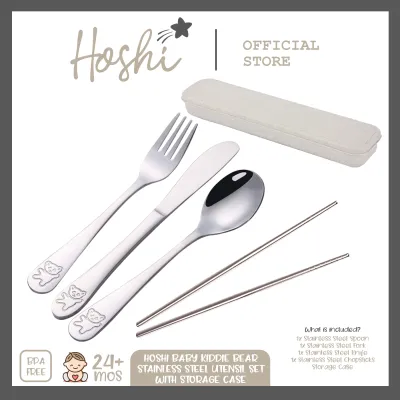
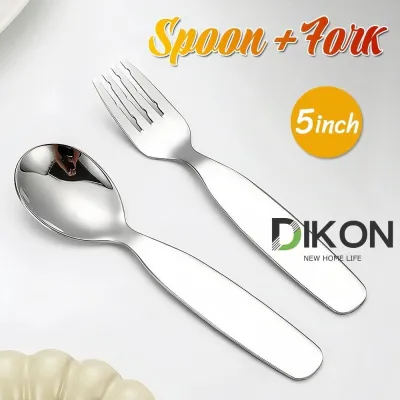
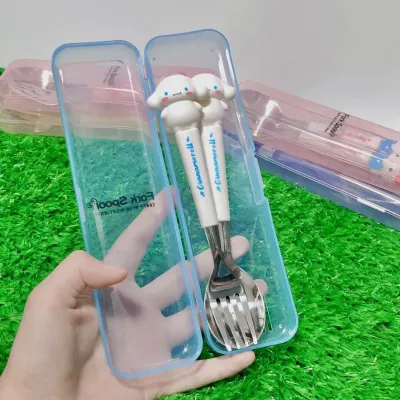
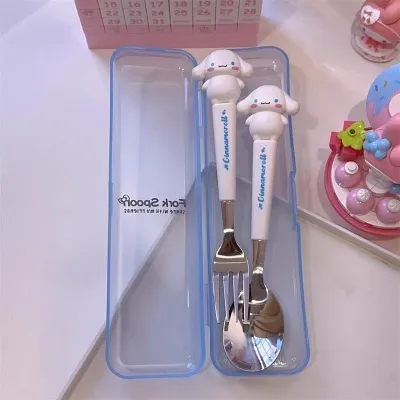
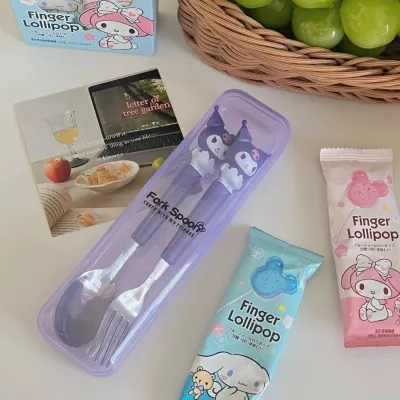
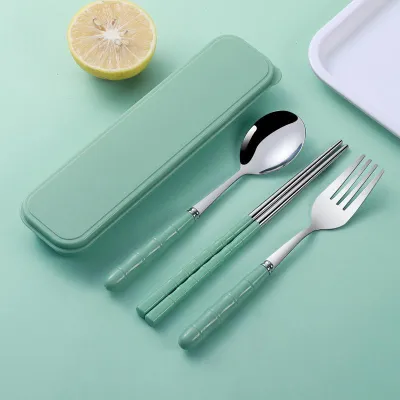
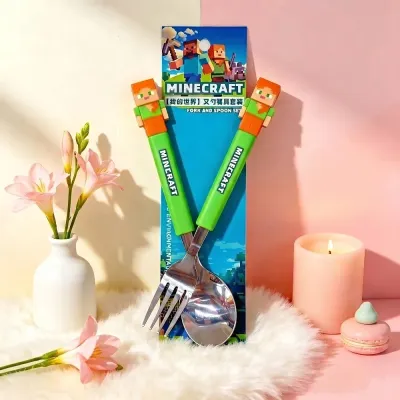
Prices are valid at publication and may change. Please refer to the product page for the latest price.
Material and Safety Standards
When evaluating materials, food-grade silicone and high-quality stainless steel are the two most reliable options for infants. Food-grade silicone is soft, flexible, and highly gentle on tender gums. It is particularly well-suited for early purees and babies who are actively teething. Silicone is also highly resistant to heat and does not support the growth of mold or bacteria, which is a vital consideration in hot, humid tropical climates.
Stainless steel, typically grade 304 or 18/8, is highly durable and ideal for older babies transitioning to thicker, textured foods. Stainless steel utensils do not retain food odors or stains from vibrant local ingredients like squash (kalabasa) or carrots. However, they should always be paired with safe, easy-to-grip handles.
Parents must verify safety certifications on the packaging before purchasing. Look for explicit labels indicating the product is BPA-free, PVC-free, lead-free, and phthalate-free. Avoid cheap, brittle plastics that can easily crack, chip, or leach chemicals when exposed to high heat during sterilization or dishwashing.
Handle Design and Ergonomics
An infant’s physical ability to hold a utensil changes rapidly during their first year. Beginners naturally use a palmar grasp, wrapping their entire fist around an object. For this reason, long and thin adult-style handles are highly frustrating and unsafe. They lack the leverage a baby needs and can easily poke a child in the eyes or cheeks.
Instead, select utensils with short, thick, and chunky handles. This design accommodates the natural palmar grasp and gives the baby greater control over the path from the bowl to their mouth. Textured surfaces, raised ridges, or non-slip silicone grips are excellent additions. These features prevent the utensils from slipping out of sweaty or food-covered hands during messy self-feeding sessions.
Spoon Bowl and Fork Prong Design
The functional ends of the utensils must match the anatomy of a baby’s mouth. A beginner spoon should feature a shallow, narrow bowl. A shallow bowl allows the baby to clear all the food off the spoon using only their upper lip. If the bowl is too deep, food remains trapped inside, leading to frustration and incomplete meals.
For forks, look for blunt, rounded prongs that are slightly curved. The prongs must be sharp enough to pierce soft foods like banana slices, ripe mangoes, or steamed sweet potatoes (kamote), but dull enough that they will not puncture or scratch the baby’s gums. Ensure the edges of both utensils are completely smooth and seamless. Any rough seams or crevices can harbor food particles and bacteria, even after thorough washing.
Top Types of Spoon and Fork Set Kids Options for Beginners
Understanding the different categories of utensil sets available in the market helps parents select the right design for their baby’s specific developmental phase. In the Philippines, these sets generally range from budget-friendly options under ₱200 to premium, ergonomic imported sets costing up to ₱800 or more.

Soft Silicone Training Sets (Ideal for 6+ Months)
For babies who are just starting their solid food journey, 100% food-grade silicone training sets serve as the perfect introduction. These utensils are incredibly flexible and function more like teethers than traditional cutlery. Many designs feature sensory bumps on the back of the spoon bowl, which help soothe sore gums and stimulate oral awareness as the baby learns where the utensil is inside their mouth.
One limitation of pure silicone utensils is their susceptibility to staining. Highly pigmented foods, such as tomato-based sauces or squash purees, can leave lasting discoloration on lighter-colored silicone. Additionally, older babies with sharp front teeth may chew aggressively on the tips, potentially tearing the material over time. Always check that the silicone is solid and structurally sound, rather than a thin coating over a fragile plastic core that could snap under pressure.
Short and Chunky Grip Sets (Ideal for Developing Motor Skills)
As babies reach 8 to 10 months, they begin actively trying to feed themselves but still lack refined wrist rotation. Short and chunky grip sets are specifically engineered for this developmental window. These utensils feature ultra-short handles, often shaped like rounded pebbles, rings, or small animals, which naturally limit how far the baby can push the utensil into their mouth.
Many of these specialized designs include integrated choke guards. These wide, collar-like shields physically prevent the spoon or fork from traveling too deep into the throat, offering parents peace of mind. Some models also feature built-in stands or weighted bases that keep the dirty utensil head elevated off the table or high chair tray, helping maintain hygiene during messy meals.
Stainless Steel Sets with Safety Guards (Ideal for Transitioning Toddlers)
Once a child reaches 12 months and exhibits more refined hand-eye coordination, they are ready to transition to sturdier utensils. Stainless steel sets with protective silicone or BPA-free plastic handles offer the perfect balance of durability and safety. These utensils are strong enough to scoop denser foods like rice, stews, or mashed vegetables, and the fork prongs can easily pierce soft solids like papaya or steamed fish.
When choosing a stainless steel set, parents must carefully examine the build quality. Ensure the metal edges are thoroughly polished and free of sharp burrs. The connection point between the metal head and the plastic or silicone handle must be completely seamless and watertight. Loose joints can trap water during washing, leading to internal mold, rust, or bacterial growth that is impossible to clean.
Practical Tips for Teaching Self-Feeding
Introducing utensils is a long-term learning process that requires patience and consistent practice. Parents can make this transition smoother by adopting a few practical strategies during daily meals.
- Practice Pre-Loading: Beginners often struggle to scoop food themselves. You can help by pre-loading the spoon with puree or mash and placing it on the high chair tray or handing it directly to your baby. This allows them to focus entirely on the hand-to-mouth coordination first.
- Use the Two-Spoon Method: Give your baby one spoon to hold, play with, and practice dipping into the food. Meanwhile, use a second spoon to feed them yourself. This ensures your baby receives adequate nutrition during the meal while still having the freedom to practice their self-feeding skills.
- Embrace the Mess: Self-feeding is a highly sensory experience. Babies need to touch, smear, and drop food to understand its texture and weight. To manage the cleanup in your home, use silicone bibs with built-in food catchers and place a washable splat mat or plastic sheet under the high chair to protect your floors.
- Prioritize Safety and Posture: Always supervise your baby during meals. Ensure they are seated fully upright at a 90-degree angle in a secure high chair to minimize the risk of choking. Never allow your child to walk, run, or crawl with utensils in their hands or mouth.
Remember that mastering a spoon and fork takes months. If your baby becomes frustrated or throws the utensils, simply put them away and try again at the next meal. Keeping mealtimes positive and stress-free is key to building a healthy relationship with food.
Cleaning, Care, and Safety Checks
Maintaining proper hygiene and regularly inspecting your baby’s utensils is critical for preventing illness and ensuring ongoing safety. Because baby utensils frequently come into contact with warm food and moisture, they require careful maintenance.
Always wash utensils immediately after use with warm, soapy water and a mild, baby-safe dishwashing liquid. If you prefer using a dishwasher, place the utensils in the top rack, but only if the manufacturer’s label explicitly states they are dishwasher-safe. Avoid using abrasive scrubbers, steel wool, or harsh scouring pads. These tools can create microscopic scratches on silicone, plastic, or metal surfaces, which easily harbor harmful bacteria over time.
Before sterilizing, consult the manufacturer’s care instructions. While food-grade silicone is highly heat-resistant and can withstand boiling water or steam sterilization, certain plastics can degrade, warp, or leach chemicals when exposed to high temperatures or UV sterilizers.
Finally, perform a quick safety inspection before every single meal. Pull firmly on the silicone tips to check for tears, and inspect plastic and metal parts for cracks, bite marks, or loose joints. If you notice any signs of damage, wear, or structural weakness, discard the utensil immediately to prevent a potential choking hazard.
Frequently Asked Questions (FAQ)
When should I introduce a fork to my baby?
While spoons can be introduced at the very start of solid foods around 6 months, forks are typically introduced slightly later, between 9 and 12 months. This timeline aligns with the development of the pincer grasp and the introduction of soft, chunky finger foods. Introduce a fork when your baby shows interest in spearing soft solids like cooked vegetables or soft fruits, and always ensure the prongs are blunt and rounded.
Are silicone spoons better than stainless steel for beginners?
Yes, silicone spoons are generally preferred for the earliest stages of self-feeding (6 to 9 months). Silicone is soft, flexible, and gentle on sensitive, teething gums, reducing the risk of accidental injury when babies have poor hand-eye coordination. Stainless steel utensils are better suited for older infants and toddlers (12+ months) who have developed the motor control needed to handle sturdier tools and require stronger prongs and bowls to manage denser food textures.
Community discussion
Share your experience or ask a question. Comments are reviewed before publication.