
Finding the ideal tumbler for toddler girl hydration in the Philippines involves balancing developmental milestones, reliable spill-proof technology, and designs that encourage independent drinking. In a tropical climate where high temperatures and humidity are constant, keeping your child hydrated throughout the day is a top priority. Whether you are spending a humid afternoon at home, running errands in an air-conditioned mall, or traveling to visit family, your toddler needs constant access to clean water. During the weaning phase—when your little girl is transitioning from milk to solid foods and learning to drink independently—having a reliable, spill-proof tumbler is essential. The right cup not only prevents messy cleanups on playmats, car seats, and carpets but also encourages self-feeding and builds confidence in her motor skills.
Choosing a tumbler specifically for a toddler girl involves considering her physical developmental stage, the cup’s ease of use, and appealing visual designs that encourage her to drink more water. Many parents find that vibrant colors, friendly animal illustrations, or familiar patterns make the cup feel like a personal accessory, increasing her willingness to stay hydrated. However, with so many options available in the market, from local department stores to online shopping platforms, finding a cup that is truly spill-proof, safe, and easy to clean requires looking closely at the engineering and materials behind the product.
What Makes a Tumbler Truly Spill-Proof?
To choose the right cup, it helps to understand the engineering that keeps liquids contained. Many products claim to be spill-proof, but their effectiveness depends on specific physical mechanisms designed to withstand the active movements of a toddler.
Products mentioned in this guide
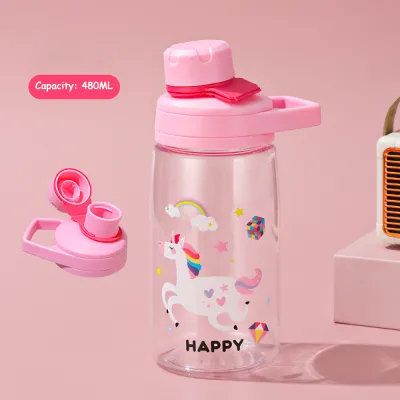
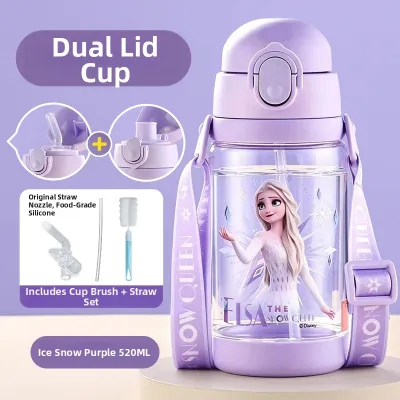
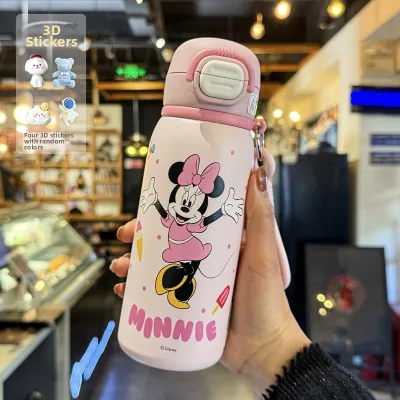
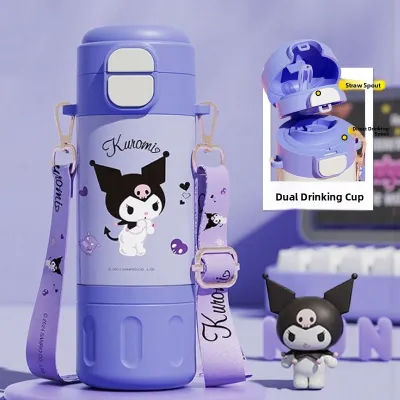
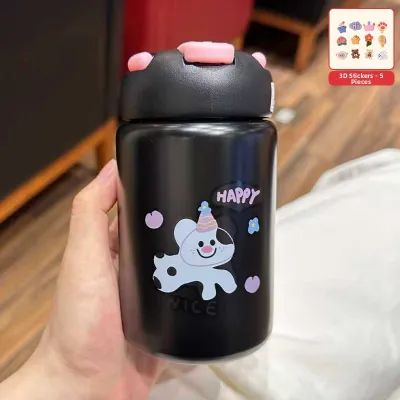
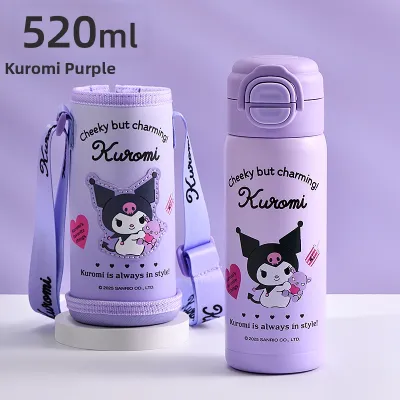
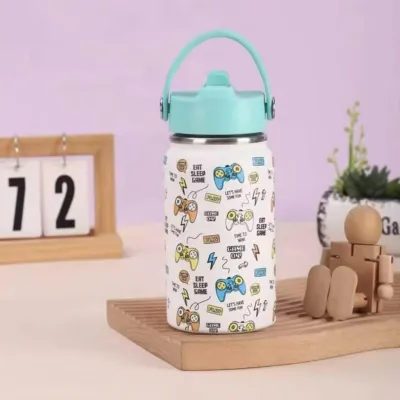
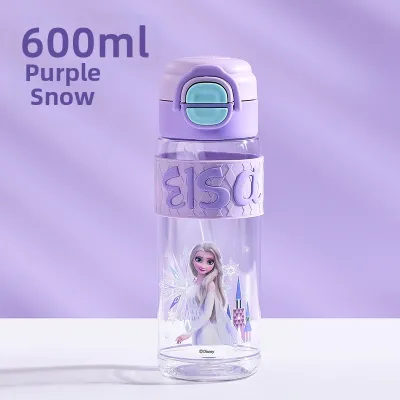
Prices are valid at publication and may change. Please refer to the product page for the latest price.
Pressure-Sensitive Valves
The core of most spill-proof tumblers is a pressure-sensitive silicone valve. These valves feature microscopic, precision-cut slits that remain tightly closed under normal atmospheric pressure. When your toddler bites down or applies suction to the spout or straw, the mechanical force deforms the flexible silicone, opening the slit and allowing liquid to flow. The moment your child releases the mouthpiece, the natural elasticity of the food-grade silicone snaps the slit shut, instantly re-establishing a watertight seal. This mechanism ensures that liquid only moves when your child is actively drinking.
Gravity-Assisted Designs
Gravity-assisted designs are particularly useful for toddlers who are always on the move. These cups utilize a weighted straw system. The straw itself is made of highly flexible, food-grade silicone, and its bottom end is attached to a small, stainless steel or plastic-covered weight. This weight is designed to slide freely along the bottom and sides of the cup’s interior. When your toddler tilts the cup to drink, gravity pulls the weight—and therefore the opening of the straw—to the lowest point where the liquid has pooled. This means that whether she is lying down on a playmat, sitting reclined in a stroller, or tilting the cup completely upside down, the straw remains submerged in water. This clever engineering prevents her from swallowing air, which can cause painful gas, and ensures she can drink every last drop without spilling.
Leak-Proof vs. Spill-Proof
It is important to distinguish between “leak-proof” and “spill-proof” ratings when shopping. A leak-proof container is designed to prevent slow drips and seepage when the cup is stationary, upright, or packed tightly in a diaper bag. A spill-proof cup, however, is engineered to handle dynamic forces and sudden impacts. This means the seals and valves must remain intact even when the tumbler is dropped from a high chair onto a hard tiled floor or shaken vigorously by an energetic toddler.
The Flow Rate Trade-Off
A common issue parents face is purchasing a cup that is so secure it is virtually impossible for a toddler to drink from. This occurs when the manufacturer designs the valve with high resistance to prevent any chance of leakage. While this keeps your floors dry, it requires significant oral suction from your child. If a toddler has to suck too hard, they will quickly tire out and refuse to use the cup, defeating the purpose of keeping them hydrated. Furthermore, pediatric dentists warn that prolonged, high-force suction can put unnecessary pressure on developing teeth and jawbones, potentially leading to dental misalignment or speech development issues. The ideal tumbler balances robust spill resistance with an easy, natural flow rate that matches your toddler’s current suction capabilities.
Recommended Tumbler Types: Choosing the Best Tumbler for Toddler Girl Use
Different developmental stages require different cup designs. Categorizing tumblers by their drinking mechanism helps you choose a model that aligns with your child’s physical abilities and your specific spill-proof expectations.

V-Valve Straw Tumblers
For toddler girls who are highly active, V-valve straw tumblers are often the go-to choice. These cups feature a specialized straw with a cross-cut or V-shaped slit at the top. The valve remains closed until your child applies light pressure with her lips or teeth while sucking. This biting motion opens the slit, allowing water to flow. Because the valve is located at the very tip of the straw, it prevents liquid from pooling in the upper portion of the straw when not in use, which is a common cause of leaks in standard straw cups.
Pediatric feeding specialists and speech-language pathologists highly recommend straw cups because they promote excellent oral motor development. Drinking from a straw requires your toddler to seal her lips around the mouthpiece, retract her tongue, and coordinate her breathing and swallowing. This natural movement strengthens the muscles in her cheeks, lips, and jaw, which are critical for speech development and proper chewing. It also prevents the liquid from pooling around her front teeth, reducing the risk of early childhood tooth decay compared to traditional spout cups.
However, parents must be mindful of what they put into these cups. The microscopic slits in V-valves are designed strictly for water or thin, clear liquids. If you attempt to fill the cup with thick fresh fruit juices, smoothies, or powdered milk drinks that are popular in Filipino households, the tiny fibers and powder clumps will quickly clog the valve. This not only stops the flow of liquid but can also stretch or tear the delicate silicone slits, permanently ruining the spill-proof seal. Keep these cups dedicated to pure water to ensure their longevity.
360-Degree Rim Cups
The 360-degree rim cup is an exceptional tool for teaching your toddler girl how to drink like a grown-up while keeping messes to a minimum. This design consists of a rigid plastic cup with a specialized lid that features a circular channel. A soft, circular silicone valve disc sits flat over this channel, sealing it completely. When your child places her lips anywhere on the rim and tilts the cup, her upper lip naturally presses down on the silicone disc. This pressure creates a small gap between the silicone and the plastic rim, allowing water to flow directly into her mouth.
This design is highly praised because it mimics the exact mechanics of drinking from a regular glass. Your toddler learns to coordinate her hands and head to tilt the cup at the correct angle, and she uses her lips to regulate the flow of water. Because there are no spouts or straws to chew on, it encourages a natural tongue position and helps transition her away from the sucking reflex altogether.
The primary trade-off with 360-degree cups is their vulnerability to high-impact drops. While they are highly effective at preventing spills when tipped over on a table or carried around the house, a sudden, hard drop from a high chair or a toddler’s hands onto a tiled floor can cause a temporary failure. The force of the impact can momentarily dislodge the silicone disc from the plastic rim, releasing a small splash of water. For this reason, they are best suited for indoor use, family meals at the dining table, or supervised play sessions.
Transition Spout Cups
Transition spout cups are specifically engineered for the early weaning phase, typically starting around 6 months of age when babies begin their solid food journey. For many little girls, moving directly from a bottle or breastfeeding to a straw can be confusing. A transition cup features a soft, wide, flattened silicone spout that feels familiar to their mouth while introducing the concept of a cup.
The soft silicone material is designed to be gentle on sensitive gums that may be tender from teething. High-quality transition cups also feature built-in air vents in the lid. These vents allow air to enter the cup as your baby drinks, preventing a vacuum from forming inside. Without these vents, the suction would cause the soft spout to collapse, interrupting the flow of water and frustrating your child. The vent also helps regulate the flow, ensuring that liquid is delivered at a slow, manageable pace that prevents choking or gagging.
When shopping for a transition spout cup, it is crucial to check the internal valve design. Some basic models rely on a simple splash-resistant cover, which will leak if the cup is tipped upside down or left lying on its side on a bed. Look for cups that feature a removable, one-way silicone valve under the spout. This valve ensures true spill-proofing and can be easily detached for thorough cleaning and sanitizing.
Essential Features to Check Before Buying
When shopping for a toddler tumbler in the Philippines, whether browsing online marketplaces or visiting local baby boutiques, having a practical checklist ensures you select a safe, durable, and user-friendly product.
Before purchasing any tumbler, always verify the recommended age or development stage, weight or size range, method of use, and specific manufacturer warnings from the product documentation. Avoid inferring suitability solely from a product name or marketing label.
Size and Weight When selecting a tumbler, size and weight are critical for your toddler’s comfort and independence. For girls aged 1 to 3 years, a cup capacity between 150ml and 250ml is ideal. While it might be tempting to buy a larger 300ml or 400ml cup to reduce the number of times you need to refill it, a larger cup becomes incredibly heavy when filled to the brim. A toddler’s grip strength is still developing, and holding a heavy cup can cause her hands to tire quickly, leading to accidental drops, spills, and frustration. Opt for cups with ergonomic, dual handles that are easy for small hands to grasp, or contoured, textured bodies that provide a secure grip even when her hands are sticky or wet.
Material Verification The materials used in your toddler’s cup must be safe, durable, and capable of withstanding daily wear and tear. Always read the manufacturer’s labels and product descriptions to verify safety certifications, recalls, and standards. Keep the following material options in mind:
- Tritan Copolyester: This is a premium plastic that is widely used in high-quality baby products. Tritan is exceptionally clear, allowing you to see exactly how much water your child has consumed. It is also incredibly tough, impact-resistant, and does not crack or shatter when dropped repeatedly on hard floors. Furthermore, Tritan does not retain odors or stains, making it highly hygienic.
- 304 Food-Grade Stainless Steel: If you want to keep your child's water cool during hot, humid days, double-walled stainless steel is an excellent material. It provides superior thermal insulation, keeping drinks cold for hours. Stainless steel is also naturally resistant to bacteria, highly durable, and completely free from chemical leaching. However, keep in mind that stainless steel cups are heavier than plastic and are opaque, so you cannot see the liquid level without opening the lid.
- Platinum-Cured Silicone: Ensure that all flexible parts, including straws, valves, and spouts, are made from high-quality platinum silicone. This grade of silicone is highly resistant to tearing, bite marks, and high temperatures, ensuring it remains safe after repeated sterilization.
Design and Appeal Visual appeal is a powerful motivator for toddlers. Choosing a cup in her favorite color—whether it is a soft pastel pink, vibrant lilac, or bright mint green—or one featuring cute animal illustrations can make hydration feel like a fun, positive experience. However, always prioritize hygiene over elaborate designs. Avoid cups with complex external decorations, deep-molded plastic characters, or permanent rubber sleeves. In the warm, humid climate of the Philippines, sweat from your child’s hands, food residue, and environmental moisture can easily accumulate in these tight spaces. Over time, this trapped moisture can lead to the growth of bacteria and mold, which are difficult to clean and can pose health risks. Stick to smooth, streamlined exterior designs that are easy to wipe down.
Assembly and Parts A practical but often overlooked feature is how easy the cup is to assemble and disassemble. Toddler cups require daily washing, and if a cup has too many separate components—such as multiple tiny silicone gaskets, separate plastic rings, and complex multi-piece straws—cleaning will quickly become a tedious chore. Furthermore, small parts are easily lost down the kitchen sink drain during washing. If a single sealing ring or valve is lost, the cup will lose its spill-proof capability and may become completely unusable. Look for designs that feature a simple, integrated three-piece assembly: the cup body, the lid, and a single-piece silicone straw or valve.
Safe Cleaning and Maintenance for Toddler Cups
Ensuring your toddler’s tumbler is clean and hygienic is just as important as choosing the right design. Because spill-proof cups rely on tight seals and narrow pathways to prevent leaks, they are prime targets for mold and bacteria growth. In the tropical climate of the Philippines, where high humidity levels are common, mold spores can multiply rapidly in dark, damp spaces. A thorough, consistent cleaning routine is essential for your child’s health.
Daily Disassembly The most critical step in maintaining a hygienic cup is complete, daily disassembly. Never simply rinse a fully assembled cup under the tap and call it clean. After every use, take the cup apart completely. Remove the silicone straw from the lid, detach the one-way valve, and carefully slide off any silicone sealing rings or gaskets from the lid’s threaded track. Liquid residue, especially from milk or juice, easily gets trapped in these tight spaces. If left unaddressed, this trapped moisture will inevitably develop into black mold within 24 to 48 hours, which can cause respiratory issues or stomach upset in young children.
Cleaning Tools Standard kitchen sponges and dish rags are unable to reach the deep, narrow interiors of straws and valves. To clean these areas effectively, you should use a dedicated set of micro-cleaning brushes. A proper set should include a long, flexible wire brush with soft nylon bristles to clean the entire length of the silicone straw, and a small, tapered detail brush to clean the delicate slits of the V-valve and air vents.
When washing, use a mild, fragrance-free dishwashing liquid formulated specifically for baby bottles and accessories. Harsh commercial dish soaps can leave behind strong chemical scents or artificial fragrances that can cling to the silicone parts, altering the taste of the water and potentially discouraging your toddler from drinking.
Drying and Storage Once all parts are washed and rinsed thoroughly with clean water, how you dry them is crucial. Never reassemble a damp cup or store it in a closed cupboard, as this traps moisture and encourages fungal growth. Instead, lay all disassembled components out on a clean, elevated drying rack in a well-ventilated area of your kitchen. Allow them to air-dry completely under circulating air. If you use a steam or UV sterilizer, ensure that the cycle includes a complete drying phase, and check that the silicone parts have cooled down completely before reassembly, as heat can temporarily soften the material and affect the seal.
Inspection and Replacement Silicone is a soft, pliable material that will naturally wear out over time, especially if your toddler is teething and enjoys chewing on the straw or spout. Make it a habit to inspect all silicone components during your daily washing routine. Look closely for tiny tears, bite marks, structural stretching, or persistent discoloration that does not wash away. Damaged valves or torn straws can become choking hazards if small pieces break off. Additionally, any compromise in the silicone’s structure will cause the cup to lose its spill-proof seal. Replace worn-out straws, valves, and gaskets immediately using official replacement parts provided by the manufacturer.
While spill-proof tumblers are excellent for independent drinking, they do not guarantee absolute safety. Always supervise your toddler during use to prevent choking or injury. If you notice persistent feeding difficulties, coughing while drinking, or concerns about oral motor development, stop using the cup and consult a pediatrician or a pediatric feeding specialist.
Frequently Asked Questions (FAQ)
When should I transition my toddler from a spout cup to a straw cup?
Most infants are ready to introduce a soft transition spout cup around 6 months of age, alongside the introduction of solid foods. By the time your child reaches 9 to 12 months, their oral motor skills have developed sufficiently to begin using a straw cup or a 360-degree rim cup. Making this transition early helps promote healthy tongue placement and jaw stability. Always observe your child’s individual readiness, and consult your pediatrician or a pediatric dentist if you have specific concerns about their oral development.
Are stainless steel tumblers better than plastic ones for toddlers?
Both materials have distinct advantages depending on your daily lifestyle. Double-walled stainless steel tumblers are exceptionally durable, hygienic, and keep water cold for hours, which is highly beneficial during hot afternoons in the Philippines. However, they are heavier to carry and opaque, meaning you must open the lid to check how much water is left. High-quality plastic tumblers, such as those made from Tritan, are lightweight, drop-resistant, and completely transparent, making it easy to monitor your child’s hydration levels at a glance.
How do I test if a tumbler is truly spill-proof at home?
To verify a tumbler’s spill-proof claims before giving it to your active toddler, fill the cup halfway with room-temperature water and secure the lid tightly. Hold the cup upside down over your kitchen sink and shake it firmly in several directions for ten to fifteen seconds. Observe the mouthpiece, the air vents, and the threaded seal around the lid. A truly spill-proof cup should not release any continuous drips or streams, confirming that the internal pressure-sensitive valves and silicone gaskets are sealing correctly.
Community discussion
Share your experience or ask a question. Comments are reviewed before publication.