
As infants transition into active toddlers, their curiosity drives them to explore every corner of the home, often at floor level. Because standard electrical outlets are positioned precisely within a crawling child’s reach, finding a reliable, snug plug for outlets is one of the most critical steps in baby-proofing your living space. A loose protector is not just ineffective; it can quickly become a choking hazard if a child manages to pry it free. To keep your home safe, you need outlet plugs that fit tightly, resist curious fingers, and conform perfectly to the specific electrical configurations found in local households.
In the Philippines, securing electrical sockets comes with unique challenges due to the variety of outlet faceplates installed in residential properties. Many homes utilize universal sockets designed to accommodate multiple international plug types, which often have wider openings than standard single-format outlets. This makes finding a truly snug protector essential, as generic options may wobble or sit unevenly. By understanding what makes a plug fit securely, you can prevent electrical accidents and gain peace of mind as your child explores their environment.
Why a Snug Fit is Critical for Toddler Safety
Toddlers are remarkably adept at using their fine motor skills to manipulate small objects. When an outlet protector is loose or has protruding edges, it provides a perfect leverage point for tiny fingernails, teeth, or toys. If a child successfully extracts a loose plastic plug, the immediate danger is twofold: they are exposed to a live electrical socket, and they now hold a small, hard plastic object that fits easily into their mouth. A snug-fitting plug eliminates these risks by sitting completely flush against the faceplate, leaving no gaps or raised edges for a child to grip.
Products mentioned in this guide
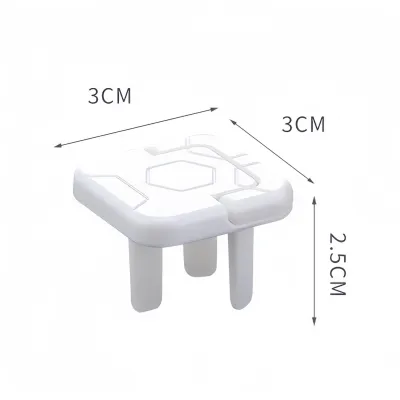
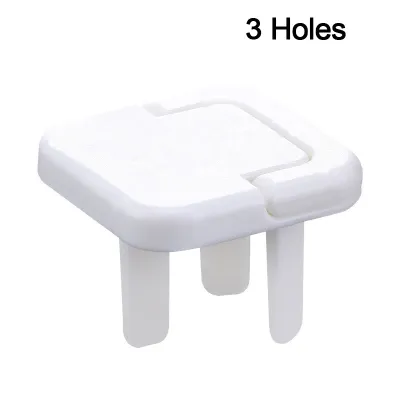
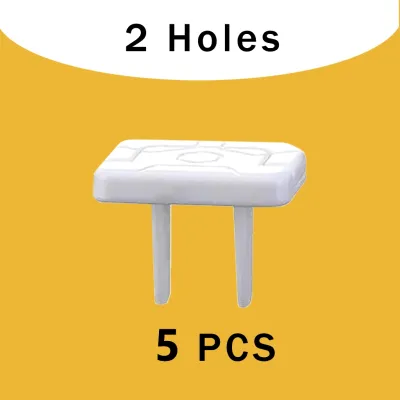
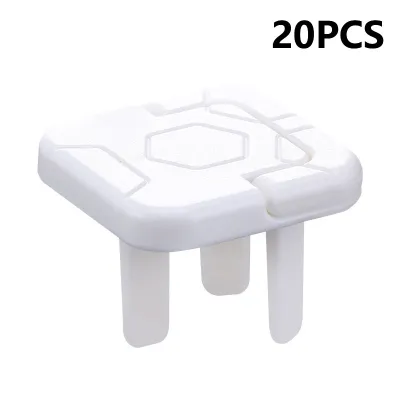
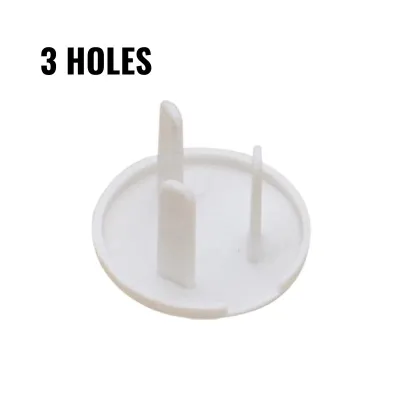
Prices are valid at publication and may change. Please refer to the product page for the latest price.
The electrical landscape in the Philippines features a mix of outlet standards that parents must navigate. The most common installations are Type A (two flat parallel pins) and Type B (two flat pins with a round grounding pin), which are standard in modern residential buildings. However, many homes also feature Type C sockets or universal faceplates designed to accept European round pins or British three-prong plugs. Because universal outlets have larger, more complex openings, standard imported outlet plugs often fail to sit tightly. They may slide out with minimal effort, rendering them useless against a determined toddler.
Achieving a flush or recessed fit is the baseline standard for effective baby-proofing. When a protector is fully inserted, its outer surface should align seamlessly with the contour of the outlet cover. If the plug protrudes even a millimeter, a child can apply sideways pressure to wiggle it free. Parents must prioritize protectors that match the exact dimensions of their specific wall sockets, ensuring that the friction between the plug prongs and the internal socket contacts is strong enough to resist a child’s pulling force.
Essential Features to Evaluate Before Buying
Before purchasing any baby-proofing accessories, it is vital to evaluate their design features against strict safety criteria. Not all outlet plugs are created equal, and relying on low-quality products can create a false sense of security.

Extraction Mechanism
A secure outlet plug must require adult-level dexterity, strength, or a specialized tool to remove. Many high-quality designs utilize a dedicated key that inserts into a hidden slot, releasing the internal latch. Other models feature a dual-action mechanism, such as a fold-flat ring that must be lifted with a fingernail and pulled firmly at a specific angle. Avoid basic, cheap plastic plugs that can be easily pulled out by hand or pried loose with a simple tug. If an adult can remove the plug effortlessly without a tool or specific technique, a toddler will eventually figure out how to do the same.
Material and Build Quality
The environmental conditions in the Philippines, characterized by high humidity and warm temperatures, can accelerate the degradation of cheap plastics. When evaluating outlet plugs, look for products made from durable, non-toxic, flame-retardant materials such as high-grade ABS or polycarbonate. Low-quality plastics can become brittle over time, leading to cracking or shattering when inserted or removed. If a prong breaks off inside a live socket, it creates a severe electrical hazard. Always check product labels for material specifications and verify that the plastic is BPA-free and heat-resistant.
Flush Design Profile
The physical profile of the protector determines how easily a child can interact with it. A flat, smooth surface with rounded edges is ideal because it offers no purchase for small fingers. Some faceplates in local homes have slightly curved or recessed designs, meaning a plug that sits flush on one outlet might protrude on another. Carefully inspect the shape of your wall outlets before buying, and choose plugs that match the faceplate profile to ensure a seamless, tight fit.
Choking Hazard Prevention
While the primary goal is to prevent electrical shock, you must also ensure the safety devices themselves do not pose a choking risk. Ensure that both the individual outlet plugs and any accompanying removal keys are large enough to pass a standard choke-test cylinder. If a plug is small enough to be swallowed, it must never be left loose on the floor or within a child’s reach. Always store removal keys in a secure, high cabinet, and immediately discard any cracked or damaged plugs.
Top Design Types: Finding a Snug Plug for Outlets in the Philippines
To choose the right snug plug for outlets in your home, it helps to understand the different design types available on the market. Each style offers distinct advantages depending on your budget, the specific room layout, and how frequently the outlet is used.
Traditional Plug Inserts with Removal Keys
These are the most common and budget-friendly baby-proofing options available. They consist of individual plastic inserts with two or three prongs that slide directly into the socket openings. To remove them, you must insert a plastic key into a small slot on the face of the plug and twist or pull.
- Pros: They are highly cost-effective (often priced under ₱100 for multi-packs), discreet, and easy to pack when traveling or visiting relatives.
- Cons: The removal keys are easy to misplace, and the plugs can fit loosely in older, worn-out wall sockets where the internal metal contacts have stretched.
- Best Use Case: Ideal for standard, well-maintained Type A or Type B wall outlets that are rarely used, such as those behind heavy furniture or in guest rooms.
Sliding Outlet Covers (Self-Closing)
Sliding outlet covers replace your existing outlet faceplate entirely. They feature a spring-loaded mechanism that automatically slides a protective barrier over the socket holes as soon as an appliance plug is removed.
- Pros: They offer a permanent, highly secure solution with no loose parts to lose or swallow. They are incredibly convenient for outlets that are used daily, such as those in kitchens or living areas.
- Cons: Installation requires unscrewing the existing faceplate and mounting the new cover, which demands basic electrical safety knowledge or the assistance of a professional electrician. They are also more expensive than simple inserts.
- Best Use Case: Best for high-traffic areas where appliances are frequently plugged in and unplugged, such as phone charging stations or kitchen counters.
Full Outlet Box Covers
Full outlet box covers are bulky plastic enclosures that snap over the entire outlet faceplate, locking both the socket and any plugged-in cords inside a secure dome.
- Pros: They prevent toddlers from pulling out active electrical cords, protecting both the child from live wires and your appliances from sudden power cuts.
- Cons: They are visually obtrusive, bulky, and limit quick access to the outlet.
- Best Use Case: Perfect for low-lying outlets where heavy appliances, fans, television sets, or internet routers are permanently plugged in.
| Design Type | Snugness & Security | Ease of Adult Use | Installation Effort | Best Use Case |
|---|---|---|---|---|
| Traditional Plug Inserts | High (if matched correctly to socket type) | Moderate (requires a key or tool) | Very Low (simple push-in) | Low-use outlets, travel, and budget-friendly setups |
| Sliding Outlet Covers | Excellent (integrated into the faceplate) | High (automatic sliding mechanism) | Moderate (requires screwdriver and basic electrical safety) | Frequently used outlets in living rooms and kitchens |
| Full Outlet Box Covers | Maximum (encloses active plugs and cords) | Moderate (requires dual-hand latch release) | Low to Moderate (screws over existing faceplate) | Outlets with permanently plugged-in appliances |
Installation, Testing, and Safety Maintenance
Proper installation and ongoing maintenance are just as important as choosing the right product. Even the highest-quality outlet plug can fail if it is not installed correctly or if the underlying electrical fixture is compromised.
The Pull Test
Once you have inserted an outlet plug, perform a manual “pull test” to verify its security. Attempt to pry the plug out using only your fingernails or a flat household object like a credit card. If the plug pops out easily or wiggles significantly, it does not provide a sufficiently snug fit for that specific outlet. You should try a different brand or switch to a sliding cover. When testing, avoid applying excessive force that could crack the plastic faceplate or damage the wall mounting.
Dealing with Worn Sockets
In many older residential properties in the Philippines, electrical outlets can become loose over years of use. If you notice that an outlet plug fits loosely, slides out on its own, or if the wall socket itself is cracked, stop using standard plastic inserts immediately. A loose socket indicates that the internal brass contacts are worn out, which can cause electrical arcing, overheating, and fire hazards. Do not attempt to force a baby-proofing plug into a damaged outlet. Instead, consult a registered, qualified electrician to replace the worn socket or install a safer, integrated sliding cover.
Routine Safety Checks
Baby-proofing is not a one-time task; it requires continuous monitoring. As toddlers grow, they rapidly gain physical strength, coordination, and problem-solving abilities. What was secure last month might be vulnerable today. Incorporate outlet plug inspections into your weekly home safety sweeps. Check that all plugs are firmly seated, and look for signs of wear such as hairline cracks, discoloration, or warping caused by tropical heat and humidity.
When to Stop
Outlet plugs should be replaced immediately if they show any signs of material degradation, such as brittleness or yellowing. Generally, children outgrow the need for physical outlet barriers around the age of three or four, as they develop a better understanding of safety rules and verbal instructions. However, every child develops at their own pace, and physical barriers should never replace active adult supervision. When removing the plugs permanently, ensure your child is fully educated on the dangers of electricity and electrical appliances.
Frequently Asked Questions (FAQ)
Are clear outlet plugs safer than colored ones?
Clear outlet plugs are designed to blend in with white or off-white faceplates, making them less visually appealing to a curious toddler who might be drawn to bright colors. However, because they are virtually invisible, parents may easily forget which outlets are protected and which are left exposed after unplugging an appliance. On the other hand, brightly colored or opaque plugs serve as a clear visual reminder for adults, but they can act as a magnet for a child’s attention. For most homes, clear or neutral-colored plugs that match the faceplate are recommended to minimize toddler curiosity, provided parents remain diligent about keeping track of unprotected sockets.
Can I use standard outlet plugs on extension cords and power strips?
Standard outlet plugs are designed for the depth and dimensions of permanent wall outlets and often do not fit securely in extension cords or power strips. Power strips frequently feature shallower socket wells, different internal contact spacing, or unique faceplate contours, which can cause standard inserts to protrude and wobble. To secure power strips, look for specialized power strip covers that enclose the entire strip, or use heavy-duty box protectors designed specifically for portable electrical outlets. Additionally, keep power strips elevated on furniture or hidden behind secure barriers whenever possible to prevent access.
What should I do if an outlet plug breaks inside the socket?
If a plastic prong or part of an outlet plug breaks off and remains lodged inside a socket, safety must be your absolute priority. First, immediately go to your home’s electrical panel and turn off the main circuit breaker for that specific room. Verify that the power is completely off by testing a working appliance in an adjacent socket on the same circuit, or use a non-contact voltage tester. Once you are certain there is no active current, use non-conductive tools, such as dry plastic or wooden tweezers, to gently extract the broken piece. Never insert metal tweezers, screwdrivers, or fingers into the socket. If the broken piece is lodged deeply or if you feel uncomfortable performing the extraction, stop immediately and call a licensed professional electrician to handle the issue safely.
Community discussion
Share your experience or ask a question. Comments are reviewed before publication.