
Finding the right sleeping mat for your child in the Philippines requires balancing comfort, safety, and the demands of a tropical climate. In a country where afternoon humidity can make floors sticky and naps sweaty, a standard blanket on the floor is rarely enough.
The ideal sleeping mat must provide sufficient joint support, prevent heat buildup, and withstand frequent cleaning. Whether your child needs a dedicated spot for afternoon siestas, a portable mat for preschool, or a cushioned surface for a playroom, selecting the right option involves looking closely at material composition, ease of maintenance, and safety certifications.
Key Features to Look for in a Child's Sleeping Mat
Material Safety and Breathability
In the warm and humid Philippine climate, breathability is a primary consideration when choosing any baby or child product. Children regulate their body temperature less efficiently than adults, making them prone to overheating and heat rashes during afternoon naps.
Products mentioned in this guide
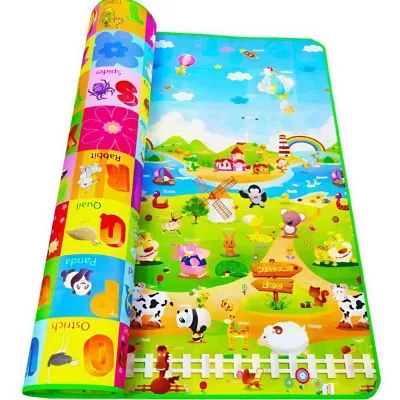
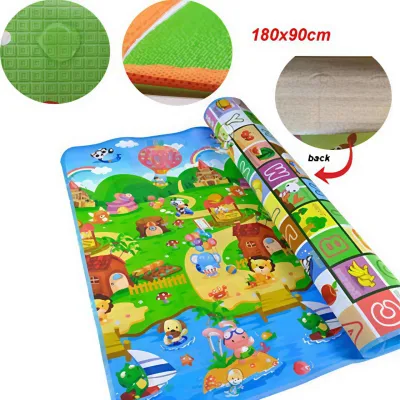
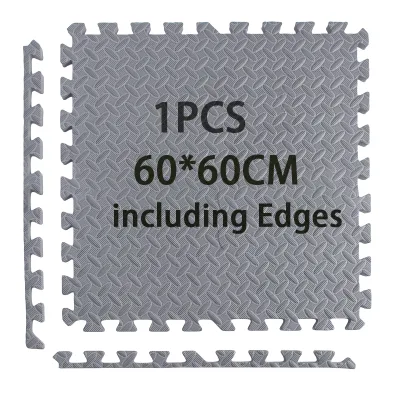
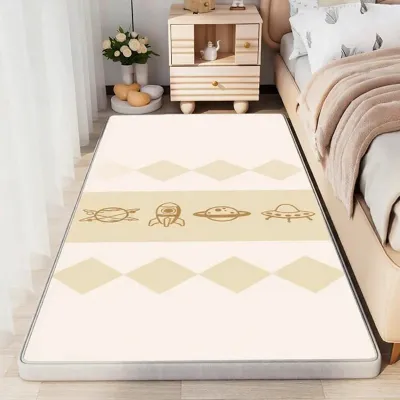
Prices are valid at publication and may change. Please refer to the product page for the latest price.
Look for mats that use breathable fabrics, such as 100% cotton covers or open-cell foam structures, which allow air to circulate freely. These materials help draw moisture away from the skin, keeping your child cool and dry even during the hottest hours of the day.
Additionally, the humid environment makes floor mats highly susceptible to mold, mildew, and dust mites. Selecting hypoallergenic materials and moisture-resistant inner cores can help prevent these common allergens from taking hold, protecting your child’s sensitive respiratory system.
Thickness and Cushioning
The thickness of a sleeping mat directly affects how well it insulates your child from cold, hard floors. This is particularly important in Filipino homes, which frequently feature ceramic tile, polished concrete, or hardwood flooring.
For younger toddlers and infants, a thicker mat of at least 1.5 to 2 inches is generally recommended. This thickness provides adequate joint protection and cushions accidental rolls or falls during active sleep.
For older children who have better motor control, a thinner, more portable mat of 0.5 to 1 inch may suffice. These thinner options are especially useful if the mat is placed on top of a carpeted area or used for short daycare naps where portability is a priority.
Ease of Cleaning
Spills, diaper leaks, and sweat are inevitable when it comes to children’s gear, making cleanability a non-negotiable feature for parents. When shopping, compare the benefits of wipeable surfaces against machine-washable fabric covers.
Water-resistant polyurethane (PU) or leatherette covers can be sanitized quickly with a damp cloth and mild soap. This makes them excellent for daily play, quick cleanups, and busy households.
On the other hand, removable, machine-washable cotton covers offer a deeper level of hygiene. They allow you to wash away sweat, drool, and skin cells that accumulate over time, though they require more drying time in humid weather.
Portability and Storage
Many households manage multi-functional spaces where a dedicated playroom or nursery is not feasible. In these settings, a sleeping mat must be easy to pack away when naptime ends.
Look for mats that feature tri-fold or bi-fold designs, roll-up mechanisms, or integrated carrying straps. Lightweight options are particularly useful for families who travel to visit relatives or need to send a nap mat to preschool.
Ensure that the folding creases or fastening straps are durable enough to withstand daily manipulation. High-quality stitching and robust fasteners prevent the mat from tearing or losing its shape after repeated folding.
Top Types of Sleeping Mats for Kids and Their Best Uses
Foldable Foam Mats for Naps and Play
Foldable foam mats are highly versatile options that transition seamlessly from a comfortable sleeping surface to an active play area. These mats typically feature a bi-fold or tri-fold design, allowing them to be set up in seconds and folded into a compact block for storage in closets or under beds.

Because they use solid foam blocks, they provide consistent, even support across the child’s body. This design prevents them from feeling the hard floor underneath, making it ideal for longer sleep sessions.
- Product Recommendations: Look for trusted local brands such as the Uratex Fold-A-Mattress for Kids or similar high-density polyurethane foam mats available in local department stores and online marketplaces. These mats often come in standard toddler sizes (such as 2 inches thick, 27 inches wide, and 52 inches long) and are wrapped in colorful, water-resistant covers. Another popular option is the portable tri-fold play mat made from high-density polyethylene (EPE) foam, which offers excellent shock absorption and can be folded into a bench or play tunnel when not in use.
- Verification and Limitations: Before purchasing, parents must verify the quality of the zippers and seams, as these are the most common failure points under daily use. Check that the zipper pull is tucked away in a fabric pocket to prevent it from scratching your child's skin or scraping your floors. Additionally, keep in mind that the folding creases can sometimes collect dust and crumbs, requiring regular vacuuming or wiping within the folds to maintain hygiene.
Roll-Up Nap Mats for Preschool and Travel
Roll-up nap mats are designed specifically for portability, making them the preferred choice for preschoolers, daycare attendees, and families on the go. These all-in-one systems typically combine a quilted padded mat, an attached blanket, and a built-in or removable pillow into a single cohesive unit.
When naptime is over, the entire set rolls up tightly and secures with hook-and-loop straps. Many models also feature a convenient shoulder strap, allowing either the parent or the child to carry it easily.
- Product Recommendations: Popular choices found on local e-commerce platforms include cotton-quilted roll-up nap mats and microfiber travel sleep sacks. These mats are generally lightweight, weighing under two kilograms, and fold down to a compact cylinder of approximately 10 by 20 inches. Look for models that feature a removable pillow insert, allowing you to wash the fabric cover and blanket in a standard washing machine without clumping the pillow's polyester fiberfill.
- Verification and Limitations: Because roll-up mats are designed for portability, they are significantly thinner than foldable foam mats, usually measuring between 0.5 and 1 inch in thickness. Consequently, they are best suited for older toddlers and children who do not require heavy floor cushioning, or for use on carpeted floors and wooden decks. Parents should check the length of the attached blanket to ensure it fully covers the child as they grow, and verify that the fastening straps are securely double-stitched to prevent fraying.
Interlocking Puzzle Mats for Nursery Floors
Interlocking puzzle mats are modular flooring solutions made from closed-cell ethylene-vinyl acetate (EVA) foam. They are ideal for babies who are learning to crawl, sit up, or take their first steps, as they can cover large, irregular floor areas and provide excellent shock absorption.
These mats allow parents to customize the size and shape of the play and sleep area to fit the specific layout of a nursery or living room. They can also be packed away tile-by-tile, making them highly adaptable.
- Product Recommendations: High-quality EVA foam puzzle mats are widely available from local baby specialty stores and online marketplaces, typically sold in packs of 4 to 9 tiles. Standard tiles measure 12 by 12 inches or 24 by 24 inches, with thicknesses ranging from 0.4 to 0.8 inches. Look for sets that include border pieces to create clean, finished edges that discourage toddlers from peeling the tiles apart.
- Verification and Limitations: While interlocking mats offer great flexibility, parents must carefully monitor the quality of the interlocking seams. Loose-fitting seams can create tripping hazards for early walkers and allow dust, spilled liquids, and crumbs to accumulate on the floor underneath. Furthermore, always verify that the tiles are made from non-toxic, high-density EVA foam that does not easily tear, as small, detached foam pieces pose a serious choking hazard if chewed on by teething infants. Caregiver supervision is essential whenever young children are playing or resting on modular foam surfaces.
Safety Labels and Specifications to Verify Before Purchase
Decoding "Non-Toxic" Claims
When shopping for a child’s sleeping mat, parents are often bombarded with marketing buzzwords like “eco-friendly,” “natural,” or “safe.” To protect your child from potentially harmful chemicals, look for specific, verifiable safety certifications on the product packaging or manufacturer’s website.
Key labels to verify include CertiPUR-US (for polyurethane foam safety), OEKO-TEX Standard 100 (for textile safety), or compliance with international standards such as EN71 (European toy safety) and ASTM F963 (US toy safety). These certifications guarantee that the mat has been tested for hazardous levels of phthalates, heavy metals, formaldehyde, and flame retardants.
Anti-Slip Properties
A sleeping mat that slides easily across polished tile or hardwood floors can lead to slips, trips, and falls. This is especially dangerous when a child is running or transitioning from sleep to play.
Before buying, verify if the mat features an anti-slip backing. This is typically achieved through a textured rubberized pattern, silicone dots, or a high-friction fabric on the underside of the mat. If a mat you like lacks this feature, consider placing a separate non-slip rug pad underneath it to secure it firmly to the floor.
Manufacturer Guidelines
Always check the manufacturer’s official documentation for age recommendations, weight limits, and intended use. Some mats are designed strictly for active play and do not offer the flat, firm surface required for safe infant sleep, which can pose a suffocation risk for babies under 12 months.
Ensure the mat matches your child’s developmental stage. For instance, infants require firm, flat surfaces with no loose blankets or soft pillows, while older toddlers can safely use cushioned mats with attached bedding. Never infer suitability solely from a product’s name or marketing images.
Physical Inspection
Upon unboxing a new sleeping mat, conduct a thorough physical inspection before allowing your child to use it. Check for strong chemical odors, which are common in newly manufactured foam products due to off-gassing.
If you detect a strong smell, place the mat in a well-ventilated room or a shaded outdoor area for 24 to 48 hours to allow the volatile organic compounds (VOCs) to dissipate. Additionally, inspect all seams, buttons, straps, and zippers to ensure there are no loose parts that could become choking hazards.
How to Clean and Maintain Sleeping Mats in Humid Climates
Routine Wipe-Downs
In the humid Philippine climate, sweat and humidity can quickly turn a sleeping mat into a breeding ground for bacteria. Establish a routine of wiping down the mat’s surface after every use, especially if it has a water-resistant cover.
Use a soft, damp cloth with a mild, baby-safe dish soap or a diluted vinegar solution. Avoid using harsh chemical cleaners, bleach, or alcohol-based disinfectants, as these can degrade the protective coatings of the mat, cause the foam to crumble, or leave behind chemical residues that could irritate your child’s skin.
Washing Fabric Components
For mats with removable fabric covers or all-in-one roll-up designs, regular machine washing is essential to maintain hygiene. Always consult the manufacturer’s care label before washing.
As a general rule, use cold water and a gentle cycle with a hypoallergenic, fragrance-free baby detergent to protect the fabric fibers and prevent skin irritation. Avoid using fabric softeners, which can reduce the breathability of cotton fabrics and leave a coating that attracts dust.
Drying and Storage
The golden rule for maintaining sleeping mats in high-humidity regions is to ensure they are 100% dry before folding or storing them away. Trapping moisture inside a folded mat or a dark closet will inevitably lead to mold and mildew growth, which can ruin the material and trigger respiratory issues in children.
Air-dry all components thoroughly in a well-ventilated room or in indirect sunlight. While sunlight is a natural sanitizer, avoid leaving foam mats in direct, intense midday sun for prolonged periods, as extreme heat can warp the foam, melt adhesives, and fade the colors of the fabric.
Frequently Asked Questions (FAQ)
Can I use a regular yoga mat as a sleeping mat for my toddler?
Using a regular yoga mat as a sleeping mat for a toddler is generally not recommended. Yoga mats are designed for exercise traction and are typically too thin (usually 3mm to 6mm) to provide adequate joint cushioning and thermal insulation from a cold floor during prolonged sleep.
Furthermore, many standard yoga mats are made from polyvinyl chloride (PVC) or may contain chemical additives, latex, or antimicrobial treatments that are not tested for child safety or prolonged skin contact. For safe and comfortable sleep, it is best to use a dedicated child’s sleeping mat that meets safety standards and offers appropriate thickness.
How thick should a sleeping mat be for a child?
The ideal thickness of a sleeping mat depends on the child’s age and where the mat will be used. For toddlers and infants over 12 months who sleep directly on hard tile or wooden floors, a thickness of 1.5 to 2 inches is recommended to provide sufficient cushioning and insulation.
For older preschoolers (ages 3 and up) who use the mat for short naps at daycare or on carpeted surfaces, a thickness of 0.5 to 1 inch is often sufficient and much easier to transport. Always prioritize a firmer surface for younger children to support their developing bones and ensure a safe sleeping environment.
Community discussion
Share your experience or ask a question. Comments are reviewed before publication.